
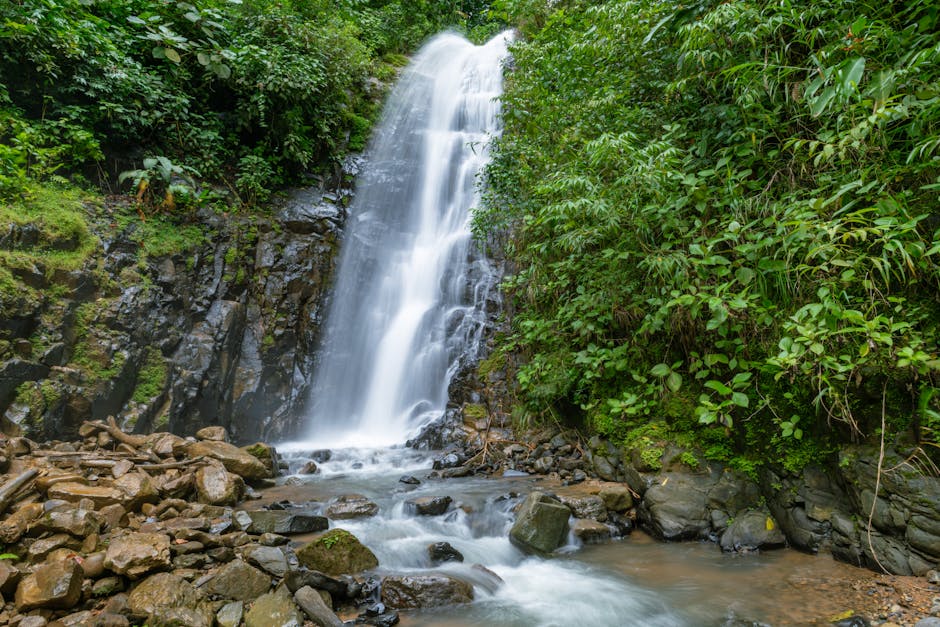
Tapanti National Park, Costa Rica: Best Waterfalls, Wildlife & Rainforest Solitude (2026)
While crowds flock to Manuel Antonio, Tapanti National Park, Costa Rica delivers an authentic, mist-shrouded cloud forest experience without the queues. Here, you’ll find one of the country’s highest annual rainfalls—over 7,000 mm (275 inches)—nourishing a staggering 45 species of mammals and 260 species of birds within its 583 square kilometers. This isn’t a manicured park; it’s a thriving, dripping-wet sanctuary where the wild things are, and the only soundtrack is the rush of the Río Grande de Orosi and a chorus of quetzals.
Why Tapanti National Park, Costa Rica Stands Out

Stunning aerial view of Arenal Lake with lush greenery in Costa Rica., Tapanti National Park, Costa Rica
- Historic Architecture: The Orosi Church, built in 1743, is one of Costa Rica’s oldest surviving colonial structures, standing sentinel in the valley below the park.
- Cultural Scene: The annual Orosi Festival in January celebrates local coffee culture with traditional music, folk dances, and, of course, tastings of the valley’s rich brew.
- Local Specialties: You must try a hearty “olla de carne,” a traditional beef and vegetable stew, perfect for refueling after a day hiking the damp trails.
Pro Tip: Arrive at the park gates right at 8:00 AM when they open, especially on weekends. You’ll have the best chance of spotting wildlife like coatis and agoutis on the trails before the (still modest) midday arrivals, and the morning light filtering through the mist is magical. The dry season (December to April) offers more reliable trail access.
Map of Tapanti National Park, Costa Rica
Use these interactive maps to explore Tapanti National Park, Costa Rica and plan your route:
📍 View Tapanti National Park, Costa Rica on OpenStreetMap
🗺️ Open Tapanti National Park, Costa Rica in Google Maps
Planning Your Trip: Practical Essentials
Getting There and Around
- By Air: Fly into Juan Santamaría International Airport (SJO) near San José. From there, it’s a 1.5 to 2-hour drive. Book flights at Skyscanner for best deals.
- By Train: No direct train service exists to the park. The scenic Inbio Park to Cartago train doesn’t extend to Orosi/Tapanti.
- By Car: Driving is your best bet. From San José, take Route 2 towards Cartago, then Route 224 through Paraíso to Orosi, following signs to Tapanti. The road into the park is steep and winding; a 4×4 is recommended, especially in the rainy season. Compare car rentals at RentalCars.com.
- Local Transport: Public buses run from San José to Orosi, but from Orosi village to the park entrance (a 10km uphill journey), you’ll need a taxi. Arrange a round-trip with the driver as cell service is spotty at the park.
Best Time to Visit
Tapanti has two distinct seasons that dramatically affect the experience. The dry season offers accessibility, while the green season delivers the park’s iconic, lush intensity.
| Season | Weather | Highlights |
|---|---|---|
| Dry Season (Dec–Apr) | Sunny mornings, possible afternoon showers. Temps 15-25°C (59-77°F). | Best for hiking, reliable road access, excellent birdwatching. Moderate crowds on weekends. |
| Green Season (May–Nov) | Heavy, persistent rainfall. Temps 14-22°C (57-72°F). Misty and cool. | The rainforest is at its most vibrant and dramatic. Waterfalls are thunderous. Very few visitors. |
| Shoulder (Late Nov/May) | Transitional weather with mix of sun and rain. | A good balance of accessibility and lush scenery, with the chance to experience both worlds. |
Budgeting for Tapanti National Park, Costa Rica

Stunning aerial shot of the lush coastline and turquoise waters of Manuel A…, Tapanti National Park, Costa Rica
| Category | Budget | Mid-range | Luxury |
|---|---|---|---|
| Accommodation | $15-30 (Hostel in Orosi) | $60-100 (Lodge/B&B in Orosi Valley) | $150+ (Eco-lodge with views & guides) |
| Meals | $5-10 (Soda meals) | $12-20 (Restaurant dinner) | $30+ (Gourmet dining at a lodge) |
| Transport | $2-5 (Public bus to Orosi) + $20 taxi | $40-70/day (Rental car) | $100+ (Private driver/guide for the day) |
| Activities | $10 (Park entry) | $50 (Guided birdwatching tour) | $120+ (Private full-day naturalist guide) |
| Daily Total | $40-65 | $110-200 | $300+ |
Top Attractions and Must-See Sights
| Attraction | Description | Hours | Entry Fee |
|---|---|---|---|
| Tapanti National Park Main Sector | Explore primary cloud forest on well-marked trails like La Pava, leading to river views and waterfalls. | 8:00 AM – 4:00 PM, Tue-Sun | $10 for non-residents |
| Orosi Valley Lookout (Mirador) | Breathtaking panoramic view of the entire valley, the Reventazón River, and the Orosi Church from above. | 24/7 | Free |
| Orosi Church & Religious Art Museum | Step into Costa Rica’s colonial past at this 1743 adobe church, housing a small museum of religious artifacts. | 9:00 AM – 5:00 PM daily | $2 donation |
| Ujarrás Ruins | The picturesque ruins of the 1693 Parroquia de la Purísima Concepción, set in beautiful gardens near the lake. | 24/7 (gardens) | Free |
3-Day Itinerary: Tapanti National Park, Costa Rica’s Highlights & Hidden Gems
Day 1: Immersion in the Cloud Forest
- Morning (7:30 AM): Enter Tapanti National Park at opening. Hike the **Sendero La Pava** (2.5 km loop). Bring binoculars—this is prime resplendent quetzal territory from December to May. Listen for the trogons’ distinct calls.
- Afternoon (12:30 PM): Enjoy a packed lunch at one of the park’s picnic shelters by the river. Then, drive or walk the **Arboles Caídos** road, a quiet track perfect for spotting hummingbirds and the elusive emerald toucanet.
- Evening (6:00 PM): Return to Orosi for dinner at **Restaurant Coto**, known for its massive *casados* and fresh trout. Try the *olla de carne* if it’s available.
Day 2: Valley History & Hot Springs
- Morning (8:30 AM): Visit the **Orosi Church and Museum** ($2). Then, drive to the **Orosi Valley Lookout (Mirador de Orosi)** for the essential photo. Continue to the serene **Ujarrás Ruins** to wander the historic grounds.
- Afternoon (1:00 PM): Lunch at **Soda La Parada** in Paraíso for authentic *gallo pinto* and fresh fruit smoothies. Then, head to **Termales del Orosi**, a local hot springs complex. Soak in the thermal pools ($15) surrounded by greenery.
- Evening (7:00 PM): Dine at **Café de la Casa** in Orosi, a cozy spot offering great coffee from the valley and international fusion dishes.
Day 3: Waterfalls & Coffee Culture
- Morning (8:00 AM): Drive to the **Cachi Dam** for views of the massive reservoir. Then, take a guided **coffee tour** at a local *finca* like **Finca Cristina** ($25), learning about the bean-to-cup process and tasting the rich Orosi brew.
- Afternoon (12:30 PM): Have lunch at the finca or grab a bite in town. Then, take a short hike to the **Alto de la Cruz** in Orosi for a final view, or visit the smaller, tranquil **Tapanti Waterfall** near the park’s entrance.
- Evening (6:00 PM): Enjoy a farewell dinner at your lodge or at **Monte Sky** for a higher-end dining experience with stunning sunset valley views.
Cultural Insights & Etiquette
- Language: Spanish is key. Learn “Buenos días,” “Por favor,” and “Gracias.” “Pura vida” is the national motto for “all good.” English is limited outside tourist hubs.
- Customs: Costa Ricans (*Ticos*) are polite and non-confrontational. Greetings are important. A handshake is standard, and close friends/family may exchange a light kiss on the cheek.
- Tipping: 10% is typically included as a *servicio* charge on bills. It’s customary to leave a little extra (5-10% more) for excellent service in cash on the table.
- Dress Code: Casual but modest. In the park, wear quick-dry clothing and sturdy shoes. In towns, shorts and t-shirts are fine. Cover up when visiting churches.
- Business Hours: Typically 8:00 AM – 5:00 PM. Many smaller shops close for a midday *siesta* (12:00 PM – 2:00 PM). Banks have shorter hours.
Where to Eat: Tapanti National Park, Costa Rica’s Best Bites
Dining here is about hearty, traditional *comida típica*. You’ll find family-run *sodas* (small diners) serving generous plates of rice, beans, protein, and plantains. The Orosi Valley is also coffee country, so expect an excellent brew.
Must-Try Local Specialties
- Olla de Carne: A nourishing beef and vegetable soup/stew, often with yucca, corn, and plantains. Best tried at a local *soda* like **Soda y Restaurante La Fé** in Orosi.
- Fresh Trout (Trucha): Often sourced from local farms, served grilled or fried whole with garlic or lemon. **Restaurant Coto** is famous for it.
- Queso Palmito: A fresh, stringy cheese, often served with tortillas or in *empanadas*. Look for it at roadside stalls or local markets.
Restaurant Recommendations by Budget
| Type | Restaurant | Specialty | Price Range |
|---|---|---|---|
| Budget | Soda La Parada, Paraíso | Massive, affordable *casados* and fresh fruit *batidos* | $5-8 per plate |
| Mid-range | Restaurant Coto, Orosi | Fresh trout and traditional Costa Rican plates in a rustic setting | $10-15 per main |
| Fine dining | Monte Sky, Orosi Valley | Gourmet international cuisine with spectacular panoramic valley views | $20-30+ per main |
Where to Stay
Most visitors stay in the Orosi Valley, not inside the park. Options range from simple guesthouses to charming eco-lodges with stunning views. Compare prices and book at Booking.com or Airbnb for apartments.
Best Neighborhoods for Accommodation
- Orosi Town: The most convenient base, with several restaurants, shops, and the church. You’ll find budget *cabinas* and mid-range B&Bs. Perfect for those without a car who plan to use taxis.
- Orosi Valley Slopes: Scattered lodges and B&Bs on the hillsides above town (e.g., near the Monte Sky restaurant). Offers breathtaking views, tranquility, and a true escape. Best for those with a rental car.
- Paraíso: The larger town on the way to the valley. Has more amenities (banks, supermarkets) but less charm. A practical stopover if arriving late.
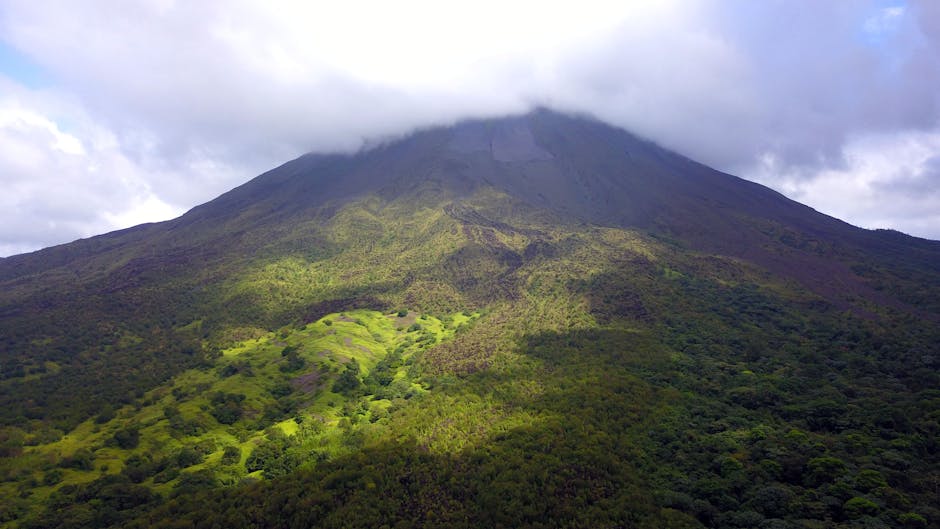
A stunning view of Arenal Volcano surrounded by lush greenery in Costa Rica., Tapanti National Park, Costa Rica
FAQs: Your Tapanti National Park, Costa Rica Questions Answered
1. Is Tapanti National Park, Costa Rica safe at night?
The park itself closes at 4:00 PM. The surrounding Orosi Valley is generally very safe. As always, exercise standard precautions: don’t leave valuables in your car, especially at trailheads, and stick to well-lit areas in town after dark.
2. What currency is used and are credit cards accepted?
The currency is the Costa Rican Colón (CRC). US dollars are often accepted, but you’ll get a better rate paying in colones. Credit cards (Visa/Mastercard) are accepted at hotels and some restaurants in Orosi, but smaller *sodas* and park entry are cash-only. Withdraw colones from an ATM in Cartago or Paraíso before heading into the valley.
3. How do I get from the airport to the park area?
From SJO Airport, your best options are a pre-booked private shuttle (approx. $80-100 one-way to Orosi), a rental car, or a taxi (negotiate, ~$70-80). Public bus requires going to San José downtown first, then to Cartago, then to Orosi—a 3+ hour journey with luggage. Book airport transfers at GetYourGuide for convenience.
4. Do I need to speak the local language?
Basic Spanish phrases will greatly enhance your experience and are appreciated. In the park and at main hotels, you may find staff with basic English, but in local *sodas* and taxis, Spanish is essential. A translation app is very helpful.
5. What’s the appropriate dress code?
For the park: waterproof jacket, moisture-wicking layers, long pants (for insect protection), sturdy hiking shoes or boots, and a hat. It is cool, wet, and muddy. For towns: casual, comfortable clothing. Bring a light sweater or fleece for the cool evenings.
Final Thoughts: Tapanti National Park, Costa Rica Awaits
Tapanti National Park offers a profound contrast to Costa Rica’s more commercialized coasts. This

