
Tapantí, Costa Rica: Ultimate Cloud Forests, Waterfalls & Authentic Rural Charm (2026)
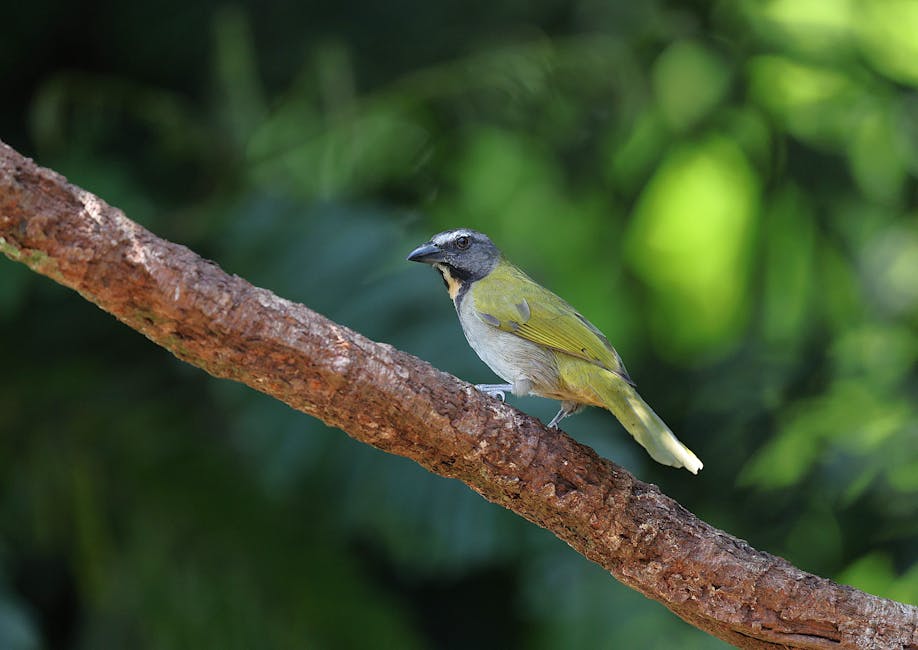
While crowds flock to the bustling trails of Monteverde, just 90 minutes south, Tapantí-Macizo de la Muerte National Park offers a more intimate, biodense, and affordable cloud forest experience. Here, over 400 species of birds—including the elusive resplendent quetzal—inhabit a misty realm where 150 inches of annual rain fuels dozens of cascading waterfalls. Savvy travelers choose Tapantí for its profound silence, accessible trails, and the chance to have an entire emerald-green canyon practically to yourself.
Why Tapantí, Costa Rica Stands Out

Night view of a historic building facade in San José, Tapantí, Costa Rica
- Historic Architecture: The Orosi Church, built in 1743, is one of Costa Rica’s oldest surviving colonial structures, a simple whitewashed adobe landmark overlooking the valley.
- Cultural Scene: The annual Orosi Festival in January celebrates the valley’s patron saint with traditional “turnos” (community parties), oxcart parades, and local horse shows.
- Local Specialties: You must try a warm, handmade “empanada de chiverre,” a sweet pastry filled with candied squash, a unique treat found in family-run sodas.
Pro Tip: Visit from late December through April (the dry season) for the most reliable trail conditions and best birdwatching, especially for spotting quetzals. Arrive at the national park gate by 7:00 AM to beat the occasional midday mist that can obscure views and to have the best chance of wildlife sightings.
Map of Tapantí, Costa Rica
Use these interactive maps to explore Tapantí, Costa Rica and plan your route:
📍 View Tapantí, Costa Rica on OpenStreetMap
🗺️ Open Tapantí, Costa Rica in Google Maps
Planning Your Trip: Practical Essentials
Getting There and Around
- By Air: Fly into Juan Santamaría International Airport (SJO) near San José. From there, it’s a 1.5 to 2-hour drive. Book flights at Skyscanner for best deals.
- By Train: No direct train service exists to the park. The area is best accessed by road.
- By Car: The most flexible option. From San José, take Route 2 towards Cartago, then follow signs to Paraíso and Orosi. The final 12km to the park is a steep, winding mountain road—a 4×4 is recommended, especially in the rainy season. Compare car rentals at RentalCars.com.
- Local Transport: Public buses run from San José to the town of Orosi several times daily (approx. $3, 2-hour journey). From Orosi, you’ll need a taxi (about $15-20) to reach the park entrance. There is no public transport into the park itself.
Best Time to Visit
The best time to visit is during the dry season (December to April) for hiking, though the park is lush and dramatically beautiful year-round. The rainy season (May to November) brings heavier, more frequent afternoon showers, but mornings are often clear and the waterfalls are at their most powerful.
| Season | Weather | Highlights |
|---|---|---|
| Dry (Dec–Apr) | Sunny mornings, possible afternoon mist; 60-75°F (15-24°C) | Best for hiking and birdwatching; lower chance of trail closures; moderate crowds on weekends. |
| Rainy (May–Nov) | Heavy afternoon rains, humid; 65-70°F (18-21°C) | Ephemeral waterfalls, vibrant green scenery, very few visitors; ideal for photography after morning rain. |
| Shoulder (Nov/May) | Transitional; mix of sun and showers | Good balance of decent weather and smaller crowds; a smart time for value. |
Budgeting for Tapantí, Costa Rica

Tropical beach in Limón, Tapantí, Costa Rica
| Category | Budget | Mid-range | Luxury |
|---|---|---|---|
| Accommodation | $25-40 (hostel/basic cabina) | $60-100 (comfortable B&B or lodge) | $150+ (private villa or eco-lodge) |
| Meals | $5-10 (soda meals) | $12-20 (restaurant dinner) | $30+ (multi-course experience) |
| Transport | $3-6 (public bus) | $50 (daily car rental) | $100+ (private driver/tour) |
| Activities | $10 (park entry) | $30-50 (guided hike) | $100+ (private birding tour) |
| Daily Total | $45-65 | $120-200 | $300+ |
Top Attractions and Must-See Sights
| Attraction | Description | Hours | Entry Fee |
|---|---|---|---|
| Tapantí National Park | The crown jewel, a vast cloud forest reserve with trails leading to powerful waterfalls and pristine rivers. | 8:00 AM – 4:00 PM, Daily | $10 for non-residents |
| Orosi Valley Viewpoint (Mirador) | A breathtaking panoramic view over the entire agricultural valley, church, and winding river. | 24/7 | Free |
| Orosi Church & Religious Art Museum | Visit Costa Rica’s oldest active church and its small museum housing colonial-era religious artifacts. | 9:00 AM – 5:00 PM, Tue-Sun | $2 donation suggested |
| Ujarrás Ruins | The picturesque stone ruins of a 17th-century church set in a peaceful park by a lake, perfect for a picnic. | 24/7 (grounds) | Free |
3-Day Itinerary: Tapantí, Costa Rica’s Highlights & Hidden Gems
Day 1: Immersion in the Cloud Forest
- Morning (7:00 AM): Enter Tapantí National Park the moment it opens. Hike the **Sendero La Pava** trail (2.5km loop), your best bet for spotting hummingbirds, toucans, and maybe a quetzal in the cool, quiet air.
- Afternoon (12:30 PM): Enjoy a packed lunch at one of the park’s picnic shelters by the Río Grande de Orosi. Then, drive or walk the **Sendero Oropéndola** to the Catarata Palmitos viewpoint for a stunning waterfall vista.
- Evening (6:30 PM): Head to **Restaurante Coto** in the town of Paraíso for a classic Costa Rican casado (plate with meat, rice, beans, plantains) in a friendly, family-run setting.
Day 2: Valley History & Hot Springs
- Morning (9:00 AM): Visit the **Orosi Church and Museum** ($2) to understand the region’s colonial past. Then, drive to the **Ujarrás Ruins** for photos and a serene stroll.
- Afternoon (1:00 PM): Have lunch at **Soda y Restaurante Casona del Cafetal** in Orosi, known for its trout fresh from local farms. Afterwards, soothe your muscles at the **Termales Orosi**, a series of rustic, natural hot spring pools nestled in the forest (entrance ~$15).
- Evening (7:00 PM): For a special dinner, book a table at **Restaurante Quelite** in Paraíso, which offers creative fusion cuisine using hyper-local ingredients.
Day 3: Coffee Culture & Scenic Farewells
- Morning (8:30 AM): Take a **coffee tour** at a local finca like **Finca Cristina** ($25 per person). You’ll learn about organic coffee production from bean to cup, with tastings included.
- Afternoon (12:30 PM): Enjoy a final valley lunch at a roadside soda, then drive up to the **Orosi Valley Viewpoint** for one last, unforgettable panoramic photo.
- Evening (5:00 PM): If it’s Friday, join locals at the Orosi central park for a relaxed evening of chatting and people-watching—the perfect, authentic end to your trip.
Cultural Insights & Etiquette
- Language: Spanish is essential here. Learn basics: “Buenos días” (Good morning), “Por favor” (Please), “Gracias” (Thank you). English is less common than in tourist hubs.
- Customs: Life moves slowly (“pura vida”). Greet shopkeepers when entering. Sundays are for family; many smaller businesses close.
- Tipping: A 10% service charge is often added to bills. It’s polite to leave small change or an extra 5-10% for exceptional service. Tip tour guides $5-10 per person.
- Dress Code: Casual and modest. Pack quick-dry clothing, a rain jacket, and sturdy hiking shoes. Swimwear is for hot springs/pools only.
- Business Hours: Typically 8:00 AM – 5:00 PM for shops. Sodas open early (6:00 AM) for breakfast and close by 8:00 PM. Many attractions are closed on Mondays.
Where to Eat: Tapantí, Costa Rica’s Best Bites
Dining here is about “sodas”—small, family-owned eateries serving hearty, home-style *comida típica* (typical food). Don’t expect flashy menus; expect generous plates of rice, beans, fresh vegetables, and locally sourced meat or fish, often for under $7.
Must-Try Local Specialties
- Trout (Trucha): Freshly farmed in the Orosi Valley, usually served grilled or fried whole with garlic and lemon. Best tried at any soda along the river road.
- Olla de Carne: A hearty beef and vegetable stew, considered a local comfort food, perfect for a cool mountain evening.
- Chicharrones: Not just pork rinds—here, they are often chunks of fried pork with meat, served with lime and tortillas. A favorite weekend snack.
Restaurant Recommendations by Budget
| Type | Restaurant | Specialty | Price Range |
|---|---|---|---|
| Budget | Soda La Parada, Orosi | Massive, delicious casados and fresh fruit batidos (smoothies). | $5-8 |
| Mid-range | Restaurante Coto, Paraíso | Classic Costa Rican dishes in a charming, rustic setting with great service. | $10-18 |
| Fine dining | Restaurante Quelite, Paraíso | Innovative farm-to-table tasting menus that highlight valley produce. | $30+ |
Where to Stay
Accommodation ranges from simple guesthouses in Orosi town to beautiful eco-lodges and B&Bs nestled in the hills with stunning valley views. Staying closer to the park offers more tranquility but fewer dining options. Compare prices and book at Booking.com or Airbnb for apartments.
Best Neighborhoods for Accommodation
- Orosi Town: The main hub with the most sodas, shops, and bus connections. Ideal for budget travelers and those without a car. You’ll be close to the church, museum, and hot springs.
- Road to Tapantí National Park: Several lodges and cabins are scattered along the winding mountain road. This area offers seclusion, cooler temperatures, and waking up to bird songs. A rental car is almost mandatory.
- Paraíso: The larger town at the valley’s entrance. Offers more amenities, a wider choice of restaurants, and is a convenient base for exploring both the Orosi and Tapantí areas.

Close-up of a beetle perched on a vibrant green leaf, Tapantí, Costa Rica
FAQs: Your Tapantí, Costa Rica Questions Answered
1. Is Tapantí, Costa Rica safe at night?
Yes, the Orosi Valley is generally very safe. The towns are small and quiet. Standard precautions apply: avoid walking alone on unlit remote roads at night and secure valuables. The main safety concerns are related to nature—mind slippery trails and river currents.
2. What currency is used and are credit cards accepted?
The currency is the Costa Rican Colón (CRC). While some hotels and larger restaurants in Paraíso accept credit cards (Visa/Mastercard), cash is king in Orosi, at sodas, and for park entry. Your best bet is to withdraw colones from an ATM in Cartago or Paraíso before heading into the valley.
3. How do I get from the airport to the city center?
From Juan Santamaría Airport (SJO), you can take a shared shuttle (approx. $50 per person, must book ahead), a private taxi (approx. $80-100), or rent a car for the 1.5-2 hour drive to the Orosi Valley. There is no direct public bus. Book airport transfers at GetYourGuide for convenience.
4. Do I need to speak the local language?
Basic Spanish will greatly enhance your experience. While some tour operators and hotel staff speak English, most soda owners and taxi drivers do not. Learning a few key phrases shows respect and makes everyday interactions smoother and more rewarding.
5. What’s the appropriate dress code?
Dress is casual, practical, and modest. For hiking, wear moisture-wicking clothes, sturdy shoes, and always carry a rain jacket. In towns, shorts and t-shirts are fine. When visiting the Orosi Church, it’s respectful to avoid overly revealing clothing.
Final Thoughts: Tapantí, Costa Rica Awaits
Tapantí and the Orosi Valley offer a profound and authentic slice of Costa Rica that feels worlds away from the well-trodden coastal paths. This is where you come not for nightlife, but for the symphony of a cloud forest at dawn; not for luxury resorts, but for the genuine warmth of a family-run soda. It’s a destination for the traveler who finds magic in mist-shrouded canyons, historical whispers in old church walls, and the simple pleasure of a perfectly brewed local coffee. Your best bet for an unforgettable experience? Embrace the slow pace, talk to the locals, and let the “pura vida” spirit of this verdant, hidden valley wash over you. Don’t leave without taking one last quiet moment at the Orosi viewpoint—that memory of the patchwork valley fading into the mist will stay

