
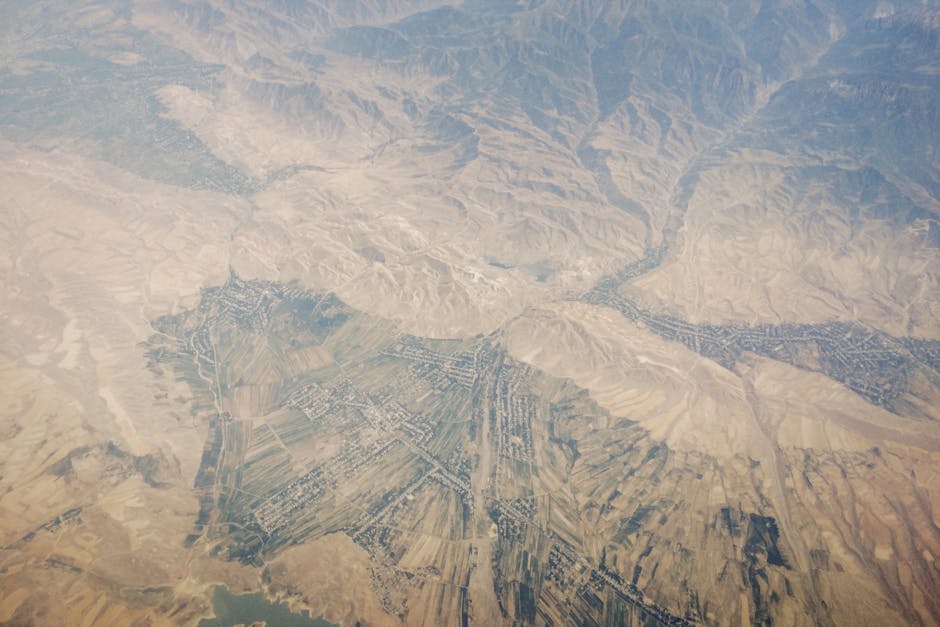
Tajikistan’s Wakhan Valley, Tajikistan: Incredible Silk Road Traces, Epic Vistas & Pamiri Hospitality (2026)
While crowds flock to the Pamir Highway for its high-altitude thrills, Tajikistan’s Wakhan Valley delivers a profound, slow-burn cultural immersion without the convoy of 4x4s. This slender corridor, wedged between Afghanistan’s Hindu Kush to the south and Tajikistan’s Pamir peaks to the north, is a living museum of ancient trade routes and resilient communities. Here, you travel not just through space, but back through a millennium, following the literal footsteps of Marco Polo along the Panj River.
Why Tajikistan’s Wakhan Valley, Tajikistan Stands Out
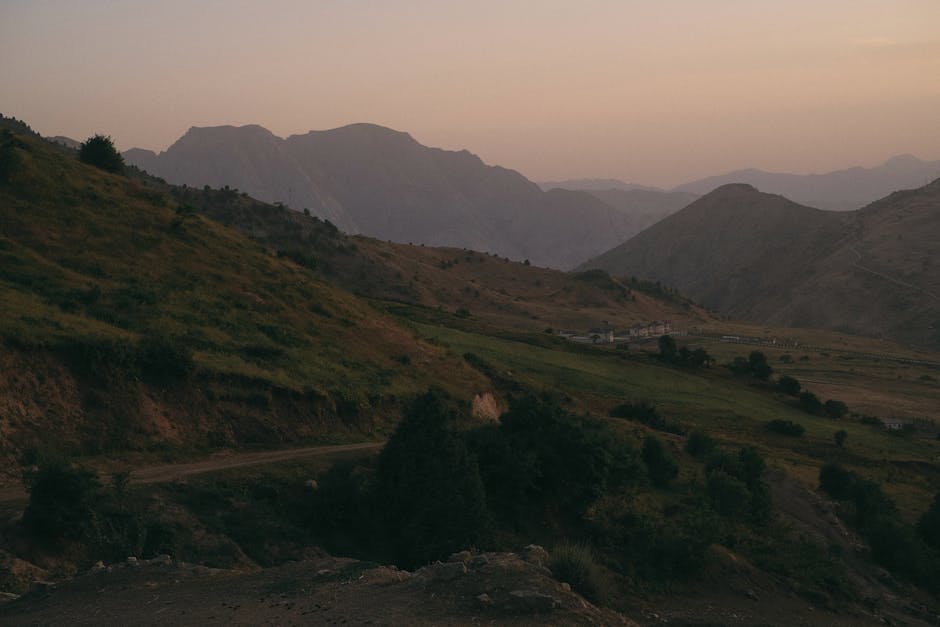
Scenic view of misty mountains and valleys at dawn in Dushanbe, Tajikistan., Tajikistan’s Wakhan Valley, Tajikistan
- Historic Architecture: The 3rd-century Yamchun Fortress, a crumbling mud-brick sentinel, offers commanding views and whispers of Zoroastrian and Silk Road history from its strategic perch.
- Cultural Scene: Sharing a cup of salty butter tea in a traditional Pamiri home, with its symbolic five-pillared roof representing the Ismaili faith, is an intimate cultural exchange you won’t find on any tour.
- Local Specialties: You must try Kurutob, a uniquely Pamiri dish of flaky flatbread soaked in a tangy yogurt sauce and topped with onions, herbs, and sometimes meat.
Pro Tip: The absolute best time for the Wakhan is late May to early October, but aim for September. The summer heat has faded, the apricots are being harvested, and the river is a stunning turquoise, all while the risk of road-blocking snow on the high passes is still minimal.
Map of Tajikistan’s Wakhan Valley, Tajikistan
Use these interactive maps to explore Tajikistan’s Wakhan Valley, Tajikistan and plan your route:
📍 View Tajikistan’s Wakhan Valley, Tajikistan on OpenStreetMap
🗺️ Open Tajikistan’s Wakhan Valley, Tajikistan in Google Maps
Planning Your Trip: Practical Essentials
Getting There and Around
- By Air: All journeys start in Dushanbe (DYU). Fly in via Istanbul, Dubai, or Moscow. From Dushanbe, it’s a 2-day drive. Book flights at Skyscanner for best deals.
- By Train: No rail service exists in the Pamirs. The legendary Pamir Highway is your “track.”
- By Car: A rugged 4×4 with an experienced driver is non-negotiable. The road from Khorog to Langar is rough but passable. Compare car rentals at RentalCars.com for Dushanbe pick-up, but local agencies in Khorog specialize in Pamir vehicles.
- Local Transport: There is no public transport. Travel is by private 4×4, shared jeep (finding one is rare), or bicycle for the extremely hardy.
Best Time to Visit
The Wakhan Valley’s climate is defined by extreme seasons. The narrow window of accessibility is dictated by the high mountain passes you must cross to get there.
| Season | Weather | Highlights |
|---|---|---|
| Summer (Jun–Aug) | Warm in valley (20-30°C), but can be hot. Sunny, clear mountain views. High passes fully open. | Perfect for trekking, all hot springs accessible. Busiest season with other travelers. |
| Winter (Dec–Feb) | Extremely cold (-15 to -30°C). Heavy snow closes the Khorog-Osh road and most passes. Valley floor may be accessible from the south. | Only for extreme adventurers. Stark, silent beauty, but travel is highly unreliable and services closed. |
| Shoulder (May & Sep–Oct) | Pleasant days (10-20°C), cold nights. Risk of late/early snow on passes, especially the 4,655m Khargush Pass. | Best balance. Fewer tourists, golden autumn colors in Sept, lush spring in May. Your best bet for a serene experience. |
Budgeting for Tajikistan’s Wakhan Valley, Tajikistan

Stunning view of a mountain lake surrounded by rugged peaks in Sughd Province, Tajikistan’s Wakhan Valley, Tajikistan
| Category | Budget | Mid-range | Luxury |
|---|---|---|---|
| Accommodation | $10-15 (Homestay) | $15-25 (Better homestay with shower) | $50+ (Expedition-style camp or rare guesthouse) |
| Meals | $5-10 (Homestay meals) | $10-15 (Restaurant in Khorog only) | N/A (Fine dining doesn’t exist here) |
| Transport | $80-100/day (Shared 4×4 cost split 4-ways) | $120-150/day (Private 4×4 & driver split 2-ways) | $200+/day (Sole-use private 4×4 & guide) |
| Activities | Free (Hiking, village walks) | $5-10 (Hot spring entry, small museum fees) | $50+ (Guided multi-day treks) |
| Daily Total | $40-60 (shared) | $80-120 (private) | $250+ (exclusive) |
Top Attractions and Must-See Sights
| Attraction | Description | Hours | Entry Fee |
|---|---|---|---|
| Yamchun Fortress & Bibi Fatima Hot Springs | Explore the ancient fortress ruins, then soak in the legendary gender-segregated stone pools with epic valley views. | Daylight hours | Fortress: Free. Hot Springs: ~$2 |
| Vrang Buddhist Stupas | Climb to these 4th-7th century mud-brick stupas, some of the last Buddhist remnants in the region before Islam. | Daylight hours | Free |
| Petroglyphs at Langar | See over 6,000 ancient rock carvings depicting hunters, animals, and rituals dating back to the Bronze Age. | Daylight hours | ~$3 (Pay to local caretaker) |
| Ishkashim Border Market (Sat AM) | Witness the unique weekly market where Tajiks and Afghans trade across the Panj River, a fascinating cross-cultural spectacle. | Saturday 8am-12pm | Free |
3-Day Itinerary: Tajikistan’s Wakhan Valley, Tajikistan’s Highlights & Hidden Gems
Day 1: Khorog to Yamchun – Fortresses & Thermal Waters
- Morning (7-9 AM): Depart Khorog early after stocking snacks. The 4-hour drive east is stunning, tracing the Afghan border. Stop in Ishkashim to check out the small museum if it’s open.
- Afternoon (12-3 PM): Arrive at Yamchun Fortress. Hike up for 45 minutes for panoramic views. Afterwards, descend to the Bibi Fatima Hot Springs for a therapeutic soak. For lunch, your homestay in Yamchun village will prepare a local meal.
- Evening (6-8 PM): Settle into your family-run homestay. Enjoy a dinner of Osh (plov) and fresh salad, followed by endless green tea and conversation with your hosts about life in the Wakhan.
Day 2: Yamchun to Langar – Stupas & Stars
- Morning (8 AM): Visit the 11th-century Kaahkaha Fortress ruins near Namadgut. Then, drive to Vrang and make the 30-minute climb to the Buddhist stupas (~$2 donation expected). The view of the “Great Bend” in the river is spectacular.
- Afternoon (12-3 PM): Continue to Langar. After checking into a homestay, hire the local caretaker (about $5) to guide you to the best panels of the Langar Petroglyphs. He’ll point out ibex, hunters, and mysterious symbols you’d easily miss.
- Evening (6-8 PM): As darkness falls, step outside. With virtually no light pollution, the Milky Way arches over the Pamir peaks in one of the most brilliant night skies on Earth.
Day 3: Langar & Return – Culture & Community
- Morning (7-9 AM): If it’s a Saturday, drive back to Ishkashim for the border market (leaving Langar by 7 AM). If not, take a peaceful morning walk through Langar’s villages, visiting the small shrine and observing daily life.
- Afternoon (12-3 PM): Begin the return journey to Khorog. Stop for a simple lunch at a chaikhana (teahouse) in Ishkashim, trying mantu (steamed dumplings).
- Evening (6-8 PM): Arrive back in Khorog. Celebrate your journey with a well-earned dinner at Café Lali, one of the town’s best restaurants, for a mix of Tajik and European food.
Cultural Insights & Etiquette
- Language: Tajik (Persian) and Pamiri languages are spoken. Russian is widely understood. Learn: “Salam” (Hello), “Rahmat” (Thank you), “Chand pul?” (How much?).
- Customs: Always remove shoes before entering a home. Accept offers of tea and bread—it’s a sign of respect. When meeting someone, a handshake is common, followed by placing your hand over your heart.
- Tipping: Not expected but deeply appreciated for drivers and homestay families. Round up bills or leave 5-10% for good service. A small gift from your home country for hosts is a lovely gesture.
- Dress Code: Modesty is key, especially for women. Wear long pants or skirts and tops covering shoulders. Men should also avoid shorts in villages.
- Business Hours: Shops keep irregular hours. Government offices typically run 9am-5pm, but close for lunch. Everything slows down or stops on Friday (the holy day for Ismaili Muslims).
Where to Eat: Tajikistan’s Wakhan Valley, Tajikistan’s Best Bites
Dining in the Wakhan means homestay meals. This is not a destination for restaurant-hopping but for authentic, home-cooked Pamiri cuisine prepared with local ingredients. Meals are communal and hearty, designed to fuel a mountain life.
Must-Try Local Specialties
- Kurutob: The iconic dish of the Pamirs. Flaky fatir bread is broken into a bowl, drenched in a tangy sauce made from kurut (dried yogurt balls), and topped with fried onions, herbs, and sometimes meat. It’s a unique texture and flavor.
- Shir Choy: Salted butter tea. It’s an acquired taste—salty, creamy, and warming. Drinking it is a social ritual and a sign of hospitality.
- Pamiri Apricots: In season (late summer), these are arguably the best in the world. Dried, they are a staple snack and sweetener.
Restaurant Recommendations by Budget
| Type | Restaurant | Specialty | Price Range |
|---|---|---|---|
| Budget | Any Village Homestay | Home-cooked Osh (Plov), soups, fresh bread | $5-8 for full dinner |
| Mid-range | Café Lali (Khorog) | Mixed menu: Laghman noodles, grilled trout, pizza | $8-15 per meal |
| Fine dining | N/A | Fine dining does not exist in the Wakhan. The luxury is the experience itself. | N/A |
Where to Stay
Accommodation is almost exclusively in family homestays, which are registered and organized through the community-based tourism network. This is a core part of the experience, offering income directly to locals. Book ahead in peak season through agencies in Dushanbe or Khorog. Compare prices and book at Booking.com for Khorog options only.
Best Villages for Homestays
- Yamchun/Vichkut: Perfect for accessing the fortress and hot springs. Homestays here often have stunning mountain views and very welcoming families.
- Langar: The final major village, ideal for exploring petroglyphs. It has a remote, end-of-the-road atmosphere and fantastic stargazing.
- Ishkashim: A larger settlement, good for a first or last night in the Wakhan. More amenities (basic shops) and a gateway to the Saturday market.
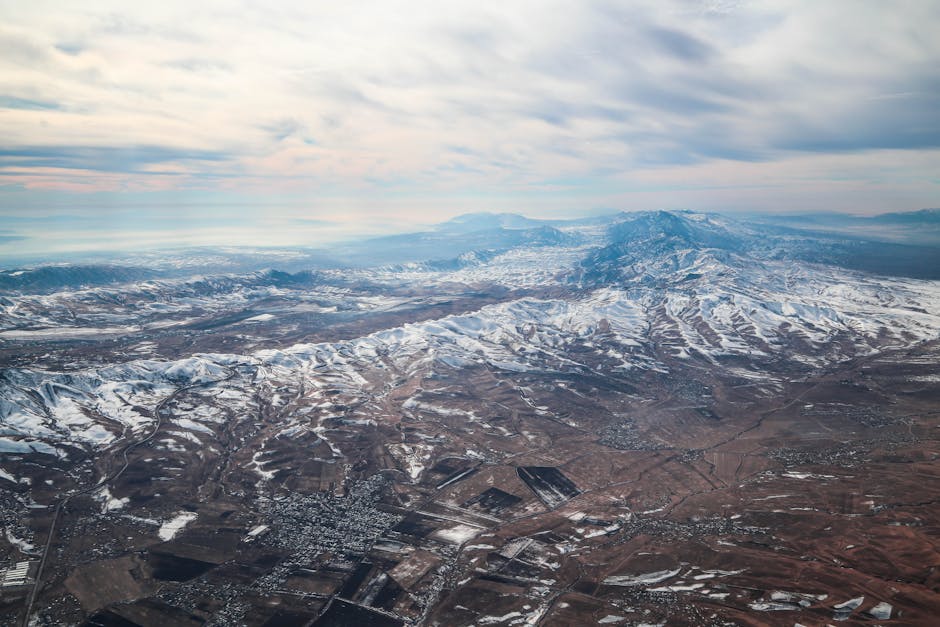
Stunning aerial view of snow-covered mountains and landscape in Tajikistan …, Tajikistan’s Wakhan Valley, Tajikistan
FAQs: Your Tajikistan’s Wakhan Valley, Tajikistan Questions Answered
1. Is Tajikistan’s Wakhan Valley, Tajikistan safe at night?
Yes, the Tajik side of the Wakhan is very safe. Crime is extremely rare. The primary safety concerns are environmental: rough roads, river crossings, and altitude. Always travel with a reliable vehicle and driver. At night, villages are quiet and peaceful.
2. What currency is used and are credit cards accepted?
The Tajik Somoni (TJS) is the currency. Bring ALL the cash you will need for the entire Wakhan trip from Khorog or Dushanbe. There are no ATMs and credit cards are utterly useless in the valley. Have small denominations for homestays, entry fees, and tips.
3. How do I get from the airport to the city center?
From Dushanbe Airport (DYU), a taxi to the city center costs about 60-80 TJS ($6-8) and takes 20-30 minutes. Agree on the price before getting in. For the Wakhan, you need to get to Khorog first, which is a 14-18 hour drive or a short flight on sometimes unreliable small planes. Book airport transfers at GetYourGuide for convenience in Dushanbe.
4. Do I need to speak the local language?
No, but it helps. In homestays, communication is often through gestures, smiles, and basic Russian/Tajik. Your driver will usually act as a translator. Learning a few phrases (hello, thank you, delicious) will earn you huge smiles and goodwill.
5. What’s the appropriate dress code?
Conservative and practical. For everyone: long, loose-fitting pants, T-shirts or shirts covering shoulders. For women, a headscarf is not required but having one to visit shrines or for cooler weather is wise. Sturdy hiking shoes are essential. Pack for all weather—layers are key.
Final Thoughts: Tajikistan’s Wakhan Valley, Tajikistan Awaits
The Wakhan Valley is

