
Tajikistan’s Pamir Highway, Tajikistan: Incredible Peaks, Hospitality & Silk Road History (2026)
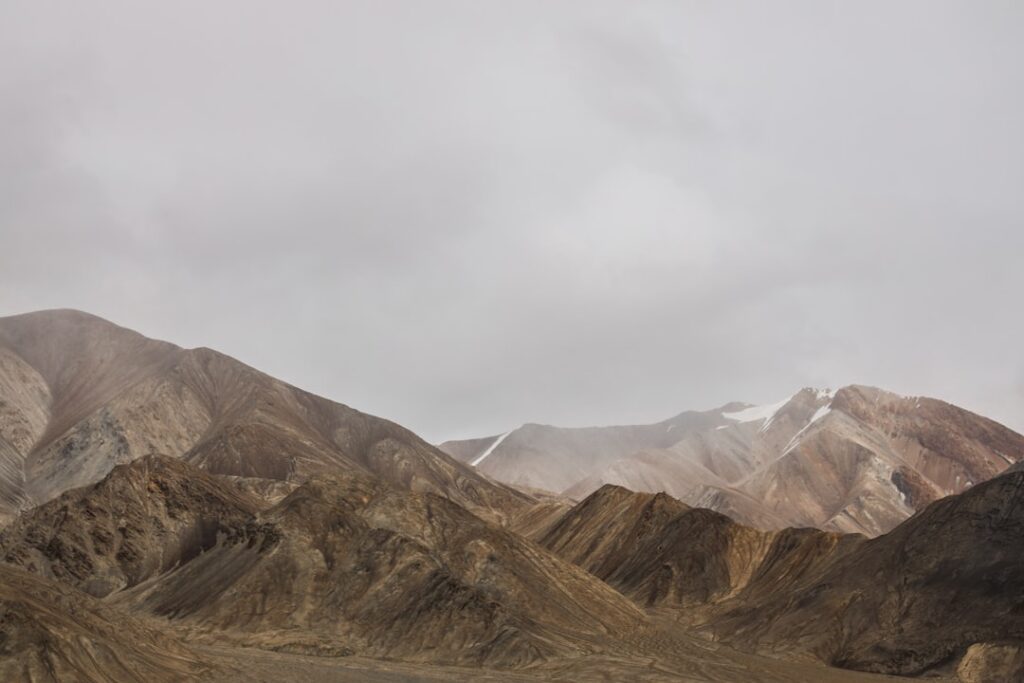
At 4,655 meters above sea level, the Ak-Baital Pass on the Pamir Highway isn’t just a road—it’s a journey across the roof of the world. The thin air hums with silence, broken only by the whistle of wind over ancient, rust-colored peaks. You’re navigating the second-highest international highway on Earth, a 1,200-kilometer ribbon of gravel and asphalt that connects more than just places; it connects you to a raw, untamed landscape where yurts dot valleys and snow leopards still roam free. This is not a destination you simply visit; it’s an expedition you earn.
Why Tajikistan’s Pamir Highway, Tajikistan Stands Out

A view of a mountain range from the top of a hill, Tajikistan’s Pamir Highway, Tajikistan
- Historic Architecture: The 12th-century Yamchun Fortress, perched above the Wakhan Valley, offers silent testament to the region’s strategic importance on the ancient Silk Road.
- Cultural Scene: Sharing a pot of shirchoy (butter tea) with a Pamiri family in their traditional home, with its symbolic five-pillared roof representing the Prophet Muhammad and his family.
- Local Specialties: Qurutob, a uniquely Tajik dish of flatbread soaked in a tangy yogurt sauce and topped with onions and vegetables, best enjoyed communally.
Pro Tip: The absolute best window for travel is from late June to mid-September. July and August offer the most reliable pass conditions, but savvy travelers aim for early September to avoid the slight chance of summer dust storms and enjoy clearer, crisper mountain views with fewer overland groups.
Map of Tajikistan’s Pamir Highway, Tajikistan
Use these interactive maps to explore Tajikistan’s Pamir Highway, Tajikistan and plan your route:
📍 View Tajikistan’s Pamir Highway, Tajikistan on OpenStreetMap
🗺️ Open Tajikistan’s Pamir Highway, Tajikistan in Google Maps
Planning Your Trip: Practical Essentials
Getting There and Around
- By Air: Most journeys start at Dushanbe International Airport (DYU). Fly in via Turkish Airlines, Somon Air, or flyDubai. From Dushanbe, you’ll need a 4×4 vehicle for the highway itself. Book flights at Skyscanner for best deals.
- By Train: Tajikistan’s rail network is limited and doesn’t service the Pamir region. The main line runs from Dushanbe to the north, but for the Pamirs, road is the only option. Reserve tickets for other regional travel at Trainline or the national railway website.
- By Car: A 4×4 vehicle is non-negotiable. The standard route is the M41 from Dushanbe to Khorog, then onto the Pamir Highway proper. Self-driving is for the highly experienced; most travelers hire a driver/guide with a vehicle (like a Russian UAZ or Toyota Land Cruiser). Compare car rentals for Dushanbe exploration at RentalCars.com.
- Local Transport: There is no public transport along the highway. Travel is by private 4×4, shared jeep (which can be arranged in Khorog or Osh, Kyrgyzstan), or for the intrepid, bicycle. Shared jeeps are a budget-friendly but unpredictable option.
Best Time to Visit
The Pamir Highway is a seasonal adventure, entirely dictated by mountain weather. The short summer window is your only realistic chance, as passes are snowed in for much of the year.
| Season | Weather | Highlights |
|---|---|---|
| Summer (Jun–Aug) | Daytime: 15-25°C (59-77°F) in valleys; Nights: 0-10°C (32-50°F); High passes can be near freezing. Mostly dry, but afternoon showers possible. | All passes are open, homestays are operational, and trekking routes are accessible. This is peak season, so book guides/vehicles in advance. |
| Winter (Dec–Feb) | Extremely harsh. Temperatures plummet to -30°C (-22°F) or lower. Heavy snow closes most passes. | Effectively impassable for through travel. Only for extreme adventurers with specialized support. Most homestays are closed. |
| Shoulder (May/Sep–Oct) | Unpredictable. May sees melting snow and possible mud; September is ideal, cool and clear; October brings rapid cooling and early snow risk. | September is golden: fewer travelers, stunning autumn colors in the valleys, and stable weather. Early October is a gamble with pass closures. |
Budgeting for Tajikistan’s Pamir Highway, Tajikistan

A road with a mountain range in the background, Tajikistan’s Pamir Highway, Tajikistan
| Category | Budget | Mid-range | Luxury |
|---|---|---|---|
| Accommodation | $15-25/night (village homestays) | $50-80/night (guesthouses in Khorog) | $100+/night (best hotels in Dushanbe only) |
| Meals | $5-10/day (meals at homestays) | $15-25/day (local cafes & guesthouse meals) | $40+/day (restaurants in Dushanbe) |
| Transport | $25-40/day (shared jeep seat) | $80-120/day (private 4×4 + driver split between 2-3 people) | $150+/day (private vehicle + expert guide) |
| Activities | Free (hiking, hot springs) | $10-20 (museum entries, guided village walks) | $50+ (helicopter tours, specialized treks) |
| Daily Total | $50-80/day | $120-200/day | $300+/day |
Top Attractions and Must-See Sights
| Attraction | Description | Hours | Entry Fee |
|---|---|---|---|
| Ak-Baital Pass | The highest point on the highway at 4,655m, marked by a simple sign and breathtaking, desolate beauty. | 24/7 (weather dependent) | Free |
| Bulunkul & Yashilkul Lakes | Twin alpine lakes near the pass, known for their stark, wind-swept scenery and migratory birdlife. | Daylight hours | Free |
| Yamchun Fortress & Bibi Fatima Hot Springs | Explore the ancient fortress ruins, then soak in the naturally hot, mineral-rich pools carved into the cliffside below. | Fortress: Daylight; Springs: 8 AM-6 PM | Fortress: ~$2; Springs: ~$1 |
| Wakhan Valley & Afghan Border | Drive along the Panj River, with Afghanistan just meters away, observing village life on both sides of this historic divide. | Daylight hours | Free (GBAO Permit required) |
3-Day Itinerary: Tajikistan’s Pamir Highway, Tajikistan’s Highlights & Hidden Gems
Day 1: Khorog to the Wakhan Corridor
- Morning (7-9 AM): Depart Khorog after securing supplies. Your first stop is the Garm Chashma Hot Springs, 55km away. These milky-blue, sulphurous springs are revered for their healing properties.
- Afternoon (12-3 PM): Continue into the Wakhan Valley. Stop for lunch at a homestay in Yamchun village (expect hearty soup and bread). Afterwards, hike up to the imposing Yamchun Fortress for panoramic views, then descend to the Bibi Fatima Hot Springs for a restorative soak.
- Evening (6-8 PM): Settle into a homestay in Langar. Before dinner, visit the nearby field of ancient petroglyphs depicting ibex and hunters, some over 4,000 years old. Dinner will be a homestyle Pamiri meal.
Day 2: High Altitude Desolation
- Morning (7 AM): Early start for the big drive. From Langar, head north towards Bulunkul. The landscape transforms into a Martian-like plateau. Stop at the Khargush Pass (4,344m) for photos.
- Afternoon (1 PM): Arrive at the starkly beautiful Bulunkul Lake, often called the “coldest place in Tajikistan.” Have a simple picnic lunch prepared by your homestay host. Visit the tiny village and see how locals adapt to this extreme environment.
- Evening (5 PM): A short drive to the slightly larger settlement at Alichur. Check into a basic homestay. The evening is for quiet contemplation, star-gazing in the incredibly clear, high-altitude sky, and warming up with plenty of tea.
Day 3: Crossing the Roof of the World
- Morning (8 AM): Depart Alichur for the climax of the journey. You’ll pass the deep blue Yashilkul Lake before beginning the ascent to the legendary Ak-Baital Pass (4,655m). Spend a moment at the summit marker—you’re on top of the highway world.
- Afternoon (12 PM): Descend past the dramatic Kyzyl-Art Pass into Kyrgyzstan (ensure you have visa arrangements). Stop for a late lunch at the simple Karakol Border Post canteen (basic noodles or plov).
- Evening (6 PM): Arrive in Sary-Tash, Kyrgyzstan, a common stopping point. Celebrate your traverse with a well-earned dinner at your guesthouse, sharing stories with other overlanders.
Cultural Insights & Etiquette
- Language: Tajik (a Persian dialect) and Russian are widely spoken. In the Pamirs, many speak Pamiri languages. Learn “Salom” (Hello), “Rahmat” (Thank you), and “Chand pul?” (How much?).
- Customs: Always remove your shoes when entering a home. Hospitality is sacred; accept offers of tea and food. When meeting people, a slight bow with hand over heart is a respectful greeting.
- Tipping: Not traditionally expected, but highly appreciated for good service. For a driver/guide, 5-10% of the total cost is a good guideline. Round up bills at cafes.
- Dress Code: Modesty is key, especially in rural areas. Cover shoulders and knees. For women, loose-fitting trousers and a tunic are perfect. Bring a scarf for visiting homes or religious sites.
- Business Hours: Government offices: 9 AM-5 PM, often closed 1-2 PM for lunch. Shops keep longer hours. Friday is the Muslim holy day, but not a full shutdown. The Navruz holiday in March is a major celebration.
Where to Eat: Tajikistan’s Pamir Highway, Tajikistan’s Best Bites
Dining on the Pamir Highway is about homestay hospitality. You’ll eat what the family cooks, which is an authentic immersion. Meals are carb-heavy to fuel the high-altitude life, centered around bread, rice, noodles, and dairy.
Must-Try Local Specialties
- Plov: The national dish: rice fried with carrots, onions, and chunks of mutton or beef. The best is found in Dushanbe, but homestays serve hearty versions.
- Shirchoy: A Pamiri specialty: green tea brewed with milk, salt, and butter. It’s an acquired taste but a vital source of warmth and calories. Locals swear by it for breakfast.
- Lagman: Hand-pulled noodles served in a savory broth with vegetables and meat. A staple lunch in roadside chaikhanas (teahouses).
Restaurant Recommendations by Budget
| Type | Restaurant | Specialty | Price Range |
|---|---|---|---|
| Budget | Homestay Meals (Throughout the Pamirs) | Home-cooked plov, soups, fresh bread | $5-8 per meal |
| Mid-range | Lal Cafe (Khorog) | Western and local dishes, good coffee, and wifi | $8-15 per meal |
| Fine dining | Novza Restaurant (Dushanbe) | Upscale Tajik cuisine in a beautiful garden setting | $20-40 per meal |
Where to Stay
Accommodation on the highway itself is almost exclusively in family-run homestays—simple, clean rooms with shared facilities, offering an unparalleled cultural experience. In towns like Khorog and Dushanbe, you’ll find guesthouses and hotels. Compare prices and book at Booking.com for hotels or Airbnb for apartments in Dushanbe.
Best Neighborhoods for Accommodation
- Khorog: The capital of the GBAO region and the gateway to the Pamirs. It has the best selection of guesthouses, shops, and amenities. Ideal for stocking up and arranging last-minute logistics.
- Wakhan Valley Villages (Langar, Yamchun): For deep cultural immersion. Homestays here often have the most stunning settings, with views of the Hindu Kush and direct access to historical sites.
- Dushanbe (Rudaki Ave area): For pre- or post-trip comfort. You’ll find the nation’s best hotels, restaurants, and embassies here. It’s a world away from the ruggedness of the mountains.

2 people walking on green grass field near gray mountain during daytime, Tajikistan’s Pamir Highway, Tajikistan
FAQs: Your Tajikistan’s Pamir Highway, Tajikistan Questions Answered
1. Is Tajikistan’s Pamir Highway, Tajikistan safe at night?
Generally, yes, in terms of crime. The primary safety concerns are environmental: high altitude, extreme weather, and rough road conditions. You should not drive at night due to poor visibility, unmarked hazards, and livestock on the road. Always travel with a reliable vehicle, warm clothing, and extra supplies.
2. What currency is used and are credit cards accepted?
The Tajik Somoni (TJS) is the currency. Cash is king, especially on the Pamir Highway. Bring enough US dollars or Euros in crisp, unmarked bills to exchange in Dushanbe or Khorog. Credit cards are only accepted at a few high-end hotels in Dushanbe. ATMs exist in Dushanbe and Khorog but are unreliable elsewhere.

