
Tahoua, Niger’s Hidden Salt, Saffron & Saharan Soul (2026)
Sunset in Tahoua reveals a city painted in ochre and gold, where the air carries the scent of woodsmoke and slow-cooked millet. As the call to prayer echoes from the Grand Mosque, you’ll see Tuareg traders in indigo robes and Hausa artisans closing their workshops for the day. This is the authentic, beating heart of central Niger, a crucial crossroads on ancient trans-Saharan routes where fewer than 500 international tourists venture annually, yet where hospitality is a centuries-old tradition.
Why Tahoua, Niger Stands Out

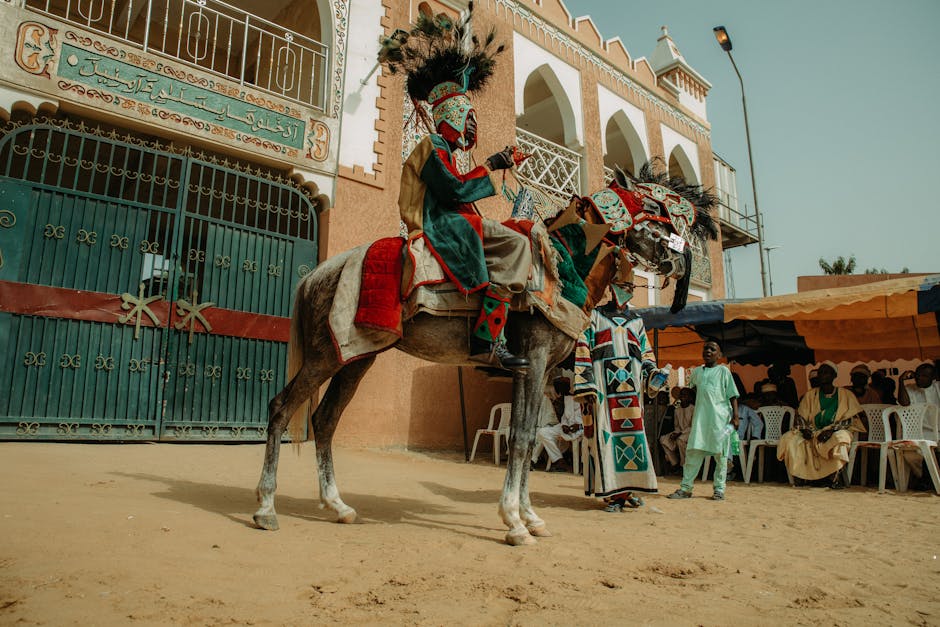
A modern, colorful arena in Niger with a vast sand floor, ideal for events., Tahoua, Niger
- Historic Architecture: The 19th-century Sultan’s Palace (Gidan Sarki), a striking example of Sudano-Sahelian mudbrick architecture, stands as a testament to the city’s role as a historic sultanate capital.
- Cultural Scene: The annual Cure Salée, or “Salt Cure,” festival in nearby Ingall, where thousands of Wodaabe (Bororo) Fulani nomads gather for the Gerewol courtship ritual, a mesmerizing display of song, dance, and elaborate adornment.
- Local Specialties: Tchoukou, a hard, smoked cheese made by Fulani herders, often grated over millet dishes or enjoyed as a savory, portable snack.
Pro Tip: Plan your visit for late September to coincide with the Cure Salée festival, but book accommodations in Tahoua months in advance, as Ingall’s camps fill quickly. The best time of day to explore the city is early morning (6-9 AM) before the Saharan heat peaks.
Map of Tahoua, Niger
Use these interactive maps to explore Tahoua, Niger and plan your route:
📍 View Tahoua, Niger on OpenStreetMap
🗺️ Open Tahoua, Niger in Google Maps
Planning Your Trip: Practical Essentials
Getting There and Around
- By Air: The nearest major airport is Diori Hamani International (NIM) in Niamey, 350km southwest. From Niamey, you’ll need to travel overland. Book flights at Skyscanner for best deals.
- By Train: There is no passenger rail service to Tahoua. The major overland connection is by road from Niamey or Agadez.
- By Car: The RN25 highway connects Niamey to Tahoua (5-7 hour drive). A 4×4 is recommended, especially if venturing to rural areas. Hiring a car with a local driver is your safest, most reliable option. Compare car rentals at RentalCars.com for Niamey pick-up.
- Local Transport: Within the city, motorcycle taxis (“kabu-kabu”) are ubiquitous and cost 200-500 XOF ($0.30-$0.80) per short trip. Shared minibuses (“bush taxis”) connect major points but have no fixed schedule.
Best Time to Visit
Tahoua experiences a hot desert climate. The key to a comfortable visit is timing your trip to avoid the extreme heat while catching unique cultural events.
| Season | Weather | Highlights |
|---|---|---|
| Hot Season (Mar–Jun) | Extremely hot, 35°C–45°C (95°F–113°F), dry and dusty. | Challenging for travel; most outdoor activities are best done at dawn. |
| Rainy Season (Jul–Sep) | Hot but slightly cooler, 25°C–35°C (77°F–95°F), with sporadic, short rains. | Lush landscapes, the Cure Salée festival (Sept), and vibrant local life. |
| Cool Season (Oct–Feb) | Pleasant and dry, 15°C–30°C (59°F–86°F), cool nights. | The ideal time for exploration, desert trips, and comfortable city walking. |
Budgeting for Tahoua, Niger
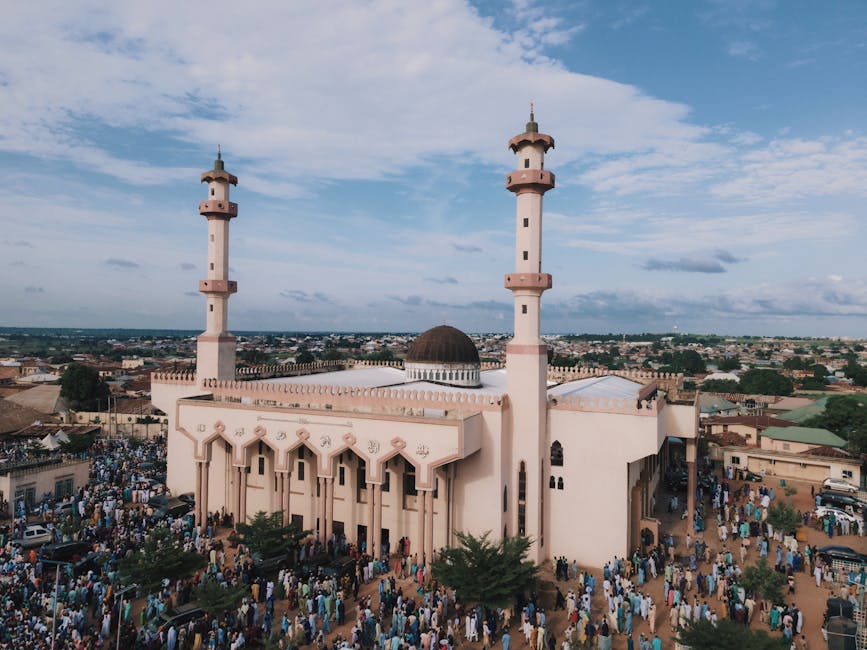
Stunning aerial photograph of a bustling mosque in Nigeria, Tahoua, Niger
| Category | Budget | Mid-range | Luxury |
|---|---|---|---|
| Accommodation | 8,000-15,000 XOF ($13-$25) for a basic auberge | 25,000-40,000 XOF ($41-$66) for a decent hotel with A/C | 50,000+ XOF ($83+) for the best available lodges |
| Meals | 1,500-3,000 XOF ($2.50-$5) for street food/market meals | 4,000-7,000 XOF ($7-$12) for a restaurant meal | 10,000+ XOF ($17+) for hotel restaurant dining |
| Transport | 500 XOF ($0.80) per motorcycle taxi ride | 15,000-25,000 XOF ($25-$41) per day for a hired car/driver | 40,000+ XOF ($66+) for private 4×4 with guide |
| Activities | Free (market visits, city walks) | 5,000-10,000 XOF ($8-$17) for guided tours/entrance fees | 20,000+ XOF ($33+) for exclusive cultural experiences |
| Daily Total | 10,000-20,000 XOF ($17-$33) | 50,000-80,000 XOF ($83-$133) | 120,000+ XOF ($200+) |
Top Attractions and Must-See Sights
| Attraction | Description | Hours | Entry Fee |
|---|---|---|---|
| The Grand Marché | A sprawling sensory feast where you can find everything from hand-woven mats and Tuareg silver to sacks of salt and vibrant spices. | 7 AM – 6 PM (closed Fridays 12-2 PM) | Free |
| Sultan’s Palace (Gidan Sarki) | The historic seat of the Tahoua sultanate, featuring iconic pointed turrets and intricate mudbrick facades—best viewed from the outside with respect. | Exterior view only; request permission for closer look. | Negotiable small tip to guardian |
| Artisanal Center | Watch master leatherworkers, jewelers, and weavers create traditional crafts, and purchase directly from the artisans. | 8 AM – 5 PM, Mon-Sat | Free |
| Tagazar Plateau Excursion | A stunning geological formation about 60km north, offering breathtaking views over the arid plains and a glimpse of nomadic life. | Day trip (best early AM) | Requires guide & 4×4 (~25,000 XOF/$41) |
3-Day Itinerary: Tahoua, Niger’s Highlights & Hidden Gems
Day 1: Immersion in the Saharan Crossroads
- Morning (7-9 AM): Start at the bustling Grand Marché. Head to the spice section first to see sacks of saffron and dried peppers. Your best bet is to go with a local guide who can explain the uses of different goods.
- Afternoon (12-3 PM): Visit the Artisanal Center to see crafts being made. For lunch, find a small *maquis* (local eatery) near the market serving riz sauce (rice with a rich peanut or tomato-based sauce) for about 1,500 XOF.
- Evening (6-8 PM): Take a walk to view the exterior of the Sultan’s Palace in the golden hour light. Enjoy dinner at your hotel or a recommended restaurant like Le Sahelien, trying brochettes (grilled meat skewers) with fried plantains.
Day 2: Culture & Craftsmanship
- Morning (8 AM): Arrange a visit to a local tannery (ask your hotel to organize) to see the traditional process of treating goat and sheep skins. A small contribution of 2,000-3,000 XOF for the craftsmen is appropriate.
- Afternoon (1 PM): Explore the smaller neighborhood markets. Seek out a vendor selling Tchoukou cheese to taste this unique local specialty. For lunch, try foufou (pounded millet or yam) with okra soup at a family-run spot.
- Evening (5 PM): Drive to a vantage point on the city’s outskirts to watch the sunset over the Sahelian landscape. Later, if available, ask about any traditional music or storytelling gatherings; these are often spontaneous but deeply rewarding.
Day 3: Beyond the City Limits
- Morning (6 AM): Depart early for a day trip to the Tagazar Plateau. The journey by hired 4×4 (approx. 25,000 XOF for the day) takes about 1.5 hours. The highlight is the panoramic view and the sense of vast, silent space.
- Afternoon (12 PM): Enjoy a picnic lunch (pack from your hotel) on the plateau. On the return journey, stop at a nomadic encampment (always approach with respect and a guide; a gift of sugar or tea is customary).
- Evening (7 PM): Return to Tahoua for a final dinner. Seek out dambun nama (spiced shredded meat) served with tuwo
Cultural Insights & Etiquette
- Language: French is the official language; Hausa is widely spoken. Key phrases: “Sannu” (Hello in Hausa), “Na gode” (Thank you), “Ina kwana?” (How did you sleep?).
- Customs: Greetings are essential and lengthy. Always use your right hand for eating, greeting, and exchanging items. It is polite to accept at least a small offering of tea if invited.
- Tipping: Not widely expected but appreciated for good service. Round up taxi fares, and 500-1,000 XOF is suitable for guides or restaurant staff.
- Dress Code: Modesty is key. Wear loose-fitting clothing that covers shoulders and knees. For women, a long skirt or loose trousers and a top with sleeves are ideal.
- Business Hours: Generally 8 AM to 12:30 PM and 3:30 PM to 6 PM, Sunday-Thursday. Friday is the Muslim day of prayer, so many businesses close between 12 PM and 2 PM.
Where to Eat: Tahoua, Niger’s Best Bites
Dining in Tahoua is a humble, communal affair centered around shared bowls of hearty staples. You’ll find exceptional flavor in the simple, locally-sourced ingredients. Most eating happens at small *maquis* or from street vendors at the market.
Must-Try Local Specialties
- Tchoukou: This hard, smoky cheese made from cow or goat milk is a Fulani specialty. Break off a piece to eat alone or grate it over millet dishes. Find it at the market or from herders on the city outskirts.
- Miyan Taushe: A rich, savory pumpkin seed soup typically served with *tuwo* (swallow). It’s a festive dish often prepared for guests. The best versions are homemade, but some *maquis* serve it on weekends.
- Hura da Shinkafa: A comforting porridge of rice and beans, often eaten for breakfast. Look for it at the market in the early morning, served steaming from large pots for about 300 XOF.
Restaurant Recommendations by Budget
| Type | Restaurant | Specialty | Price Range |
|---|---|---|---|
| Budget | Market Stalls (Grand Marché) | Riz sauce, brochettes, bean cakes | 300-1,500 XOF ($0.50-$2.50) |
| Mid-range | Le Sahelien (near main roundabout) | Grilled fish, chicken, and standard plat du jour | 3,000-6,000 XOF ($5-$10) |
| Fine dining | Hotel Restaurant de l’Air (in hotel) | The most varied menu in town, often with French-influenced dishes | 7,000-12,000 XOF ($12-$20) |
Where to Stay
Accommodation in Tahoua is functional rather than luxurious. The focus is on clean rooms, fans or air conditioning, and secure parking. Most hotels are centrally located. Compare prices and book at Booking.com for some options, but many smaller places require direct contact or on-the-spot booking.
Best Neighborhoods for Accommodation
- City Centre (around Grand Marché): The most convenient location for exploring on foot and feeling the city’s pulse. It can be noisy and bustling. Best for independent, budget-minded travelers.
- Along the RN25 Highway: Several larger hotels are situated here, offering more space and easier parking for those with vehicles. It’s a bit removed from the core but offers quiet and reliability. Ideal for overlanders and those with hired drivers.
- Residential Quarters (e.g., Sabon Gari): A more local experience, but guesthouses here are rare. This area suits travelers seeking a very immersive, long-term stay who have local contacts.

Majestic Zuma Rock towering over a peaceful village in Nigeria, Tahoua, Niger
FAQs: Your Tahoua, Niger Questions Answered
1. Is Tahoua, Niger safe at night?
Travelers often discover that Tahoua is generally peaceful. However, it’s advised to avoid walking alone at night in poorly lit areas. Use a trusted motorcycle taxi for evening transport. Always follow local advice and current travel advisories from your government, as the security situation in the wider Sahel region can be volatile.
2. What currency is used and are credit cards accepted?
The West African CFA Franc (XOF) is the currency. Cash is king in Tahoua. Credit cards are virtually never accepted outside of possibly the largest hotel. Bring enough CFA francs in smaller denominations from Niamey, as ATMs in Tahoua are unreliable for international cards.
3. How do I get from the airport to the city center?
As you’ll arrive via Niamey, the overland journey is the key leg. From Niamey, your best bet is to pre-arrange a private car with a driver (approx. 60,000-80,000 XOF/$100-$133 one way) for the 5-7 hour trip. Shared taxis and buses also run but are less comfortable and predictable. Book airport transfers at GetYourGuide for Niamey arrivals.

