
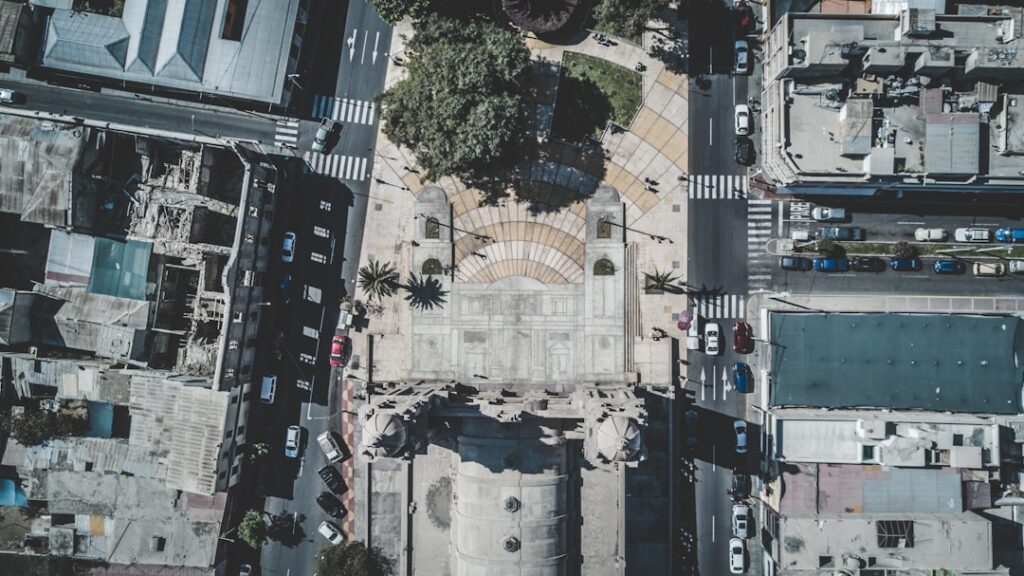
Tacna, Peru’s Ultimate Cross-Border Charm, Heroic History & Volcanic Vistas (2025)
While crowds flock to Arequipa for its colonial center, Tacna, Peru delivers a potent blend of living history and cross-border energy without the tourist queues. This is the nation’s “Heroic City,” where the final chapter of the War of the Pacific was written, and today you can feel that patriotic pulse in its monuments and museums. Your best bet is to start at the Arco Parabólico at sunset, where the sky ignites behind the bronze figures of Admiral Grau and Colonel Bolognesi, and the scent of roasting coffee from nearby cafés fills the air.
Why Tacna, Peru Stands Out
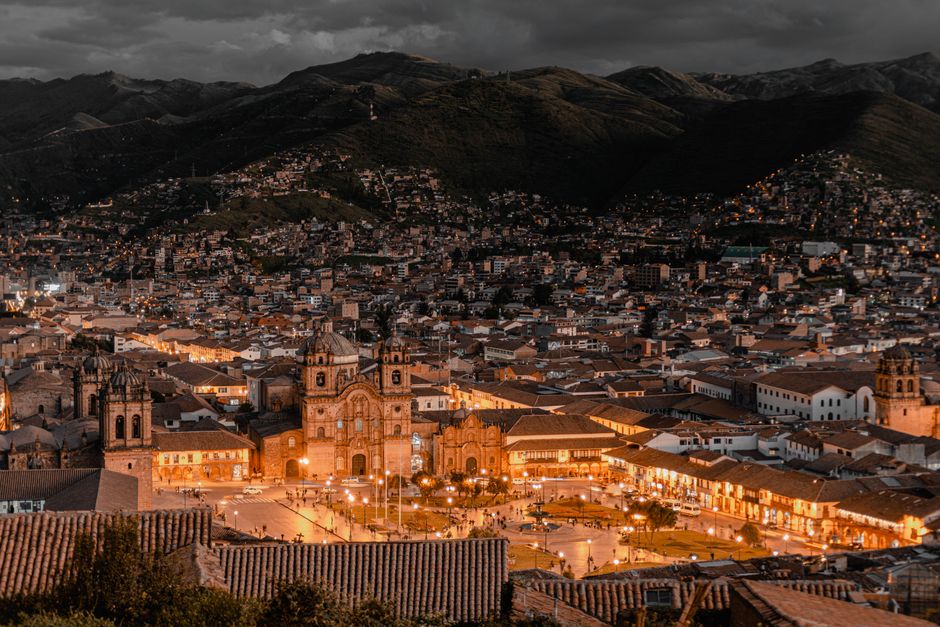
Aerial view of Cusco, Tacna, Peru
- Historic Architecture: The neo-Renaissance Tacna Cathedral, designed by Gustave Eiffel’s firm and completed in 1875, is a stunning symbol of the city’s resilience and rebirth.
- Cultural Scene: The vibrant Feria Internacional de Tacna (International Fair) each September transforms the city with parades, agricultural shows, and cross-border commerce from Chile and Bolivia.
- Local Specialties: You must try a plate of picante a la tacneña, a rich, spicy stew of beef tripe and potatoes that is the city’s beloved culinary signature.
Pro Tip: For the best experience, visit during the shoulder months of April-May or September-October. The weather is mild, the famous fair is in full swing in September, and you’ll avoid the peak summer (June-August) crowds that come for the patriotic holidays.
Map of Tacna, Peru
Use these interactive maps to explore Tacna, Peru and plan your route:
📍 View Tacna, Peru on OpenStreetMap
🗺️ Open Tacna, Peru in Google Maps
Planning Your Trip: Practical Essentials
Getting There and Around
- By Air: Tacna International Airport (TCQ) receives daily flights from Lima via LATAM and Sky Airline. A taxi to the city center costs about 15-20 soles ($4-5 USD) and takes 15 minutes. Book flights at Skyscanner for best deals.
- By Train: The historic Tacna-Arica train is a scenic 62km journey to the Chilean coast. It runs limited days; check with Ferrocarril Tacna-Arica. The trip takes about 1.5 hours and is more a cultural experience than a practical transport link.
- By Car: The Pan-American Highway connects Tacna to Lima (1,293km south). Driving offers freedom to explore nearby valleys. Parking is generally easy in the city center. Compare car rentals at RentalCars.com.
- Local Transport: Colectivos (shared taxis) are the most common and affordable way to get around, with fixed routes for about 2-3 soles. Taxis are plentiful and inexpensive; always agree on a fare (8-15 soles within the city) before getting in.
Best Time to Visit
Tacna enjoys a mild desert climate year-round, but the timing of your visit shapes the experience. The city is at its most vibrant during patriotic holidays and the international fair, while shoulder seasons offer quieter exploration.
| Season | Weather | Highlights |
|---|---|---|
| Summer (Jun–Aug) | Sunny, mild (60-75°F / 16-24°C), almost no rain | Patriotic festivities for Flag Day (June 7) and Tacna’s Redeemption (August 28); busier with domestic tourists. |
| Winter (Dec–Feb) | Cooler mornings, pleasant afternoons (55-70°F / 13-21°C) | Quieter atmosphere, perfect for museum-hopping and cafe culture; great for travelers seeking solitude. |
| Shoulder (Apr–May/Sep–Oct) | Ideal temperatures (65-78°F / 18-26°C), clear skies | Best overall conditions. September hosts the massive Feria Internacional, a unique cultural and commercial spectacle. |
Budgeting for Tacna, Peru

Aerial view of the historic urban landscape in Lima, Tacna, Peru
| Category | Budget | Mid-range | Luxury |
|---|---|---|---|
| Accommodation | Hostel: 40-70 PEN ($10-18 USD) | 3-star hotel: 120-200 PEN ($31-52 USD) | 5-star hotel: 350+ PEN ($90+ USD) |
| Meals | Market/street food: 8-15 PEN ($2-4 USD) | Local restaurant: 25-45 PEN ($6-12 USD) | Fine dining: 80+ PEN ($21+ USD) |
| Transport | Colectivos: 2-3 PEN ($0.50-0.80 USD) | Taxis: 8-15 PEN ($2-4 USD) per ride | Private driver: 80+ PEN ($21+ USD)/half-day |
| Activities | Free plazas, museums: 0-10 PEN ($0-2.60 USD) | Guided tours, hot springs: 30-80 PEN ($8-21 USD) | Private vineyard tours: 150+ PEN ($39+ USD) |
| Daily Total | 80-120 PEN ($21-31 USD) | 200-350 PEN ($52-91 USD) | 600+ PEN ($156+ USD) |
Top Attractions and Must-See Sights
| Attraction | Description | Hours | Entry Fee |
|---|---|---|---|
| Paseo Cívico & Arco Parabólico | The city’s monumental heart, flanked by the cathedral and bronze heroes, perfect for evening strolls. | 24/7 (monuments lit at night) | Free |
| Casa de la Cultura (Zela Museum) | Housed in a colonial mansion, it showcases regional archaeology and the history of Francisco Antonio de Zela’s 1811 uprising. | Mon-Sat 9am-5pm | 5 PEN ($1.30 USD) |
| Museo Histórico Regional | Located in the former railway station, it tells the poignant story of the War of the Pacific and Tacna’s 50-year Chilean occupation. | Tue-Sun 9am-5pm | 5 PEN ($1.30 USD) |
| Miculla Archaeological Park | An open-air museum with over 1,500 ancient petroglyphs etched into desert hills, a 30-minute drive from the city. | 8am-5pm daily | 10 PEN ($2.60 USD) |
3-Day Itinerary: Tacna, Peru’s Highlights & Hidden Gems
Day 1: Civic Pride & Historic Core
- Morning (7-9 AM): Start with a quiet walk around the Paseo Cívico. Admire the Tacna Cathedral before the crowds arrive and see the eternal flame at the Alto de la Alianza monument, honoring the 1880 battle. Your best bet is to go early for the best light and atmosphere.
- Afternoon (12-3 PM): Dive into history at the Museo Histórico Regional. Afterwards, head to Restaurant Don Pancho on San Martín street for a hearty lunch of picante a la tacneña (around 35 PEN / $9 USD).
- Evening (6-8 PM): Return to the Paseo Cívico to see the Arco Parabólico illuminated. Enjoy a relaxed dinner at La Casona del Pisco for excellent local cuisine and, of course, a tasting of Peru’s famous grape brandy.
Day 2: Petroglyphs & Thermal Relaxation
- Morning (8 AM): Take a taxi or join a tour (approx. 50-80 PEN / $13-21 USD) to the Miculla Archaeological Park. Spend 2-3 hours exploring the mysterious rock carvings depicting hunters, dancers, and celestial bodies. Bring water, a hat, and sunscreen.
- Afternoon (1 PM): Head to the Calientes de Calientes hot springs, located further north. The complex has multiple pools; entry is about 15 PEN ($4 USD). Soak in the mineral-rich waters with a view of the arid landscape.
- Evening (7 PM): Back in Tacna, enjoy a casual dinner at a picantería. Locals recommend Picantería La Huerta for authentic, spicy regional dishes in a lively, family-run setting.
Day 3: Valleys, Vineyards & Cross-Border Glimpses
- Morning (9 AM): Hire a taxi for the day (approx. 150 PEN / $39 USD) to explore the Calana and Pachía valleys. Visit local vineyards and bodegas producing pisco and wine. Bodega El Triunfo often offers informal tastings.
- Afternoon (1 PM): Have lunch in the verdant Pachía valley at a countryside restaurant like El Mirador de Pachía, known for its trout and stunning views.
- Evening (5 PM): For a unique experience, savvy travelers sometimes take a short taxi ride to the border complex with Chile. You can’t cross without documents, but the buzz of international trade is fascinating. Return to Tacna for a farewell coffee at one of the classic cafés on the Plaza de Armas.
Cultural Insights & Etiquette
- Language: Spanish is essential. Basic phrases like “Buenos días” (Good morning), “Gracias” (Thank you), and “¿Cuánto cuesta?” (How much?) go a long way. English is not widely spoken outside major hotels.
- Customs: Tacna is a patriotic city. Show respect for national symbols, especially during ceremonies at the Paseo Cívico. A friendly and formal demeanor is appreciated in initial interactions.
- Tipping: A 10% tip is customary in sit-down restaurants if service isn’t included. For taxi drivers, rounding up the fare is sufficient. Tour guides appreciate 10-20 PEN ($2.60-5 USD) for a half-day tour.
- Dress Code: Casual but neat attire is fine. Pack layers for cool mornings and evenings. If visiting churches, modest dress (covering shoulders and knees) is respectful.
- Business Hours: Shops typically open 9am-1pm and 4pm-8pm. Many close on Sundays. Banks are open 9am-5:30pm on weekdays. Major national holidays see widespread closures.
Where to Eat: Tacna, Peru’s Best Bites
Tacneño cuisine is a highlight, defined by robust flavors, excellent olive oil from local groves, and a love for spicy stews. The dining scene is authentic and centered around family-run picanterías and classic cafés that have been institutions for decades.
Must-Try Local Specialties
- Picante a la Tacneña: The iconic dish: a spicy, rich stew made with beef tripe, potatoes, peanuts, and aji peppers. Find it at any traditional picantería like Don Pancho or Picantería La Huerta.
- Choclo con Queso: Simple but sublime: giant-kernel Peruvian corn served with a slice of fresh local cheese. Best enjoyed as a snack from street vendors or in the market.
- Pisco Tacneño: The region produces some of Peru’s finest pisco. Don’t miss a tasting or a classic Pisco Sour at bars like La Casona del Pisco or historic Café 1900.
Restaurant Recommendations by Budget
| Type | Restaurant | Specialty | Price Range |
|---|---|---|---|
| Budget | Mercado Central de Tacna (Central Market) | Fresh, cheap menú del día lunches, fresh juices, and local snacks. | 8-15 PEN ($2-4 USD) |
| Mid-range | Restaurant Don Pancho (San Martín 574) | The definitive place for picante a la tacneña in a classic setting. | 30-50 PEN ($8-13 USD) |
| Fine dining | Restaurant La Casona del Pisco (Arias Aragüez 542) | Elevated Peruvian classics, an extensive pisco list, and elegant courtyard seating. | 70-120 PEN ($18-31 USD) |
Where to Stay
Most accommodations are conveniently clustered near the city center (Centro), close to the main sights and restaurants. For a quieter stay, look towards the residential areas near the airport. Compare prices and book at Booking.com or Airbnb for apartments.
Best Neighborhoods for Accommodation
- Centro Histórico: The heart of the action, steps from the Paseo Cívico, museums, and top restaurants. Can be noisy at night; ideal for first-time visitors who want to walk everywhere.
- Barrio Aeropuerto: A modern, quieter area near the airport with newer business hotels, supermarkets, and easy taxi access to downtown (10-minute ride). Suits travelers with early flights or those preferring quieter nights.
- Residential Areas (e.g., Coronel Gregorio Albarracín): Offers a more local feel with guesthouses and mid-range hotels. You’ll find more neighborhood eateries and a slightly longer (15-minute) but pleasant walk to the center.

A vibrant religious procession in Tapo, Tacna, Peru
FAQs: Your Tacna, Peru Questions Answered
1. Is Tacna, Peru safe at night?
The city center is generally safe for travelers at night, especially around the well-lit Paseo Cívico. As always, exercise standard precautions: be aware of your surroundings, don’t flash valuables, and use official taxis rather than walking alone in unfamiliar, poorly lit areas late at night.
2. What currency is used and are credit cards accepted?
The Peruvian Sol (PEN) is the currency. While credit cards (Visa/Mastercard) are accepted in hotels, nicer restaurants, and larger stores, cash is king in markets, taxis, and smaller establishments. Your best bet is to carry a mix of cash and cards. ATMs are widely available.
3. How do I get from the airport to the city center?
Tacna’s airport is very close to the city. Official airport taxis have a fixed rate of about 15-20 soles ($4-5 USD)

