
Suwon, South Korea’s Hidden UNESCO Fortresses, Royal Cuisine & Tech Hub Energy (2026)
Ask locals about Suwon, South Korea, and they’ll tell you about the city’s dual soul: a 600-year-old fortress wall that you can walk in its entirety, encircling a vibrant, modern city that’s home to Samsung’s global headquarters. Most guidebooks miss this completely, focusing only on the history. But here, you’ll find Joseon Dynasty archers practicing near smartphone factories, and the birthplace of Korea’s most famous beef dish served in alleyways buzzing with young tech talent. This unique fusion of preserved past and dynamic present is what makes Suwon a revelation.
Why Suwon, South Korea Stands Out

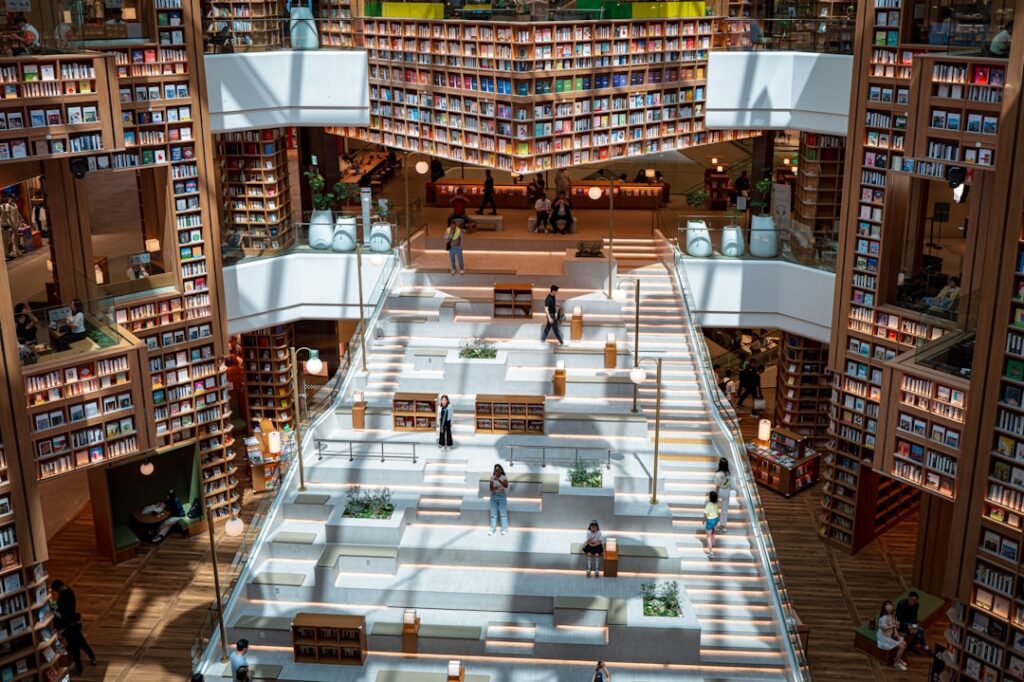
A large room filled with lots of books, Suwon, South Korea
- Historic Architecture: Hwaseong Fortress, a UNESCO World Heritage site built from 1794-1796, is a masterpiece of military engineering with its 5.7km-long wall, four grand gates, and unique defensive structures.
- Cultural Scene: The Suwon Hwaseong Cultural Festival, held each autumn, features a spectacular reenactment of King Jeongjo’s royal procession with over 1,000 participants in traditional costume.
- Local Specialties: Suwon is the undisputed home of *galbi* (marinated beef short ribs), where the dish was perfected and is grilled to smoky perfection over charcoal.
Pro Tip: To experience Hwaseong Fortress without the crowds, arrive at Paldalmun Gate by 8:30 AM on a weekday. You’ll have the serene wall walk mostly to yourself, and the morning light is perfect for photography. Avoid weekends, when it becomes a popular spot for local families.
Map of Suwon, South Korea
Use these interactive maps to explore Suwon, South Korea and plan your route:
📍 View Suwon, South Korea on OpenStreetMap
🗺️ Open Suwon, South Korea in Google Maps
Planning Your Trip: Practical Essentials
Getting There and Around
- By Air: Incheon International Airport (ICN) is the main gateway. From there, take the AREX all-stop train to Seoul Station (approx. 60 mins, ₩5,000), then transfer to the Seoul Metro Line 1 (dark blue) directly to Suwon Station (approx. 50 mins, ₩1,550). Book flights at Skyscanner for best deals.
- By Train: From Seoul, KTX high-speed trains reach Suwon Station in just 25 minutes. Regular ITX and Mugunghwa trains take 30-50 minutes and are more economical. Reserve tickets at Trainline or the national railway website.
- By Car: Driving from Seoul takes about 1 hour via the Gyeongbu Expressway. Parking in central Suwon can be challenging and expensive. Compare car rentals at RentalCars.com.
- Local Transport: Suwon’s efficient bus system covers the entire city (base fare ₩1,300). The Suwon City Tour Bus is a fantastic hop-on, hop-off option that loops all major sights (₩5,000 for a day pass). Taxis are plentiful and affordable; a cross-town ride rarely exceeds ₩10,000.
Best Time to Visit
Suwon shines in the shoulder seasons when the weather is mild and the fortress grounds are lush or beautifully autumnal. Summer can be hot and humid, while winter is cold but offers a stark, beautiful atmosphere at the fortress with fewer visitors.
| Season | Weather | Highlights |
|---|---|---|
| Summer (Jun–Aug) | Hot & humid, 23–30°C (73–86°F), monsoon rains in July | Lush greenery at the fortress; vibrant night markets. Can be crowded and sticky. |
| Winter (Dec–Feb) | Cold & dry, -5–5°C (23–41°F), occasional snow | Magical, quiet walks on the fortress wall with frosty views. Pack warm layers. |
| Shoulder (Apr–May/Sep–Oct) | Mild & pleasant, 10–22°C (50–72°F) | Ideal for walking the fortress wall. Spring cherry blossoms and fall foliage are spectacular. |
Budgeting for Suwon, South Korea

Two white small-beaked birds on body of water, Suwon, South Korea
| Category | Budget | Mid-range | Luxury |
|---|---|---|---|
| Accommodation | Hostel/Guesthouse: ₩25,000-₩50,000 | Business Hotel: ₩80,000-₩120,000 | 4-5 Star Hotel: ₩180,000+ |
| Meals | Street food/Market meals: ₩5,000-₩10,000 | Local restaurant/galbi meal: ₩15,000-₩25,000 | Fine dining course: ₩60,000+ |
| Transport | Bus/Metro only: ₩5,000/day | Mix of metro & taxis: ₩15,000/day | Private driver/tours: ₩80,000+ |
| Activities | Fortress walk, markets (Free-₩2,000) | Museums, tour bus (₩3,000-₩10,000) | Private cultural workshops (₩50,000+) |
| Daily Total | ₩35,000-₩65,000 | ₩110,000-₩160,000 | ₩300,000+ |
Top Attractions and Must-See Sights
| Attraction | Description | Hours | Entry Fee |
|---|---|---|---|
| Hwaseong Fortress | A stunning 5.7km UNESCO-listed wall with pavilions, gates, and command posts offering panoramic city views. | 9:00 AM – 6:00 PM (varies by season) | ₩1,500 (Adults) |
| Hwaseong Haenggung Palace | The king’s temporary palace during visits, featuring elegant architecture and historical reenactments. | 9:00 AM – 6:00 PM | ₩1,500 |
| Korean Folk Village (near Suwon) | A living museum showcasing Joseon-era life with traditional houses, crafts, and performances. | 9:30 AM – 6:00 PM | ₩22,000 |
| Suwon Hwaseong Museum | Provides deep context on the fortress’s construction, history, and King Jeongjo’s vision. | 9:00 AM – 6:00 PM (Closed Mon) | Free |
3-Day Itinerary: Suwon, South Korea’s Highlights & Hidden Gems
Day 1: Fortress Immersion & Royal History
- Morning (7-9 AM): Start at **Paldalmun Gate**, the southern main gate. Walk the fortress wall eastward towards **Seojangdae** (the western command post). The morning light and cool air make this stretch peaceful. Your best bet is to wear comfortable walking shoes.
- Afternoon (12-3 PM): Descend near **Hwaryeongjeon** (the tomb shrine) and head to **Hwaseong Haenggung Palace**. Time your visit for the **Sumunjang Changing of the Guard Ceremony** (2:00 PM, Tue-Sun). For lunch, grab *sundae* (blood sausage) and *tteokbokki* at **Yeonpo Galbi**’s snack counter, a local institution.
- Evening (6-8 PM): Walk through **Jidong Market** as it lights up for dinner. Then, savor your first Suwon galbi experience at **Wonjo Halmae Wonjo Suwon Galbi** in the famous Galbi Alley. Expect to pay around ₩25,000 per person for a full meal.
Day 2: Culture, Crafts & Modern Flair
- Morning (9 AM): Take a bus or taxi to the **Korean Folk Village** (₩22,000 entry). Watch the thrilling **Farmers’ Music and Dance Performance** at 11:00 AM and try your hand at traditional crafts like pottery. It’s a 30-minute ride from central Suwon.
- Afternoon (1 PM): Have lunch inside the Folk Village at a *hanjeongsik* (set menu) restaurant. Return to Suwon and explore the **Gyeonggi Arts Center** area. Coffee lovers should seek out **Cafe Mamas** for excellent artisan brews.
- Evening (7 PM): Experience Suwon’s modern side in the **Maesan-dong** district near Sungkyunkwan University. The streets are lined with trendy cafes, pubs, and international eateries. For dinner, try **Kyochon Chicken** for some of Korea’s best fried chicken and beer.
Day 3: Local Life & Scenic Vistas
- Morning (8 AM): Visit **Suwoncheon** stream for a glimpse of local life—people jogging, walking dogs. Then, take the **Suwon City Tour Bus** (₩5,000 day pass) to **Seonhwa-dong** to see the unusual **Haenggung-dong Mural Village**.
- Afternoon (12 PM): Get off the tour bus at **Hwahongmun Gate**, the beautiful watergate. For lunch, find **Gyeongbokgung** restaurant for a superb, budget-friendly bowl of *naengmyeon* (cold buckwheat noodles).
- Evening (5 PM): For your final evening, hike or take the **Hwaseomun Gate Gondola** (₩6,000 round trip) up **Paldalsan Mountain** for a breathtaking sunset view over the entire fortress. Descend and enjoy a farewell dinner of *bossam* (boiled pork wraps) at **Jangan Jakjang Bossam**.
Cultural Insights & Etiquette
- Language: Basic Korean phrases go a long way. Learn *Annyeonghaseyo* (Hello), *Gamsahamnida* (Thank you), and *Juseyo* (Please give me). In restaurants and shops, you’ll find many younger locals speak functional English.
- Customs: Receive and give items (money, gifts) with two hands or with your right hand supported by your left at the wrist or forearm. A slight bow is a common greeting.
- Tipping: Tipping is not a standard practice in Korea. It’s not expected in taxis, restaurants, or hotels. High-end hotels may have a service charge included.
- Dress Code: Casual but neat attire is fine. When visiting palaces or temples, avoid overly revealing clothing. Modesty is appreciated.
- Business Hours: Most shops open 10 AM-8 PM. Restaurants typically 11 AM-10 PM. Many museums are closed on Mondays. Major holidays like Seollal (Lunar New Year) and Chuseok (Korean Thanksgiving) see mass closures.
Where to Eat: Suwon, South Korea’s Best Bites
Suwon’s food scene is proudly local. While global chains exist, savvy visitors dive into the alleys around the fortress and the bustling markets. Meals are social, shared affairs, so don’t be shy about pointing at what looks good.
Must-Try Local Specialties
- Suwon Galbi: Marinated beef short ribs, grilled over charcoal. The marinade, a blend of soy sauce, sugar, garlic, and fruit, caramelizes beautifully. Must-try in the dedicated **Galbi Alley** near Hwaseong Fortress.
- Songpyeon: Half-moon shaped rice cakes stuffed with sweet fillings like sesame or red bean. Especially popular during the Chuseok holiday, but available year-round in traditional markets.
- Dakgalbi: Spicy stir-fried chicken with vegetables, rice cakes, and sometimes cheese. While from Chuncheon originally, Suwon’s versions are fiercely competitive. Try it at **Yoogane Dakgalbi** for a reliable, delicious fix.
Restaurant Recommendations by Budget
| Type | Restaurant | Specialty | Price Range |
|---|---|---|---|
| Budget | Jidong Market Food Stalls | Everything from *hotteok* (sweet pancakes) to *kimbap* | ₩1,000-₩5,000 |
| Mid-range | Wonjo Halmae Wonjo Suwon Galbi (Galbi Alley) | The original, no-frills Suwon galbi experience | ₩20,000-₩30,000 per person |
| Fine dining | Yetchon Jarak (In Gwanggyo area) | Modern Korean *hanjeongsik* (full course meal) in an elegant setting | ₩60,000+ per person |
Where to Stay
Suwon offers a range from business hotels near the station to charming guesthouses in the old town. Staying within walking distance of Paldalmun Gate puts you in the heart of the historic action. Compare prices and book at Booking.com or Airbnb for apartments.
Best Neighborhoods for Accommodation
- Paldal-gu (Near Paldalmun Gate): The historic core. You’re steps from the fortress, markets, and galbi alley. Perfect for culture-focused travelers, though nights are quiet. Accommodation leans toward guesthouses and older hotels.
- Near Suwon Station: The transport hub. Convenient for day trips to Seoul or the airport. Filled with business hotels, chain cafes, and department stores. Less historic charm but supremely practical.
- Gwanggyo: A planned, futuristic “new town” with stunning architecture, a large lake, and upscale shopping. Offers modern, sleek hotels and a different perspective on Korean urban development. A 20-minute subway ride from the fortress.

Temple during day, Suwon, South Korea
FAQs: Your Suwon, South Korea Questions Answered
1. Is Suwon, South Korea safe at night?
Yes, Suwon is generally very safe at night. Violent crime is rare. As in any city, practice basic caution: be aware of your surroundings in quieter alleyways and keep valuables secure. The areas around the university and main markets remain lively and well-lit into the evening.
2. What currency is used and are credit cards accepted?
The South Korean Won (₩) is the currency. Credit and debit cards (Visa, Mastercard) are widely accepted in hotels, restaurants, and shops. However, it’s wise to carry some cash (₩30,000

