
Susak, Croatia’s Hidden Sand, Folk Costumes & Island Solitude (2026)
While over a million tourists descend on nearby Hvar each summer, fewer than 10,000 find their way to Susak, a tiny, car-free island where the local dialect is a linguistic fossil and the women still wear vibrantly colored, knee-length folk skirts daily. This isn’t a performance for visitors; it’s a living culture on an island made entirely of sand and sandstone, a place where time feels measured by the ferry schedule and the rustle of reeds in the wind.
Why Susak, Croatia Stands Out
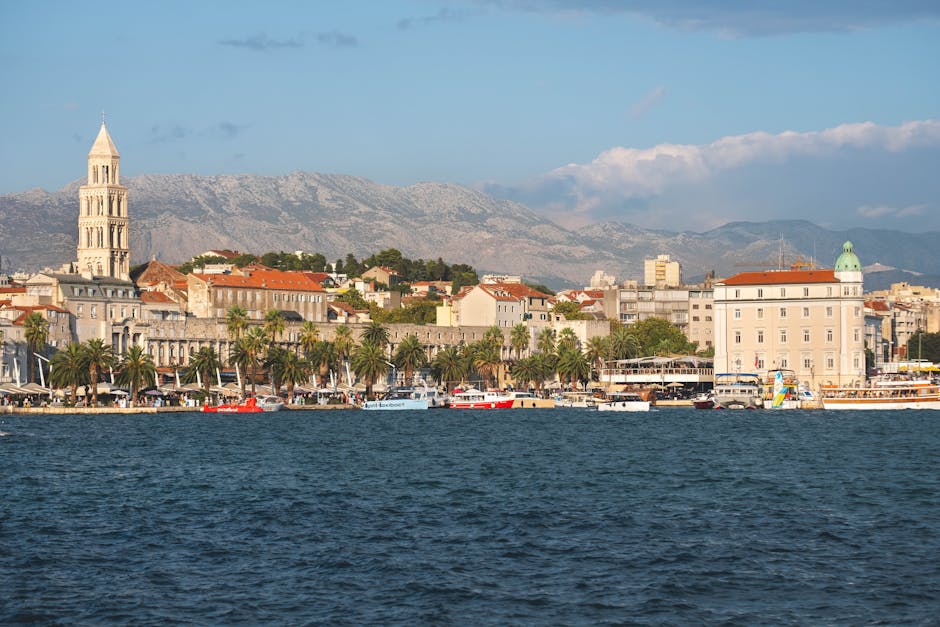
Panoramic view of Split, Susak, Croatia
- Historic Architecture: The 1770 Church of St. Nicholas, with its distinctive bell tower, stands as a beacon for sailors and a testament to the island’s enduring community.
- Cultural Scene: The Susak Cultural Summer festival in July and August transforms the island with concerts, art exhibitions, and folk performances rooted in centuries-old traditions.
- Local Specialties: You must try “suska pogača,” a sweet, dry fig cake flavored with fennel and rosemary, unique to this island.
Pro Tip: For the perfect balance of good weather and authentic atmosphere, visit in late May, early June, or September. The sea is warm, the summer crowds from mainland day-trippers are absent, and you’ll see the island as locals live it. The single daily ferry from Mali Lošinj is also easier to secure.
Map of Susak, Croatia
Use these interactive maps to explore Susak, Croatia and plan your route:
📍 View Susak, Croatia on OpenStreetMap
🗺️ Open Susak, Croatia in Google Maps
Planning Your Trip: Practical Essentials
Getting There and Around
- By Air: The nearest airports are Rijeka (RIK) on Krk island or Pula (PUY). From there, you’ll need a bus or car to Mali Lošinj, then the ferry. Book flights at Skyscanner for best deals.
- By Train: No direct train service exists. The main rail hub is Rijeka. From Rijeka station, take a bus to Mali Lošinj (approx. 3 hours). Reserve tickets at Trainline or the national railway website.
- By Car: Drive to the town of Mali Lošinj on Cres island and park in the long-stay lot near the harbor (approx. €10-15/day). Cars are forbidden on Susak. Compare car rentals at RentalCars.com.
- Local Transport: Your feet are your transport. The island is only about 3 km long and 1.5 km wide. A single, paved path connects the harbor (Gornje Selo) to the upper village (Donje Selo). A local “taxi” tractor with a trailer might haul luggage for a few euros.
Best Time to Visit
The ideal window is the shoulder season, when the Adriatic is swimmable but the island retains its serene character. July and August bring vibrant life but also day-tripper crowds from nearby Lošinj, which can overwhelm the single village for a few hours each afternoon.
| Season | Weather | Highlights |
|---|---|---|
| Summer (Jun–Aug) | Warm, 25-30°C (77-86°F), sunny, low rainfall. | Festival season, vibrant atmosphere, perfect swimming. Busiest with day-trippers from 11 AM-4 PM. |
| Winter (Dec–Feb) | Mild but windy, 5-10°C (41-50°F), ferry service is reduced. | Extremely quiet; only about 150 permanent residents. Many businesses closed. For ultimate solitude only. |
| Shoulder (Apr–May/Sep–Oct) | Pleasant, 15-25°C (59-77°F), sea warms up by late May. | Best for hiking, photography, and cultural immersion. Fewer tourists, lower prices, locals are more accessible. |
Budgeting for Susak, Croatia

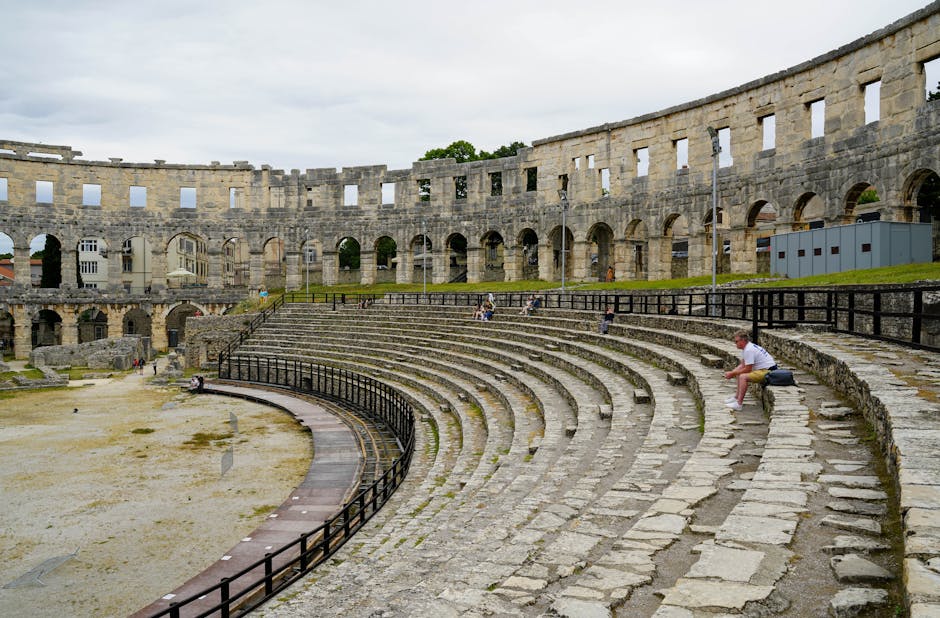
Discover the ancient Pula Amphitheater architectural marvel in Croatia, Susak, Croatia
| Category | Budget | Mid-range | Luxury |
|---|---|---|---|
| Accommodation | €50-70 (private room) | €80-120 (apartment with sea view) | €150+ (premium villa/apartment) |
| Meals | €10-15 (konoba lunch) | €20-30 (restaurant dinner with wine) | €40+ (seafood platter, fine wine) |
| Transport | €12 (ferry return) | €12 ferry + €5 luggage tractor | Private boat taxi from Lošinj (€80+) |
| Activities | Free (hiking, beaches) | €10-20 (museum, bike rental) | €50+ (private guided walk, boat tour) |
| Daily Total | €70-95 | €120-170 | €250+ |
Top Attractions and Must-See Sights
| Attraction | Description | Hours | Entry Fee |
|---|---|---|---|
| Spiaza Beach | The island’s main sandy beach, a rare find in the rocky Adriatic, with shallow, warm water perfect for families. | 24/7 | Free |
| Ethnographic Museum | A small but fascinating museum detailing the unique history, textile traditions, and emigration patterns of Susak’s people. | 10 AM – 1 PM, 6 PM – 9 PM (Summer) | €3 |
| Hike to Garba | A scenic 45-minute walk to the island’s highest point (98m) for panoramic views of the Kvarner Gulf. | 24/7 | Free |
| St. Nicholas Church Bell Tower | Climb the tower for a stunning bird’s-eye view of the terracotta-roofed village and the endless blue sea. | Ask at the parish office | Small donation |
3-Day Itinerary: Susak, Croatia’s Highlights & Hidden Gems
Day 1: Arrival & Island Immersion
- Morning (7-9 AM): Arrive on the early ferry from Mali Lošinj (€6 one-way, 1.5-hour journey). Stroll from the harbor up the zigzag path to Donje Selo, the upper village, enjoying the quiet and the views.
- Afternoon (12-3 PM): Settle in at Konoba Barba for a lunch of grilled fish or octopus salad (€15-20). Afterwards, relax on Spiaza Beach, a vast sandy shore just steps from the harbor.
- Evening (6-8 PM): Visit the Ethnographic Museum to understand the culture, then enjoy sunset drinks at Porat Cafe before dinner at Restaurant Bokelj, known for its buzara (shellfish stew).
Day 2: Exploration & Vistas
- Morning (8 AM): Hike the marked trail to Garba hill. The path winds through aromatic maquis shrubland. From the top, you can see the entire island and neighboring Cres.
- Afternoon (1 PM): Find the secluded Bok Bay on the western coast for a private swim. Pack a picnic from the local bakery. Later, explore the narrow, sandy alleyways of Donje Selo.
- Evening (7 PM): Dine at Konoba Susak for a homestyle meal. Afterwards, if it’s summer, check the schedule for a concert or folklore show as part of the Cultural Summer festival.
Day 3: Culture & Departure
- Morning (9 AM): Visit the small Church of St. Nicholas. Seek out the parish office to ask about climbing the bell tower for a final, magnificent view.
- Afternoon (12 PM): Enjoy a farewell lunch at Porat Cafe, trying their pasta with lobster if available. Buy some suska pogača (fig cake) from a local household to take home.
- Evening (5 PM): Catch the late afternoon ferry back to Mali Lošinj. Savvy travelers often book a night in Lošinj to explore its aromatic pine forests before heading home.
Cultural Insights & Etiquette
- Language: Croatian is official, but the Susak dialect is a unique variant of Čakavian with archaic features. English is understood in tourist spots. Learn “Hvala” (Thank you) and “Dobar dan” (Good day).
- Customs: The vibrant folk costumes are daily wear for some older women, not a tourist display. Always ask permission before photographing people. The community is close-knit and values respectful curiosity.
- Tipping: Rounding up the bill or leaving 5-10% in restaurants is appreciated but not mandatory. For excellent service, 10% is generous.
- Dress Code: Beachwear is for the beach only. Cover up when walking through the village or entering shops and churches. Smart-casual is fine for dining.
- Business Hours: Shops open 8 AM-1 PM and 5 PM-8 PM in summer. Restaurants serve lunch from 12-3 PM and dinner from 6 PM. Many businesses operate on a reduced schedule or close entirely from October to April.
Where to Eat: Susak, Croatia’s Best Bites
Dining on Susak is a lesson in island simplicity and freshness. Menus are dictated by the day’s catch and the garden’s yield. You’ll eat in family-run konobas (taverns) where the decor is humble but the flavors are profound.
Must-Try Local Specialties
- Suska Pogača: The iconic dry fig cake, often served with prošek (sweet dessert wine). Best bought directly from local homes or at the small bakery near the harbor.
- Buzara: A succulent stew of mussels, clams, or scampi cooked in wine, garlic, and parsley. Find an excellent version at Restaurant Bokelj.
- Fresh Adriatic Fish: Sea bass, bream, or John Dory, simply grilled with olive oil and Swiss chard (blitva). Konoba Barba is a reliable spot for this.
Restaurant Recommendations by Budget
| Type | Restaurant | Specialty | Price Range |
|---|---|---|---|
| Budget | Konoba Susak (Donje Selo) | Hearty, homestyle pasta dishes and grilled meats. | €8-15 for a main |
| Mid-range | Konoba Barba (Harbor) | Fresh grilled fish and seafood, great terrace views. | €15-25 for a main |
| Fine dining | Restaurant Bokelj (Harborfront) | Elevated seafood plates like lobster pasta and buzara. | €25-40 for a main |
Where to Stay
Accommodation is almost exclusively private apartments and rooms, giving you a true feel for island life. Book well in advance for summer. Compare prices and book at Booking.com or Airbnb for apartments.
Best Neighborhoods for Accommodation
- Gornje Selo (Harbor Area): Most convenient for ferry access, beaches, and restaurants. Can be noisier during the day with ferry arrivals. Ideal for short stays or those with heavy luggage.
- Donje Selo (Upper Village): The historic heart, with stunning views, sandy paths, and utter tranquility. Requires a walk uphill. Perfect for peace, authenticity, and photographers.
- Along the Spiaza: A few rentals sit right on the sandy beach. You’ll have instant sea access but may be a few minutes’ walk from the village center. Best for beach lovers and families.

Stunning aerial view of Dubrovnik’s Old Town and the Adriatic Sea at sunset., Susak, Croatia
FAQs: Your Susak, Croatia Questions Answered
1. Is Susak, Croatia safe at night?
Extremely safe. Crime is virtually nonexistent. The main concern is walking on unlit, sandy paths in the upper village after dark, so a small flashlight or phone light is wise. The community is small and everyone knows each other.
2. What currency is used and are credit cards accepted?
Croatia uses the Euro (€). While larger restaurants and some apartment hosts accept credit/debit cards, cash (Euros) is king on Susak. There is no ATM on the island. Withdraw cash in Mali Lošinj before you cross.
3. How do I get from the airport to the city center?
From Rijeka Airport (RIK), take the airport shuttle bus to Rijeka bus station (30 mins), then a direct bus to Mali Lošinj (approx. 3 hours, €15-20). From Pula Airport (PUY), take a bus to Pula station, then a bus to Mali Lošinj (4+ hours). The most convenient option is a pre-booked transfer. Book airport transfers at GetYourGuide for convenience.
4. Do I need to speak the local language?
No. In tourist establishments, English and often Italian or German are spoken. However, learning a few basic Croatian phrases (Dobar dan, Hvala, Molim – Please) will be met with warm appreciation and smiles.
5. What’s the appropriate dress code?
Casual and comfortable for daytime (shorts, t-shirts, swimwear under a cover-up). For evening meals in konobas, smart casual is perfect (nice shorts or trousers, a shirt or blouse). Always have a cover-up for moving between the beach and village, and modest clothing (covered shoulders and knees) for entering the church.
Final Thoughts: Susak, Croatia Awaits
Susak offers a travel experience that feels increasingly rare: a place where culture is worn, not performed, and where the landscape—a fragile island of sand—demands a gentle pace. It’s not for those seeking nightlife or luxury shopping, but for travelers hungry for authenticity, stunning natural beauty, and a profound sense of peace. Your best souvenir won’t be a trinket, but the memory of golden light on sandstone walls and the sound of the local dialect carried on the sea breeze. Before you leave, make sure to sit on the harbor wall at dusk, watching the fishing boats return; that’s when you’ll truly understand the soul of this extraordinary island.

