
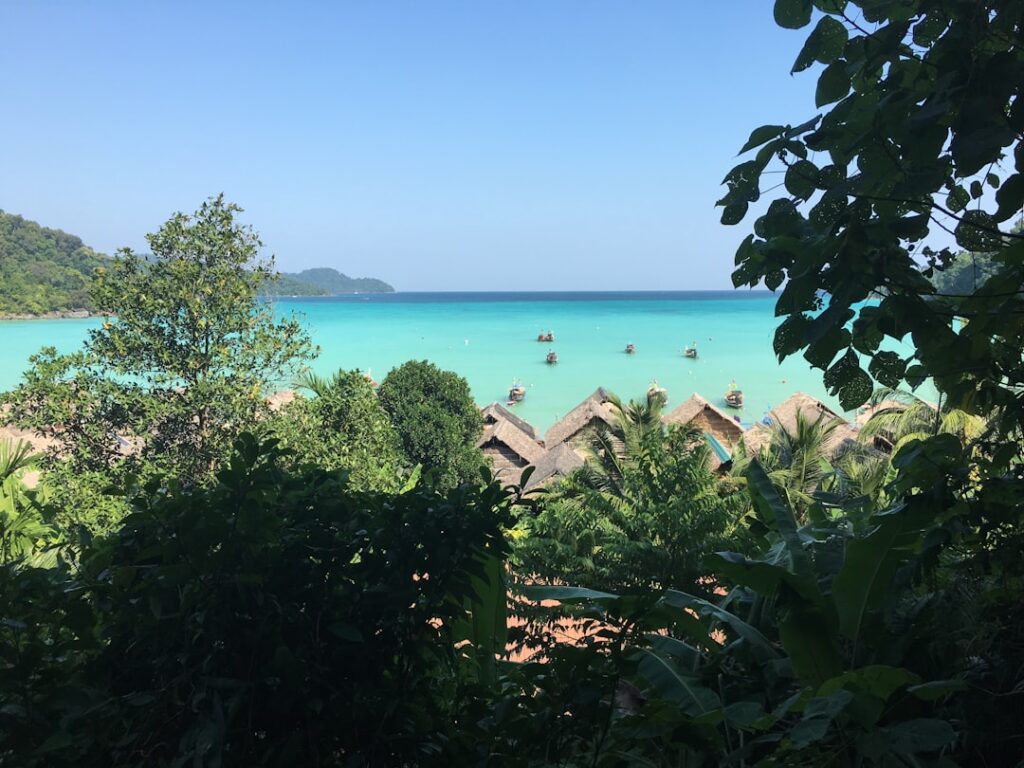
Surin Islands, Thailand: Hidden Untamed Reefs, Moken Culture & Jungle-Covered Shores (2026)
While over 2.5 million tourists crowd the piers of Phuket each year for island tours, just 80 kilometers to the northwest, the Surin Islands archipelago receives a fraction of that traffic. This five-island national marine park, accessible only by a 90-minute speedboat ride from the mainland, protects some of the Andaman Sea’s most pristine coral reefs and a unique, semi-nomadic sea gypsy culture. Here, your soundtrack is the rustle of ancient rainforest, not speedboat engines, and your companions are likely to be monitor lizards and schools of technicolor fish.
Why Surin Islands, Thailand Stands Out
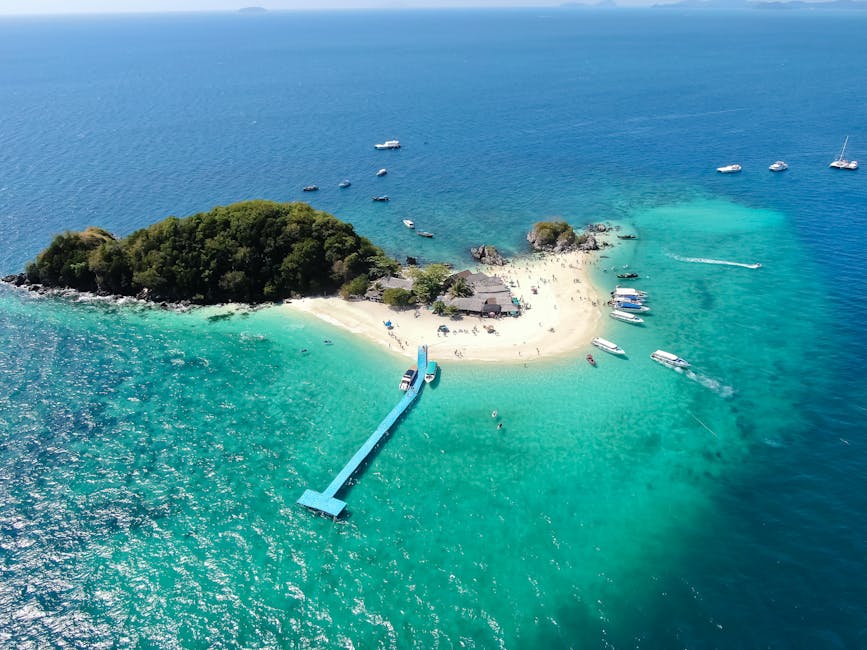
Idyllic aerial view of Koh Khai Nai Island’s turquoise waters and sandy bea…, Surin Islands, Thailand
- Historic Architecture: The traditional stilted Urak Lawoi (Moken) village on Koh Surin Tai, built over the water, showcases a centuries-old adaptation to marine life that is a living cultural monument.
- Cultural Scene: The annual Moken “Loi Ruea” boat floating ceremony, usually in April, is a spiritual event where intricately carved miniature boats are set adrift to carry away misfortune.
- Local Specialties: You must try fresh-grilled lobster, bought directly from Moken fishermen on the beach and cooked simply over charcoal with garlic and pepper.
Pro Tip: The national park is only open from mid-October to mid-May. For the absolute best conditions—calm seas, excellent visibility for snorkeling, and minimal rain—plan your visit between late November and early April. Avoid Thai national holidays at all costs, as the limited accommodation fills instantly.
Map of Surin Islands, Thailand
Use these interactive maps to explore Surin Islands, Thailand and plan your route:
📍 View Surin Islands, Thailand on OpenStreetMap
🗺️ Open Surin Islands, Thailand in Google Maps
Planning Your Trip: Practical Essentials
Getting There and Around
- By Air: Fly into Phuket International Airport (HKT). From there, it’s a 2-hour drive to Khura Buri pier. Alternatively, fly to Ranong Airport (UNN) for a shorter 1-hour transfer to the pier. Book flights at Skyscanner for best deals.
- By Train: Overnight trains from Bangkok (Hua Lamphong) to Surat Thani or Chumphon are an adventure, followed by a 3-4 hour bus/taxi ride to Khura Buri. Reserve tickets at Trainline or the national railway website.
- By Car: Driving from Phuket takes about 3 hours via Highway 4. Secure parking is available at Khura Buri pier for ~100 THB/day. Compare car rentals at RentalCars.com.
- Local Transport: On the islands, your feet are your primary transport. Longtail boats, arranged through your tour operator or park headquarters, are essential for moving between snorkeling sites and islands (approx. 1500-2500 THB for a half-day charter).
Best Time to Visit
The Surin Islands operate on a strict seasonal schedule dictated by the monsoon. The park is closed from mid-May to mid-October due to dangerous seas and heavy rain. The open season offers consistently good weather, but nuances exist.
| Season | Weather | Highlights |
|---|---|---|
| Early Season (Oct–Nov) | 28-32°C, occasional brief showers, seas calming. | Fewer visitors, lush green jungle, lower prices on mainland tours. Some coral may still be recovering visibility. |
| High Season (Dec–Feb) | 25-30°C, sunny, low humidity, calm turquoise seas. | Perfect snorkeling conditions (30m+ visibility), whale shark sightings possible, ideal for photography. Peak crowds and prices. |
| Late Season (Mar–May) | 30-35°C, very hot, sea glassy calm. | Warm water swimming, cultural ceremonies like Loi Ruea, fewer tourists than Dec/Jan. Can be oppressively hot for jungle hikes. |
Budgeting for Surin Islands, Thailand

A stunning aerial view capturing boats along the beach at Ko Yao Yai, Surin Islands, Thailand
| Category | Budget | Mid-range | Luxury |
|---|---|---|---|
| Accommodation | Camping: 600 THB/tent site. Basic park bungalow: 2,000 THB/night | Comfortable park bungalow (fan/AC): 2,800-3,500 THB/night | Liveaboard dive boat: 8,000-15,000 THB/person/night (all-inclusive) |
| Meals | Park restaurant set meals: 150-250 THB | Fresh seafood BBQ on beach: 400-600 THB | Private chef on liveaboard or bespoke tours |
| Transport | Shared speedboat transfer: 1,800 THB round-trip | Private longtail snorkel trip: 2,000 THB (split 4 ways) | Private speedboat charter: 15,000+ THB/day |
| Activities | Snorkeling gear rental: 150 THB/day. Hiking trails: Free | Guided snorkel tour: 800 THB. National Park fee: 500 THB adult/300 THB child | Multi-day liveaboard diving safari (3D/2N): 25,000+ THB |
| Daily Total | 2,700 – 3,500 THB | 5,000 – 7,000 THB | 12,000+ THB |
Top Attractions and Must-See Sights
| Attraction | Description | Hours | Entry Fee |
|---|---|---|---|
| Richelieu Rock | A world-famous dive & snorkel site, a submerged pinnacle teeming with marine life, known for frequent whale shark encounters. | Daylight hours, access by boat only | Included in tour/National Park fee |
| Moken Village (Koh Surin Tai) | A living cultural site where the Urak Lawoi “sea gypsies” maintain their traditional stilt-house community and way of life. | Respectful visits during daylight; no entry after 6 PM | Free, but donations for community fund are appreciated |
| Snorkeling at Ao Mai Yai | The primary bay with a stunning coral garden starting just meters from shore, perfect for beginners and endless underwater exploration. | Daylight hours | National Park fee required |
| Jungle Hike to Viewpoint | A 2km trail from the park headquarters leading to a breathtaking panoramic view over the archipelago’s emerald islands. | Sunrise to Sunset | Free (with Park entry) |
3-Day Itinerary: Surin Islands, Thailand’s Highlights & Hidden Gems
Day 1: Arrival & Aquatic Immersion
- Morning: Catch the 8:30 AM speedboat from Khura Buri pier (1,800 THB round-trip). After a 90-minute ride and checking into your bungalow, rent snorkel gear (150 THB) and head straight to Ao Mai Yai bay.
- Afternoon: Enjoy a simple Thai lunch (180 THB) at the park canteen. Then, charter a longtail boat (2,000 THB for 4 hours, split with others) to nearby Torinla Cape for snorkeling among massive boulder corals and parrotfish.
- Evening: Watch the sunset from the main pier, followed by a fresh grilled fish dinner (350 THB) at the restaurant. Listen for the sounds of the jungle coming alive at night.
Day 2: Culture & Deep Blue Exploration
- Morning: Take a park longtail boat (300 THB/person) to Koh Surin Tai. Walk respectfully through the Moken village, observing the stilted houses and handmade kabang boats. Purchase simple handicrafts like shell necklaces directly from artisans.
- Afternoon: Return for lunch. In the afternoon, join a guided snorkel trip to Richelieu Rock (800 THB). Even from the surface, you’ll see anemone cities, schools of trevally, and if you’re supremely lucky, the gentle shadow of a whale shark.
- Evening: Attend the park ranger’s nightly briefing or slideshow about the marine park’s ecology—a fascinating and free insight into the ecosystem you’ve been exploring.
Day 3: Summit & Serenity
- Morning: Start early with the 2km jungle hike to the viewpoint (bring water and good shoes). The climb is worth it for the 360-degree vista at sunrise. Look for hornbills and giant black squirrels in the canopy.
- Afternoon: Enjoy a final snorkel at your favorite spot, perhaps the channel between the islands where turtles are often seen. Have a leisurely lunch and pack up.
- Evening: Depart on the 3:00 PM return speedboat to the mainland, arriving in Khura Buri by 4:30 PM. Savvy travelers often book a night in Khao Lak (1 hour south) to decompress with more amenities before their flight.
Cultural Insights & Etiquette
- Language: Basic Thai greetings go a long way. “Sawasdee krap/ka” (hello), “Khop khun krap/ka” (thank you). The Moken have their own language, but many speak Thai.
- Customs: When visiting the Moken village, dress modestly (cover shoulders and knees). Always ask permission before taking photos of people or their homes. It is a living community, not a zoo.
- Tipping: Not expected but appreciated for good service. For boat crew or guides, 100-200 THB is a kind gesture. Rounding up a restaurant bill is fine.
- Dress Code: Swimwear is for the beach only. Cover up when walking around park facilities or visiting the village. Light, quick-dry fabrics are ideal.
- Business Hours: Park headquarters operates from 8:00 AM to 5:00 PM. The restaurant serves meals from 7:00 AM to 8:00 PM. Generator power (and thus lights/AC) often runs only from 6:00 PM to 10:00 PM.
Where to Eat: Surin Islands, Thailand’s Best Bites
Dining here is purely functional and park-managed, focusing on fresh, simple Thai food. There are no independent restaurants. The main canteen near the pier is your sole option, but it excels at classic dishes using ingredients brought in by supply boat.
Must-Try Local Specialties
- Pla Pao (Salt-Crusted Grilled Fish): A whole fish like sea bass or snapper, stuffed with lemongrass and grilled over charcoal. The salt crust seals in incredible moisture. Best enjoyed right on the beach at sunset.
- Tom Yum Talay (Spicy Seafood Soup): The Surin version is packed with the day’s catch—prawns, squid, mussels—in a fiery, aromatic broth. It’s a flavor explosion that defines Thai coastal cuisine.
- Fresh Tropical Fruit: Pineapple, watermelon, and mango are incredibly sweet. Buy them pre-cut from the canteen for a refreshing post-snorkel snack.
Restaurant Recommendations by Budget
| Type | Restaurant | Specialty | Price Range |
|---|---|---|---|
| Budget | Surin National Park Canteen | Pad Thai, Fried Rice, Simple Curries | 120 – 200 THB |
| Mid-range | Surin National Park BBQ (evenings) | Choose-your-own fresh seafood by weight for grilling | 300 – 600 THB |
| Fine dining | N/A | For a special meal, book a multi-day liveaboard boat which includes higher-end catering. | Inclusive |
Where to Stay
Accommodation is managed by the National Park and is basic but clean. It books out months in advance for the high season. The only alternative is camping or a liveaboard boat. Compare prices and book park bungalows directly through the Thai National Parks website or via Booking.com for some packaged tours.
Best Neighborhoods for Accommodation
- Main Pier Area (Ao Chong Khad): Where all speedboats arrive. You’ll find the park headquarters, canteen, and most bungalows here. It’s convenient but can be busy during day-trip hours. Best for first-time visitors.
- Camping Grounds: Located on a separate, quieter beach a 10-minute walk from the pier. Offers more privacy and a true “getaway” feel. You must bring your own tent or rent a very basic one from the park. Ideal for adventurers on a tight budget.
- On the Water (Liveaboard): Not a neighborhood, but the ultimate Surin experience. You sleep on a boat, allowing for early morning and night dives at remote sites like Richelieu Rock. Suits serious divers and those seeking maximum marine time.

Captivating close-up of white orchid petals with vibrant yellow and red details., Surin Islands, Thailand
FAQs: Your Surin Islands, Thailand Questions Answered
1. Is Surin Islands, Thailand safe at night?
Yes, the park is very safe. The main risks are natural: tripping on paths in the dark (bring a headlamp) or marine life. There is no crime to speak of. Always secure your belongings in your bungalow and use common sense.
2. What currency is used and are credit cards accepted?
Only Thai Baht (THB) is accepted. There are no ATMs and credit cards are useless. Bring more cash than you think you’ll need for park fees, boat trips, snacks, and souvenirs. Calculate your total and add a 20% buffer.
3. How do I get from the airport to the pier?
From Phuket Airport (HKT), take a pre-booked shared minivan directly to Khura Buri pier (approx. 800 THB, 2 hours). From Ranong Airport (UNN), a taxi costs about 1,000 THB (1 hour). Book airport transfers at GetYourGuide for convenience.
4. Do I need to speak the local language?
Not at all. Park staff speak functional English sufficient for logistics. Learning a few Thai pleasantries is respectful and will earn you smiles. For complex issues, patience and a translation app work perfectly.
5. What’s the appropriate dress code?
Think practical expedition wear. Quick-dry shirts and shorts, a sun-protective long-sleeve top, a

