
Sumatra, Indonesia’s Ultimate Wildlife, Volcanoes & Ancient Cultures (2025)
What if you could walk alongside the world’s largest flower blooming exclusively in one place? Sumatra’s Rafflesia arnoldii unfolds its three-foot diameter crimson petals in remote rainforests, emitting an odor of rotting flesh to attract pollinators. This biological marvel represents just one of the island’s extraordinary secrets. While Bali receives over 6 million annual visitors, Sumatra’s vast wilderness—three times larger than Java—hosts fewer than 500,000 international travelers yearly, offering unparalleled access to critically endangered species and active volcanic landscapes without the crowds.
Why Sumatra, Indonesia Stands Out

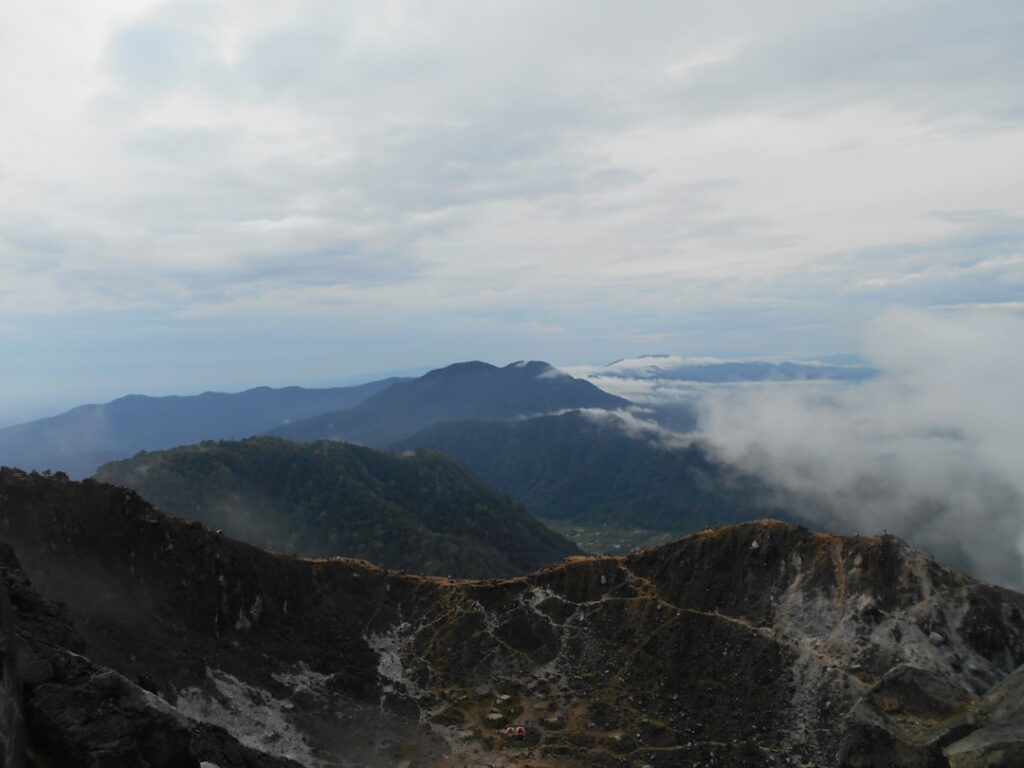
Brown mountain under blue sky during daytime, Sumatra, Indonesia
- Historic Architecture: The 14th-century Muara Takus Buddhist temple complex features the only surviving stupa built during the Srivijaya Empire’s golden age.
- Cultural Scene: The Tabot Festival in Bengkulu commemorates the martyrdom of Imam Hussain with week-long processions and traditional ceremonies each Muharram.
- Local Specialties: Rendang—beef slow-cooked for hours in coconut milk and spices—was officially crowned the world’s most delicious food in 2017.
Pro Tip: Visit between May and September when rainfall decreases by 70% compared to wet season months, making jungle treks and volcano climbs significantly more accessible. For orangutan viewing, arrive at Bukit Lawang before 8 AM when feeding sessions begin and crowds are minimal.
Map of Sumatra, Indonesia
Use these interactive maps to explore Sumatra, Indonesia and plan your route:
📍 View Sumatra, Indonesia on OpenStreetMap
🗺️ Open Sumatra, Indonesia in Google Maps
Planning Your Trip: Practical Essentials
Getting There and Around
- By Air: Kuala Namu International Airport (KNO) near Medan serves as Sumatra’s main gateway with direct flights from Singapore, Malaysia, and Jakarta. Book flights at Skyscanner for best deals.
- By Train: Rail connections primarily serve eastern Sumatra between Medan, Tebing Tinggi, and Rantau Prapat with journey times of 2-4 hours. Reserve tickets at Trainline or the national railway website.
- By Car: The Trans-Sumatra Highway spans 2,500 km from Banda Aceh to Bakauheni, though rural roads require 4WD vehicles. Compare car rentals at RentalCars.com.
- Local Transport: Travelers rely on shared minibuses (angkot) for city transport (3,000-10,000 IDR) and long-distance buses between major destinations. Check official city transport websites for passes and schedules.
Best Time to Visit
Sumatra’s equatorial climate means temperatures remain consistent year-round (25-32°C), but rainfall patterns dramatically affect accessibility to remote areas and wildlife viewing opportunities.
| Season | Weather | Highlights |
|---|---|---|
| Dry Season (Jun–Aug) | 26-31°C, minimal rainfall, high humidity | Optimal for jungle trekking, volcano climbs, and wildlife spotting with minimal trail disruptions |
| Wet Season (Dec–Feb) | 24-29°C, heavy daily rainfall, possible flooding | Lush vegetation, fewer tourists, lower prices, but some remote areas become inaccessible |
| Shoulder (Apr–May/Sep–Oct) | 25-30°C, sporadic showers, manageable conditions | Balanced weather with decent wildlife viewing and comfortable trekking conditions at lower costs |
Budgeting for Sumatra, Indonesia

Silhouette of trees during sunset, Sumatra, Indonesia
| Category | Budget | Mid-range | Luxury |
|---|---|---|---|
| Accommodation | 150,000-300,000 IDR/night (homestays, basic hotels) | 500,000-1,200,000 IDR/night (boutique hotels, resorts) | 1,500,000+ IDR/night (wilderness lodges, luxury villas) |
| Meals | 15,000-35,000 IDR (warung street food, local eateries) | 50,000-150,000 IDR (restaurants with Western options) | 200,000+ IDR (fine dining, international cuisine) |
| Transport | 10,000-100,000 IDR (public buses, angkot, economy class) | 150,000-400,000 IDR (private drivers, Grab taxis) | 500,000+ IDR (private 4WD with driver, domestic flights) |
| Activities | Free hikes, temple visits, beach days | 200,000-500,000 IDR (guided treks, park entries, tours) | 600,000+ IDR (private guides, specialized tours, diving) |
| Daily Total | 400,000-600,000 IDR ($25-40) | 1,000,000-1,800,000 IDR ($65-115) | 2,500,000+ IDR ($160+) |
Top Attractions and Must-See Sights
| Attraction | Description | Hours | Entry Fee |
|---|---|---|---|
| Gunung Leuser National Park | UNESCO World Heritage site offering rare wild orangutan encounters in pristine rainforest | 7 AM-5 PM daily | 150,000 IDR + mandatory guide (200,000 IDR) |
| Lake Toba | The world’s largest volcanic lake with Samosir Island’s Batak culture and stunning vistas | 24 hours | Free (ferry to Samosir: 15,000 IDR) |
| Kerinci Seblat National Park | Home to Sumatra’s highest volcano and critically endangered Sumatran tigers | 6 AM-6 PM daily | 150,000 IDR + guide fees |
| Banyak Islands | Remote archipelago with some of Indonesia’s best snorkeling and deserted beaches | 24 hours | Free (boat transfers from 200,000 IDR) |
3-Day Itinerary: Sumatra, Indonesia’s Highlights & Hidden Gems
Day 1: Medan to Bukit Lawang Wilderness
- Morning: 7 AM departure from Medan (3-hour drive, 400,000 IDR private car) to Bukit Lawang. Check into Green Hill Hotel (450,000 IDR/night) with riverfront balcony rooms.
- Afternoon: 1 PM orangutan feeding platform visit (150,000 IDR entry) followed by lunch at Rainforest Restaurant specializing in fresh grilled river fish (45,000 IDR).
- Evening: 6 PM jungle night walk with local guide (100,000 IDR) spotting nocturnal wildlife, then dinner at family-run Yusri Cafe for authentic rendang (35,000 IDR).
Day 2: Lake Toba Cultural Immersion
- Morning: 6 AM flight from Medan to Silangit (600,000 IDR, 45 minutes) then transfer to Tuk Tuk village on Samosir Island. Rent scooter (80,000 IDR/day) to explore traditional Batak villages.
- Afternoon: Visit Tomok Village’s ancient stone chairs and Sidabutar King tombs (10,000 IDR donation), then lunch at Jenny’s Restaurant overlooking the lake with their famous grilled carp (55,000 IDR).
- Evening: 7 PM traditional Batak music performance at Bagus Bay Hotel (free for guests) followed by dinner at their restaurant specializing in local lake fish dishes.
Day 3: Berastagi Highlands & Volcanic Landscapes
- Morning: 7 AM drive from Parapat to Berastagi (3 hours, 350,000 IDR) stopping at Sipiso-Piso Waterfall. Hike to Gundaling Hill viewpoint for spectacular volcano panoramas.
- Afternoon: Visit Berastagi fruit market for tropical fruit tasting (marquisa passionfruit, 15,000 IDR/kg) then lunch at local warung serving arsik goldfish (30,000 IDR).
- Evening: 5 PM sunset at Sibayak Volcano crater (15,000 IDR entry) with stunning views, then return to Medan for departure or overnight at Hotel Danau Toba International.
Cultural Insights & Etiquette
- Language: Bahasa Indonesia is the official language; learn “terima kasih” (thank you), “berapa harganya?” (how much?), and “permisi” (excuse me) for basic interactions.
- Customs: Always use your right hand for giving/receiving items and eating; the left hand is considered unclean. Remove shoes before entering homes and mosques.
- Tipping: Not expected but appreciated; round up taxi fares, leave 5-10% at restaurants, and tip guides 50,000-100,000 IDR per day for excellent service.
- Dress Code: Modest clothing preferred, especially when visiting religious sites; cover shoulders and knees. Lightweight natural fabrics work best in the humidity.
- Business Hours: Typically 8 AM-4 PM for government offices, 9 AM-9 PM for shops, with midday breaks in more traditional areas. Friday prayers (11 AM-1 PM) may affect operations.
Where to Eat: Sumatra, Indonesia’s Best Bites
Sumatra’s cuisine reflects its multicultural history with Malay, Indian, Chinese, and indigenous Batak influences creating intensely flavorful dishes characterized by coconut, chili, and complex spice pastes.
Must-Try Local Specialties
- Rendang: Not merely a curry but a slow-cooked dry beef dish caramelized in coconut milk and spices; try the legendary version at Pagi Sore in Padang
- Mie Gomak: Hand-pulled noodles bathed in spicy coconut and andaliman (Sumatran pepper) sauce; best sampled at traditional Batak eateries in Medan
- Pempek: Fish cakes served with sweet-sour vinegar sauce; find authentic versions at street stalls in Palembang where the dish originated
Restaurant Recommendations by Budget
| Type | Restaurant | Specialty | Price Range |
|---|---|---|---|
| Budget | Tip Top Restaurant, Medan (historic colonial-era cafe) | Traditional Indonesian rijsttafel and Dutch-inspired pastries | 40,000-80,000 IDR |
| Mid-range | Ria Restaurant, Bukittinggi (family-run for generations) | Authentic Padang cuisine with 20+ daily dishes | 80,000-150,000 IDR |
| Fine dining | De’Bogor Cafe, Bandar Lampung (upscale waterfront) | Seafood platters with modern Indonesian fusion | 200,000-400,000 IDR |
Where to Stay
Accommodation in Sumatra ranges from basic homestays in remote villages to luxurious eco-lodges in national parks, with significant price variations between regions. Compare prices and book at Booking.com or Airbnb for apartments.
Best Neighborhoods for Accommodation
- Bukit Lawang Riverside: Jungle lodge atmosphere with easy orangutan trekking access, though limited dining options beyond hotel restaurants; perfect for nature enthusiasts
- Tuk Tuk Peninsula, Lake Toba: Laid-back island vibe with numerous guesthouses and cafes along the shoreline; ideal for relaxation and cultural immersion
- Medan City Center: Convenient urban base with international hotels and transportation hubs, but lacks Sumatra’s natural beauty; best for business travelers or short stopovers

White wooden house on green grass covered hill near waterfalls during daytime, Sumatra, Indonesia
FAQs: Your Sumatra, Indonesia Questions Answered
1. Is Sumatra, Indonesia safe at night?
Generally yes in tourist areas, though standard precautions apply. Avoid walking alone in poorly lit urban areas after dark. In national parks, never hike without experienced guides due to wildlife hazards. Petty theft can occur in crowded markets—keep valuables secure and use hotel safes.
2. What currency is used and are credit cards accepted?
Indonesian Rupiah (IDR) is the official currency. Credit cards work at major hotels, upscale restaurants, and supermarkets in cities, but cash remains essential in rural areas, markets, and for transportation. ATMs are widely available in urban centers but scarce in remote regions.
3. How do I get from the airport to the city center?
From Kuala Namu Airport, the airport train (100,000 IDR, 45 minutes) runs directly to Medan City. Taxis cost 150,000-200,000 IDR for the same journey. In other cities, ride-hailing apps like Grab often offer the most reliable service. Book airport transfers at GetYourGuide for convenience.
4. Do I need to speak the local language?
Not essential but helpful. English is spoken in tourist areas, hotels, and by younger Indonesians. In remote villages, you’ll need basic Bahasa Indonesia phrases. Locals appreciate attempts to speak their language—even simple greetings create warmer interactions.
5. What’s the appropriate dress code?
Lightweight, modest clothing works best. Cover shoulders and knees when visiting temples, mosques, and traditional communities. For jungle trekking, wear long pants and closed shoes for protection against insects and vegetation. Always carry a rain jacket—tropical showers can occur unexpectedly.
Final Thoughts: Sumatra, Indonesia Awaits
Sumatra delivers an authenticity increasingly rare in Southeast Asia, where wilderness still dominates and cultural traditions remain deeply rooted. From watching orangutans swing through pristine canopy to sharing meals with Batak families in ancient villages, this island offers transformative travel experiences that connect you with both nature and humanity. Savvy travelers know that Sumatra’s true magic lies beyond the guidebooks—in the spontaneous conversations with coffee farmers, the unexpected wildlife encounters, and the profound sense of discovery that comes from exploring one of our planet’s most biodiverse regions. Don’t just visit Sumatra—let it change your perspective on what travel can be. Your adventure begins the moment you step off the beaten path and into its extraordinary landscapes.

