
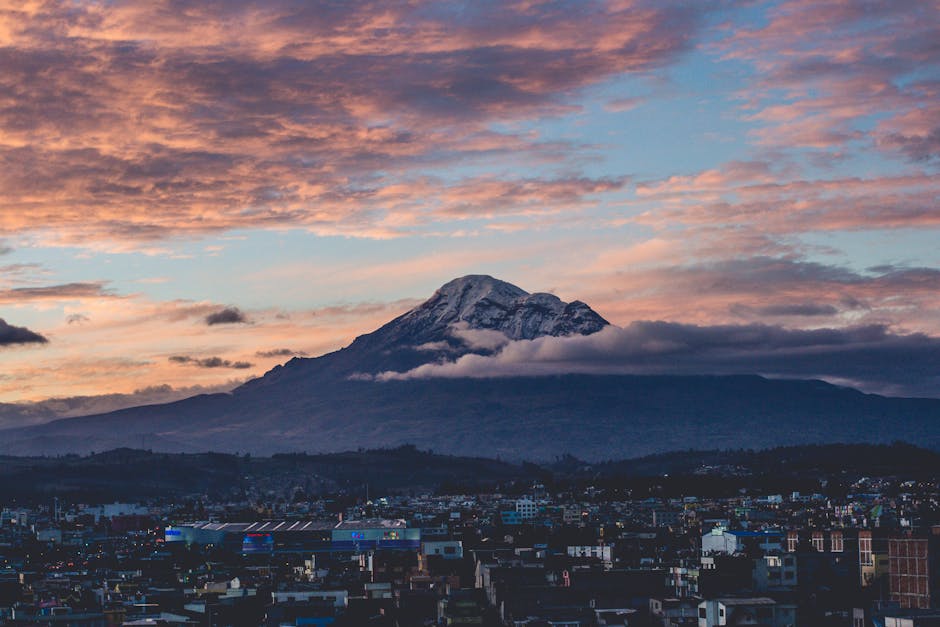
Sucúa, Ecuador’s Hidden Amazonian Culture, Cacao Trails & Waterfall Adventures (2025)
Ask locals about Sucúa, Ecuador, and they’ll tell you about the “Calle de los Tigrillos,” a street named for the small ocelots that once roamed here. Most guidebooks miss this completely, focusing only on its role as a provincial capital in the Morona Santiago province. But the real story is one of transformation: from a frontier settlement for Shuar communities and colonists into a vibrant, modern gateway where you can sip world-class chocolate made from beans grown just kilometers away, all while the sounds of the Upano River provide the soundtrack.
Why Sucúa, Ecuador Stands Out

Stunning waterfall cascading in a lush Ecuadorian valley, Sucúa, Ecuador
- Historic Architecture: The modern Catedral de San Pedro y San Pablo, consecrated in 1995, stands as a symbol of the town’s growth and faith, with a distinctive design that blends contemporary and traditional elements.
- Cultural Scene: The annual “Fiesta de la Chonta” celebrates the harvest of the peach palm fruit, a staple for the indigenous Shuar, with traditional dance, music, and food that offers a profound cultural immersion.
- Local Specialties: You must try “ayampaco,” a flavorful dish of fish or chicken wrapped in bijao leaves and grilled over an open fire, infusing the meat with a unique, smoky aroma.
Pro Tip: The absolute best time to visit is during the drier months from October to December. You’ll avoid the heaviest rains of the Amazon basin, making road travel to remote waterfalls and communities far more reliable, and the rivers will be perfect for a refreshing dip.
Map of Sucúa, Ecuador
Use these interactive maps to explore Sucúa, Ecuador and plan your route:
📍 View Sucúa, Ecuador on OpenStreetMap
🗺️ Open Sucúa, Ecuador in Google Maps
Planning Your Trip: Practical Essentials
Getting There and Around
- By Air: The nearest major airport is in Cuenca (CUE), a 4-5 hour drive away. From there, you’ll take a bus or private transfer. For direct access to the Amazon region, some travelers fly into Shell (XMS) near Puyo. Book flights at Skyscanner for best deals.
- By Train: There are no direct passenger train services to Sucúa. Your journey will be by road. The scenic route from Cuenca or Loja involves buses that wind through stunning mountain passes.
- By Car: Driving from Cuenca via the E40 and E45 highways offers incredible views but requires caution on winding roads. Parking in Sucúa’s center is generally straightforward. Compare car rentals at RentalCars.com.
- Local Transport: Within town, “rancheras” (shared pickup truck taxis) are the most common and affordable transport, costing about $0.50 per short trip. For longer excursions to waterfalls, you’ll need to hire a private truck or taxi.
Best Time to Visit
Sucúa enjoys a warm, humid tropical climate year-round, but precipitation varies dramatically. The key is balancing adventure accessibility with comfort.
| Season | Weather | Highlights |
|---|---|---|
| Drier Season (Oct–Feb) | Warm, 75-85°F (24-29°C), with frequent but shorter afternoon showers. | Ideal for hiking, visiting waterfalls, and road travel to indigenous communities. Peak for outdoor activities. |
| Wet Season (Mar–Sep) | Very humid, 70-82°F (21-28°C), with heavy, prolonged rainfall, especially Apr-Jul. | Lush, vibrant greenery; fewer visitors. Some remote roads may become impassable. River levels are high. |
| Shoulder (Oct & Mar) | Transitional weather, mixing sun and rain. | Good value and fewer tourists. A smart compromise for travelers seeking decent weather without the crowds. |
Budgeting for Sucúa, Ecuador
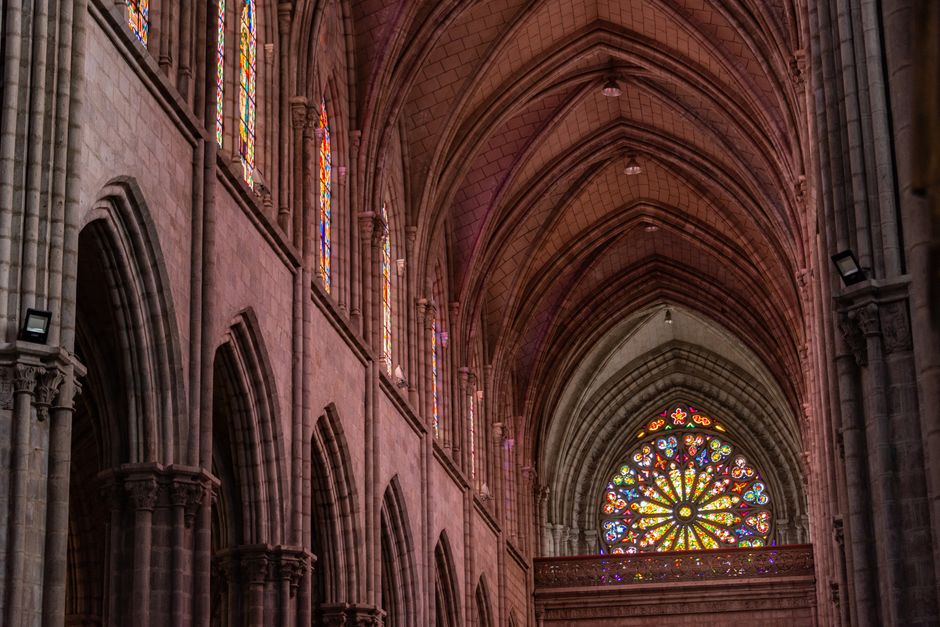
Interior of a neo-gothic cathedral featuring stunning stained glass rose wi…, Sucúa, Ecuador
| Category | Budget | Mid-range | Luxury |
|---|---|---|---|
| Accommodation | $15-25/night (hostal with fan) | $40-70/night (hotel with A/C, wifi) | $100+/night (best hotel in town, full amenities) |
| Meals | $8-12/day (almuerzos, market food) | $20-30/day (restaurant meals, drinks) | $50+/day (fine dining available) |
| Transport | $2-5/day (rancheras, local buses) | $15-30/day (private taxi for half-day tour) | $80+/day (private 4×4 with driver) |
| Activities | $5-15 (local guide for a hike) | $30-50 (guided waterfall tour) | $100+ (multi-day cultural immersion tour) |
| Daily Total | $30-50 | $80-150 | $250+ |
Top Attractions and Must-See Sights
| Attraction | Description | Hours | Entry Fee |
|---|---|---|---|
| Mirador de Sucúa | A hilltop viewpoint offering panoramic vistas of the town nestled in the Upano River valley, best at sunrise. | 24/7 | Free |
| Cascada de San Luis | A powerful, multi-tiered waterfall located a short drive from town, perfect for swimming and photography. | Daylight hours | $1-2 (voluntary community fee) |
| Central Market | The bustling heart of daily life, where you can find fresh Amazonian fruits, handicrafts, and sample local food. | 6 AM – 4 PM | Free |
| Shuar Community Visits | Arranged cultural tours to nearby communities to learn about traditions, crafts, and way of life. | By arrangement | $20-40 per person |
3-Day Itinerary: Sucúa, Ecuador’s Highlights & Hidden Gems
Day 1: Town Immersion & Amazonian Flavors
- Morning (7-9 AM): Start at the **Central Market** for a fresh fruit breakfast—try the “uvilla” (cape gooseberry). Watch the town come to life as vendors set up.
- Afternoon (12-3 PM): Visit the **Catedral de San Pedro y San Pablo**, then head to **Heladería Tutto Freddo** for a unique local ice cream flavor like “naranjilla.” For lunch, grab an *almuerzo* (set lunch) at **Restaurant Don Wilson** for their superb grilled chicken.
- Evening (6-8 PM): Take a *ranchera* up to the **Mirador de Sucúa** for sunset. For dinner, savor authentic *ayampaco* at **Restaurant La Fogata** on Avenida 29 de Mayo.
Day 2: Waterfalls & Cacao Culture
- Morning (8 AM): Hire a taxi ($25 roundtrip) for the 30-minute drive to **Cascada de San Luis**. Spend 2-3 hours hiking the paths and swimming in the cool pools. Pack a waterproof bag.
- Afternoon (1 PM): Return to town for a late lunch at **Pizzería El Jardín**, known for its hearty portions. Then, visit a local **cacao finca** (farm); ask your hotel to arrange a tour ($15) to see chocolate-making from bean to bar.
- Evening (7 PM): Enjoy a relaxed evening. Locals recommend strolling along the **Malecón** (riverwalk) on the Upano River before a casual dinner at a *parrillada* (grill house).
Day 3: Cultural Connection & Departure
- Morning (9 AM): With a pre-arranged guide ($40 per person), visit a nearby **Shuar community**. Participate in a welcome ceremony, learn about blowgun hunting, and purchase directly from artisans.
- Afternoon (1 PM): Share a final community lunch with your hosts, often including *chicha* (a traditional fermented drink) and *yuca*. Return to Sucúa.
- Evening (5 PM): Pick up last-minute souvenirs—look for intricate Shuar beadwork (*tawasap*)—at the market. Enjoy a farewell coffee at a local cafe before your onward journey.
Cultural Insights & Etiquette
- Language: Spanish is essential. Key phrases: “¿Cómo está?” (formal hello), “Gracias, shuar” (Thank you, in Shuar). English is rarely spoken outside hotels.
- Customs: Always greet people with a handshake. When visiting Shuar communities, it is respectful to wait for an invitation before taking photos of people. Direct eye contact can be perceived differently; follow the lead of your host.
- Tipping: Not universally expected but appreciated. In restaurants, 10% is generous. For guides, tip 5-10% of the tour cost for good service.
- Dress Code: Modest, practical clothing is best. Quick-dry pants and shirts are ideal for humidity. For community visits, avoid overly revealing clothing out of respect.
- Business Hours: Typical hours are 8 AM – 12 PM and 2 PM – 6 PM, with a long midday break. Many businesses close on Sundays.
Where to Eat: Sucúa, Ecuador’s Best Bites
Dining in Sucúa is a celebration of Amazonian bounty. You’ll find simple, family-run *comedores* serving massive plates of rice, protein, and soup for a few dollars, alongside more established restaurants grilling meats to perfection. The focus is on freshness and hearty flavors.
Must-Try Local Specialties
- Ayampaco: Fish or chicken steamed in bijao leaves. The leaves impart an earthy, herbal flavor. Try it at **Restaurant La Fogata** or any *parrillada*.
- Maito de Pescado: Similar to ayampaco but often specifically refers to fish. Look for it at the market’s food stalls for the most authentic version.
- Chicha de Yuca: A traditional fermented drink made from yuca (manioc). It’s a social drink offered in Shuar communities. In town, you might find non-fermented, sweet versions.
Restaurant Recommendations by Budget
| Type | Restaurant | Specialty | Price Range |
|---|---|---|---|
| Budget | Comedor del Mercado (Central Market) | Fresh, cheap *almuerzos* and fruit juices | $3-5 per meal |
| Mid-range | Restaurant Don Wilson (Av. Amazonas) | Grilled meats, local dishes, reliable quality | $8-15 per meal |
| Fine dining | Restaurant El Tropezón (Downtown) | The town’s top spot for steak and seafood in a nicer setting | $15-25 per meal |
Where to Stay
Accommodation in Sucúa ranges from basic but clean hostels to comfortable business-class hotels. Most are centrally located, making exploration easy. For a unique experience, some nearby eco-lodges offer deep jungle immersion. Compare prices and book at Booking.com or Airbnb for apartments.
Best Neighborhoods for Accommodation
- Centro: The heart of town, close to the market, cathedral, and main restaurants. Perfect for first-time visitors who want to walk everywhere. Can be busier during the day.
- Along Avenida Amazonas: A main thoroughfare with several modern hotels. This area offers a good balance of convenience and slightly quieter nights. Ideal for those with rental cars.
- Outskirts & Rural Areas: For true immersion, consider a lodge or hostel just outside town. You’ll wake to bird songs and have easier access to trails, though you’ll depend on transport.
Artistic silhouette of a modern sculpture in Quito, Sucúa, Ecuador
FAQs: Your Sucúa, Ecuador Questions Answered
1. Is Sucúa, Ecuador safe at night?
Sucúa is generally a safe and peaceful town. As with any place, exercise basic caution: stick to well-lit main streets at night, don’t flash valuables, and use common sense. The central area is lively in the early evening. For remote excursions, always go with a reputable guide.
2. What currency is used and are credit cards accepted?
Ecuador uses the US Dollar ($). Carry plenty of cash, especially small bills ($1, $5, $10). While some hotels and nicer restaurants may accept credit cards (Visa/Mastercard), most local businesses, markets, taxis, and guides operate on cash only. ATMs are available in the center.
3. How do I get from the airport to the city center?
You’ll likely arrive via Cuenca airport. From there, take a taxi to the Terminal Terrestre (bus station) for about $8, then catch a direct bus to Sucúa with Cooperativa San Francisco ($10-12, 4-5 hours). For a seamless arrival, you can pre-book a private transfer. Book airport transfers at GetYourGuide for convenience.
4. Do I need to speak the local language?
Yes, basic Spanish is highly recommended and will greatly enhance your experience. Very little English is spoken. Learning a few key phrases (“¿Cuánto cuesta?”, “¿Dónde está…?”, “Gracias”) is essential. The Shuar communities have their own language, but visits are facilitated by bilingual (Shuar-Spanish) guides.
5. What’s the appropriate dress code?
Dress for a warm, humid climate with practicality in mind. Lightweight, long-sleeved shirts and pants protect from sun and insects. Sturdy, waterproof hiking shoes are a must for excursions. Always pack a rain jacket. For visiting churches or communities, modest dress (covered shoulders and knees) is a sign of respect.
Final Thoughts: Sucúa, Ecuador Awaits
Sucúa offers something increasingly rare: an authentic, unfiltered connection to both the natural wonders of the Amazon and the living culture of its indigenous peoples. It’s not a place of luxury resorts, but of genuine encounters—sharing *chicha* in a Shuar home, feeling the mist of a hidden waterfall, and tasting chocolate at its source. Savvy travelers choose Sucúa for its raw beauty and cultural depth. Your best bet is to come with an open mind, a sense of adventure, and a willingness to step off the well-trodden path. Don’t leave without letting a local show you their perspective from the Mirador; it’s a view that captures the entire spirit of this remarkable gateway.

