
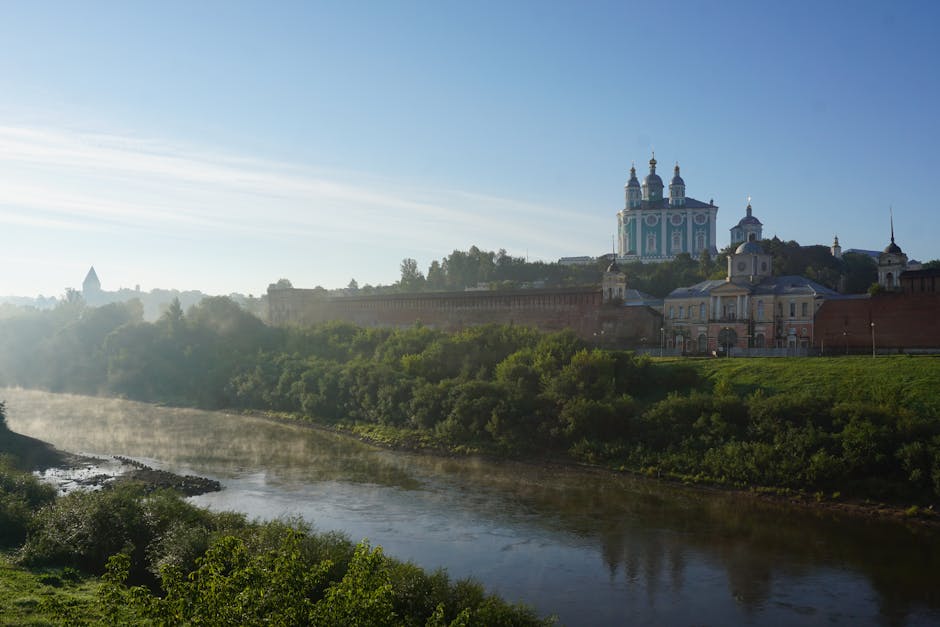
Smolensk Oblast, Russia’s Ultimate Fortresses, Forests & Forgotten History (2026)
While crowds flock to the Golden Ring, Smolensk Oblast delivers a profound, unsung chapter of Russian history without the tour buses. Here, you can stand atop the remnants of a 16th-century fortress wall that withstood sieges by Napoleon and the Wehrmacht, then an hour later be hiking in pristine forests where the only sound is the rustle of birch leaves. This is where the country’s soul feels both ancient and deeply peaceful.
Why Smolensk Oblast, Russia Stands Out
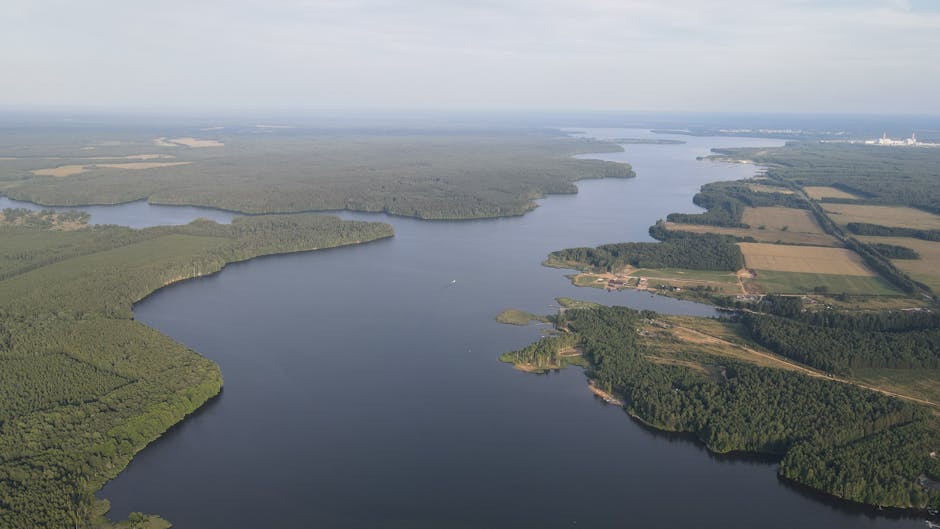
Scenic aerial view of Roslavlsky District in Smolenskaya oblast’, Smolensk Oblast, Russia
- Historic Architecture: The Smolensk Fortress Wall, built between 1595-1602 under Tsar Boris Godunov, is a monumental 6.5 km defensive structure where you can literally walk through history.
- Cultural Scene: The annual “Glinka Days” music festival in June celebrates native composer Mikhail Glinka with open-air concerts in historic estates, blending classical music with the pastoral landscape.
- Local Specialties: You must try Vzvar, a traditional spiced fruit drink (often with apples, pears, and berries) historically served to celebrate births and weddings, symbolizing the sweetness of life.
Pro Tip: Visit in early September. The summer crowds have dissipated, the forests are turning gold, and the weather is perfect for exploring. For the best photos of the fortress wall, go at sunrise (around 6:30 AM) when the morning light bathes the red-brick towers in a soft glow and you’ll have them almost entirely to yourself.
Map of Smolensk Oblast, Russia
Use these interactive maps to explore Smolensk Oblast, Russia and plan your route:
📍 View Smolensk Oblast, Russia on OpenStreetMap
🗺️ Open Smolensk Oblast, Russia in Google Maps
Planning Your Trip: Practical Essentials
Getting There and Around
- By Air: Smolensk North Airport (LNX) has limited commercial flights. Your best bet is flying into Moscow’s Sheremetyevo (SVO) or Vnukovo (VKO), then taking a train. Book flights at Skyscanner for best deals.
- By Train: Excellent rail connections from Moscow’s Belorussky Station. The “Lastochka” express takes about 4 hours. Regular overnight trains are also a classic, affordable option. Reserve tickets at Trainline or the national railway website.
- By Car: The M-1 “Belarus” highway connects Moscow to Smolensk (~390 km). Driving offers freedom to explore rural monasteries. Parking is relatively easy in the city center. Compare car rentals at RentalCars.com.
- Local Transport: Smolensk has an efficient network of trams, trolleybuses, and marshrutkas (fixed-route minibuses). A single ride costs ~30 RUB. For exploring the wider oblast, regional buses depart from the central bus station.
Best Time to Visit
The ideal time balances pleasant weather with cultural events. Summer is vibrant but busier, while the shoulder seasons offer a serene, atmospheric experience.
| Season | Weather | Highlights |
|---|---|---|
| Summer (Jun–Aug) | 17°C – 24°C (63°F – 75°F), warm, occasional rain. | Festivals in full swing, all attractions open, perfect for river walks and park visits. Moderate crowds. |
| Winter (Dec–Feb) | -5°C to -10°C (23°F – 14°F), snowy and crisp. | Magical, snow-covered fortress walls; cozy taverns; very few tourists. Some rural sites may have limited access. |
| Shoulder (Apr–May/Sep–Oct) | 8°C – 15°C (46°F – 59°F), mild and often sunny. | Best for photography and hiking, minimal crowds, lower prices. The “Golden Autumn” in September is spectacular. |
Budgeting for Smolensk Oblast, Russia

A low angle shot of the Belgorod Hotel’s dome with a golden spire against a…, Smolensk Oblast, Russia
| Category | Budget | Mid-range | Luxury |
|---|---|---|---|
| Accommodation | Hostel/Guesthouse: 1,200-2,000 RUB/night | 3-star hotel/Boutique B&B: 3,500-5,500 RUB/night | Historic center hotel/Spa resort: 7,000+ RUB/night |
| Meals | Stolovaya (cafeteria)/street food: 400-600 RUB/day | Local restaurants: 1,200-2,000 RUB/day | Fine dining with wine: 4,000+ RUB/day |
| Transport | Public transport only: 150 RUB/day | Occasional taxis/car rental: 800-1,500 RUB/day | Private driver/tours: 3,000+ RUB/day |
| Activities | Free walks, parks, some churches: 0-500 RUB/day | Museum entries, guided tours: 800-1,200 RUB/day | Private guides, exclusive estate visits: 2,500+ RUB/day |
| Daily Total | 1,750 – 3,250 RUB | 6,300 – 10,200 RUB | 16,500+ RUB |
Top Attractions and Must-See Sights
| Attraction | Description | Hours | Entry Fee |
|---|---|---|---|
| Smolensk Fortress Wall | Walk the ramparts of this 16th-century “Necklace of the Russian Land,” exploring surviving towers like the mighty Thunder Tower (Gromovaya). | Accessible 24/7; Tower museums 10 AM – 6 PM (closed Mon) | Wall access free; Tower museums ~200 RUB |
| Assumption Cathedral | An awe-inspiring blue-and-white Baroque cathedral housing the revered Smolensk Icon of the Mother of God and a stunning 30-meter iconostasis. | 7 AM – 8 PM daily (services permitting) | Free (donations appreciated) |
| Historical Museum “Smolensk in the WWII” | A profoundly moving museum detailing the city’s heroic and tragic role as “The Shield of Russia” during the Great Patriotic War. | 10 AM – 6 PM (closed Monday) | 250 RUB |
| Talashkino Estate (Flonovo) | A unique Art Nouveau estate and workshop where Princess Maria Tenisheva created a revolutionary center for Russian folk art revival in the early 1900s. | 10 AM – 5 PM (closed Mon, Tue) | 300 RUB |
3-Day Itinerary: Smolensk Oblast, Russia’s Highlights & Hidden Gems
Day 1: The Heart of the Fortress City
- Morning (7-9 AM): Start with a sunrise walk along the fortress wall near the Dnieper River. Enter the park at the foot of the wall near Ulitsa Soboleva. Your best bet is to head to the Veselukha Tower for panoramic views.
- Afternoon (12-3 PM): Visit the magnificent Assumption Cathedral. For lunch, head to “Traktir” on Ulitsa Konenkova for authentic Russian fare—try their hearty Solyanka soup (~450 RUB).
- Evening (6-8 PM): Explore the pedestrianized Bolshaya Sovetskaya Street. Enjoy dinner at “Podkrepye”, a restaurant in a historic vaulted cellar, famous for its roast pike-perch (~750 RUB).
Day 2: Art, History & Memory
- Morning (9 AM): Take a 20-minute marshrutka (#104) to the Talashkino Estate (cost ~50 RUB). Explore the fairy-tale “Teremok” house, a masterpiece of folk-inspired architecture. Don’t miss the small church decorated by Nicholas Roerich.
- Afternoon (1 PM): Return to the city for a sobering but essential visit to the Historical Museum “Smolensk in the WWII.” Afterwards, grab a quick lunch at the Soviet-style “Stolovaya No. 1” on Ulitsa Lenina.
- Evening (7 PM): For a lighter end, attend a performance at the Glinka Concert Hall if available, or simply enjoy a quiet drink at the “Brickfort” bar, set within an actual section of the old fortress wall.
Day 3: Spiritual Retreat & Natural Escape
- Morning (8 AM): Hire a taxi (~1,500 RUB round-trip) for the 30-minute journey to the Holy Dormition Monastery in Vyazma. This 16th-century complex, though partially in ruins, is hauntingly beautiful and far less visited.
- Afternoon (12 PM): Have lunch in Vyazma at “Gostiny Dvor” (try the local Vyazma gingerbread). Return to Smolensk and spend the late afternoon relaxing in the Blonye Garden, the city’s oldest public park.
- Evening (6 PM): Enjoy a final farewell dinner at “Russky Dvorik” on Ulitsa Oktyabrskoy Revolyutsii, known for its elegant take on classic dishes and excellent Vzvar.
Cultural Insights & Etiquette
- Language: Russian is essential. Learn Cyrillic basics and key phrases: “Spasibo” (Thank you), “Zdravstvuyte” (Hello), “Gde…?” (Where is…?). Younger people in the city may know some English, but assume otherwise.
- Customs: When entering an Orthodox church, women should cover their heads (a scarf is fine) and shoulders, and men should remove hats. Be respectful and quiet; avoid walking in front of worshippers.
- Tipping: Not obligatory but appreciated. In restaurants, 5-10% for good service is customary. Round up the fare for taxi drivers.
- Dress Code: Practical and modest. Comfortable walking shoes are a must for the fortress walls and cobbled streets. Pack layers, as weather can change quickly.
- Business Hours: Museums typically open 10 AM-6 PM, closed Monday. Shops are open 9 AM-8 PM. Banks and offices close around 6 PM. Many businesses close for an hour around 1 PM for lunch.
Where to Eat: Smolensk Oblast, Russia’s Best Bites
Smolensk cuisine is hearty, rooted in peasant traditions and the need to sustain through long winters. You’ll find exceptional local taverns serving generous portions, where the focus is on comfort and flavor over fussy presentation.
Must-Try Local Specialties
- Smolensk Porridge: A rich, savory buckwheat porridge often cooked with mushrooms, onions, and sometimes meat. Try it at the historical museum’s café or any traditional “Traktir.”
- Vzvar: This is not just a drink but a symbol. This spiced fruit compote/brew is subtly sweet and aromatic. Locals swear by the homemade version at family-run cafes.
- Drachena (or “Smolyanka”): A baked dish similar to a dense pudding or casserole, made from potatoes, eggs, milk, and often meat or fish. It’s the ultimate local comfort food.
Restaurant Recommendations by Budget
| Type | Restaurant | Specialty | Price Range |
|---|---|---|---|
| Budget | Stolovaya No. 1 (Ulitsa Lenina) | Authentic, no-frills Soviet/Russian canteen food. Great for blini and kotleti. | 300-500 RUB per meal |
| Mid-range | Traktir (Ulitsa Konenkova) | Cozy tavern atmosphere with an extensive menu of Russian classics and local Smolensk dishes. | 800-1,500 RUB per meal |
| Fine dining | Podkrepye (Ulitsa Soboleva) | Gourmet Russian cuisine served in a historic, atmospheric stone cellar with an excellent wine list. | 2,500+ RUB per meal |
Where to Stay
Most travelers base themselves in Smolensk city for convenience, but consider a night in a rural guesthouse for a deeper experience. Compare prices and book at Booking.com or Airbnb for apartments.
Best Neighborhoods for Accommodation
- City Center (near Lenin Sq./Bolshaya Sovetskaya): The most convenient location. You’ll be within walking distance of major sights, restaurants, and transport hubs. Can be slightly noisier. Best for first-time visitors.
- Near the Fortress Wall/Dnieper River: Offers picturesque views and a quieter, more atmospheric stay. It’s a short walk to the center but feels more relaxed. Ideal for photographers and romantics.
- Rural Oblast (e.g., near Talashkino or Vyazma): For a true escape, stay in a countryside guesthouse or small hotel. You’ll get unparalleled peace, home-cooked meals, and starry skies. Requires your own transport.
A red Toyota MR2 parked on urban pavement surrounded by people under daylight., Smolensk Oblast, Russia
FAQs: Your Smolensk Oblast, Russia Questions Answered
1. Is Smolensk Oblast, Russia safe at night?
Smolensk city is generally safe. Exercise standard urban precautions: stick to well-lit central areas at night, be aware of your surroundings, and avoid poorly lit parks after dark. The crime rate is low, especially against tourists. Rural areas are extremely safe.
2. What currency is used and are credit cards accepted?
The Russian Ruble (RUB) is the currency. Credit/debit cards (Visa, Mastercard) are widely accepted in hotels, larger restaurants, and shops in Smolensk city. However, cash is king in rural areas, at small cafes, markets, and for marshrutkas. Always carry some rubles.
3. How do I get from the airport to the city center?
Smolensk North Airport is small. A taxi to the center takes 15-20 minutes and costs ~500-700 RUB. Pre-book a transfer for ease. If arriving via Moscow, take the train directly to Smolensk’s main railway station, which is centrally located. Book airport transfers at GetYourGuide for convenience.
4. Do I need to speak the local language?
Yes, some Russian is highly recommended. English is not

