
Silba, Croatia’s Epic Car-Free Charm, Crystal Waters & Timeless Tranquility (2026)
What if you could step back fifty years in time? On Silba, a tiny tear-shaped island in the northern Adriatic, you can. With a permanent population of just 265 and a strict ban on all motorized vehicles—no cars, no scooters, not even a single paved road—this is a place where the soundtrack is the crunch of gravel underfoot and the gentle lapping of waves. While over a million visitors crowd Hvar each summer, fewer than 10,000 make it to Silba annually, discovering a world where the only traffic jams are caused by wandering cats.
Why Silba, Croatia Stands Out
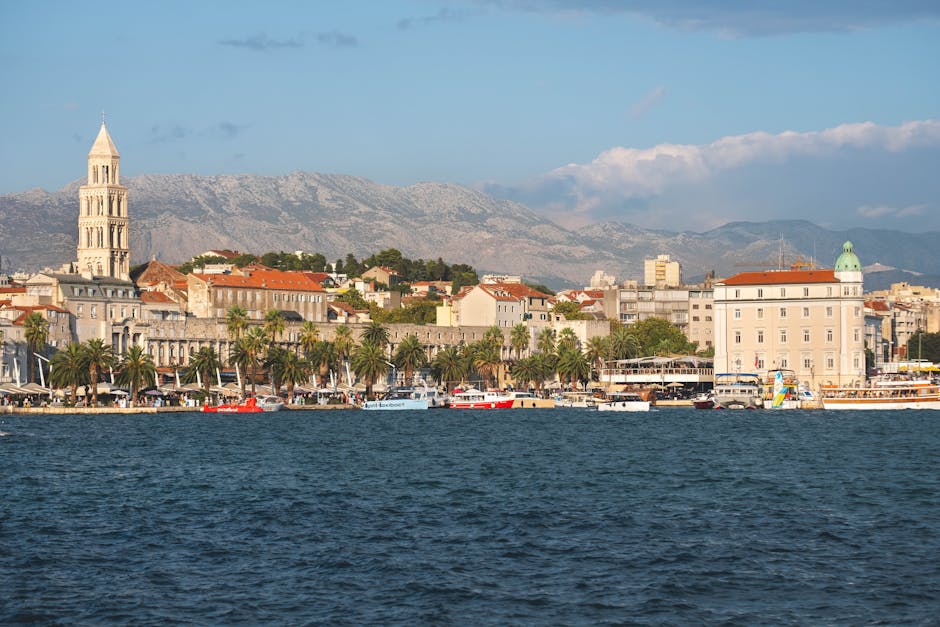
Panoramic view of Split, Silba, Croatia
- Historic Architecture: The 19th-century, 36-meter-high Toreta (Lighthouse Tower) offers panoramic views and is a symbol of the island’s seafaring heritage.
- Cultural Scene: The annual “Silba Film Festival” in August transforms gardens into open-air cinemas, showcasing independent films under the stars.
- Local Specialties: You must try “riba na gradele” (fish grilled over an open fire), ideally with a side of blitva (Swiss chard with potatoes).
Pro Tip: For the perfect balance of warm weather and solitude, target the shoulder seasons. Visit in late May or early June, or from mid-September to early October. The sea is swimmable, every restaurant table is available without a reservation, and you’ll have the island’s 15 km of walking paths largely to yourself.
Map of Silba, Croatia
Use these interactive maps to explore Silba, Croatia and plan your route:
📍 View Silba, Croatia on OpenStreetMap
🗺️ Open Silba, Croatia in Google Maps
Planning Your Trip: Practical Essentials
Getting There and Around
- By Air: The nearest airports are Zadar (ZAD, 3-4 hour ferry journey) and Rijeka (RJK, on Krk island, 2-3 hour ferry). From there, take a bus or taxi to the respective ferry ports in Zadar or Mali Lošinj. Book flights at Skyscanner for best deals.
- By Train: Croatia’s rail network doesn’t serve the islands directly. Your best bet is to take a train to Zadar or Rijeka, then proceed by local bus to the ferry port. Reserve tickets at Trainline or the national railway website.
- By Car: You can drive to ferry departure points in Zadar (Gaženica port) or to Mali Lošinj. Parking is available but can be tight in peak season; book a spot in advance. You cannot bring your car to Silba. Compare car rentals at RentalCars.com.
- Local Transport: There is no public transport. The island is 8 square km and explored entirely on foot. For luggage, locals operate tractor-drawn trailers that meet the ferry; a small tip (5-10 HRK) is appreciated.
Best Time to Visit
Silba has a classic Mediterranean climate, but its small size means the vibe changes dramatically with the seasons. July and August are lively and warm, while the shoulder months offer a more intimate, relaxed experience.
| Season | Weather | Highlights |
|---|---|---|
| Summer (Jun–Aug) | Warm, 25-30°C (77-86°F), sunny, low rainfall. | Peak season buzz, all restaurants/bars open, warm sea for swimming, festival events. Expect higher prices and need for accommodation bookings. |
| Winter (Dec–Feb) | Mild but quiet, 5-10°C (41-50°F), can be windy/rainy. | Extremely quiet; many businesses closed. For solitude seekers only. Ferry schedules are reduced. |
| Shoulder (Apr–May/Sep–Oct) | Pleasant, 15-25°C (59-77°F), fewer crowds. | Ideal for hiking and peaceful exploration. Sea is swimmable from late May and through September. Best value for accommodation. |
Budgeting for Silba, Croatia

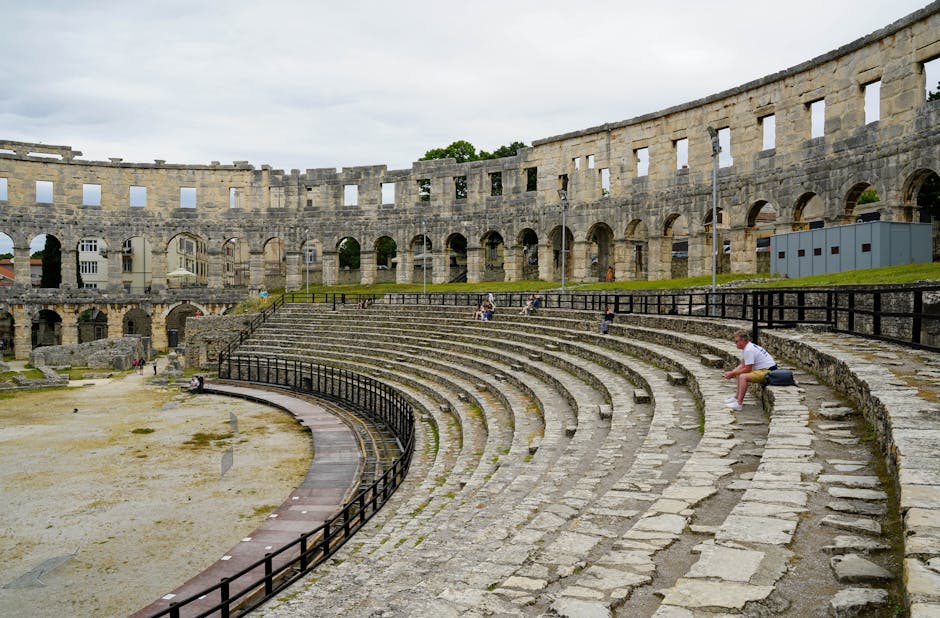
Stunning aerial shot of the ancient Roman Pula Arena in Croatia showcasing …, Silba, Croatia
| Category | Budget | Mid-range | Luxury |
|---|---|---|---|
| Accommodation | Private room: 250-400 HRK/night | Apartment/Studio: 500-800 HRK/night | Seaside Villa: 1200+ HRK/night |
| Meals | Konoba lunch: 80-120 HRK | Restaurant dinner: 150-250 HRK | Multi-course seafood feast: 350+ HRK |
| Transport | Walking: Free | Ferry tickets (Zadar-Silba): ~55 HRK/person/way | Private water taxi: 800+ HRK |
| Activities | Hiking, swimming: Free | Boat rental: 400-600 HRK/day | Private sailing tour: 1500+ HRK |
| Daily Total | ~400-600 HRK | ~800-1200 HRK | ~2000+ HRK |
Top Attractions and Must-See Sights
| Attraction | Description | Hours | Entry Fee |
|---|---|---|---|
| Climb the Toreta | Scale the historic lighthouse tower for a breathtaking 360-degree view of the entire archipelago. | 10:00-13:00 & 17:00-20:00 (Summer) | 20 HRK |
| Swim at Sotorisce Beach | A stunning, pine-shaded pebble beach on the island’s north coast, with unbelievably clear, turquoise water. | Always open | Free |
| Walk the Pilgrim’s Path to St. Mary’s Church | A scenic, peaceful walk through fragrant macchia to a charming 15th-century church on a hill. | Church often open in daylight hours | Free |
| Explore the Port & Mul Bay | The heart of island life; watch ferries come in, admire traditional stone houses, and swim in the sheltered Mul Bay. | Always open | Free |
3-Day Itinerary: Silba, Croatia’s Highlights & Hidden Gems
Day 1: Arrival & Island Immersion
- Morning (7-9 AM): Arrive on the morning ferry. Let a tractor trailer take your bags to your accommodation (pre-arrange this). Grab a coffee at **Caffe Bar Pizzeria Kod Mire** by the dock and simply watch the quiet port come to life.
- Afternoon (12-3 PM): Walk the gravel path to **Sotorisce Beach** (25 mins). Swim in the dazzling water. For lunch, head back to **Konoba Alavija** for their grilled squid (lignje na gradele) for about 110 HRK.
- Evening (6-8 PM): Climb the **Toreta** for sunset views. Afterwards, enjoy a relaxed dinner at **Restaurant Silba** on the waterfront, trying the fish platter for two.
Day 2: Culture, Views & Local Flavors
- Morning (8 AM): Hike the Pilgrim’s Path to **St. Mary’s Church**. The walk is gentle and filled with the scent of wild herbs. The view from the churchyard is a perfect photo opportunity.
- Afternoon (1 PM): Have a long, lazy lunch at **Konoba Trapula**, a family-run spot slightly off the main path known for its peka (meat or seafood baked under a bell-like lid) – order a day in advance.
- Evening (7 PM): If visiting in August, check the schedule for the **Silba Film Festival**. Otherwise, enjoy an aperitif at **Caffe Bar Mul** on the bay, followed by fresh pasta at **Pizzeria Rostrum**.
Day 3: Sea Exploration & Farewell
- Morning (9 AM): Rent a small wooden boat (gajeta) from the port for around 500 HRK/day. Navigate the calm waters to a secluded cove like **Barka Bay** for a private swim.
- Afternoon (1 PM): Return the boat and enjoy a final seaside lunch at **Buffet Mariza**, famous for its fried small fish (girice) and local white wine.
- Evening (5 PM): Take a final stroll through the olive groves on the island’s southern paths. Catch the evening ferry out, watching Silba’s silhouette fade into the Adriatic twilight.
Cultural Insights & Etiquette
- Language: Croatian is the official language. Key phrases: “Hvala” (Thank you), “Dobar dan” (Good day), “Oprostite” (Excuse me). English is widely spoken in tourist establishments.
- Customs: A warm but respectful demeanor is appreciated. When entering someone’s home or a small konoba, a simple greeting to those present is polite. The pace of life is slow; embrace it.
- Tipping: Tipping is customary but not excessive. Round up the bill or leave 5-10% for good service in restaurants. For cafe drinks, rounding up to the nearest 5 or 10 HRK is standard.
- Dress Code: Casual and comfortable for daytime. For dinner at nicer restaurants, “smart casual” is fine (no swimwear). Bring sturdy walking shoes for the gravel paths.
- Business Hours: Shops may close for a long afternoon break (siesta) from about 1 PM to 5 PM, especially outside peak season. In July/August, most places stay open all day.
Where to Eat: Silba, Croatia’s Best Bites
Dining on Silba is about fresh, simple ingredients from the sea and garden. The konoba (tavern) is the heart of culinary life, often family-run for generations. Don’t expect flashy menus; expect honest, flavorful food.
Must-Try Local Specialties
- Riba na Gradele: Whole fish (like sea bass or bream) grilled over an open wood fire. The ultimate taste of the Adriatic. Try it at **Restaurant Silba**.
- Peka: A feast of octopus, lamb, or veal with potatoes, slow-cooked under a metal bell covered in embers. Requires advance ordering. **Konoba Trapula** is renowned for theirs.
- Girice: Tiny, lightly fried fish eaten whole (like whitebait). A delicious, crispy snack best enjoyed with a glass of local wine at **Buffet Mariza**.
Restaurant Recommendations by Budget
| Type | Restaurant | Specialty | Price Range |
|---|---|---|---|
| Budget | Buffet Mariza (Port) | Fried small fish, simple grilled meats | 70-120 HRK |
| Mid-range | Konoba Alavija (Near Sotorisce) | Fresh grilled seafood & pasta | 120-200 HRK |
| Fine dining | Restaurant Silba (Waterfront) | Elegant seafood platters, wine list | 200-350 HRK |
Where to Stay
Accommodation is mostly private apartments, rooms, and a few small villas. There are no large hotels. Booking early for July/August is essential. Most places are a short walk from the port. Compare prices and book at Booking.com or Airbnb for apartments.
Best Neighborhoods for Accommodation
- Near the Port (Silba Village): The most convenient location for ferries, restaurants, and shops. You’ll be in the center of the gentle evening buzz. Ideal for first-time visitors and those who don’t want to walk far with luggage.
- Near Sotorisce Beach: A quieter, more secluded area surrounded by pine trees. You’ll have quicker access to the best beach but a 20-25 minute walk to the port restaurants. Perfect for a tranquil retreat.
- The Southern Paths: Scattered villas and apartments nestled in olive groves. Offers complete peace, stunning sea views, and beautiful walking paths. Best for those seeking solitude and self-sufficiency.

Discover the ancient Pula Amphitheater architectural marvel in Croatia, Silba, Croatia
FAQs: Your Silba, Croatia Questions Answered
1. Is Silba, Croatia safe at night?
Extremely safe. With no cars and a small, close-knit community, crime is virtually non-existent. You can walk anywhere on the island at any hour without concern. The main “hazard” is navigating the unlit gravel paths with a flashlight.
2. What currency is used and are credit cards accepted?
The official currency is the Croatian Kuna (HRK). While most restaurants and larger accommodation providers accept credit/debit cards (Visa/Mastercard), it is absolutely essential to carry cash (Kuna). Smaller konobas, beach bars, and market stalls often operate cash-only. ATMs are available in the port area.
3. How do I get from the airport to the island?
From Zadar Airport (ZAD), take the airport shuttle bus or a taxi (approx. 150-200 HRK) to the Gaženica ferry port (journey: 20 mins). From there, catch a Jadrolinija catamaran or ferry to Silba (journey: 1.5-3 hours). Always check the ferry schedule in advance, as it changes seasonally. Book airport transfers at GetYourGuide for convenience.
4. Do I need to speak the local language?
No. In all tourist-facing businesses, you will find staff who speak good English, and often German or Italian. Learning a few basic Croatian phrases (“hvala,” “dobar dan”) is a wonderful gesture that will be warmly appreciated by locals.
5. What’s the appropriate dress code?
Comfortable, casual clothing for walking and swimming is perfect for daytime. In the evening, especially for dinner at a nicer waterfront restaurant, travelers typically change into clean, smart-casual attire (linen shirts, summer dresses, trousers). Beachwear is strictly for the beach.
Final Thoughts: Silba, Croatia Awaits
Silba is not a destination for ticking off a list of major sights. It’s a destination for resetting your pace. It’s for the traveler who finds joy in the simplicity of a perfect swim, a meal of just-caught fish, and a conversation uninterrupted by engine noise.

