
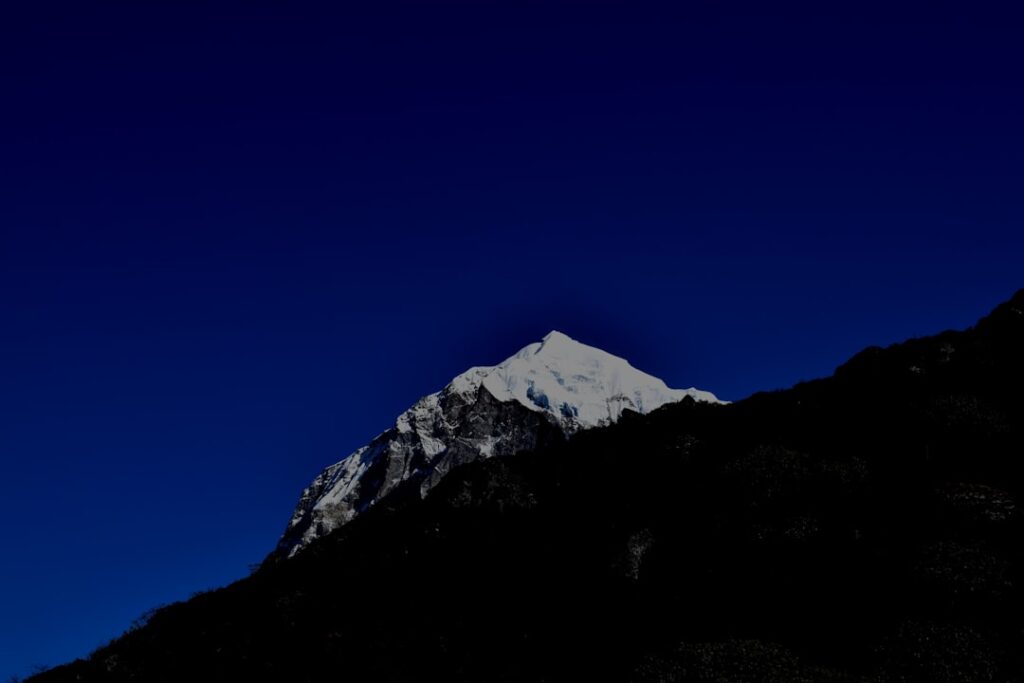
Sikkim, India’s Incredible Monasteries, Mountains & Organic Living (2026)
Ask locals about Sikkim, and they’ll tell you about the 5 AM ritual at Rumtek Monastery, where the scent of juniper incense mingles with the low hum of monks chanting. Most guidebooks miss this completely, focusing only on the postcard views of Kanchenjunga. But here, spirituality isn’t a spectacle; it’s the rhythm of daily life in India’s first 100% organic state, where terraced farms spill down valleys so pristine you’ll drink straight from mountain streams.
Why Sikkim, India Stands Out

Reflection of mountains on water, Sikkim, India
- Historic Architecture: The 1740 A.D. Pemayangtse Monastery, one of Sikkim’s oldest, houses an intricate seven-tiered wooden model of the heavenly abode of Guru Rinpoche, crafted over five years by a single monk.
- Cultural Scene: The Pang Lhabsol festival in September uniquely venerates Mount Kanchenjunga as a guardian deity with masked warrior dances, a tradition dating back to the 17th century.
- Local Specialties: You must try a steaming bowl of *Thukpa*, a hearty noodle soup loaded with local vegetables and meat, best enjoyed after a high-altitude trek.
Pro Tip: For the clearest mountain views and vibrant rhododendron blooms, target the shoulder months of October-November or March-April. Avoid the monsoon (June-August) when landslides are common, and book all permits and hotels at least 60 days in advance for the peak season.
Map of Sikkim, India
Use these interactive maps to explore Sikkim, India and plan your route:
📍 View Sikkim, India on OpenStreetMap
🗺️ Open Sikkim, India in Google Maps
Planning Your Trip: Practical Essentials
Getting There and Around
- By Air: Bagdogra Airport (IXB) in West Bengal is the nearest major airport, 124 km from Gangtok. Druk Air and IndiGo operate flights from major cities. Your best bet is to pre-book a shared jeep (₹600-800 per person) or a private taxi (₹3000) for the 4-hour drive to Gangtok. Book flights at Skyscanner for best deals.
- By Train: New Jalpaiguri (NJP) Railway Station is the closest railhead, also about 4 hours from Gangtok. Savvy travelers book the Darjeeling Mail or other trains from Kolkata. Reserve tickets at Trainline or the national railway website.
- By Car: Driving yourself requires a Protected Area Permit (PAP) and experience with treacherous mountain roads. Most visitors hire a local car with a driver (₹2000-3500 per day), which includes the permit facilitation. Compare car rentals at RentalCars.com for Bagdogra pick-up.
- Local Transport: Shared jeeps are the lifeline between towns (Gangtok to Pelling: ₹300, 5 hours). In Gangtok, use local taxis for point-to-point travel or book through your hotel. There are no ride-sharing apps like Uber.
Best Time to Visit
Your experience in Sikkim is dramatically shaped by the seasons. The ideal window balances pleasant weather, clear skies for mountain viewing, and accessible high-altitude passes.
| Season | Weather | Highlights |
|---|---|---|
| Summer (Jun–Aug) | 15°C to 25°C, heavy monsoon rains, frequent landslides. | Lush greenery, fewer tourists; but many roads to North Sikkim and treks are closed. Not recommended for first-timers. |
| Winter (Dec–Feb) | -5°C to 10°C, cold with snow in higher reaches. | Snow-covered landscapes, possible sighting of the rare Red Panda in lowland forests. Tsomgo Lake freezes over. Crowds are thin. |
| Shoulder (Apr–May/Sep–Oct) | 10°C to 20°C, clear skies, minimal rain. | Prime trekking season (Goecha La, Dzongri), unobstructed views of Kanchenjunga, blooming flowers. The absolute best time for a comprehensive visit. |
Budgeting for Sikkim, India

A herd of yaks standing next to a body of water, Sikkim, India
| Category | Budget | Mid-range | Luxury |
|---|---|---|---|
| Accommodation | ₹800-1500/night (basic homestay/guesthouse) | ₹3000-6000/night (3-star hotel with view) | ₹10,000+/night (5-star resort like Mayfair Spa) |
| Meals | ₹200-400/meal (local eateries, *momos*) | ₹500-1000/meal (hotel restaurant) | ₹1500+/meal (fine dining with curated local cuisine) |
| Transport | ₹300-500/day (shared jeeps) | ₹2500-3500/day (private taxi for 2-3) | ₹4000+/day (luxury SUV with dedicated driver) |
| Activities | Free hikes, monastery visits (donation ₹50-100) | Guided day treks (₹1500-2500), permit fees for Tsomgo Lake (₹300) | Private guided multi-day treks, helicopter tours of Kanchenjunga |
| Daily Total | ₹1500-2500 per day | ₹6000-10,000 per day | ₹15,000+ per day |
Top Attractions and Must-See Sights
| Attraction | Description | Hours | Entry Fee |
|---|---|---|---|
| Rumtek Dharma Chakra Centre | Sikkim’s most significant Kagyu monastery, a vibrant center of Tibetan Buddhism with stunning architecture and sacred relics. | 6:00 AM – 6:00 PM | Free (Camera: ₹100) |
| Tsomgo (Changu) Lake | A glacial lake at 12,400 ft, sacred to locals, changing colors with seasons and surrounded by prayer-flag-dotted mountains. | Sunrise to Sunset (Permit required) | Permit Fee: ₹300 per person |
| Nathula Pass | Once part of the ancient Silk Road, this border pass at 14,140 ft offers a poignant glimpse into Indo-China relations (open to Indian nationals only). | Wednesday to Sunday, 10 AM – 1 PM | Permit Fee: ₹400 + Guide Fee |
| Pelling Skywalk | India’s first glass-bottomed skywalk at Sangachoeling Monastery, offering a heart-pounding, panoramic view of the Himalayan range. | 8:00 AM – 5:00 PM | ₹100 per person |
3-Day Itinerary: Sikkim, India’s Highlights & Hidden Gems
Day 1: Gangtok’s Spiritual & Cultural Heart
- Morning (7-9 AM): Attend the morning prayers at Rumtek Monastery. The energy is palpable as monks chant. Remember to walk clockwise around the complex.
- Afternoon (12-3 PM): Explore the Namgyal Institute of Tibetology, a museum housing rare Buddhist manuscripts. For lunch, head to 9’ine Native Cuisine for their organic *Phagshapa* (pork with radish).
- Evening (6-8 PM): Take the ropeway from Deorali for aerial city views, then stroll MG Marg (a vehicle-free zone). Enjoy dinner at The Square for modern Sikkimese fusion.
Day 2: High Altitude Lakes & Alpine Majesty
- Morning (7 AM): Depart early with a pre-arranged permit and taxi (₹3500-4000 for the day) for Tsomgo Lake. The 3-hour drive is part of the adventure. Rent a woolen jacket at the site if needed (₹100).
- Afternoon (1 PM): After soaking in the lake’s beauty, have a simple lunch at the stalls serving hot *momos* and tea. On the return, stop at Kyongnosla Alpine Sanctuary for a chance to spot rare flora.
- Evening (6 PM): Return to Gangtok. For a relaxed evening, visit Baker’s Cafe near MG Marg for excellent coffee and walnut brownies.
Day 3: West Sikkim’s Serenity & History
- Morning (7 AM): Take a shared jeep (₹300, 5 hours) to Pelling. The journey itself, winding through cardamom plantations, is stunning. Check into a hotel with a Kanchenjunga view.
- Afternoon (1 PM): Visit the ancient Pemayangtse Monastery and the nearby Rabdentse Ruins, the former capital of Sikkim. Have lunch at Melting Point Restaurant for delicious *Churpi* (fermented cheese) soup.
- Evening (5 PM): Cap your trip at the Pelling Skywalk for a final, breathtaking Himalayan vista. Enjoy a farewell dinner at your hotel, savoring the mountain air.
Cultural Insights & Etiquette
- Language: Nepali, Sikkimese (Bhutia), and Lepcha are official. English and Hindi are widely understood in tourist areas. A simple “*Kuzu zangpo*” (Hello in Bhutia) is appreciated.
- Customs: Always circumambulate monasteries, chortens, and mani wheels clockwise. Never point your feet at a person, monk, or sacred object. Seek permission before photographing people or inside monastery sanctums.
- Tipping: Not mandatory but appreciated. For drivers/guides, ₹200-300 per day is standard. In restaurants, a 5-10% tip for good service is polite.
- Dress Code: Modesty is key, especially at religious sites. Cover shoulders and knees. Remove shoes and hats before entering temple halls.
- Business Hours: Shops generally open from 9 AM to 7 PM. Government offices work 10 AM to 4 PM, Monday to Friday. Many businesses close on Sundays.
Where to Eat: Sikkim, India’s Best Bites
Sikkimese cuisine is a humble, hearty blend of Tibetan, Nepali, and indigenous Lepcha influences. It’s less about spice and more about warmth and flavor, using locally sourced, organic ingredients. Meals are often accompanied by the local millet beer, *Tongba*.
Must-Try Local Specialties
- Thukpa & Thenthuk: The ultimate comfort food. *Thukpa* is a noodle soup, while *Thenthuk* features hand-pulled noodles. Find authentic bowls at **Taste of Tibet** in Gangtok.
- Gundruk & Sinki: A taste of local preservation—fermented leafy greens (*Gundruk*) or radish taproots (*Sinki*). Often used in soups or as a side dish, it’s an acquired, tangy flavor.
- Sha Phaley: A deep-fried, crescent-shaped pastry stuffed with seasoned meat and cabbage. Perfect trekking snack. Best sampled at street stalls in Lal Bazaar, Gangtok.
Restaurant Recommendations by Budget
| Type | Restaurant | Specialty | Price Range |
|---|---|---|---|
| Budget | **Parivar Restaurant**, Gangtok | Authentic, no-frills *momos*, *thukpa*, and rice plates. | ₹150-300 per meal |
| Mid-range | **The Coffee Shop**, Gangtok (Hotel Tashi Delek) | Excellent multi-cuisine with stellar valley views and superb Sikkimese platters. | ₹500-1000 per meal |
| Fine dining | **The Chinese Room**, Mayfair Spa Resort, Gangtok | An elegant, curated experience with Himalayan and Pan-Asian cuisine in a luxurious setting. | ₹2000+ per meal |
Where to Stay
Your base defines your Sikkim experience. Gangtok offers convenience and amenities, Pelling delivers jaw-dropping mountain views, and Lachung/Yumthang provide access to alpine valleys. Book homestays for authentic local interaction. Compare prices and book at Booking.com or Airbnb for apartments.
Best Neighborhoods for Accommodation
- Gangtok (Deorali & Development Area): Central, with easy access to taxis, ropeway, and restaurants. Offers a range of hotels. Can be bustling. Ideal for first-time visitors and those without private transport.
- Pelling: A quieter town where you can wake up to an unobstructed view of Kanchenjunga from your hotel window. Perfect for relaxation and exploring West Sikkim’s monasteries. Less nightlife.
- Lachung: A picturesque village in North Sikkim, your gateway to Yumthang Valley and Zero Point. Accommodation is mostly in cozy family-run lodges. Requires a 2-night minimum stay as part of a permitted package.

A view of a winding road in the mountains, Sikkim, India
FAQs: Your Sikkim, India Questions Answered
1. Is Sikkim, India safe at night?
Yes, Sikkim is considered one of India’s safest states. Gangtok’s MG Marg is lively and safe for evening strolls. However, always exercise general caution in isolated areas, and avoid walking alone on poorly lit remote roads. Women travelers often report feeling secure here.
2. What currency is used and are credit cards accepted?
The Indian Rupee (INR) is the currency. While hotels, larger restaurants, and shops in Gangtok and Pelling accept credit/debit cards, cash is king everywhere else—especially for taxis, local transport, small eateries, and permits. ATMs are available in major towns, but it’s wise to carry sufficient cash when traveling to remote areas.
3. How do I get from the airport to the city center?
From Bagdogra Airport (IXB) to Gangtok (124 km), pre-booking a taxi is your best bet. Shared jeeps (₹600-800 per person) wait outside the terminal; they leave when full (4-5 hours). Private taxis cost ₹3000-3500. Your hotel can often arrange a reliable pickup. Book airport transfers at GetYourGuide for convenience.
4. Do I need to speak the local language?
Not at all. English is commonly spoken in the tourism and hospitality sectors. Hotel staff, tour guides, and taxi drivers catering to tourists

