
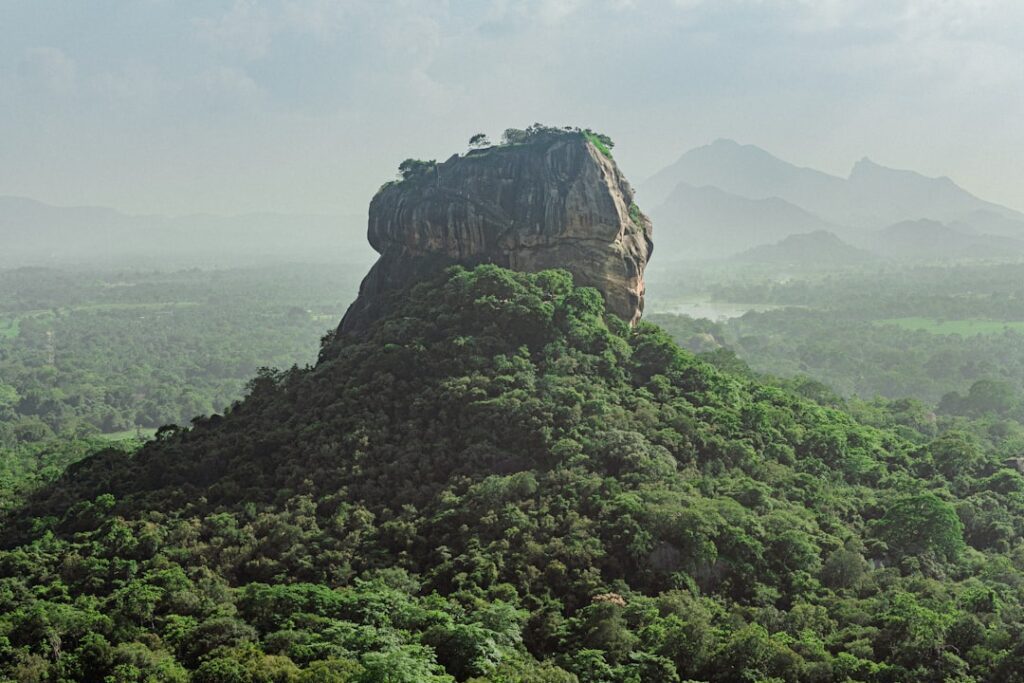
Sigiriya, Sri Lanka: Hidden Ancient Fortresses, Jungle Wildlife & Village Hospitality (2026)
What if a single rock could tell the story of a paranoid king, celestial maidens, and a lost civilization? Sigiriya, Sri Lanka proves it can. Rising 200 meters from the central plains, this 5th-century fortress is an archaeological puzzle wrapped in jungle mist. At 6:15 AM, the first sunbeams strike the Mirror Wall, once polished so finely the king could see his reflection, and the air fills with the chatter of langur monkeys and the scent of frangipani. This isn’t just a ruin; it’s a time capsule demanding to be climbed.
Why Sigiriya, Sri Lanka Stands Out

Landscape photography of farm, Sigiriya, Sri Lanka
- Historic Architecture: The 5th-century Sigiriya Rock Fortress, built by King Kasyapa, is a UNESCO site famed for its ancient hydraulic engineering, frescoes, and sheer audacity.
- Cultural Scene: The annual Poson Poya festival in June sees thousands of white-clad pilgrims ascend the rock by torchlight, a breathtaking spiritual spectacle.
- Local Specialties: You must try Kottu Roti, a hearty, stir-fried street food dish made with godamba roti, vegetables, and your choice of meat, served with a fiery lunu miris sambol.
Pro Tip: Your best bet is to enter the Sigiriya Rock site precisely at 7:00 AM when the gates open. You’ll avoid the brutal midday heat, have the frescoes and summit largely to yourself, and witness the plains shrouded in magical morning mist. The light is also perfect for photography.
Map of Sigiriya, Sri Lanka
Use these interactive maps to explore Sigiriya, Sri Lanka and plan your route:
📍 View Sigiriya, Sri Lanka on OpenStreetMap
🗺️ Open Sigiriya, Sri Lanka in Google Maps
Planning Your Trip: Practical Essentials
Getting There and Around
- By Air: Bandaranaike International Airport (CMB) in Colombo is the main gateway. From there, it’s a 4-5 hour drive. You can book a private transfer (approx. LKR 25,000) or take a bus/train combo. Book flights at Skyscanner for best deals.
- By Train: There’s no direct train to Sigiriya village. The scenic route is to take the train to Habarana (from Colombo or Kandy), a stunning journey through tea country, then a 20-minute tuk-tuk ride. Reserve tickets at Trainline or the national railway website.
- By Car: Renting a car with a driver is highly recommended for the Cultural Triangle. The roads from Colombo/Kandy are good. Expect to pay LKR 10,000-15,000 per day for car and driver. Compare car rentals at RentalCars.com.
- Local Transport: Tuk-tuks are your go-to for short trips (LKR 300-800). For day trips to Dambulla or Polonnaruwa, negotiate a half/full-day rate (LKR 5,000-8,000). There are infrequent local buses connecting villages.
Best Time to Visit
The ideal window to visit Sigiriya is during the dry seasons, when rain won’t interrupt your climb and wildlife viewing is at its peak. The shoulder months offer a sweet spot of good weather and slightly thinner crowds.
| Season | Weather | Highlights |
|---|---|---|
| Dry Season (May–Sep) | Hot (28-33°C) and humid, with sporadic afternoon showers, especially in May. | Lush green landscapes, excellent for photography; water levels high in tanks (reservoirs). |
| Peak Season (Dec–Mar) | Pleasant and dry (22-30°C), with cool mornings perfect for climbing. | The most reliable weather, but also peak crowds and prices. Book everything well in advance. |
| Shoulder (Apr & Oct–Nov) | Variable; April can be very hot, November brings monsoon rains. | Fewer tourists in April; lower prices. The Maha monsoon (Oct-Dec) can bring heavy rain. |
Budgeting for Sigiriya, Sri Lanka

Green grass field near mountain during daytime, Sigiriya, Sri Lanka
| Category | Budget | Mid-range | Luxury |
|---|---|---|---|
| Accommodation | LKR 4,000-8,000 (guesthouse) | LKR 15,000-30,000 (boutique hotel) | LKR 40,000+ (eco-lodge/villa) |
| Meals | LKR 500-1,500 (local rice & curry) | LKR 2,000-4,000 (hotel restaurant) | LKR 6,000+ (fine dining) |
| Transport | LKR 2,000 (tuk-tuk/bus day) | LKR 8,000 (car & driver day) | LKR 15,000+ (private van) |
| Activities | LKR 10,000 (Sigiriya ticket) | LKR 15,000 (2 sites + safari) | LKR 25,000+ (private guides, exclusive tours) |
| Daily Total | LKR 16,500-22,000 (~$55-75) | LKR 40,000-65,000 (~$130-215) | LKR 85,000+ (~$280+) |
Top Attractions and Must-See Sights
| Attraction | Description | Hours | Entry Fee |
|---|---|---|---|
| Sigiriya Rock Fortress | The iconic lion-rock citadel with ancient frescoes, water gardens, and panoramic summit views. | 7:00 AM – 5:30 PM | $30 USD (LKR ~10,000) |
| Pidurangala Rock | The cheaper, alternative climb with the *best* direct view of Sigiriya Rock, especially at sunrise. | 5:00 AM – 6:00 PM | LKR 1,000 |
| Minneriya or Kaudulla National Park | Famous for “The Gathering,” where hundreds of wild elephants congregate around the tank (July-Oct). | 6:00 AM – 6:30 PM | ~$40 USD for safari jeep + park fees |
| Dambulla Cave Temple | A stunning UNESCO site of 5 caves housing over 150 Buddha statues and intricate ceiling paintings. | 7:30 AM – 7:00 PM | $10 USD (LKR ~3,000) |
3-Day Itinerary: Sigiriya, Sri Lanka’s Highlights & Hidden Gems
Day 1: The Ancient Citadel & Village Life
- Morning (7:00 AM): Summit Sigiriya Rock. Arrive at opening to beat the heat. Spend 3-4 hours exploring the water gardens, climbing through the lion’s paw gate, and deciphering the graffiti on the Mirror Wall.
- Afternoon (1:00 PM): Late lunch at **Sigiriya Village Restaurant** for an authentic, budget-friendly rice and curry spread. Then, visit the **Sigiriya Museum** (included in your ticket) to contextualize the history you just witnessed.
- Evening (5:30 PM): Take a guided bicycle tour through the surrounding villages with a local operator like **Eco Team Sri Lanka**. You’ll see paddy fields, meet artisans, and end with a sunset view of the rock from the fields.
Day 2: Wildlife, Views & Cave Temples
- Morning (5:30 AM): Sunrise climb up **Pidurangala Rock** (LKR 1,000). The 45-minute hike is rougher than Sigiriya, but the unimpeded view of the fortress bathed in dawn light is unforgettable. Wear sturdy shoes.
- Afternoon (12:00 PM): Drive 30 mins to **Dambulla Cave Temple**. Explore the five awe-inspiring caves. For lunch, stop at **J&G Restaurant** in Dambulla for delicious clay-pot kottu.
- Evening (3:00 PM): Embark on an afternoon safari in **Minneriya National Park** (or Kaudulla, depending on the season). This is prime time to see elephants bathing, grazing, and socializing as the day cools.
Day 3: Local Crafts & A Royal City
- Morning (8:00 AM): Hire a tuk-tuk (LKR 3,000) to the nearby village of **Hiriwadunna**. Take a guided canoe ride across the lake and a bullock cart ride to a local farmhouse for a true Sri Lankan breakfast cooked over a clay hearth.
- Afternoon (1:00 PM): Drive 1 hour to the ancient city of **Polonnaruwa**, a UNESCO site. Rent bicycles (LKR 500) to explore the sprawling ruins of palaces, stupas, and the famous Gal Vihara rock temples.
- Evening (6:30 PM): Return to Sigiriya for a farewell dinner at **Lak View Restaurant**. Their jackfruit curry and fresh lake fish are superb. Request a table on the terrace for a final, majestic view of the rock.
Cultural Insights & Etiquette
- Language: Sinhala and Tamil are official; English is widely spoken in tourist areas. Learn “Ayubowan” (hello/goodbye with palms together), “Istuti” (thank you), and “Kohomada?” (how are you?).
- Customs: Always remove shoes and hats before entering temples. Dress modestly (covered shoulders and knees). It’s disrespectful to turn your back to a Buddha statue for a photo.
- Tipping: Not mandatory but appreciated. Tip drivers LKR 500-1,000 per day, restaurant staff 10% if service charge isn’t included, and guides LKR 1,000-2,000.
- Dress Code: Light, breathable cotton or linen is key. For temple visits, men should wear long trousers, women long skirts or pants with a top covering shoulders. Carry a sarong to cover up when needed.
- Business Hours: Shops 9:00 AM-6:00 PM; restaurants 11:00 AM-10:00 PM. Banks and government offices close on full moon Poya days, a monthly public holiday.
Where to Eat: Sigiriya, Sri Lanka’s Best Bites
Dining in Sigiriya revolves around hearty Sri Lankan cuisine. You’ll find most restaurants are attached to guesthouses or hotels, serving generous “rice and curry” buffets for lunch. For authentic local flavor, venture to the small village eateries.
Must-Try Local Specialties
- Rice and Curry: Not one dish but a symphony: a mound of rice surrounded by 5-8 small bowls of different curries (dhal, pumpkin, beetroot, fried fish) and sambols. Try it at **Mango Mango Restaurant**.
- Hoppers (Appa): Bowl-shaped fermented rice flour pancakes, crispy on the edges, soft in the center. The egg hopper (with a fried egg in the middle) is a classic breakfast. **Cafe Sigiriya** makes excellent ones.
- Wood Apple Juice: A unique, tangy, and slightly sour local fruit drink that’s surprisingly refreshing in the heat. Available at most juice stalls.
Restaurant Recommendations by Budget
| Type | Restaurant | Specialty | Price Range |
|---|---|---|---|
| Budget | **Family Restaurant** (Sigiriya Village) | Huge, delicious rice and curry buffet in a simple setting. | LKR 600-1,200 |
| Mid-range | **The King’s Rock** (In Sigiriya) | Western & Sri Lankan fusion with a great view of the rock from the garden. | LKR 2,000-3,500 |
| Fine dining | **The Dining Room at Water Garden Sigiriya** | Elegant, gourmet takes on local ingredients in a stunning resort setting. | LKR 5,000+ |
Where to Stay
Accommodation in Sigiriya is spread out in the surrounding jungle and villages, not in a dense town center. You’ll choose between rustic guesthouses, charming boutique hotels with rock views, and ultra-luxurious eco-retreats. Compare prices and book at Booking.com or Airbnb for apartments.
Best Neighborhoods for Accommodation
- Sigiriya Village: The closest area to the rock entrance. Packed with budget guesthouses and mid-range hotels. You can often walk to the ticket office. Perfect for early risers.
- Inamaluwa & Pidurangala Area: A slightly more spread-out, greener area with many boutique hotels and homestays. Offers a more tranquil, jungle-feel while still being a short tuk-tuk ride away.
- Lakeside/Kandalama: A 15-20 minute drive away, this area boasts the most luxurious resorts (like Heritance Kandalama) with stunning lake views, infinity pools, and world-class amenities.

Green-leafed trees, Sigiriya, Sri Lanka
FAQs: Your Sigiriya, Sri Lanka Questions Answered
1. Is Sigiriya, Sri Lanka safe at night?
Yes, Sigiriya is generally very safe. The main concern after dark is wildlife (like elephants) on rural roads, so avoid walking alone in unlit jungle areas. Tuk-tuks are readily available for short trips. Exercise normal precautions with your belongings.
2. What currency is used and are credit cards accepted?
The Sri Lankan Rupee (LKR) is the currency. Credit cards (Visa/Mastercard) are accepted at most hotels, nicer restaurants, and for activity bookings. However, you will need cash (rupees) for tuk-tuks, small eateries, village visits, and temple entry fees. ATMs are available in Dambulla and Habarana.
3. How do I get from the airport to Sigiriya?
The most convenient option is a pre-booked private taxi, taking 4-5 hours and costing LKR 20,000-28,000. You can also take an airport bus to Colombo (CMB), then a public bus to Dambulla/Habarana, and a tuk-tuk to Sigiriya (cheaper but 6-7 hours). Book airport transfers at GetYourGuide for convenience.

