
Sichuan’s Wildlife, China’s Incredible Pandas, Peaks & Ancient Forests (2026)
While millions of tourists crowd into Beijing’s Forbidden City or Shanghai’s Bund, fewer than 10% of China’s international visitors venture into the heart of Sichuan’s protected wilderness. Yet, this province holds over 80% of China’s giant panda population and shelters more endemic mammal species than any other region in the country. Here, you can stand in a 7,000-year-old forest one morning and watch a snow leopard stalk its prey on a Himalayan ridge the next—experiences that define true wilderness.
Why Sichuan’s Wildlife, China Stands Out

Brown trees near lake and mountain under blue sky during daytime, Sichuan’s Wildlife, China
- Historic Architecture: The 1,200-year-old Leshan Giant Buddha, carved from a cliff face in 803 AD, is the world’s largest stone Buddha and a UNESCO site where spirituality meets monumental artistry.
- Cultural Scene: The annual Siguniang Mountain International Climbing Festival each October transforms the valley into a vibrant hub of Tibetan culture, mountaineering legends, and traditional horse racing.
- Local Specialties: You must try Mapo Tofu, the iconic Chengdu dish featuring silken tofu and minced beef in a fiery, numbing bean-and-chili sauce that embodies the region’s *mala* flavor profile.
Pro Tip: Your best bet for wildlife viewing is during the shoulder seasons of April-May and September-October. The weather is mild, the forests are lush or autumnal, and animals are most active, while the summer tourist crowds have dissipated. For pandas, aim for a morning visit between 8:30-10:30 AM when they are most lively during feeding time.
Map of Sichuan’s Wildlife, China
Use these interactive maps to explore Sichuan’s Wildlife, China and plan your route:
📍 View Sichuan’s Wildlife, China on OpenStreetMap
🗺️ Open Sichuan’s Wildlife, China in Google Maps
Planning Your Trip: Practical Essentials
Getting There and Around
- By Air: Chengdu Shuangliu International Airport (CTU) is the main gateway, with direct flights from major Asian and European hubs. Book flights at Skyscanner for best deals. A taxi to the city center costs about ¥80-100 and takes 40 minutes.
- By Train: Chengdu is a major high-speed rail hub. The bullet train from Xi’an takes about 3 hours, from Chongqing just 1.5 hours. Reserve tickets at Trainline or the national railway website.
- By Car: Renting a car with a driver is highly recommended for reaching remote reserves like Wanglang. Mountain roads can be challenging. Compare car rentals at RentalCars.com.
- Local Transport: For regional travel, long-distance buses connect Chengdu with towns like Wolong and Jiuzhaigou. In Chengdu, the metro is efficient and cheap (¥2-7 per ride).
Best Time to Visit
The optimal time balances wildlife activity, accessibility, and comfortable weather. Spring and autumn offer the sweet spot, while winter provides unique, crowd-free snowscapes for hardy travelers.
| Season | Weather | Highlights |
|---|---|---|
| Summer (Jun–Aug) | Warm, 20-30°C (68-86°F); frequent afternoon rain in the mountains. | Lush greenery, all parks open; peak domestic tourism means crowds and higher prices. |
| Winter (Dec–Feb) | Cold, -5 to 10°C (23-50°F); snow in high-altitude reserves. | Stunning snowy landscapes, few tourists; some remote areas may be inaccessible. Potential for spotting snow leopards. |
| Shoulder (Apr–May/Sep–Oct) | Mild, 10-22°C (50-72°F); stable, clear days ideal for hiking. | Best wildlife viewing, pleasant temperatures, vibrant spring blooms or autumn colors, manageable visitor numbers. |
Budgeting for Sichuan’s Wildlife, China

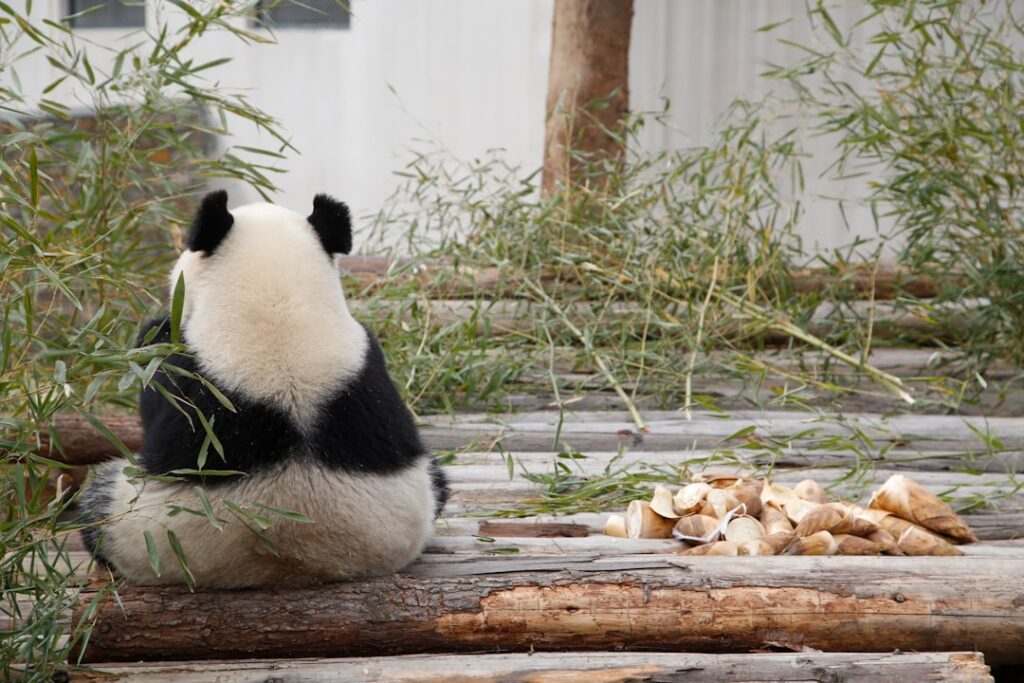
A panda bear sitting on top of a tree, Sichuan’s Wildlife, China
| Category | Budget | Mid-range | Luxury |
|---|---|---|---|
| Accommodation | Hostel/Guesthouse: ¥100-200/night | Comfortable Hotel: ¥400-800/night | Boutique Lodge/5-Star: ¥1200+/night |
| Meals | Street Food/Local Eateries: ¥30-50/day | Restaurant Meals: ¥100-150/day | Fine Dining: ¥300+/day |
| Transport | Public Bus/Metro: ¥20-50/day | Taxi/Private Car Day Trips: ¥300-500/day | Private Driver & Guide: ¥800+/day |
| Activities | Park Entry Fees: ¥50-200 | Guided Day Hikes: ¥300-500 | Multi-Day Specialist Wildlife Tours: ¥1500+/day |
| Daily Total | ¥200-500/day | ¥800-1500/day | ¥2500+/day |
Top Attractions and Must-See Sights
| Attraction | Description | Hours | Entry Fee |
|---|---|---|---|
| Chengdu Research Base of Giant Panda Breeding | The world’s most famous panda conservation center, where you can observe pandas of all ages in expansive, naturalistic enclosures. | 7:30 AM – 6:00 PM | ¥55 |
| Wolong National Nature Reserve | A vast, restored wilderness area where you can see pandas in semi-wild conditions and trek through pristine forest with a chance to spot takin and golden monkeys. | 9:00 AM – 5:00 PM | ¥90 |
| Jiuzhaigou Valley National Park | A UNESCO site famed for its ethereal, multi-colored lakes, waterfalls, and snow-capped peaks, home to endangered species like the Sichuan golden snub-nosed monkey. | 8:00 AM – 5:00 PM (Apr-Nov) | ¥169 (off-peak) / ¥259 (peak) |
| Tangjiahe Nature Reserve | A lesser-visited gem offering some of China’s best mammal watching, with high chances of seeing wild takin, golden pheasants, and if you’re incredibly lucky, a wild panda. | 8:30 AM – 4:30 PM | ¥50 |
3-Day Itinerary: Sichuan’s Wildlife, China’s Highlights & Hidden Gems
Day 1: Pandas & Ancient Chengdu
- Morning (7:30 AM): Arrive at the Chengdu Panda Base right at opening. Head straight to the adult panda enclosures to see them during their active morning feed. Don’t miss the playful red pandas in their separate forested area.
- Afternoon (12:30 PM): Take a taxi to the Wenshu Monastery for a peaceful stroll and a vegetarian lunch at its famous tea house for around ¥40. Then, explore the historic Jinli Ancient Street, sampling local snacks like *zhangcha duck*.
- Evening (7:00 PM): Enjoy a classic Sichuan hotpot dinner at Haidilao (known for its service) or a more local spot like Shu Jiuxiang. Cap the night with a face-changing opera performance at the Shufengyayun Teahouse (tickets ¥150-280).
Day 2: Into the Wild: Wolong Reserve
- Morning (6:30 AM): Depart Chengdu with a pre-booked driver (¥600-800 round trip) for the 3-hour journey to Wolong. Your first stop is the Shenshuping Panda Base within the reserve (entry ¥90), a more natural and less crowded setting than Chengdu’s base.
- Afternoon (1:00 PM): Have a simple lunch at a local guesthouse. Then, embark on a guided 3-hour hike on the Gengda hiking trail with a local naturalist (guide fee ~¥200). Keep your eyes peeled for pheasants, serows, and the dense bamboo forests that sustain pandas.
- Evening (6:00 PM): Stay overnight in a local Tibetan-style guesthouse in Wolong town (¥150-300/night). Enjoy a home-cooked meal and the incredible, star-filled mountain sky, a stark contrast to city lights.
Day 3: Spiritual Giants & Forest Bathing
- Morning (8:00 AM): Drive 2 hours from Wolong to the Leshan Giant Buddha. Opt for the hiking path down alongside the colossal statue (entry ¥80). The scale is breathtaking from the riverbank viewpoint.
- Afternoon (12:30 PM): Take a short boat trip (¥70) on the Min River for the iconic full-face view of the Buddha. For lunch, try the local specialty, Leshan *tiaozao* beef, at a restaurant near the dock.
- Evening (4:00 PM): Return to Chengdu. For a final culinary adventure, head to the Yulin Life Plaza area and dine at Chen Mapo Tofu (the reputed originator of the dish) for an authentic, fiery farewell.
Cultural Insights & Etiquette
- Language: Mandarin is essential. Learn a few phrases: “Nǐ hǎo” (Hello), “Xièxie” (Thank you), “Zhè shì duōshǎo qián?” (How much is this?). In Tibetan areas of western Sichuan, “Tashi Delek” is a common greeting.
- Customs: When visiting Tibetan communities, always walk clockwise around stupas, mani stones, and temples. It’s polite to receive offerings (like a khata scarf) with both hands.
- Tipping: Not customary in mainland China, but appreciated by private drivers and specialist guides. For excellent service, 5-10% is a generous gesture.
- Dress Code: Modesty is key, especially at religious sites. Cover shoulders and knees. For hiking, wear sturdy, waterproof boots and layers—weather changes rapidly in the mountains.
- Business Hours: Major attractions open 8:00 AM-6:00 PM. Government offices and some museums close for a long lunch (12:00-2:00 PM). Many shops are open late, until 9:00 or 10:00 PM.
Where to Eat: Sichuan’s Wildlife, China’s Best Bites
Sichuan cuisine is an adventure for the senses, built on the foundational flavors of *mala* (numbing and spicy), *yuxiang* (fish-fragrant), and complex aromatics. Dining is social, lively, and often shared. Don’t just eat in tourist zones; the best flavors are in bustling local joints where the menu is only in Chinese.
Must-Try Local Specialties
- Mapo Tofu: The iconic dish of silken tofu and minced meat in a fiery, oily sauce with Sichuan peppercorns. For the classic experience, seek out Chen Mapo Tofu in Chengdu.
- Chongqing Hot Pot: A communal pot of searingly spicy broth for cooking thinly sliced meats, vegetables, and offal. Haidilao is famous for its theatrical service, while Longsen Hotpot offers a more local vibe.
- Dan Dan Noodles: Wheat noodles in a spicy, savory, nutty sauce with minced pork. You’ll find superb versions at small noodle shops like Zhang Liang Fen across Chengdu for under ¥15.
Restaurant Recommendations by Budget
| Type | Restaurant | Specialty | Price Range |
|---|---|---|---|
| Budget | Lung Tao Xie Hotpot (Chengdu, Yulin area) | Authentic, no-frills Sichuan hotpot with excellent ingredients | ¥50-80 per person |
| Mid-range | Yulin Chuan Chuan Xiang (Chengdu) | Skewer hotpot (*chuanchuan*), a fun and interactive local style | ¥80-120 per person |
| Fine dining | Imperial Palace (Ritz-Carlton Chengdu) | Exquisite, refined Cantonese and Sichuan dishes in an elegant setting | ¥300+ per person |
Where to Stay
Your base is crucial. Chengdu offers all comforts and easy access, but staying in a reserve town like Wolong provides an immersive wilderness experience. Compare prices and book at Booking.com or Airbnb for apartments.
Best Neighborhoods for Accommodation
- Chunxi Road / Tianfu Square (Chengdu): The bustling city center. Pros: Best transport links, wide hotel selection, endless dining. Cons: Can be noisy, less local character. Ideal for first-time visitors and short stays.
- Jinli / Wuhou Temple Area (Chengdu): Rich in historical ambiance. Pros: Walkable to ancient streets and temples, more cultural vibe. Cons: Can be touristy, slightly pricier. Suits culture and history enthusiasts.
- Wolong Town / Gengda: In the heart of panda country. Pros: Waking up in the mountains, direct access to trails, authentic local stays. Cons: Limited amenities, basic accommodations. Perfect for wildlife purists and hikers.

A panda bears safely in a tree., Sichuan’s Wildlife, China
FAQs: Your Sichuan’s Wildlife, China Questions Answered
1. Is Sichuan’s Wildlife, China safe at night?
Chengdu is generally very safe, even at night, with busy streets and good lighting. However, when in remote nature reserves, it’s not advisable to wander after dark due to wildlife (though dangerous encounters are extremely rare) and a lack of lighting or people. Always inform your guesthouse of your hiking plans.
2. What currency is used and are credit cards accepted?
The Chinese Yuan (CNY or RMB) is the currency. While major hotels, upscale restaurants, and large stores in Chengdu accept international credit cards (Visa/Mastercard), cash is king in smaller towns, for taxis, local eateries, and market purchases. Always carry a supply of cash. ATMs are widely available in cities.
3. How do I get from the airport to the city center?
Chengdu Shuangliu Airport (CTU) is well-connected. The most convenient option is a taxi, which takes 40 minutes and costs ¥80-100. The Metro Line 10 also runs directly to the city center in about 45 minutes for just ¥4-6. Book airport transfers at GetYourGuide

