
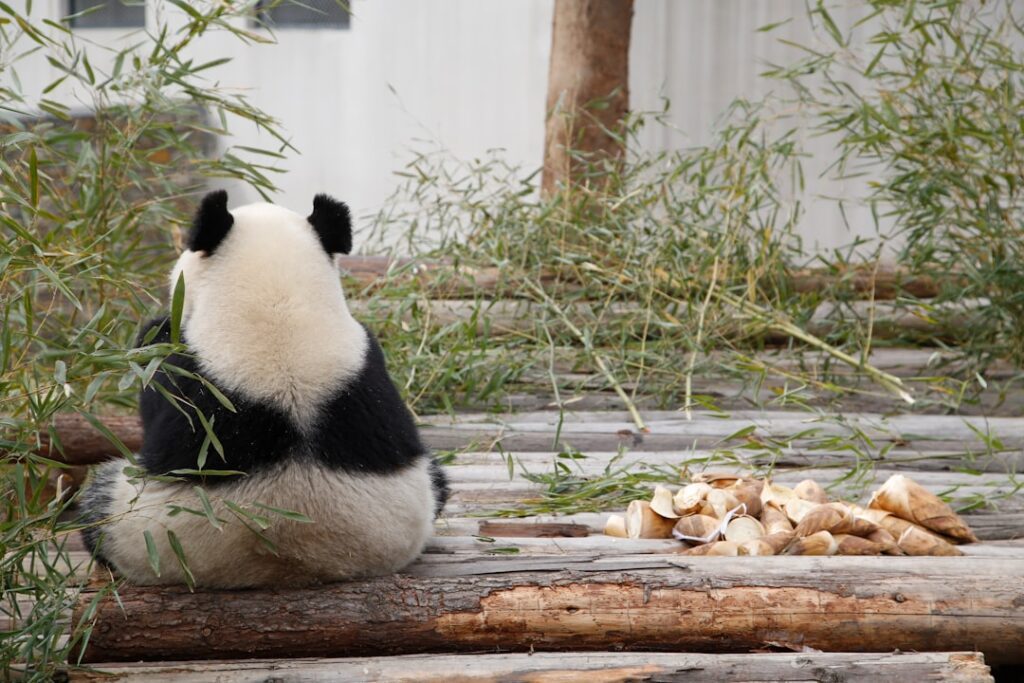
Sichuan’s Panda Sanctuaries, China’s Epic Pandas, Peaks & Ancient Forests (2026)
While crowds flock to the concrete enclosures of Beijing Zoo, Sichuan’s Panda Sanctuaries deliver an authentic encounter with over 30% of the world’s critically endangered wild giant pandas across a 9,245 sq km UNESCO World Heritage landscape. Here, you don’t just see a panda; you witness them in their true ecological kingdom—the mist-shrouded, bamboo-clad mountains where they’ve roamed for eight million years. This is conservation in action, not just a photo op.
Why Sichuan’s Panda Sanctuaries, China Stands Out

A couple of pandas that are sitting in a tree, Sichuan’s Panda Sanctuaries, China
- Historic Architecture: The ancient Qiang and Tibetan watchtowers, some dating to the 1st century, stand sentinel over the valleys, offering a human history as deep as the natural one.
- Cultural Scene: The annual Bifengxia Panda Carnival each September combines conservation education with vibrant local Yi and Tibetan cultural performances, a celebration of both nature and heritage.
- Local Specialties: You must try *Mapo Doufu* (spicy tofu) in its birthplace of Chengdu, a fiery, numbing dish that perfectly embodies the region’s bold *mala* flavor profile.
Pro Tip: Plan your panda viewing for early morning, ideally between 8:30 AM and 10:00 AM. This is when the pandas are most active—munching on bamboo, playing, and tumbling about. After 11 AM, they typically begin their long midday naps. Arriving when the gates open is your single best strategy for unforgettable encounters.
Map of Sichuan’s Panda Sanctuaries, China
Use these interactive maps to explore Sichuan’s Panda Sanctuaries, China and plan your route:
📍 View Sichuan’s Panda Sanctuaries, China on OpenStreetMap
🗺️ Open Sichuan’s Panda Sanctuaries, China in Google Maps
Planning Your Trip: Practical Essentials
Getting There and Around
- By Air: Fly into Chengdu Shuangliu International Airport (CTU), a major hub with direct international flights. From there, it’s a 1.5-3 hour drive to the various sanctuary bases. Book flights at Skyscanner for best deals.
- By Train: Chengdu is well-connected by high-speed rail from across China. From Chengdu East Railway Station, take a bus or pre-booked car to the sanctuaries. Reserve tickets at Trainline or the national railway website.
- By Car: Renting a car offers flexibility for visiting multiple sites. The drive from Chengdu to Wolong on the G350 is scenic but mountainous. Compare car rentals at RentalCars.com.
- Local Transport: Tourist buses run regularly from Chengdu’s Xinnanmen Bus Station to bases like Dujiangyan and Ya’an. Within the sanctuaries, electric shuttle buses are common. Hiring a local driver for a day (approx. 600-800 CNY) is a savvy and comfortable option for small groups.
Best Time to Visit
The sanctuaries are a year-round destination, but each season paints the landscape differently. Shoulder seasons offer the ideal balance of pleasant weather, active wildlife, and manageable visitor numbers.
| Season | Weather | Highlights |
|---|---|---|
| Summer (Jun–Aug) | Warm, 18-28°C (64-82°F), humid with frequent rain. | Lush, vibrant greenery; excellent for hiking. This is peak tourist season, so expect crowds at the main bases. |
| Winter (Dec–Feb) | Cold, -5 to 10°C (23-50°F), with possible snow at higher elevations. | Stunning snowy mountain vistas and fewest visitors. Some higher trails may be closed, but pandas in the breeding centers are active. |
| Shoulder (Apr–May/Sep–Oct) | Mild, 10-22°C (50-72°F), with stable, clear days. | The absolute best time. Comfortable for hiking, optimal panda activity, and the autumn foliage in October is spectacular. |
Budgeting for Sichuan’s Panda Sanctuaries, China

A panda bear sitting on top of a tree, Sichuan’s Panda Sanctuaries, China
| Category | Budget | Mid-range | Luxury |
|---|---|---|---|
| Accommodation | Hostel/Guesthouse: 80-150 CNY/night | Comfortable Hotel: 300-600 CNY/night | Boutique Lodge/Wolong Manor: 1000+ CNY/night |
| Meals | Street food/local eateries: 30-50 CNY/meal | Restaurant meals: 60-120 CNY/meal | Fine dining in Chengdu: 200+ CNY/meal |
| Transport | Public buses: 20-50 CNY/leg | Taxi/day driver: 200-800 CNY/day | Private car & driver: 1000+ CNY/day |
| Activities | Sanctuary entry: 60-120 CNY, hiking trails (free) | Guided half-day tours: 300-500 CNY, volunteer programs | Exclusive “Keeper for a Day” experiences: 2000+ CNY |
| Daily Total | 200-350 CNY | 600-1200 CNY | 2000+ CNY |
Top Attractions and Must-See Sights
| Attraction | Description | Hours | Entry Fee |
|---|---|---|---|
| Chengdu Research Base of Giant Panda Breeding | The world’s most famous panda research facility, perfect for up-close viewing and learning about conservation science. | 7:30 AM – 6:00 PM | 55 CNY |
| Wolong Shenshuping Panda Base | A state-of-the-art base in the heart of the original Wolong Nature Reserve, with pandas in large, naturalistic enclosures against a mountain backdrop. | 9:00 AM – 5:00 PM | 90 CNY |
| Dujiangyan Panda Base | A center focused on disease research and elderly panda care, known for its tranquil, park-like setting and volunteer programs. | 8:30 AM – 5:00 PM | 58 CNY |
| Bifengxia Panda Base (Ya’an) | A massive, lush valley base that houses many pandas relocated after the 2008 earthquake, featuring a scenic canyon setting. | 8:30 AM – 4:00 PM | 118 CNY |
3-Day Itinerary: Sichuan’s Panda Sanctuaries, China’s Highlights & Hidden Gems
Day 1: Chengdu’s Panda Introduction & Culinary Start
- Morning (7:30 AM): Be at the gates of the **Chengdu Research Base** for opening. Head straight to the adult panda enclosures to see them at breakfast. Don’t miss the adorable red pandas in the wooded area.
- Afternoon (12:30 PM): Take a taxi to **Wenshu Monastery** for a vegetarian lunch at its atmospheric tea house. Explore the peaceful temple grounds, a serene contrast to the morning’s excitement.
- Evening (6:30 PM): Dive into Sichuan cuisine at **Chen Mapo Tofu (Zhongxiao Lane)** for authentic *Mapo Doufu*. Afterwards, experience the bustling teahouse culture and face-changing opera performances at **Shufeng Yayun Teahouse** (show starts at 8:00 PM, tickets ~180 CNY).
Day 2: Deep Dive into Wolong’s Natural Kingdom
- Morning (7:00 AM): Depart Chengdu for the 2.5-hour drive to **Wolong Shenshuping Panda Base**. The journey itself through the Min River valley is stunning. Spend the morning here, where the mountains feel within reach and the enclosures are exceptionally spacious.
- Afternoon (1:00 PM): Enjoy a simple lunch of wild mushroom and bamboo shoot dishes at a local farmhouse near Wolong. Then, take a guided 2-hour hike on the **Gengda Nature Trail**, where your guide will point out native flora and the chance signs of wild pandas.
- Evening (6:00 PM): Check into a local guesthouse or the renowned **Wolong Manor**. For dinner, savor a hotpot featuring locally foraged ingredients, a true taste of the mountains.
Day 3: Conservation in Action & Ancient Engineering
- Morning (8:00 AM): Drive 1.5 hours to the **Dujiangyan Panda Base**. This quieter base offers fascinating insights into panda healthcare. Consider booking the half-day volunteer program (approx. 500 CNY) to prepare food and clean enclosures.
- Afternoon (1:30 PM): Have lunch in Dujiangyan city, then visit the **Dujiangyan Irrigation System**, a UNESCO site and functional 2,300-year-old engineering marvel that still waters the plains. It’s a profound lesson in human ingenuity.
- Evening (6:00 PM): Return to Chengdu. For a final feast, head to **Yulin Chuanchuan Xiang** for Sichuan skewers, a lively and delicious local dining experience perfect for sharing stories of your panda adventures.
Cultural Insights & Etiquette
- Language: Mandarin is key. Learn “Xièxie” (Thank you) and “Dà xióngmāo” (Giant panda). In Chengdu, basic English is understood at tourist spots, but not in rural sanctuary areas.
- Customs: Always receive items (like tickets or change) with both hands as a sign of respect. When visiting temples or quieter bases, moderate your voice and avoid loud behavior.
- Tipping: Not customary or expected in China. In high-end hotels or for exceptional private guide service, a small tip may be accepted but is not required.
- Dress Code: Comfortable, layered clothing and sturdy walking shoes are essential. The weather changes rapidly in the mountains. Dress modestly when visiting religious sites.
- Business Hours: Major attractions open early (7:30-8:30 AM). Government offices and some museums close for a midday break. Always check specific hours before visiting.
Where to Eat: Sichuan’s Panda Sanctuaries, China’s Best Bites
Sichuan cuisine is a world-class attraction in itself. In Chengdu, you’ll find everything from bustling hotpot halls to decades-old noodle stalls. Near the sanctuaries, meals are simpler but often feature incredibly fresh mountain vegetables, wild herbs, and free-range meats. The unifying theme is the masterful use of Sichuan pepper (*huajiao*) for its unique citrusy, numbing sensation.
Must-Try Local Specialties
- Chongqing Hotpot: A communal pot of fiery, oily broth for cooking thinly sliced meats and vegetables. For the authentic experience, try **Haidilao Hotpot** (known for service) or a local favorite like **Shu Jiuxiang Hotpot**.
- Dandan Noodles: Wheat noodles in a spicy, savory, nutty sauce with minced pork. **Zhang Lao Er Er Dandan Noodle** in Chengdu is a legendary spot that’s been perfecting the dish for generations.
- Bang Bang Ji: Shredded poached chicken drenched in a complex, spicy sesame and chili sauce. Find excellent versions at **Chen Mapo Tofu** restaurant or small eateries around Wenshu Monastery.
Restaurant Recommendations by Budget
| Type | Restaurant | Specialty | Price Range |
|---|---|---|---|
| Budget | **Long Chao Shou** (Chengdu) – A time-honored snack hall | Authentic *Chao Shou* (Sichuan wontons) and Zhong Dumplings | 15-40 CNY per dish |
| Mid-range | **Kuanzhai Alley Snack Street** (Chengdu) – A restored Qing dynasty alley | A culinary tour in one place; try *Lai Tangyuan* (sweet rice balls) and *San Da Pao* (glutinous rice cakes) | 30-80 CNY per person |
| Fine dining | **Yù** at The Temple House (Chengdu) – Modern Sichuan | Exquisitely plated, innovative takes on classic Sichuan flavors in a stunning setting | 300+ CNY per person |
Where to Stay
Your base defines your experience. Staying in Chengdu offers convenience and culinary delights, while lodging near the sanctuaries provides immersion in nature and early morning access. Compare prices and book at Booking.com or Airbnb for apartments.
Best Neighborhoods for Accommodation
- Chunxi Road / Tianfu Square (Chengdu): The bustling city center. Perfect for first-time visitors who want to be near metro lines, major shops, and a wide range of restaurants. It’s lively but can be noisy.
- Jinli Ancient Street / Wuhou Temple Area (Chengdu): Rich in cultural atmosphere, with easier access to historic sites and traditional teahouses. Accommodation here often blends modern comfort with classic Chinese design.
- Wolong / Gengda Township: For true immersion. You’ll wake up to mountain air and be minutes from the panda base. Options range from simple guesthouses to the luxurious Wolong Manor. Ideal for nature lovers and photographers.

A panda bears safely in a tree., Sichuan’s Panda Sanctuaries, China
FAQs: Your Sichuan’s Panda Sanctuaries, China Questions Answered
1. Is Sichuan’s Panda Sanctuaries, China safe at night?
Yes, the areas are generally very safe. Chengdu is a major city with a low crime rate. In the sanctuary towns like Wolong, the communities are small and tight-knit. Standard precautions apply: be aware of your surroundings in crowded places and keep valuables secure. The main consideration in mountain areas is environmental safety—stick to marked paths and be prepared for weather changes.
2. What currency is used and are credit cards accepted?
The currency is the Chinese Yuan (CNY or RMB). While major hotels, upscale restaurants in Chengdu, and the entrance gates to the main panda bases may accept international credit cards (Visa/Mastercard), cash is still king, especially in smaller towns, for taxis, local buses, and family-run eateries. Withdraw cash from ATMs at the airport or major banks in Chengdu before heading to rural areas.
3. How do I get from the airport to the city center?
Chengdu Shuangliu Airport (CTU) is well-connected. The most efficient way is the Metro Line 10, which takes about 35-45 minutes to the city center and costs under 10 CNY. Airport shuttles run to major hotels and train stations (15-20 CNY). Tax

