
Sichuan’s Giant Panda Sanctuaries, China: Epic Pandas, Peaks & Ancient Forests (2026)
Ask locals about the Giant Panda Sanctuaries, and they’ll tell you about the 7,000+ species of flora and fauna that share this 9,245 square kilometer UNESCO World Heritage Site with the iconic bears. Most guidebooks focus solely on the pandas, missing the complete ecological masterpiece where over 30% of China’s endangered animal species, including the elusive snow leopard and red panda, thrive in a landscape that dates back to the Tertiary period. This isn’t just a zoo; it’s a living, breathing ark.
Why Sichuan’s Giant Panda Sanctuaries, China Stands Out
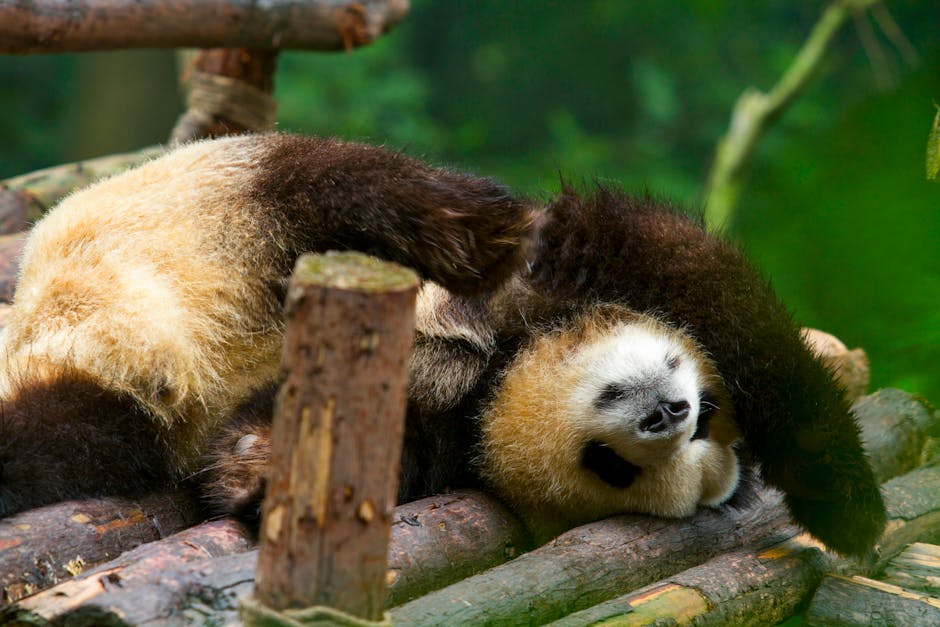
Adorable giant panda relaxing on wooden logs at Chengdu Zoo, Sichuan’s Giant Panda Sanctuaries, China
- Historic Architecture: The ancient Qiang and Tibetan watchtowers, some dating to the 1st century, dot the valleys, standing as silent sentinels over the panda’s habitat.
- Cultural Scene: The annual Bazi Fair in Wolong each spring blends Tibetan horse racing with local artisan markets, a centuries-old tradition celebrating mountain life.
- Local Specialties: You must try wild mushroom hotpot, featuring foraged morels and matsutake from the sanctuary’s own forests, a uniquely earthy and aromatic dish.
Pro Tip: Your best bet for seeing active pandas is to visit the research bases between 8:30 AM and 10:30 AM, which is their dedicated feeding time. Avoid Chinese national holidays (Golden Week in early October, Spring Festival) at all costs, as pathways become impassably crowded. For the most serene experience, target the shoulder months of April or late September.
Map of Sichuan’s Giant Panda Sanctuaries, China
Use these interactive maps to explore Sichuan’s Giant Panda Sanctuaries, China and plan your route. The sanctuary is a sprawling network of seven nature reserves and nine scenic parks, so planning your route between key bases is essential.
📍 View Sichuan’s Giant Panda Sanctuaries, China on OpenStreetMap
🗺️ Open Sichuan’s Giant Panda Sanctuaries, China in Google Maps
Planning Your Trip: Practical Essentials
Getting There and Around
- By Air: Fly into Chengdu Shuangliu International Airport (CTU). Major airlines like Air China, Sichuan Airlines, and international carriers serve it daily. From there, you’ll need a 3-hour pre-booked private transfer or bus to the core Wolong area. Book flights at Skyscanner for best deals.
- By Train: High-speed rail connects major cities to Chengdu East Railway Station. From Chengdu, you must continue by road. The scenic drive itself is part of the adventure, winding through mountains. Reserve tickets at Trainline or the national railway website.
- By Car: Driving from Chengdu on the G4217 and provincial roads takes about 3 hours. The route is mountainous but well-paved. Rental cars with drivers are highly recommended over self-drive due to complex terrain. Compare car rentals at RentalCars.com.
- Local Transport: Within the sanctuary areas, there is no public transit. Travel is via organized tour vans, private hired cars, or scheduled shuttle buses between major bases like Dujiangyan and Bifengxia. Always confirm shuttle times a day in advance.
Best Time to Visit
The climate is humid subtropical, with significant variation due to altitude. The sweet spot balances comfortable weather, panda activity, and manageable visitor numbers.
| Season | Weather | Highlights |
|---|---|---|
| Summer (Jun–Aug) | 15°C – 25°C (59°F – 77°F), rainy, lush and humid. | Verdant landscapes, waterfalls at their peak, but expect frequent afternoon showers and the highest domestic tourist crowds. |
| Winter (Dec–Feb) | -5°C – 10°C (23°F – 50°F), cold with possible snow at higher elevations. | Fewest visitors, a chance to see pandas playing in light snow, but some remote trails may be closed. Mountain roads can be icy. |
| Shoulder (Apr–May/Sep–Oct) | 10°C – 20°C (50°F – 68°F), mild, sunny, and dry. | The absolute best time. Pleasant for hiking, clear skies, and optimal panda viewing outdoors. September offers brilliant autumn foliage in the higher reserves. |
Budgeting for Sichuan’s Giant Panda Sanctuaries, China

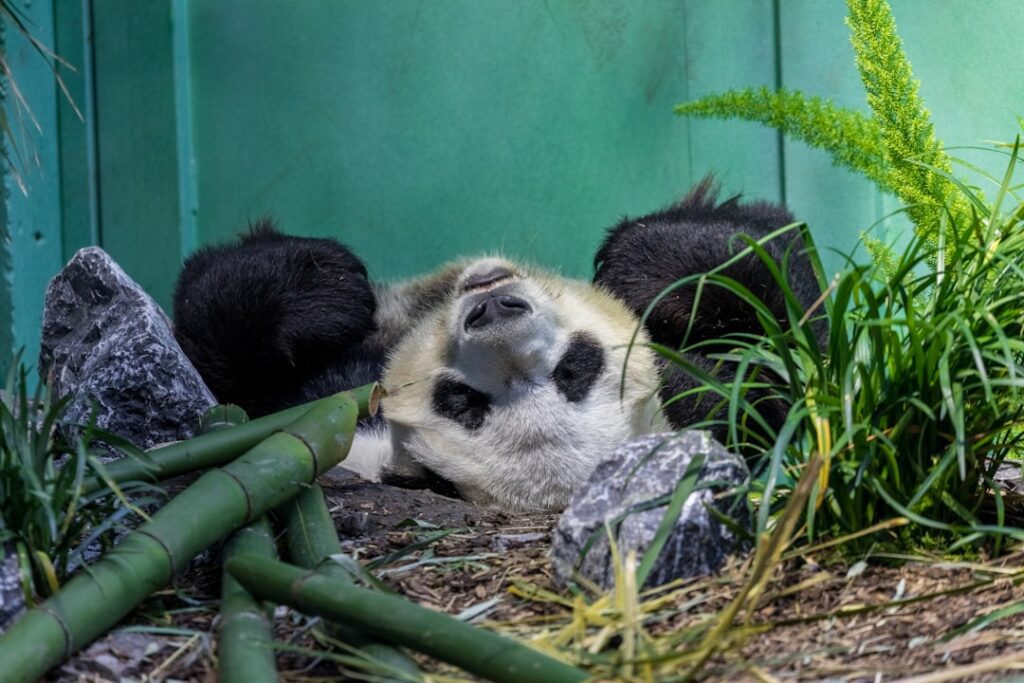
Close-up of a giant panda enjoying bamboo in a natural setting at Chengdu, Sichuan’s Giant Panda Sanctuaries, China
| Category | Budget | Mid-range | Luxury |
|---|---|---|---|
| Accommodation | Hostel/Guesthouse: 80-150 CNY/night | Local Hotel/Lodge: 300-600 CNY/night | Eco-Lodge/Resort: 1000+ CNY/night |
| Meals | Noodle shops/street food: 20-40 CNY/meal | Local restaurant meals: 60-120 CNY/meal | Resort dining: 200+ CNY/meal |
| Transport | Public shuttle buses: 50-100 CNY/leg | Private car hire (per day): 400-600 CNY | Private driver & guide: 1000+ CNY/day |
| Activities | Base entry fees (~58 CNY), free hiking | Guided half-day hikes, volunteer programs (~300 CNY) | Exclusive “Keeper for a Day” experiences (~1500 CNY) |
| Daily Total | 250-400 CNY | 800-1200 CNY | 2000+ CNY |
Top Attractions and Must-See Sights
| Attraction | Description | Hours | Entry Fee |
|---|---|---|---|
| Chengdu Research Base of Giant Panda Breeding | The most accessible and famous base, perfect for seeing pandas of all ages, including adorable cubs in the nursery. | 7:30 AM – 6:00 PM | 58 CNY |
| Dujiangyan Panda Base | A quieter, more natural environment where you can participate in the acclaimed “Panda Keeper” volunteer program for a half-day. | 9:00 AM – 5:00 PM | 58 CNY (Volunteer: 1580 CNY) |
| Wolong Shenshuping Panda Base | The flagship post-earthquake base in the heart of the original sanctuary, with stunning mountain backdrops and a focus on wilderness reintroduction. | 9:00 AM – 5:00 PM | 90 CNY |
| Bifengxia Panda Base | Set in a dramatic gorge, this base houses many pandas relocated from Wolong and offers a scenic cable car ride into the valley. | 9:00 AM – 5:00 PM | 118 CNY (incl. park shuttle) |
3-Day Itinerary: Sichuan’s Giant Panda Sanctuaries, China’s Highlights & Hidden Gems
Day 1: Chengdu Introduction & Panda Fundamentals
- Morning (7:30 AM): Arrive at the Chengdu Research Base right at opening. Head straight to the Sunshine Nursery House to see panda cubs during their most active morning play session. Your best bet is to walk directly to the farthest points first and work your way back to avoid the main tour groups.
- Afternoon (12:30 PM): Enjoy a classic Sichuan lunch at Chen Mapo Tofu near the base, savoring their legendary *mapo tofu*. Then, visit the base’s museum to understand panda conservation science.
- Evening (6:00 PM): Return to Chengdu for dinner at Yulin Chuan Chuan Xiang for a hotpot experience, then take a leisurely walk through the historic Jinli Old Street for traditional snacks and tea.
Day 2: Deep Dive into Conservation & Mountain Scenery
- Morning (7:00 AM): Private transfer (approx. 400 CNY) to the Dujiangyan Panda Base (1.5-hour drive). Book the 9:00 AM “Panda Keeper” volunteer program (1580 CNY). You’ll clean enclosures, prepare bamboo, and observe keepers at work—an unforgettable, hands-on experience.
- Afternoon (1:00 PM): Post-program, have lunch at the base canteen. Then, visit the nearby ancient Dujiangyan Irrigation System, a 2,200-year-old UNESCO site that is a marvel of hydraulic engineering.
- Evening (6:00 PM): Check into a local lodge in the Dujiangyan or Wolong area. For dinner, seek out a family-run restaurant for that wild mushroom hotpot, a true taste of the forest.
Day 3: The Heart of the Sanctuary & Tibetan Culture
- Morning (8:00 AM): Journey deeper into the mountains to the Wolong Shenshuping Panda Base (2-hour transfer). The drive through the Balangshan Tunnel offers breathtaking high-altitude views. Spend the morning watching pandas in a setting that mirrors their true wild habitat.
- Afternoon (12:30 PM): Have a simple lunch at the base. Then, visit the nearby Wolong Village to see traditional Tibetan stone houses. If energy permits, take a guided short hike (2 hrs) on the Gengda Nature Trail to spot native birds and flora.
- Evening (5:00 PM): Begin the return journey to Chengdu. For a final feast, stop in the town of Yingxiu for dinner at Xiongmao Julebu (Panda Club), known for its local river fish and vegetable dishes.
Cultural Insights & Etiquette
- Language: Mandarin is key. Learn a few phrases: “Xièxie” (Thank you), “Dà xióngmāo” (Giant Panda). In Wolong, you might hear the Tibetan “Tashi delek” (greetings). Very little English is spoken outside Chengdu’s main base.
- Customs: When visiting Tibetan areas near the reserves, always walk clockwise around stupas or sacred objects. It’s polite to receive items with both hands. Avoid touching anyone on the head.
- Tipping: Not customary in China, but for exceptional private guide or driver service, a small tip of 50-100 CNY per day is a generous and appreciated gesture.
- Dress Code: Modest, comfortable, and layered clothing is best. For hiking, wear sturdy shoes. When visiting temples or Tibetan homes, cover shoulders and knees.
- Business Hours: Panda bases are open daily. Government offices and some smaller shops may close for a long lunch (12-2 PM). Major holidays like Chinese New Year see week-long closures for many businesses.
Where to Eat: Sichuan’s Giant Panda Sanctuaries, China’s Best Bites
Dining here is hearty mountain cuisine. Expect bold Sichuan flavors—numbing *mala*, chili oil, and pungent garlic—paired with wild-foraged ingredients. Meals are communal and often cooked in hotpot or stew form to ward off the mountain chill.
Must-Try Local Specialties
- Wild Mushroom Hotpot: A seasonal delicacy featuring a broth simmered with wild pine mushrooms, wood ear, and morels, best enjoyed in family-run inns in Wolong like Wolong Zhenwei Restaurant.
- Tibetan Yak Meat Stew: A rich, warming stew often with potatoes and turnips, found in Tibetan-run guesthouses in the Balang Mountain area.
- Bamboo Rice: Glutinous rice stuffed into fresh bamboo tubes with腊肉 (cured pork) and steamed over fire, imparting a subtle, sweet fragrance. Look for it at roadside stalls near the Bifengxia base.
Restaurant Recommendations by Budget
| Type | Restaurant | Specialty | Price Range |
|---|---|---|---|
| Budget | Lao Wang Noodles (Chengdu, near research base) | Dan Dan Noodles & Zhong Dumplings | 15-30 CNY |
| Mid-range | Wolong Hongye Lodge Restaurant (Wolong) | Farm-to-table vegetable dishes and river fish | 60-100 CNY/person |
| Fine dining | The Temple House Bamboo Bar (Chengdu) | Modern Sichuan tasting menus in a stunning setting | 400+ CNY/person |
Where to Stay
Accommodation ranges from city hotels in Chengdu to rustic eco-lodges in the mountains. Staying near the bases allows for early access and a more immersive nature experience. Compare prices and book at Booking.com or Airbnb for apartments in Chengdu.
Best Neighborhoods for Accommodation
- Chengdu City Center (Jinjiang District): Ideal for Day 1 explorations and nightlife. You’ll find international hotels and easy transport, but it’s a long drive to the core sanctuaries.
- Dujiangyan City: A perfect middle-ground. A small city with good hotels, it’s close to the Dujiangyan Panda Base and the irrigation system, making logistics for Day 2 very convenient.
- Wolong/Gengda Valley: For true immersion. Choose an eco-lodge or family guesthouse here to wake up to misty mountains and the sounds of nature. This is your best bet for feeling the soul of the sanctuary, though amenities are basic.

A giant panda lounging on a wooden structure surrounded by lush foliage in …, Sichuan’s Giant Panda Sanctuaries, China
FAQs: Your Sichuan’s Giant Panda Sanctuaries, China Questions Answered
1. Is Sichuan’s Giant Panda Sanctuaries, China safe at night?
Yes, the towns and bases are very safe. However, the mountain roads are winding and not well-lit. It is not advised to drive these roads after dark. Always arrange your transportation back to your lodging before nightfall.
2. What currency is used and are credit cards accepted?
The Chinese Yuan (CNY/RMB) is the currency. In Chengdu, credit cards are widely accepted. In the mountain towns and at smaller bases, cash is king. Always carry sufficient small bills (10, 20, 50 CNY notes) for entry fees, local meals, and shuttle buses.
3. How do I get from the airport to the city center?
From Chengdu Shuangliu Airport (CTU), the easiest way is the Airport Express Line 1 metro (approx. 45 mins, 10 CNY) to downtown. Taxis take 30-60 minutes and cost 50-80 CNY. For direct transfers to mountain bases, pre-booking a private car is essential. Book airport transfers at GetYourGuide for convenience.

