
Sichuan Giant Panda Sanctuaries, China’s Best Pandas, Peaks & Ancient Forests (2026)
While crowds flock to the Chengdu Panda Base for a quick photo, the Sichuan Giant Panda Sanctuaries deliver an unparalleled, wild encounter across 9,245 square kilometers of protected wilderness. This UNESCO World Heritage Site, comprising seven nature reserves and nine scenic parks, shelters over 30% of the world’s critically endangered giant pandas. Here, you don’t just see a panda in an enclosure; you walk the same mist-shrouded, bamboo-laden paths they do, within one of the planet’s most botanically rich temperate ecosystems.
Why Sichuan Giant Panda Sanctuaries, China Stands Out

Close-up of a giant panda enjoying bamboo in a natural setting at Chengdu, Sichuan Giant Panda Sanctuaries, China
- Historic Architecture: The ancient Qiang and Tibetan watchtowers, some dating back over 1,000 years, stand as silent sentinels over the valleys, showcasing the region’s deep cultural history intertwined with nature.
- Cultural Scene: The annual Torch Festival in the surrounding Tibetan and Yi villages in late summer features vibrant dances, horse races, and bonfires, celebrating a culture that has lived in harmony with these mountains for centuries.
- Local Specialties: You must try a steaming bowl of *Hongshao Paigu* (red-braised pork ribs) or wild mushroom hotpot, flavors that are as robust and earthy as the landscape itself.
Pro Tip: Your absolute best bet for panda activity is to visit between 8:30 AM and 10:30 AM, especially during the cooler months from September to November. This is when pandas are most active—feeding and moving about—before they settle into their famous long naps. Arriving at opening time is non-negotiable for the best experience.
Map of Sichuan Giant Panda Sanctuaries, China
Use these interactive maps to explore Sichuan Giant Panda Sanctuaries, China and plan your route:
📍 View Sichuan Giant Panda Sanctuaries, China on OpenStreetMap
🗺️ Open Sichuan Giant Panda Sanctuaries, China in Google Maps
Planning Your Trip: Practical Essentials
Getting There and Around
- By Air: Fly into Chengdu Shuangliu International Airport (CTU). Major airlines like Air China, Sichuan Airlines, and international carriers operate here. From the airport, your best bet is a pre-booked private transfer (2.5-3 hours) to Wolong or a bus to Chengdu’s Xinnanmen Station first. Book flights at Skyscanner for best deals.
- By Train: High-speed rail connects Chengdu to nearby cities like Ya’an. For the core sanctuary areas like Wolong, you’ll need to continue by road. The journey from Chengdu to Wolong by road takes about 3 hours. Reserve tickets at Trainline or the national railway website.
- By Car: Renting a car with a driver is highly recommended for navigating the mountainous roads (China National Highway 350). Self-driving is possible but challenging due to terrain. Parking is available at reserve entrances. Compare car rentals at RentalCars.com.
- Local Transport: Within specific reserves like Wolong or Fengtongzhai, shuttle buses or electric carts are often the only transport. Between towns, local buses are infrequent; taxis or private drivers are the norm. Check official park websites for internal shuttle schedules.
Best Time to Visit
The sanctuaries offer distinct experiences year-round, but shoulder seasons provide the ideal balance of pleasant weather, active wildlife, and manageable visitor numbers.
| Season | Weather | Highlights |
|---|---|---|
| Summer (Jun–Aug) | Warm, 15-25°C (59-77°F), lush greenery, frequent rain and mist. | Vibrant green landscapes, blooming rhododendrons, but higher chance of fog obscuring views and leeches on trails. |
| Winter (Dec–Feb) | Cold, -5 to 10°C (23-50°F), possible snow at higher elevations. | Stunning snowy peaks, crystal-clear skies, and pandas with thicker, fluffier coats. Some remote trails may be closed. |
| Shoulder (Apr–May/Sep–Oct) | Mild, 10-20°C (50-68°F), stable weather, less rainfall. | Prime panda-viewing, comfortable hiking conditions, spectacular autumn foliage in October, and the best photography light. |
Budgeting for Sichuan Giant Panda Sanctuaries, China

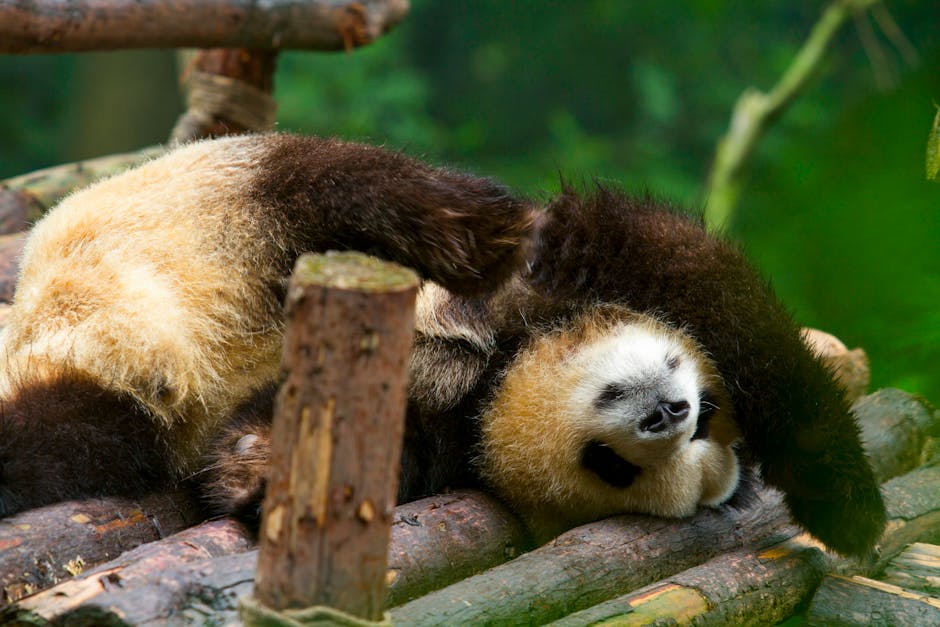
A giant panda lounging on a wooden structure surrounded by lush foliage in …, Sichuan Giant Panda Sanctuaries, China
| Category | Budget | Mid-range | Luxury |
|---|---|---|---|
| Accommodation | CNY 150-300/night (hostel/guesthouse) | CNY 400-800/night (local hotel/lodge) | CNY 1,200+/night (Wolong Shenshuping boutique hotel) |
| Meals | CNY 50-80/day (noodle shops, street food) | CNY 100-200/day (local restaurants) | CNY 300+/day (hotel dining, curated experiences) |
| Transport | CNY 50-100/day (public bus shares) | CNY 300-500/day (private car with driver) | CNY 800+/day (private SUV & guide) |
| Activities | CNY 60-120 (single reserve entry) | CNY 200-400 (entry + guided nature walk) | CNY 600+ (behind-the-scenes conservation tour) |
| Daily Total | CNY 310-600 / $45-85 | CNY 1,000-1,900 / $140-270 | CNY 2,900+ / $400+ |
Top Attractions and Must-See Sights
| Attraction | Description | Hours | Entry Fee |
|---|---|---|---|
| Wolong Shenshuping Panda Base | The flagship research and breeding center with the most naturalistic enclosures, set deep within the original Wolong Nature Reserve. | 8:30 AM – 5:00 PM | CNY 90 |
| Fengtongzhai (Bee Barrel) Nature Reserve | A breathtaking reserve known for its dense forests, waterfalls, and high chance of spotting red pandas and takin in the wild. | 9:00 AM – 4:30 PM | CNY 58 |
| Balang Mountain Pass | This high-altitude pass (4,480m) offers staggering panoramic views of the snow-capped Qionglai Mountains, a quintessential Sichuan alpine vista. | 24/7 (road accessible) | Free |
| Dengsheng Gorge | A serene hiking area within Wolong with ancient trails, suspension bridges over rushing rivers, and quiet groves of bamboo. | 8:00 AM – 6:00 PM | CNY 20 |
3-Day Itinerary: Sichuan Giant Panda Sanctuaries, China’s Highlights & Hidden Gems
Day 1: Wolong’s Panda Heartland
- Morning (7:30 AM): Arrive at Wolong Shenshuping Panda Base for opening. Head straight to the Kindergarten Enclosure for the most playful cub action. A local guide (CNY 200) can explain conservation work.
- Afternoon (12:30 PM): Enjoy lunch at **Wolong Zhenxing Restaurant** just outside the base for their signature *Yuxiang Rousi* (fish-fragrant pork slices). Then, hike the easy trails of Dengsheng Gorge to immerse yourself in the panda’s native forest habitat.
- Evening (6:00 PM): Check into your lodge. For dinner, try the family-run **Gengda Tibetan Guesthouse** for a hearty yak meat hotpot, a local specialty that warms you up after a day in the mountains.
Day 2: High Peaks & Cultural Echoes
- Morning (8:00 AM): Take a private car up the winding road to the Balang Mountain Pass (CNY 400-500 round trip from Gengda). The view from the top, weather permitting, is soul-stirring. Watch for grazing yaks and soaring golden eagles.
- Afternoon (1:00 PM): Return to the valley for lunch at a roadside noodle shop, then visit the Wolong Panda Museum (CNY 20) to deeply understand the species’ biology and the 2008 earthquake’s impact on the reserve.
- Evening (5:30 PM): Take a leisurely stroll through the small town of Gengda. Visit the local market and consider a foot massage (CNY 60) using traditional herbal soaks—a perfect remedy for trail-weary feet.
Day 3: Into the Wild Bamboo Forest
- Morning (7:30 AM): Hire a driver for the 1.5-hour journey to Fengtongzhai Nature Reserve (CNY 300). Start with the “Golden Leopard Trail,” a well-maintained path where your guide will point out panda bite marks on bamboo and other wildlife signs.
- Afternoon (12:30 PM): Have a packed picnic lunch by one of the reserve’s cascading waterfalls. Then, visit the ancient “Divine Tree,” a massive, revered fir that has stood for over a millennium.
- Evening (5:00 PM): Return to Wolong or begin your journey back to Chengdu. For a final meal, seek out a restaurant serving *Shanzhen* (mountain treasures)—a dish of various wild foraged mushrooms that captures the essence of the forest.
Cultural Insights & Etiquette
- Language: Mandarin is essential. Learn “Xièxie” (Thank you), “Nǐ hǎo” (Hello), and “Xióngmāo” (Panda). In Tibetan areas, “Tashi Delek” is a greeting. Very little English is spoken.
- Customs: This is a sacred landscape for Tibetan Buddhism. Always walk clockwise around mani stone piles, stupas, or prayer wheels. Do not touch religious artifacts.
- Tipping: Not customary in mainland China, but a small tip (CNY 50-100) for an exceptional private guide or driver is appreciated.
- Dress Code: Modest, comfortable, layered clothing is key. For visiting monasteries, cover shoulders and knees. Sturdy, waterproof hiking boots are a must.
- Business Hours: Reserves operate 8:30/9:00 AM to 5:00 PM. Small shops close early. Major holidays like Chinese New Year (Jan/Feb) and National Week (Oct 1-7) see massive domestic crowds—avoid.
Where to Eat: Sichuan Giant Panda Sanctuaries, China’s Best Bites
Dining here is about hearty, warming fare. You’ll find small family-run eateries serving farm-to-table ingredients—wild herbs, river fish, free-range pork, and mushrooms foraged from the very forests you explore. Don’t expect fancy menus; point at what looks good or go with the daily special.
Must-Try Local Specialties
- Wild Mushroom Hotpot (Ye Jun Guo): A simmering broth filled with dozens of locally foraged mushroom varieties. Best tried at **Wolong Yeshenghuo Restaurant** in Gengda town.
- Yak Meat Dishes: Yak jerky, yak meat stir-fry, or yak yogurt. The meat is lean and rich. Look for Tibetan-run guesthouses like **Gengda Tibetan Guesthouse**.
- Bamboo Tube Rice (Zhu Tong Fan): Rice, meat, and herbs cooked inside a fresh bamboo tube over an open fire, imparting a subtle, smoky fragrance. Often sold by vendors near trailheads.
Restaurant Recommendations by Budget
| Type | Restaurant | Specialty | Price Range |
|---|---|---|---|
| Budget | Gengda Noodle House (Main street, Gengda) | Hand-pulled beef noodles and dumplings | CNY 15-30 |
| Mid-range | Wolong Zhenxing Restaurant (Near Shenshuping Base) | Local Sichuan dishes like Hongshao Paigu & Mapo Tofu | CNY 50-100 per person |
| Fine dining | Wolong Shenshuping Hotel Restaurant (Inside the base area) | Set menus featuring elevated local ingredients with panda-themed presentation | CNY 150+ per person |
Where to Stay
Accommodation ranges from basic guesthouses to comfortable, panda-themed lodges. Staying inside or near the reserves maximizes your experience. Most places offer heating and hot water, but Wi-Fi can be unreliable—embrace the digital detox. Compare prices and book at Booking.com or Airbnb for apartments.
Best Neighborhoods for Accommodation
- Gengda Town (Wolong): The main service hub for Wolong, with the widest selection of guesthouses and eateries. It’s practical, offers good access to the base, and has a local vibe. Best for independent travelers and mid-range budgets.
- Shenshuping (Wolong Panda Base): Right next to the main panda base. You pay a premium for location, allowing for ultra-early access. Accommodation here is often newer and more comfortable, suited for those prioritizing panda viewing.
- Yingxiu or Rilong Town: Gateways to the sanctuary region from Chengdu. More hotel options but require a daily commute into the reserves. Ideal for those with a car and driver or visiting multiple nearby scenic areas like Siguniangshan.

A giant panda lounges in a lush bamboo forest, surrounded by nature., Sichuan Giant Panda Sanctuaries, China
FAQs: Your Sichuan Giant Panda Sanctuaries, China Questions Answered
1. Is Sichuan Giant Panda Sanctuaries, China safe at night?
Yes, the towns and reserves are very safe in terms of personal security. The primary considerations are environmental: use a flashlight on unlit village paths, be aware of weather changes in the mountains, and always inform your accommodation if you plan a late return from a hike.
2. What currency is used and are credit cards accepted?
The Chinese Yuan (CNY/RMB) is the currency. You must carry ample cash. Credit cards are rarely accepted outside the few large hotels. ATMs are scarce and often out of service, so withdraw cash in Chengdu before your trip.
3. How do I get from the airport to the sanctuary area?
From Chengdu Shuangliu Airport (CTU), take a taxi (CNY 50-70, 1 hour) to Chengdu’s Xinnanmen Bus Station. From there, catch a direct bus to Wolong/Gengda (CNY 40-50, 3 hours, 2-3 depart

