
Shwebo, Myanmar’s Essential Ancient Capitals, Golden Temples & Rural Charms (2026)
While crowds flock to the temples of Bagan, Shwebo, Myanmar delivers a profound sense of history without the tour buses. As the birthplace of King Alaungpaya, who founded the Konbaung Dynasty in 1752, this quiet town in the Sagaing Region is where modern Myanmar truly began. Here, you’ll walk along the original moats of a royal capital, discover pagodas built from the spoils of war, and experience a pace of life that has changed little for generations. This is where savvy travelers connect with the country’s soul.
Why Shwebo, Myanmar Stands Out

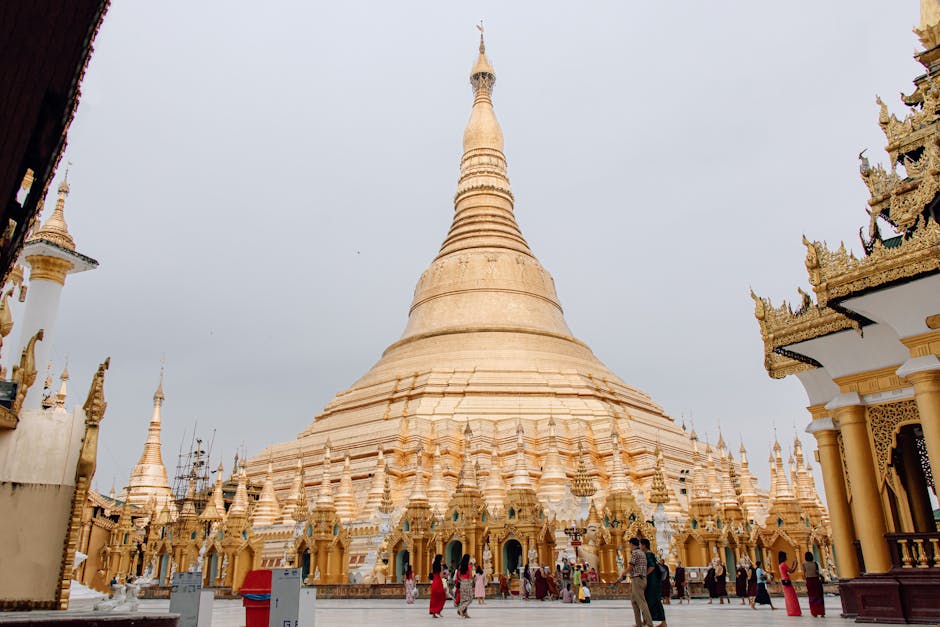
Golden spires of Shwedagon Pagoda against a clear blue sky in Yangon, Myanmar., Shwebo, Myanmar
- Historic Architecture: The Shwebo Palace reconstruction, based on the 18th-century original, offers a tangible link to the Konbaung Dynasty’s founding era.
- Cultural Scene: The Shwebo Htamanè Pwe festival in February, where communities gather to make a giant ceremonial rice dish in a display of unity and tradition.
- Local Specialties: Shwebo Mont Let Saung, a uniquely refreshing local jelly snack made from sticky rice and palm sugar, often sold by street vendors.
Pro Tip: Visit between November and February. The weather is cool and dry, perfect for cycling to outlying villages and temple sites. For the most authentic experience, time your visit to coincide with a local market day (ask at your guesthouse) to see the agricultural heart of the region in full swing.
Map of Shwebo, Myanmar
Use these interactive maps to explore Shwebo, Myanmar and plan your route:
📍 View Shwebo, Myanmar on OpenStreetMap
🗺️ Open Shwebo, Myanmar in Google Maps
Planning Your Trip: Practical Essentials
Getting There and Around
- By Air: The nearest airport is in Mandalay (MDL), about a 2.5-hour drive away. From there, you’ll need to take a bus or hire a car. Book flights at Skyscanner for best deals.
- By Train: A slow but scenic rail line connects Mandalay and Shwebo. The journey takes approximately 4 hours and offers a glimpse of rural life. Reserve tickets at Trainline or the national railway website.
- By Car: The drive from Mandalay is straightforward via the Yangon-Mandalay Expressway and Route 31. Hiring a car with a driver is the most flexible option. Compare car rentals at RentalCars.com.
- Local Transport: The town is best explored on foot or by bicycle (often available for rent from guesthouses for ~2000 MMK/day). For temples outside town, hire a trishaw or a local taxi for a few hours.
Best Time to Visit
Timing is key for comfort in Shwebo’s tropical climate. The cool, dry winter months are ideal for exploration, while the hot season can be intense. The rainy season brings lush landscapes but can make rural travel challenging.
| Season | Weather | Highlights |
|---|---|---|
| Cool & Dry (Nov–Feb) | 20°C – 30°C (68°F – 86°F), sunny, low humidity | Perfect for temple-hopping and cycling; peak season for local festivals. |
| Hot (Mar–May) | 30°C – 40°C (86°F – 104°F), very hot and dry | Fewer visitors; best for early morning and late afternoon activities only. |
| Rainy (Jun–Oct) | 25°C – 35°C (77°F – 95°F), heavy afternoon rains | Countryside is vibrantly green; some rural roads may be impassable. |
Budgeting for Shwebo, Myanmar

Stunning view of Htilominlo Temple in Bagan, Shwebo, Myanmar
| Category | Budget | Mid-range | Luxury |
|---|---|---|---|
| Accommodation | 15,000 – 25,000 MMK/night (basic guesthouse) | 30,000 – 60,000 MMK/night (comfortable hotel) | 80,000+ MMK/night (best hotel in town) |
| Meals | 3,000 – 5,000 MMK (street food & tea shops) | 6,000 – 12,000 MMK (local restaurant) | 15,000+ MMK (hotel restaurant) |
| Transport | 2,000 MMK (bicycle rental) | 20,000 MMK (half-day trishaw/taxi) | 80,000+ MMK (private car & driver for day) |
| Activities | Free (walking moats, local markets) | 5,000 MMK (combined temple donations) | Included in private tours |
| Daily Total | 20,000 – 35,000 MMK | 60,000 – 100,000 MMK | 175,000+ MMK |
Top Attractions and Must-See Sights
| Attraction | Description | Hours | Entry Fee |
|---|---|---|---|
| Shwebo Palace Site & Moat | Walk the geometric earthworks and moats of Alaungpaya’s 18th-century capital, feeling the scale of history. | Sunrise to Sunset | Free |
| Shwebontha Mibaya Kyaung (Nandawya Pagoda) | A stunning golden pagoda said to be built on the site of the king’s personal meditation cell. | 6:00 AM – 8:00 PM | Donation |
| Myodaung Pagoda | Perched on a small hill west of town, offering panoramic sunset views over the Shwebo plains. | All day | Free |
| Local Market (Zeigyo) | The bustling heart of daily life, where you’ll find everything from pottery and textiles to mountains of local rice. | 6:00 AM – 5:00 PM | Free |
3-Day Itinerary: Shwebo, Myanmar’s Highlights & Hidden Gems
Day 1: Royal Foundations & Town Life
- Morning (7-9 AM): Start at the Shwebo Palace moats. The cool morning light is perfect for walking the massive earthwork squares. Your best bet is to enter near the clock tower for context.
- Afternoon (12-3 PM): Explore the vibrant Zeigyo market. For lunch, head to a simple tea shop like Shwebo Saw Myaing for a hearty plate of rice with curry (around 3,500 MMK).
- Evening (6-8 PM): Visit the glowing Shwebontha Mibaya Kyaung as the lights come on. For dinner, try Myo Ma Restaurant near the market for excellent Shan noodles.
Day 2: Temple Trails & Village Views
- Morning (8 AM): Rent a bicycle (~2,000 MMK) and cycle to the Myodaung Pagoda. The ride takes about 30 minutes. The climb up offers a 360-degree view.
- Afternoon (1 PM): Cycle back towards town, stopping at smaller neighborhood pagodas like Htupayon. For lunch, seek out Nga Htwe for a fantastic Mohinga (fish noodle soup).
- Evening (5:30 PM): Return to Myodaung for sunset—it’s worth the second trip. The sky over the irrigated fields is spectacular.
Day 3: Local Crafts & Countryside
- Morning (8 AM): Hire a trishaw for the day (~20,000 MMK) to visit Kyaukmyet village, known for traditional pottery. Watch artisans throw pots using ancient kick-wheels.
- Afternoon (12 PM): Have your trishaw driver take you to a local rice wine (Htan Ye) producer for a glimpse (and taste) of this regional specialty. Lunch can be simple noodles at a village shop.
- Evening (6 PM): Enjoy a final stroll around the illuminated moats, then a farewell dinner at Shwebo City Restaurant, known for its grilled dishes.
Cultural Insights & Etiquette
- Language: Burmese is the main language. Learn basics: “Mingalabar” (Hello), “Je zu tin ba deh” (Thank you). English is limited outside hotels.
- Customs: Always remove shoes and socks before entering a pagoda or monastery. Dress modestly (covered shoulders and knees). Never point your feet at a person or a Buddha image.
- Tipping: Not expected but appreciated for good service. Rounding up a taxi fare or leaving 500-1000 MMK at a restaurant is a kind gesture.
- Dress Code: Light, loose, modest clothing is essential. A longyi (sarong) is culturally appropriate and cool—locals will appreciate you trying one.
- Business Hours: Shops open early (~8 AM) and close by 8 PM. Government sites and some museums may close for lunch (12-1 PM). Pagodas are open from dawn till dusk.
Where to Eat: Shwebo, Myanmar’s Best Bites
Shwebo’s cuisine reflects its agricultural wealth, with a focus on hearty rice dishes, fresh noodles, and flavorsome curries. Dining is informal, with tea shops serving as social hubs. Don’t look for fancy menus; the best meals are often the daily specials.
Must-Try Local Specialties
- Shwebo Mont Let Saung: This iconic jelly, made from sticky rice flour and served with coconut shreds and palm sugar syrup, is the perfect sweet treat. Find it at street stalls around the market.
- Htan Ye (Rice Wine): The region is famous for this potent, milky-white fermented drink. It’s often served in a shared pot with long straws. Sample it at local producers, not in general restaurants.
- Shan Noodles (Shan Khao Swè): A delicious dish of rice noodles in a savory, slightly spicy broth with chicken or pork, topped with peanuts and pickled vegetables. Ubiquitous and always good.
Restaurant Recommendations by Budget
| Type | Restaurant | Specialty | Price Range |
|---|---|---|---|
| Budget | Nga Htwe (Near Main Market) | Fresh, flavorful Mohinga (fish noodle soup) for breakfast. | 2,000 – 3,500 MMK |
| Mid-range | Myo Ma Restaurant (Market Street) | Reliable and tasty array of Burmese curries and noodle dishes. | 4,000 – 7,000 MMK per dish |
| Fine dining | Shwebo City Restaurant (Downtown) | The town’s most formal setting, offering grilled meats and Chinese-Burmese fusion. | 8,000 – 15,000 MMK per dish |
Where to Stay
Accommodation in Shwebo is simple and functional, focusing on clean rooms and friendly service rather than luxury. Most options are centrally located, making exploration easy. Compare prices and book at Booking.com or Airbnb for apartments.
Best Neighborhoods for Accommodation
- Downtown/City Centre: Puts you within walking distance of the market, main temples, and restaurants. This is the most convenient base for first-time visitors.
- Near the Palace Moat: Offers a slightly quieter atmosphere with easy access to the historic site. Ideal for travelers seeking a more contemplative stay.
- On the Outskirts: A few guesthouses on the roads leading out of town offer more space and rural views, but you’ll need transport to get to the center.
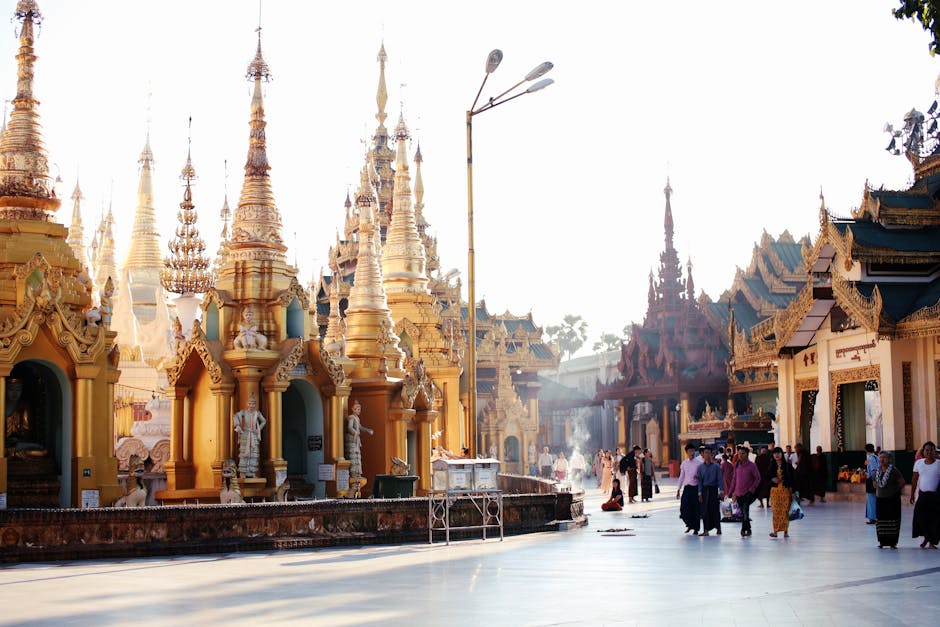
Capture of the iconic Shwedagon Pagoda with visitors, Shwebo, Myanmar
FAQs: Your Shwebo, Myanmar Questions Answered
1. Is Shwebo, Myanmar safe at night?
Shwebo is generally very safe. Violent crime against tourists is extremely rare. As in any place, exercise common sense: avoid poorly lit, deserted areas late at night, keep valuables secure, and be aware of your surroundings. Locals are typically friendly and helpful.
2. What currency is used and are credit cards accepted?
The Myanmar Kyat (MMK) is the local currency. Carry plenty of cash in smaller denominations, as credit cards are rarely accepted outside of possibly one or two higher-end hotels. ATMs are available in town but can be unreliable, so get cash in Mandalay before arriving.
3. How do I get from the airport to the city center?
Mandalay Airport (MDL) is the nearest. From there, you can pre-book a private car for the 2.5-hour drive to Shwebo (cost: approx. 80,000 – 120,000 MMK). Alternatively, take a taxi to Mandalay’s bus station and catch a local bus. Book airport transfers at GetYourGuide for convenience.
4. Do I need to speak the local language?
It’s not necessary, but it helps immensely. English is not widely spoken. Learning a few basic Burmese phrases will be met with warm smiles. Have your hotel name and major attractions written in Burmese to show taxi or trishaw drivers.
5. What’s the appropriate dress code?
Modesty is key. For visiting temples, wear clothing that covers shoulders and knees (long skirts or trousers). A longyi is perfect. In general town life, light, breathable fabrics are best due to the heat. Always carry a pair of socks if you’re temple-hopping, as the stone floors can get very hot.
Final Thoughts: Shwebo, Myanmar Awaits
Shwebo offers something increasingly rare: an unfiltered connection to Myanmar’s defining history and its enduring rural rhythms. This isn’t a destination for luxury resorts or nightlife; it’s for the traveler who finds magic in walking ancient moats at dawn, sharing a smile over a bowl of noodles, and witnessing traditions that have weathered centuries. Your best bet is to come with an open mind and a slow pace. Let the layers of history reveal themselves as you wander, and you’ll leave with an understanding of Myanmar that few who only visit the major sites ever grasp. Don’t forget to try the Mont Let Saung—it’s the sweetest memory you’ll take home.

