
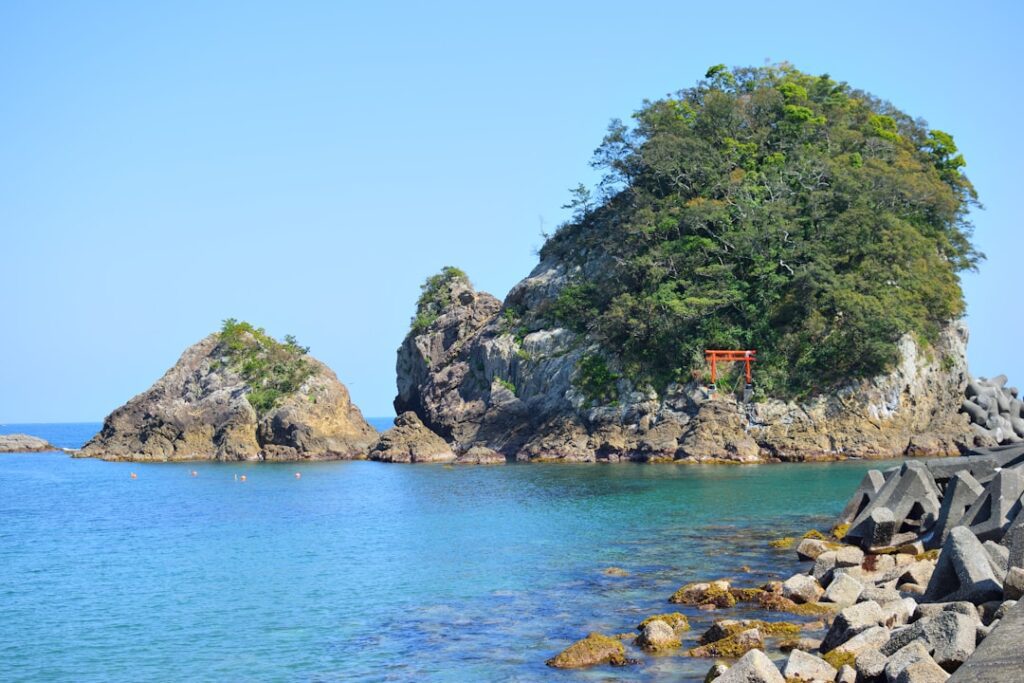
Shikoku, Japan’s Amazing Pilgrimage, Nature & Artisan Culture (2026)
While crowds flock to Kyoto’s packed temples, Shikoku, Japan’s smallest main island, delivers a profound sense of discovery without the tour buses. Here, you’ll find the 1,200-kilometer Shikoku Pilgrimage, a sacred 88-temple circuit walked by white-clad pilgrims for over 1,200 years, weaving through misty mountains, dramatic coastlines, and villages where traditional crafts aren’t performances but daily life. This is Japan at its most authentic and introspective.
Why Shikoku, Japan Stands Out

A statue of animals in front of a building, Shikoku, Japan
- Historic Architecture: Matsuyama Castle (completed 1627), one of Japan’s twelve original castles, offers panoramic views from its hilltop perch, accessible by a charming single-chairlift ride.
- Cultural Scene: The annual Awa Odori festival in Tokushima (August 12-15) transforms the city with the hypnotic, rhythmic dancing of over 100,000 participants in a centuries-old celebration.
- Local Specialties: Sanuki Udon, the island’s famed thick, chewy wheat noodles, served in a delicate broth, is a culinary pilgrimage in itself, with dedicated shops dotting every town.
Pro Tip: For the perfect balance of pleasant weather and vibrant nature, target late April for the wisteria tunnels at Ashizuri or early November for the stunning autumn colors in the Iya Valley. Avoid the peak humidity and rain of late June through July.
Map of Shikoku, Japan
Use these interactive maps to explore Shikoku, Japan and plan your route:
📍 View Shikoku, Japan on OpenStreetMap
🗺️ Open Shikoku, Japan in Google Maps
Planning Your Trip: Practical Essentials
Getting There and Around
- By Air: Major airports are Takamatsu (TAK), Matsuyama (MYJ), Tokushima (TKS), and Kochi (KCZ), with domestic flights from Tokyo, Osaka, and Fukuoka. Book flights at Skyscanner for best deals.
- By Train: Access is via the Seto-Ohashi Bridge from Honshu to Takamatsu. The JR Shikoku Rail Pass is invaluable. Reserve tickets at Trainline or the national railway website.
- By Car: Renting a car is highly recommended for exploring remote valleys and coastlines. The Shimanami Kaido cycling route to Honshu is a world-class drive. Compare car rentals at RentalCars.com.
- Local Transport: Buses connect most towns but infrequently in rural areas. Consider the All Shikoku Rail Pass or local bus passes from major stations.
Best Time to Visit
Shikoku’s climate varies from subtropical coasts to cooler mountains. Your ideal season depends on whether you seek festivals, hiking, or serene temple visits without the summer crowds.
| Season | Weather | Highlights |
|---|---|---|
| Summer (Jun–Aug) | Hot (25-35°C/77-95°F) and humid with rainy season in June-July. | Awa Odori Festival (Aug), vibrant greenery, beach trips. Can be crowded and uncomfortable. |
| Winter (Dec–Feb) | Mild on coast (5-12°C/41-54°F), colder inland with possible snow in mountains. | Quietest season, stunning snowy castle views, onsens (hot springs) are sublime. Some rural services reduced. |
| Shoulder (Apr–May/Sep–Oct) | Spring (15-23°C/59-73°F) and Autumn (18-26°C/64-79°F) are ideal, with low humidity. | Cherry blossoms (late Mar-Apr) & autumn foliage (Nov), perfect for hiking the pilgrimage trails and coastal drives. |
Budgeting for Shikoku, Japan

A manhole cover on the ground with a drawing on it, Shikoku, Japan
| Category | Budget | Mid-range | Luxury |
|---|---|---|---|
| Accommodation | ¥3,500-¥6,000/night (hostel, capsule, business hotel) | ¥10,000-¥20,000/night (ryokan or boutique hotel) | ¥30,000+/night (luxury ryokan with kaiseki meals) |
| Meals | ¥2,000/day (convenience store, street udon) | ¥5,000/day (local restaurants, set meals) | ¥15,000+/day (fine dining, multi-course kaiseki) |
| Transport | ¥2,000/day (local buses, train passes) | ¥4,000/day (regional trains, occasional taxi) | ¥10,000+/day (private car rental with driver) |
| Activities | ¥1,000/day (temple stamps, free hikes) | ¥3,000/day (castle entries, museum fees) | ¥8,000+/day (private guided tours, craft workshops) |
| Daily Total | ¥8,500-¥15,000 (~$55-$100) | ¥22,000-¥32,000 (~$145-$210) | ¥63,000+ (~$415+) |
Top Attractions and Must-See Sights
| Attraction | Description | Hours | Entry Fee |
|---|---|---|---|
| Matsuyama Castle | One of Japan’s most beautiful and accessible original castles, with a hilltop location and original 17th-century keep. | 9:00 AM – 5:00 PM (varies seasonally) | ¥520 (castle keep) |
| Ritsurin Garden | A stunning 18th-century feudal strolling garden in Takamatsu, considered one of Japan’s finest, with ponds, teahouses, and sculpted pines. | Sunrise to Sunset (approx. 7:00 AM – 5:00 PM) | ¥410 |
| Iya Valley | A remote, steep gorge with legendary vine bridges (Kazurabashi), thatched-roof villages, and breathtaking mountain scenery. | Accessible always; bridges ~8:30 AM – 5:00 PM | ¥550 (Kazurabashi bridge) |
| Naruto Whirlpools | Powerful natural whirlpools created by tidal currents in the Naruto Strait, viewable from observation decks or cruise boats. | Observation deck: 9:00 AM – 6:00 PM; Cruise times vary with tides. | Observation Deck: ¥510; Cruise: ~¥1,800 |
3-Day Itinerary: Shikoku, Japan’s Highlights & Hidden Gems
Day 1: Takamatsu & Art Island
- Morning (7-9 AM): Start at the vibrant Takamatsu Morning Market for fresh seafood and local produce. Then, head to Ritsurin Garden right as it opens to enjoy the morning light and serenity before crowds arrive.
- Afternoon (12-3 PM): Take a 30-minute ferry (¥520) to Naoshima, the famed “Art Island.” Rent an e-bike (¥1,500) to explore the Benesse House outdoor sculptures and the iconic Yayoi Kusama pumpkin. For lunch, grab a simple but delicious set meal at Shioya Diner near Miyanoura port.
- Evening (6-8 PM): Return to Takamatsu for the ultimate udon experience at Kamatama Udon, where you mix raw egg into your hot noodles. Afterwards, stroll the shopping arcades near Tamamo Park.
Day 2: Matsuyama’s Castle & Onsen Culture
- Morning (8:30 AM): Take the early limited express train from Takamatsu to Matsuyama (approx. 2.5 hours, ¥5,500). From the station, take the tram to the Matsuyama Castle ropeway (¥510 one-way). Explore the castle’s multiple tiers and armory exhibits.
- Afternoon (1 PM): Descend and have lunch at Dogo Onsen Honkan‘s second-floor restaurant, trying the local specialty, tamago meshi (rice with egg). Then, experience Japan’s oldest onsen at the iconic public bathhouse (Bath entry from ¥410).
- Evening (7 PM): For dinner, head to the Okaido Arcade area. Try Jakoten, a local fish cake, at a standing bar like Tsurugame, followed by a more substantial meal at a yakitori (grilled skewer) shop.
Day 3: The Iya Valley’s Hidden Depths
- Morning (7:30 AM): Pick up a rental car in Matsuyama (from ¥7,000/day) for the scenic 2-hour drive into the Iya Valley. Your first stop is the breathtaking Kazurabashi Vine Bridge (¥550), a reconstruction of the legendary bridges used by Heike refugees.
- Afternoon (12:30 PM): Drive deeper into the valley to Oboke Gorge. Enjoy a 90-minute white-water rafting tour (approx. ¥5,000) or a scenic boat cruise (¥1,100). For lunch, savor wild mountain vegetable soba noodles at Iya Sobadokoro Chiiori.
- Evening (5 PM): Check into a traditional minshuku (family-run guesthouse) like Iya Onsen, perched on a cliffside with an open-air bath overlooking the gorge. Enjoy a hearty, home-cooked dinner of local river fish and mountain vegetables.
Cultural Insights & Etiquette
- Language: Basic Japanese phrases go a long way. Learn “Konnichiwa” (Hello), “Arigatou gozaimasu” (Thank you), and “Sumimasen” (Excuse me/Sorry). In rural areas, English is minimal.
- Customs: When visiting temples, bow slightly before entering the main hall. Wash your hands and mouth at the temizuya (water pavilion) first. Be respectful of pilgrims (henro)—they have right of way on trails.
- Tipping: Tipping is not practiced in Japan and can cause confusion. Excellent service is standard and included.
- Dress Code: Modest dress is required for temples. Remove shoes when entering homes, ryokans, and some traditional restaurants. Bring slip-on shoes.
- Business Hours: Many shops open 10:00 AM – 6:00 PM. Museums often close on Mondays. Restaurants, especially outside cities, may close early (by 8:00 PM) or have irregular hours.
Where to Eat: Shikoku, Japan’s Best Bites
Shikoku’s cuisine is defined by its mountains and sea. You’ll eat exceptionally well by focusing on hyper-local specialties, from the sublime simplicity of udon to intricate seafood dishes.
Must-Try Local Specialties
- Sanuki Udon: The king of Shikoku food. These thick, chewy wheat noodles are served in a delicate kakejiru (broth). For the best, head to the udon temple, Nakano Udon School in Takamatsu, or any small shop with a line of locals.
- Katsuo no Tataki: Kochi’s signature dish: skipjack tuna lightly seared over straw, leaving the inside raw, served with garlic, ginger, and ponzu. Try it at the Hirome Ichiba market in Kochi City.
- Sudachi: A small, fragrant lime from Tokushima used as a finishing touch on everything from sashimi to grilled fish and soda. You’ll see it everywhere; a squeeze transforms a dish.
Restaurant Recommendations by Budget
| Type | Restaurant | Specialty | Price Range |
|---|---|---|---|
| Budget | Men-ichi (Multiple in Takamatsu) | Self-service udon where you choose your toppings; a classic local experience. | ¥400-¥800 per bowl |
| Mid-range | Dogo Onsen Honkan Restaurant (Matsuyama) | Traditional tamago meshi (rice with egg) and elegant set meals in a historic setting. | ¥1,500-¥3,000 per set |
| Fine dining | Umi-no-Sachi (Kochi City) | Exquisite multi-course kaiseki featuring the freshest Kochi seafood, including katsuo no tataki. | ¥10,000+ per person |
Where to Stay
Accommodation in Shikoku ranges from efficient city hotels to unforgettable ryokans deep in the mountains. Staying in a traditional inn with included dinner and breakfast is a cultural highlight. Compare prices and book at Booking.com or Airbnb for apartments.
Best Neighborhoods for Accommodation
- Takamatsu City Center: The most convenient transport hub, close to the station, Ritsurin Garden, and ferry terminals. Ideal for first-time visitors and day trips. Can feel more urban.
- Matsuyama (Dogo Onsen area): The historic hot spring district. Staying here means immersion in onsen culture, with easy access to the iconic bathhouse and charming streets. Perfect for a relaxing, traditional stay.
- Iya Valley: For total immersion in nature and tranquility. Options are limited to rustic minshuku and a few upscale ryokans. You’ll need a car, but the scenery and hospitality are unparalleled.

A room filled with lots of windows next to a wall of windows, Shikoku, Japan
FAQs: Your Shikoku, Japan Questions Answered
1. Is Shikoku, Japan safe at night?
Extremely safe. Japan has one of the world’s lowest crime rates, and Shikoku is particularly peaceful. You can walk alone at night in cities and towns with no concern. Standard precautions (like securing valuables) are always wise, but violent crime is exceptionally rare.
2. What currency is used and are credit cards accepted?
The currency is the Japanese Yen (¥). While credit cards are accepted in major hotels, department stores, and some restaurants in cities, Shikoku

