
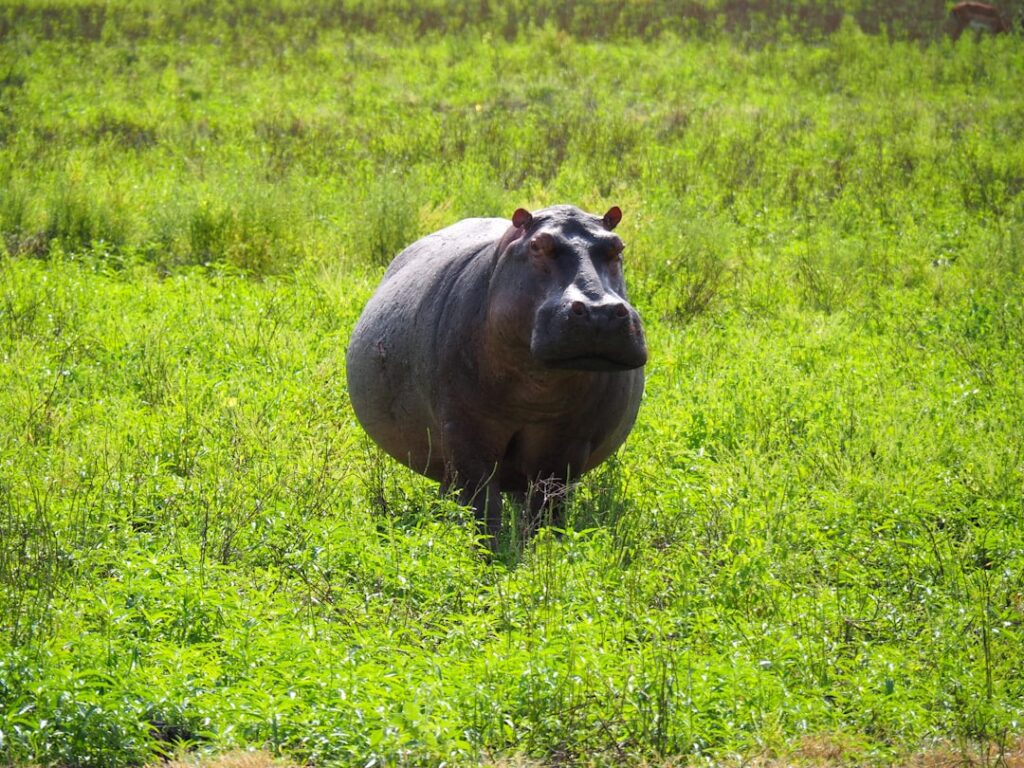
Selous, Tanzania’s Incredible Wildlife, Rivers & Raw African Wilderness (2026)
While over 1.5 million visitors a year head to the northern Serengeti, only a fraction—around 30,000—venture to the Selous Game Reserve. Yet this UNESCO World Heritage site is Africa’s largest protected wildlife area, a colossal 50,000 square kilometers of untamed bush, snaking rivers, and silent savannah where you’ll often have spectacular sightings entirely to yourself. This is the Africa of legend, not of minibus convoys.
Why Selous, Tanzania Stands Out

A giraffe stands in a dry grassy field., Selous, Tanzania
- Historic Architecture: The German-era Stiegler’s Gorge railway bridge, built in the early 1900s, stands as a monument to colonial ambition amidst the wilderness.
- Cultural Scene: The authentic, rhythmic beats of the Zaramo people’s Ngoma drumming, often performed in local villages, offer a profound cultural connection.
- Local Specialties: Freshly caught Nile Perch, grilled over an open fire on the banks of the Rufiji River, is a culinary rite of passage.
Pro Tip: For the ultimate trifecta—great wildlife viewing, minimal mosquitoes, and lush green scenery—target the dry season months of late June through October. This is when animals congregate at remaining water sources, making game viewing exceptionally predictable and rewarding.
Map of Selous, Tanzania
Use these interactive maps to explore Selous, Tanzania and plan your route:
📍 View Selous, Tanzania on OpenStreetMap
🗺️ Open Selous, Tanzania in Google Maps
Planning Your Trip: Practical Essentials
Getting There and Around
- By Air: Most visitors fly into Julius Nyerere International Airport (DAR) in Dar es Salaam. From there, Coastal Aviation, Auric Air, and Safari Air Link offer daily 1-hour flights to several airstrips within Selous like Mtemere or Siwandu. Book flights at Skyscanner for best deals.
- By Train: The TAZARA railway offers a more adventurous route from Dar es Salaam to Fuga station near Selous, but services are infrequent and slow (8+ hours). It’s more for the experience than efficiency. Reserve tickets at Trainline or the national railway website.
- By Car: A 4-5 hour drive from Dar es Salaam via the Morogoro road leads to the Matambwe Gate. A 4×4 is absolutely mandatory. Roads within the reserve are rough tracks. Compare car rentals at RentalCars.com.
- Local Transport: There is no public transport within the reserve. All movement is via pre-arranged safari vehicle with your lodge or tour operator. This is non-negotiable for safety and park regulations.
Best Time to Visit
Selous has two distinct seasons that dramatically change the landscape and wildlife behavior. The dry season is prime for classic game drives, while the wet season transforms the reserve into a lush, green paradise ideal for birding and boat safaris.
| Season | Weather | Highlights |
|---|---|---|
| Dry Season (Jun–Oct) | Hot, sunny days (25-30°C), very little rain, low humidity. | Peak wildlife viewing as animals gather at rivers and lakes; excellent photographic light; low mosquito risk. |
| Wet Season (Nov–May) | Hot (28-35°C) with high humidity; heavy rains, especially Mar-May. | Lush, green scenery; spectacular birdlife (over 440 species); fewer visitors; baby animals; best for boat safaris on swollen rivers. |
| Shoulder (Nov & late May) | Warm with sporadic, short rains. | A balance of good game viewing and beautiful landscapes; lower rates at many camps; a quiet, transitional atmosphere. |
Budgeting for Selous, Tanzania

A large lizard standing on top of a pile of dirt, Selous, Tanzania
| Category | Budget | Mid-range | Luxury |
|---|---|---|---|
| Accommodation | $150-$250/night (basic tented camp) | $400-$700/night (full-board lodge) | $800-$1,500+/night (premium all-inclusive safari camp) |
| Meals | Included in camp/lodge rate | Included in camp/lodge rate | Included in camp/lodge rate |
| Transport | Shared vehicle from gate ($50/day) | Private game drive vehicle ($200-$300/day) | Private vehicle, boat & walking guide included |
| Activities | Game drives (included), park fees ($70/day) | Boat safari ($50), walking safari ($40) | All activities (fly-camping, fishing) included |
| Daily Total | $270-$370 | $550-$1,100 | $1,200-$2,000+ |
Top Attractions and Must-See Sights
| Attraction | Description | Hours | Entry Fee |
|---|---|---|---|
| Rufiji River Boat Safari | Glide past hippo pods, crocodiles, and elephants drinking from the bank—a serene and unique perspective. | Dawn to dusk, arranged by lodge | $50-$80 per person |
| Stiegler’s Gorge | A dramatic 100m-deep canyon on the Rufiji, perfect for photography and spotting klipspringers. | All day, access by 4×4 | Included in park fee |
| Nyerere National Park (Selous) Walking Safari | Feel the bush underfoot with an armed guide, tracking spoor and learning micro-ecosystems. | Early morning or late afternoon | $40-$60 per person |
| Lake Tagalala & Lake Manze | Massive congregations of hippos, buffalo, and waterbirds gather at these vital dry-season water sources. | All day | Included in park fee |
3-Day Itinerary: Selous, Tanzania’s Highlights & Hidden Gems
Day 1: River & Predator Introduction
- Morning (6:30 AM): An early game drive from your lodge near Mtemere Gate. Your best bet is to head towards the Miwaleni Springs, a magnet for lions and hyenas in the cool morning. Listen for the whoop of hyenas.
- Afternoon (1:00 PM): Lunch back at camp (like Selous River Camp), likely a buffet with fresh salads and grilled meats. Then, a 3:00 PM boat safari on the Rufiji River—keep an eye for elephant families crossing and African fish eagles soaring.
- Evening (7:00 PM): Sundowner drinks on a sandbank followed by a bush dinner under a blanket of stars, the sounds of the river providing the soundtrack.
Day 2: The Heart of the Wilderness
- Morning (5:45 AM): A walking safari ($55) from a specialist camp like Sand Rivers. This is about the details: termite mounds, medicinal plants, and the thrill of tracking a fresh elephant trail with your guide.
- Afternoon (12:30 PM): Picnic lunch at a scenic viewpoint overlooking the plains. Then, a drive to the hot springs, where you can see steam rising from the ground—a bizarre sight in the African bush.
- Evening (6:30 PM): Night drive (where permitted) with a spotlight, seeking out nocturnal creatures like bushbabies, genets, and the glowing eyes of predators.
Day 3: Lakes & Cultural Touch
- Morning (7:00 AM): Drive to Lake Tagalala (2 hours from central Selous). The lake edge is often packed with hundreds of hippos and buffalo. This is a prime location for dramatic wildlife congregation shots.
- Afternoon (1:00 PM): Return towards the Rufiji, stopping for a simple lunch at a designated picnic site. Visit a local village (arranged through your lodge for a small fee, ~$20) to witness traditional life and crafts.
- Evening (5:30 PM): A final, slow game drive back to camp, savoring the golden light, before a farewell dinner featuring that must-try grilled Nile Perch.
Cultural Insights & Etiquette
- Language: Swahili is the national language. Key phrases: “Jambo” (Hello), “Asante sana” (Thank you very much), “Habari gani?” (How are you?). English is spoken in all tourist camps.
- Customs: Always greet people politely before launching into requests. Use your right hand for giving and receiving items. When visiting villages, ask permission before taking photos of people.
- Tipping: Tipping is customary. A general guideline is $10-$15 per guest per day for your main guide, and $5-$10 per day for general camp staff, usually placed in a communal tip box.
- Dress Code: Neutral, earthy colors (khaki, green, beige) are best for wildlife viewing. Dress modestly when visiting villages. Evenings can be cool—bring a light jacket.
- Business Hours: This is safari time—early mornings and late afternoons are for activities. Camps run on their own schedules. Park gates typically open at 6:00 AM and close at 6:30 PM.
Where to Eat: Selous, Tanzania’s Best Bites
Dining in Selous is almost exclusively through your safari camp or lodge on a full-board basis. Meals are hearty, fresh, and often feature local ingredients. Expect buffet breakfasts before drives, lavish picnic lunches in the bush, and multi-course dinners under the stars.
Must-Try Local Specialties
- Grilled Nile Perch: A firm, white fish caught from the Rufiji, simply seasoned and grilled over charcoal. Your camp chef will prepare this if requested in advance.
- Nyama Choma: Swahili for “grilled meat,” often goat or beef, marinated in local spices and served with “kachumbari” (tomato & onion salad).
- Ugali: A staple maize porridge, served as an accompaniment to stews. Tear off a small piece with your right hand and use it to scoop up the sauce.
Restaurant Recommendations by Budget
| Type | Restaurant | Specialty | Price Range |
|---|---|---|---|
| Camp Dining | Selous Impala Camp | Al fresco bush dinners with lantern light and classic safari cuisine. | Included in stay |
| Lodge Dining | Sand Rivers Selous | Gourmet meals with stunning river views; excellent wine selection. | Included in stay |
| Unique Experience | Beho Beho Camp | Private dining on your own veranda overlooking the plains. | Included in stay |
Where to Stay
Accommodation is in safari camps and lodges, ranging from rustic to ultra-luxurious, almost all operating on an all-inclusive basis. Location is key: riverside camps offer boat access, while plains camps focus on game drives. Compare prices and book at Booking.com or Airbnb for apartments (though Airbnbs are outside the reserve).
Best Neighborhoods for Accommodation
- Rufiji River Zone: The classic Selous experience. You’ll have immediate access to boat safaris, constant wildlife at the water’s edge, and beautiful views. Ideal for first-time visitors and those who love water-based activities.
- Central Selous Plains: Located further from the river in the heart of the game-rich grasslands. Offers exceptional dry-season game viewing and a true sense of remote wilderness. Best for dedicated wildlife enthusiasts.
- Northern Selous (near Mtemere Gate): The most accessible area from Dar es Salaam. Contains a mix of budget and mid-range camps, good general game viewing, but can feel busier near the gate.

A male lion rests on the ground with mouth open., Selous, Tanzania
FAQs: Your Selous, Tanzania Questions Answered
1. Is Selous, Tanzania safe at night?
Within the confines of your fenced or guarded safari camp, yes, it is very safe. You will be escorted to and from your tent after dark by camp staff as wildlife does roam freely. Never walk alone at night. On night drives, remain in the vehicle.
2. What currency is used and are credit cards accepted?
The Tanzanian Shilling (TZS) is the local currency, but US Dollars are widely accepted for park fees, tips, and in camps. Major camps accept Visa and Mastercard, but always carry sufficient cash (in small, clean USD bills) for tips and incidental purchases. ATMs are non-existent within the reserve.
3. How do I get from the airport to the city center?
Selous doesn’t have a “city center.” You’ll fly directly to an airstrip inside the reserve. Your safari camp will meet you there with a game drive vehicle for the transfer to camp, which is part of the adventure. For Dar es Salaam airport transfers, pre-book a taxi or shuttle. Book airport transfers at GetYourGuide for convenience.
4. Do I need to speak the local language?
No. English is the language of the safari industry, and all guides speak excellent English. Learning a few Swahili greetings, however, is greatly appreciated by camp staff and locals you may meet, and will enrich your experience.
5. What’s the appropriate dress code?
Smart-casual and practical. Neutral-colored, comfortable clothing for game drives. A sun hat, sunglasses, and sturdy shoes are essential. Evenings are often “bush chic”—clean, comfortable clothes. Swimwear is for your private plunge pool only, not common areas.
Final Thoughts: Selous, Tanzania Awaits
Selous offers something increasingly rare: a sense of true discovery and space. It’s not a curated wildlife park; it’s a functioning, vast ecosystem where the rhythms of nature dictate the day. You come here not just to see the Big Five, but to feel the immensity of wild Africa—from the silent glide of a boat on the Rufiji to the distant roar of a lion under a star-dusted sky. Savvy travelers know that the secret to an unforgettable safari lies not just in what you see, but in how you feel. In Selous, you’ll feel wonderfully, profoundly small in the best possible way. Your best bet is to book a camp that offers a mix of activities—drives, walks, and boat trips—to fully absorb this magnificent, untamed world.

