
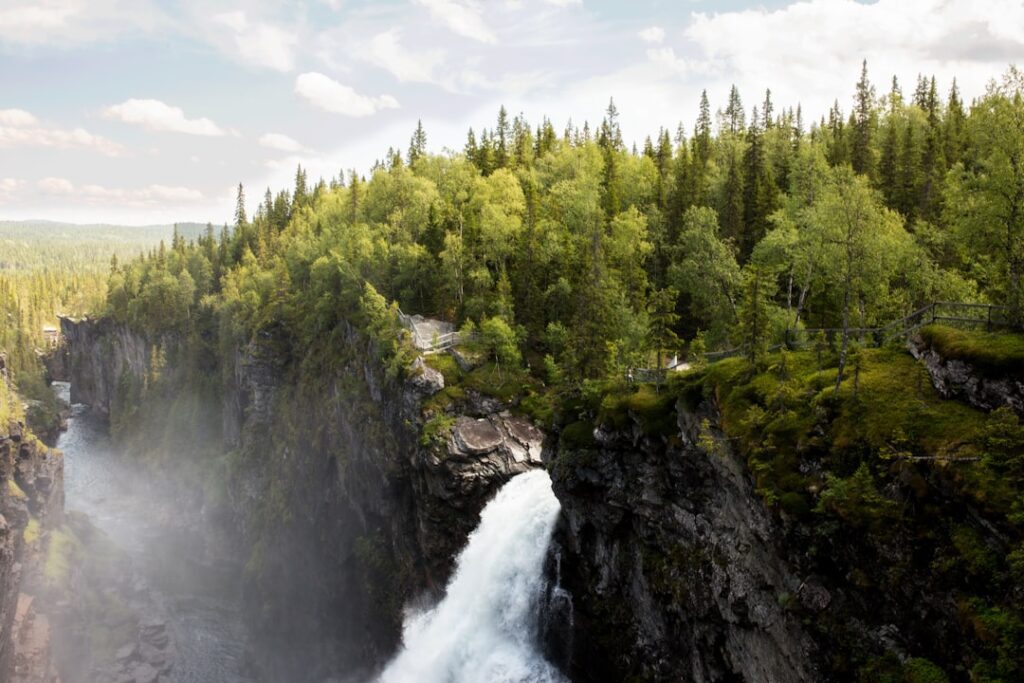
Sarek’s Wilderness, Sweden’s Ultimate Solitude, Sami Culture & Arctic Majesty (2026)
While crowds flock to Abisko National Park for its accessible trails and mountain station, Sarek’s Wilderness, Sweden delivers a profound, untamed Arctic experience without a single marked trail, hotel, or road within its 1,970 square kilometers. Here, savvy travelers trade convenience for a landscape where 200 glaciers carve through six of Sweden’s highest peaks, and the only permanent residents are reindeer, wolverines, and the ancient spirit of the Sami people. This is Europe’s last great wilderness, not a curated park.
Why Sarek’s Wilderness, Sweden Stands Out

House at the farm, Sarek’s Wilderness, Sweden
- Historic Architecture: The traditional Sami *kåta* (goat-hide tent) and *lávvu* (tipi-style dwelling) represent a nomadic architectural heritage dating back over a thousand years, perfectly adapted to the harsh Arctic climate.
- Cultural Scene: The annual spring and autumn reindeer migrations, a centuries-old tradition of the Sami people, transform the valleys into living rivers of thousands of animals, a sight of profound cultural and natural significance.
- Local Specialties: *Suovas*, lightly salted and smoked reindeer meat, is a protein-rich staple of Sami cuisine that travelers might sample in nearby villages like Kvikkjokk before a trek.
Pro Tip: Aim for late August to early September. The ferocious mosquitoes (*mygg*) of July have subsided, the autumn colors (*höstfärger*) set the hillsides ablaze with red and gold, and you have a chance to witness the northern lights without the deep freeze of winter. Avoid June due to massive snowmelt and impassable rivers.
Map of Sarek’s Wilderness, Sweden
Use these interactive maps to explore Sarek’s Wilderness, Sweden and plan your route:
📍 View Sarek’s Wilderness, Sweden on OpenStreetMap
🗺️ Open Sarek’s Wilderness, Sweden in Google Maps
Planning Your Trip: Practical Essentials
Getting There and Around
- By Air: Fly into Kiruna Airport (KRN), served by SAS and Norwegian from Stockholm. From there, you’ll need a 2.5-hour train or bus south to Gällivare or Jokkmokk, then local transport to trailheads. Book flights at Skyscanner for best deals.
- By Train: The overnight Arctic Circle Train from Stockholm to Murjek or Gällivare is a classic journey. From Murjek, a bus connects to Kvikkjokk (a key gateway). Reserve tickets at Trainline or the national railway website.
- By Car: Driving offers flexibility to reach remote trailheads like Saltoluokta or Ritsem. The E45 highway is the main artery. Winter requires a 4×4 and extreme caution. Compare car rentals at RentalCars.com.
- Local Transport: “Local transport” here means pre-booked shuttle buses, taxis, or the iconic STF mountain station boats across lakes like Langas. The *Lapplandspilen* bus service connects key gateways. Schedules are infrequent—plan meticulously.
Best Time to Visit
Your season defines your experience in Sarek. Summer offers midnight sun and trekking, winter is for extreme ski expeditions and auroras, while the shoulder seasons provide dramatic light and fewer visitors for the well-prepared.
| Season | Weather | Highlights |
|---|---|---|
| Summer (Jun–Aug) | 5°C to 15°C (41°F to 59°F). Midnight sun, high water levels, and relentless mosquitoes (especially July). | Hiking and packrafting. Lush valleys, accessible high passes. Busiest season for experienced trekkers. |
| Winter (Dec–Feb) | -15°C to -30°C (5°F to -22°F). Permanent darkness mid-winter, heavy snow, extreme conditions. | Ski touring and dog sledding expeditions for experts only. Spectacular aurora viewing in clear, cold spells. |
| Shoulder (Apr–May/Sep–Oct) | -5°C to 10°C (23°F to 50°F). Unpredictable mix of sun, snow, and rain. Fewer insects. | September is prime for hiking: autumn colors, northern lights possible, rivers are lower. May is for spring ski touring. |
Budgeting for Sarek’s Wilderness, Sweden

Green grass field near mountain under white clouds during daytime, Sarek’s Wilderness, Sweden
| Category | Budget | Mid-range | Luxury |
|---|---|---|---|
| Accommodation | Hostel/Guesthouse: 300-500 SEK/night | STF Mountain Station: 600-900 SEK/night | Guided Expedition with full support: 5,000+ SEK/day |
| Meals | Self-catered trail food: 150 SEK/day | Mountain Station Restaurant: 300-500 SEK/day | Pre-prepared gourmet trail meals: 700+ SEK/day |
| Transport | Bus transfers: 200-400 SEK/trip | Taxi to trailhead: 800-1500 SEK | Private helicopter drop-off: 15,000+ SEK |
| Activities | Independent hiking: Free | Guided day tour from gateway: 1200 SEK | Multi-day guided wilderness expedition: 8,000 SEK/day |
| Daily Total | 650 – 1,100 SEK | 2,000 – 3,500 SEK | 10,000+ SEK |
Top Attractions and Must-See Sights
| Attraction | Description | Hours | Entry Fee |
|---|---|---|---|
| Rapadalen (Rapa Valley) | Known as “Sarek’s Grand Canyon,” this vast delta where the Rapa River winds is the park’s most iconic and photographed vista. | 24/7, accessible summer/autumn | Free (Park entry is free) |
| Skierfe | A dramatic cliff plateau offering a breathtaking, dizzying aerial view straight down into Rapadalen—a reward for a steep hike. | Accessible when snow-free (Jul-Sep) | Free |
| Pårte Massif | A majestic cluster of peaks over 2,000m, including Sarek’s highest, Sarektjåkkå, offering challenging routes for experienced mountaineers. | Summer months | Free |
| Alamossen & Sitojaure Lakes | Vast, serene lake systems ideal for packrafting or contemplative walks, often with sightings of beavers and grazing reindeer. | Ice-free season | Free |
3-Day Itinerary: Sarek’s Wilderness, Sweden’s Highlights & Hidden Gems
Note: This is a sample itinerary starting from the Kvikkjokk mountain station, designed for fit, experienced hikers with proper gear. Distances are rough and weather-dependent.
Day 1: Gateway to the Wild
- Morning (7-9 AM): Final gear check and a hearty breakfast at STF Kvikkjokk Mountain Station. Pick up last-minute supplies and your map. Secure a packed lunch (approx. 150 SEK).
- Afternoon (12-6 PM): Begin the hike north along the Kungsleden (King’s Trail) toward Sarek’s border. Your goal is to reach the turn-off at **Bäverholmen** after ~15km. Camp near the junction, listening for the slap of beaver tails on the water at dusk.
- Evening (8 PM onwards): Cook dinner at your camp. If skies are clear in September, watch for the first green hues of the aurora dancing over the Tarra valley.
Day 2: Into the Heart of Sarek
- Morning (6 AM): Early start to ford the Tarra River at its calmest. Use trekking poles and unbuckle your pack waist strap for safety. Head northeast off-trail into the **Vardo Valley**.
- Afternoon (1-5 PM): Navigate the boulder-strewn valley, a classic Sarek landscape. Keep an eye out for Arctic fox tracks. Set up camp by a high tarn with views of the surrounding peaks.
- Evening: A summit of a nearby *njunnjá* (Sami for small peak) for panoramic 360-degree views of untouched wilderness—your true reward for the day’s effort.
Day 3: The Return & Reflection
- Morning (7 AM): Break camp and retrace your route back to the Kungsleden junction. The return hike feels different as you’re now oriented with the land.
- Afternoon (1 PM): Arrive back at **STF Kvikkjokk**. Reward yourself with a classic Swedish *fika*—coffee and a cinnamon bun—and a well-earned sauna (included for guests).
- Evening (7 PM): Celebrate with a proper dinner at the mountain station restaurant. Try the Arctic char with wild herbs (~350 SEK) and share stories with other trekkers in the communal lounge.
Cultural Insights & Etiquette
- Language: Swedish is official, but Northern Sami is spoken locally. Key phrases: *”Bures”* (Hello), *”Giitu”* (Thank you), *”Lihkku beivviin”* (Congratulations on the day/name day). English is widely spoken in tourist hubs.
- Customs: The land is the home of the Sami. Never walk between or disturb reindeer herds, as they are privately owned. If you encounter a Sami settlement or *siida* (community), observe from a respectful distance unless invited.
- Tipping: Not expected in Sweden. For exceptional guided service, a round-up or 5-10% is a generous gesture.
- Dress Code: Functional, weather-appropriate layers are essential. In mountain stations, it’s customary to remove outdoor shoes. Saunas are almost always nude and gender-segregated.
- Business Hours: Shops in gateway villages like Jokkmokk keep modest hours (10 AM-5 PM). Everything is closed on major holidays and often on Sundays. Plan your supply shopping accordingly.
Where to Eat: Sarek’s Wilderness, Sweden’s Best Bites
Dining in Sarek is primarily about trail sustenance, but the mountain stations and gateway towns offer hearty, restorative meals focused on local and foraged ingredients. This is the land of cloudberries, reindeer, and freshwater fish.
Must-Try Local Specialties
- Suovas: Smoked reindeer meat, often eaten thinly sliced on flatbread. The best is from local Sami producers; look for it in shops in Jokkmokk or at the **Jokkmokk Market** in February.
- Arctic Char (Röding): A delicate pink-fleshed fish from pristine lakes, served grilled or smoked. Savvy visitors order it at **STF Saltoluokta Mountain Station** restaurant.
- Cloudberry Jam (Hjortronsylt): The “gold of the marsh,” this tart, amber-colored berry is a prized delicacy. Try it on pancakes or with local cheese.
Restaurant Recommendations by Budget
| Type | Restaurant | Specialty | Price Range |
|---|---|---|---|
| Budget | Kvikkjokk Mountain Station Cafe | Hearty trekker’s lunch plates and baked goods | 80-150 SEK |
| Mid-range | Ájtte Museum Restaurant (Jokkmokk) | Modern takes on Sami cuisine, like reindeer stew | 200-350 SEK |
| Fine dining | Storforsen Hotel Restaurant (Boden) | Six-course tasting menu with Nordic wilderness ingredients | 800+ SEK |
Where to Stay
Accommodation is about strategic gateways and mountain huts. Inside Sarek itself, you camp. Book mountain stations well in advance, especially for summer, at Booking.com or the Swedish Tourist Association (STF) website directly.
Best Neighborhoods for Accommodation
- Jokkmokk: The cultural capital of Swedish Lapland, home to the superb Ájtte Museum. Ideal for pre-trip cultural immersion and last-minute supplies. Suits all travelers.
- STF Mountain Stations (Saltoluokta/Kvikkjokk): The classic gateways. These are not hotels but rustic, full-service hubs with dorm beds, private rooms, saunas, and shops. Essential for trekkers.
- Ritsem: The northern gateway, accessed by bus or car. Offers a hostel and stunning views of the Akka massif. Best for routes into the Pårte area or for the boat across Lake Langas.

View photography brown mountain during daytime, Sarek’s Wilderness, Sweden
FAQs: Your Sarek’s Wilderness, Sweden Questions Answered
1. Is Sarek’s Wilderness, Sweden safe at night?
The primary risks are environmental, not criminal. Inside the park, safety means proper camping to avoid surprising wildlife (store food securely), navigating river crossings carefully, and being prepared for rapidly changing weather. The biggest danger is underestimating the wilderness. Always file a detailed trip plan with the Mountain Safety Council (Fjällsäkerhet).
2. What currency is used and are credit cards accepted?
Sweden uses the Swedish Krona (SEK). Credit/debit cards are accepted almost universally, even in mountain station cafes. However, carry some cash (500-1000 SEK) for emergencies, small purchases in remote areas, or if card systems fail. ATMs are only in larger towns like Gällivare or Jokkmokk.
3. How do I get from the airport to the trailhead?
From Kiruna Airport, take a taxi (approx. 500 SEK, 15 min) to Kiruna station. Then, take the train south to Murjek (1.5 hours), followed by a connecting bus to Kvikkjokk (1 hour). The entire journey takes 4-5 hours. For a seamless transfer, book a guided tour that includes transport at GetYourGuide for convenience.
4. Do I need to speak the local language?
No. English proficiency is very high in Sweden. Staff at all tourist facilities, mountain stations, and transport hubs speak excellent English. Learning a few basic Swedish or Sami phrases is appreciated as a sign of respect but not necessary for logistics.</p

