
Sarek’s Valley, Sweden’s Stunning Wilderness, Solitude & Arctic Majesty (2026)
While crowds flock to the well-trodden trails of Abisko National Park, Sarek’s Valley delivers a profound, untamed wilderness experience without a single marked trail, hotel, or road. Here, in Sweden’s oldest national park, you’ll find Europe’s last true wilderness: over 1,970 square kilometers of raw, glaciated valleys, six of Sweden’s thirteen peaks over 2,000 meters, and a silence so deep you can hear the wind sculpt the ancient stone. This is not a destination for casual sightseeing; it’s a pilgrimage for the self-sufficient adventurer.
Why Sarek’s Valley, Sweden Stands Out

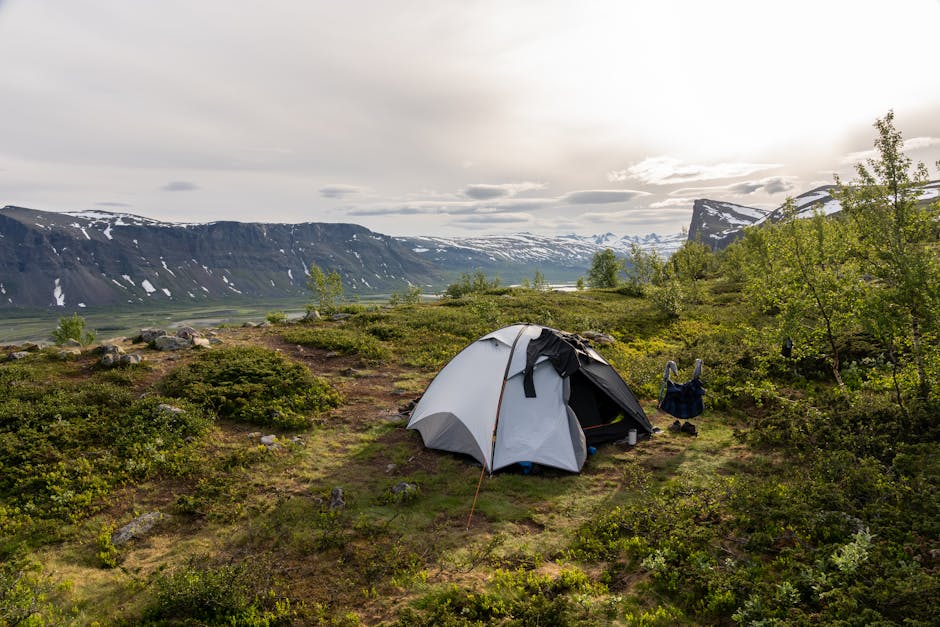
Tent set up in the wilderness overlooking a stunning mountain landscape in …, Sarek’s Valley, Sweden
- Historic Architecture: The landscape itself is the monument, shaped by glaciers over millennia, with the iconic Rapa Valley (Rapadalen) often called “Sweden’s most beautiful valley” for its dramatic, braided river system.
- Cultural Scene: The enduring presence of the indigenous Sámi people, whose ancestral reindeer herding paths, or “leder,” crisscross the park, offering a living cultural connection to the land.
- Local Specialties: Foraged cloudberries (hjortron), a golden Arctic berry treasured by locals and often served as a luxurious jam or dessert in nearby mountain stations.
Pro Tip: Your best bet for manageable river crossings and fewer mosquitoes is the short window from late August to early September. The autumn colors (the “ruska”) are spectacular, but be prepared for rapidly changing weather and colder nights.
Map of Sarek’s Valley, Sweden
Use these interactive maps to explore Sarek’s Valley, Sweden and plan your route:
📍 View Sarek’s Valley, Sweden on OpenStreetMap
🗺️ Open Sarek’s Valley, Sweden in Google Maps
Planning Your Trip: Practical Essentials
Getting There and Around
- By Air: Fly into Kiruna Airport (KRN), served by SAS and Norwegian. From there, you’ll need a 1.5-hour bus or taxi transfer to the gateway town of Jokkmokk or Kvikkjokk. Book flights at Skyscanner for best deals.
- By Train: Overnight trains from Stockholm to Murjek or Gällivare connect to bus services. The journey is part of the adventure, offering stunning northern landscapes. Reserve tickets at Trainline or the national railway website.
- By Car: Driving the E45 to Jokkmokk or Kvikkjokk offers flexibility. Parking is available at trailheads like Kvikkjokk or Saltoluokta, but you’ll leave your car for days. Compare car rentals at RentalCars.com.
- Local Transport: “Local transport” here means your own two feet, or chartering a helicopter or boat for access. From Saltoluokta mountain station, a boat crosses Langas Lake to the park’s edge. Schedules are seasonal, so check with the Swedish Tourist Association (STF).
Best Time to Visit
Season dictates everything in Sarek. Summer offers midnight sun but fierce mosquitoes; autumn brings breathtaking colors and frost; winter is for expert ski expeditioners only.
| Season | Weather | Highlights |
|---|---|---|
| Summer (Jun–Aug) | 5°C to 15°C (41°F to 59°F). Long days, midnight sun in June/July, but persistent mosquitoes (mygg) until August. | Accessible hiking, river crossings possible without ice, 24-hour daylight for extended trekking. High season for hardy hikers. |
| Winter (Dec–Feb) | -15°C to -30°C (5°F to -22°F). Extreme cold, very short days, heavy snow. | Exclusively for experienced Arctic ski-touring or dogsledding expeditions. Profound solitude and Northern Lights. No casual travel. |
| Shoulder (Late Aug–Mid Sep) | 0°C to 10°C (32°F to 50°F). Unpredictable mix of sun, rain, and early snow. | Fewer insects, stunning autumn foliage (ruska), fewer people. The most recommended window for experienced hikers. |
Budgeting for Sarek’s Valley, Sweden
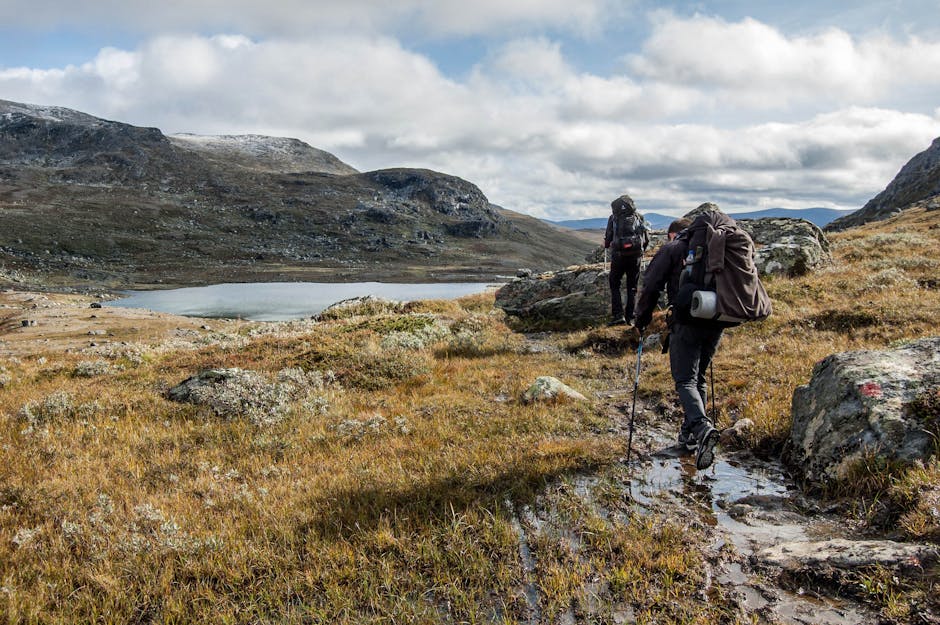
Adventurous hikers explore the scenic Vålådalen landscape in Sweden during fall., Sarek’s Valley, Sweden
| Category | Budget | Mid-range | Luxury |
|---|---|---|---|
| Accommodation | Camping (Free in wilderness) / STF Mountain Hostel dorm (≈500 SEK) | STF Mountain Station private room (≈1200 SEK) | Heli-skiing lodge packages or guided expedition tents (3000+ SEK/day) |
| Meals | Self-cooked dehydrated food (≈150 SEK/day) | Mountain station half-board (≈600 SEK/day) | Full-board at exclusive lodges with gourmet Arctic cuisine (1500+ SEK/day) |
| Transport | Public bus to trailhead (≈200 SEK) | Taxi transfer, boat charter (≈1000 SEK) | Helicopter drop-in to remote valleys (5000+ SEK) |
| Activities | Independent hiking (Free) | Guided day tour from a mountain station (≈800 SEK) | Week-long guided wilderness trek (15,000+ SEK) |
| Daily Total | ≈350-500 SEK | ≈1500-2500 SEK | 5000+ SEK |
Top Attractions and Must-See Sights
| Attraction | Description | Hours | Entry Fee |
|---|---|---|---|
| Rapa Valley (Rapadalen) | The park’s stunning centerpiece, a vast, glacial valley where the Rapaätno river braids through, surrounded by sharp peaks like Skierfe. | 24/7, accessible only on foot in summer | Free (National Park) |
| Mount Skierfe | This iconic 1,179m peak offers one of Scandinavia’s most dramatic viewpoints: a sheer 700m cliff face plunging into Rapadalen. | Accessible when snow-free (Jul-Sep) | Free |
| Pårtejekna Glacier | One of Sarek’s many majestic glaciers, best viewed from a distance or approached with extreme caution and proper gear. | N/A | Free |
| Ájtte Museum (Jokkmokk) | The essential pre- or post-trip visit to understand Sámi culture, Arctic ecology, and Sarek’s history. Located in the gateway town. | 10 AM – 6 PM daily (summer) | 120 SEK |
3-Day Itinerary: Sarek’s Valley, Sweden’s Highlights & Hidden Gems
Note: This is a demanding itinerary for very fit and experienced backpackers. Distances are rough and weather-dependent.
Day 1: Gateway & First Steps
- Morning (7-9 AM): Final gear check and breakfast at STF Kvikkjokk Mountain Station. Purchase last-minute fuel and maps. Take the 9 AM boat (approx. 250 SEK) across Lake Saggat to the trailhead, saving 15km of walking.
- Afternoon (12-6 PM): Begin the hike into the park boundary towards Pårtejekna glacier views. Lunch on the trail with dried reindeer meat (souvas). Set up camp near the Sitoälven river, ensuring you’re at least 150m from water.
- Evening (6-8 PM): Cook dinner at camp, purify water from the river. The midnight sun (in summer) casts long, golden shadows across the tundra—a perfect time for photography.
Day 2: The Heart of Rapadalen
- Morning (7 AM): Break camp early and trek east towards the mouth of the Rapa Valley. The terrain becomes more challenging, with multiple river fords. Use trekking poles and unbuckle your backpack waist strap for safety.
- Afternoon (1 PM): Arrive at the lower slopes of Rapadalen. The view opens up to a breathtaking panorama of braided turquoise rivers and towering peaks. This is an all-day hiking zone—there are no shortcuts.
- Evening (6 PM): Camp at a designated spot with a view of the valley. This is prime wildlife territory; store all food securely. On a clear night, the silence is absolute.
Day 3: Ascent & Return
- Morning (5 AM): A very early, strenuous climb up a secondary ridge (not Skierfe, which requires more time) for a panoramic view of Rapadalen at sunrise. Pack a hearty breakfast to eat at the summit.
- Afternoon (12 PM): Begin the long return hike towards Kvikkjokk, retracing your steps. The perspective changes, offering new views of the landscape you traversed.
- Evening (6 PM): Arrive back at the Kvikkjokk boat pickup point (check schedule in advance). Return to the mountain station for a well-earned sauna and a celebratory dinner of Arctic char and cloudberry jam (approx. 350 SEK).
Cultural Insights & Etiquette
- Language: Swedish is official, but English is widely spoken in stations. Learn a few Sámi phrases: “Bures” (Hello), “Giitu” (Thank you). In the wilderness, a nod of acknowledgment to fellow hikers is the standard greeting.
- Customs: Respect Allemansrätten (The Right of Public Access): you may roam freely, but must not disturb or destroy. Never walk on or near obvious Sámi cultural sites or disturb reindeer herds.
- Tipping: Not customary in Sweden. At mountain stations, rounding up the bill or leaving small change is a generous gesture for exceptional service.
- Dress Code: Functional, weather-proof layers are essential. In mountain stations, clean, dry indoor shoes are appreciated. Saunas are often mixed and nude; follow local lead or wear a towel.
- Business Hours: Mountain stations have limited hours for shops and reception, especially outside peak summer. Plan to arrive during opening times or notify them in advance if late.
Where to Eat: Sarek’s Valley, Sweden’s Best Bites
Dining in Sarek is about sustenance. In the wilderness, you’ll cook your own dehydrated meals. The mountain stations offer hearty, calorie-rich fare designed for hungry adventurers, often featuring local and foraged ingredients.
Must-Try Local Specialties
- Suovas: Lightly salted and smoked reindeer meat, often dried. It’s a high-protein, traditional Sámi staple perfect for trail snacks. Find it pre-packaged at the Ájtte Museum shop or STF stations.
- Arctic Char (Röding): A delicious freshwater fish, often pan-fried or smoked. Savvy visitors know to order it at the STF Saltoluokta or Kvikkjokk mountain station restaurants.
- Cloudberry Jam (Hjortronsylt): The “gold of the marsh,” this tart, amber berry is a prized delicacy. Locals swear by it on pancakes or waffles at station breakfasts.
Restaurant Recommendations by Budget
| Type | Restaurant | Specialty | Price Range |
|---|---|---|---|
| Budget | STF Mountain Station Self-Catering Kitchen (Kvikkjokk/Saltoluokta) | Cook your own purchased supplies; communal and social. | Cost of groceries |
| Mid-range | STF Kvikkjokk Mountain Station Restaurant | Hearty daily dinner buffet featuring local game and fish. | 350-450 SEK for buffet |
| Fine dining | Restaurant at Hotel Jokkmokk (in town) | Modern takes on Arctic cuisine in a comfortable setting post-trek. | 600-800 SEK for 3-course meal |
Where to Stay
Accommodation is binary: comfortable mountain stations on the park’s periphery, or your tent in the wild. There is nothing in between. Book mountain stations far in advance, especially for summer. Compare prices and book at Booking.com or Airbnb for apartments in Jokkmokk.
Best Neighborhoods for Accommodation
- Jokkmokk: The cultural gateway town with hotels, the Ájtte Museum, and shops. Pros: Amenities, cultural context. Cons: A 1-2 hour transfer to trailheads. Best for pre/post-trip nights.
- Kvikkjokk Mountain Station: The classic southwestern entry point to Sarek. Pros: Direct trail access, boat service, sauna. Cons: Remote, basic rooms book out fast. Ideal for serious hikers.
- Saltoluokta Mountain Station: Accessed by boat, this station offers a different approach. Pros: Stunning location, great food, guided tours. Cons: Less direct access to core Sarek valleys. Suits those wanting a softer introduction.
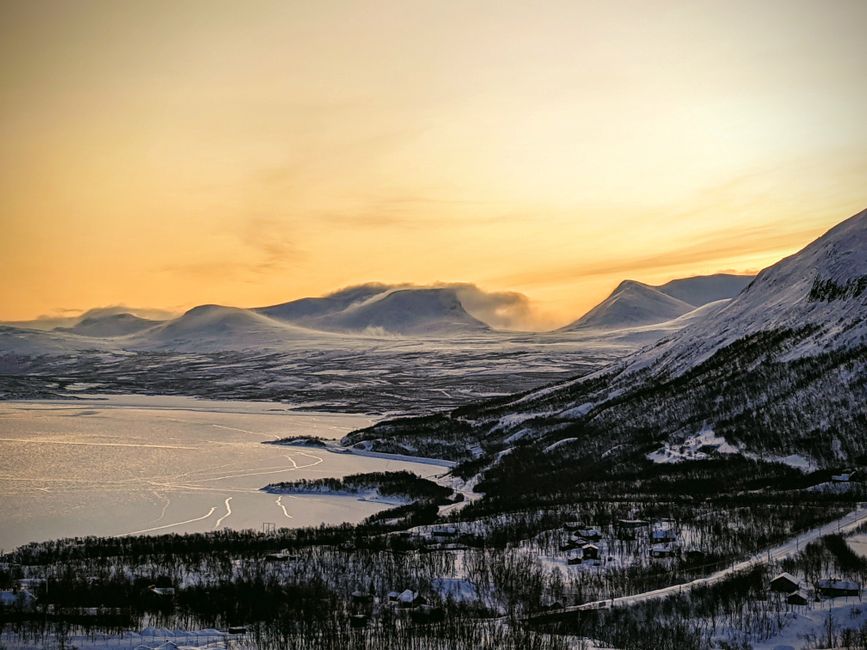
Breathtaking scenery of frozen lake surrounded by snowy mountains with leaf…, Sarek’s Valley, Sweden
FAQs: Your Sarek’s Valley, Sweden Questions Answered
1. Is Sarek’s Valley, Sweden safe at night?
The primary risks are environmental, not criminal. In the wilderness, safety means proper camping to avoid surprising wildlife (primarily curious foxes, not predators), securing food, and being prepared for sudden hypothermia. In gateway towns, crime is virtually nonexistent. Your greatest concern will always be the weather.
2. What currency is used and are credit cards accepted?
Swedish Krona (SEK) is the currency. Credit/debit cards are accepted everywhere, even at remote mountain stations. However, seasoned travelers always carry some cash (a few hundred SEK) as a backup for small purchases in case of technical issues with card readers in remote areas.
3. How do I get from the airport to the trailhead?
From Kiruna Airport, take a taxi (approx. 600 SEK) or the scheduled bus to Jokkmokk (approx. 200 SEK, 1.5 hrs). From Jokkmokk, you’ll need another bus or taxi to Kvikkjokk (approx. 1 hr). The connections are infrequent, so plan meticulously. Book airport transfers at GetYourGuide for convenience for the initial leg.
4. Do I need to speak the local language?
No. English proficiency is very high in Sweden. Staff at all mountain stations and in towns speak excellent English. However, learning a few basic Swedish or Sámi words is a sign of respect and often appreciated.

