
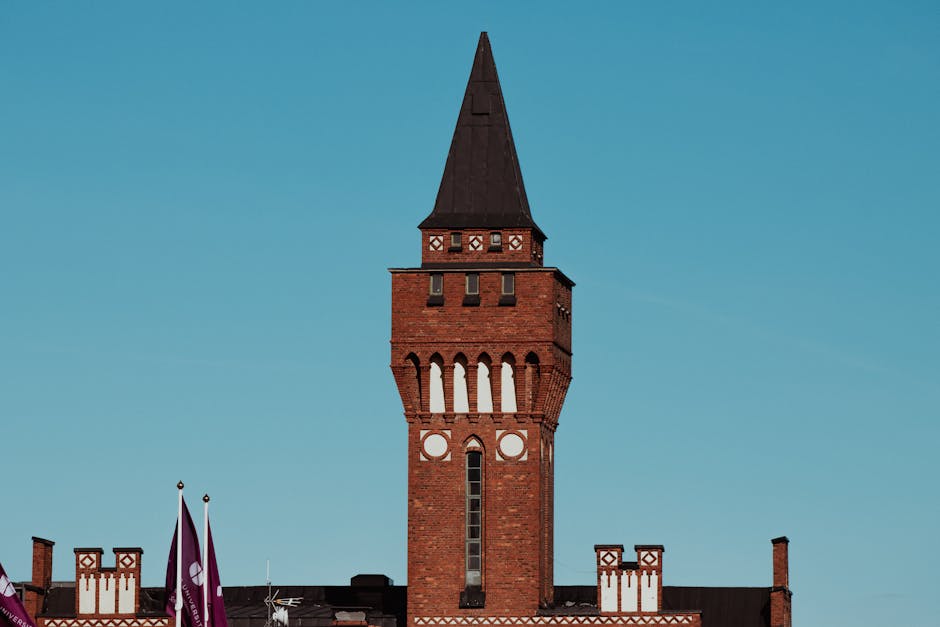
Sarek Plateau, Sweden’s Amazing Wilderness, Solitude & Arctic Majesty (2026)
While crowds flock to the marked trails of Abisko National Park, Sarek Plateau, Sweden delivers Europe’s last true wilderness without a single maintained trail, hotel, or road. Here, across 1,970 square kilometers of raw Arctic landscape, you’ll find more brown bears than people, navigate by compass over ancient reindeer migration paths, and experience a silence so profound it recalibrates your senses. This is Sweden’s ultimate adventure, not a curated tourist experience.
Why Sarek Plateau, Sweden Stands Out
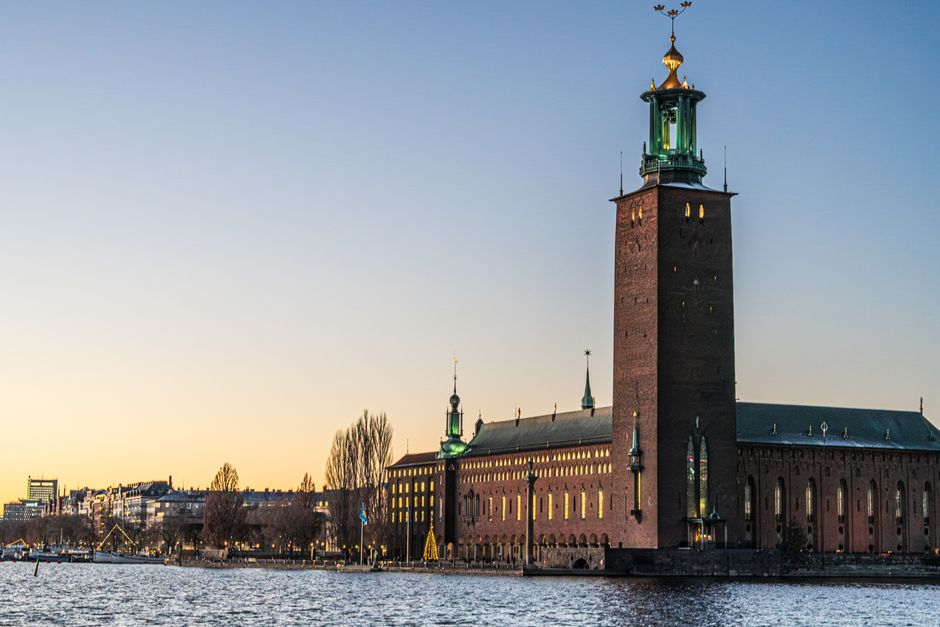
Beautiful view of Stockholm City Hall reflecting on the water during sunset, Sarek Plateau, Sweden
- Historic Architecture: The traditional Sami *kåta* (tipi-style hut) isn’t a single building but a centuries-old design, representing the indigenous architecture of the land and the sustainable, nomadic lifestyle of the Sámi people.
- Cultural Scene: The annual reindeer migration, a millennia-old tradition of the Sámi people, is the living cultural heartbeat of the region, where herders guide thousands of reindeer through the valleys each spring and autumn.
- Local Specialties: Foraged cloudberries, the “Arctic gold,” are a must-try delicacy, often served as a sweet jam or sauce with pancakes or local game if you’re lucky enough to be hosted by a Sámi family.
Pro Tip: Your best bet for manageable river crossings and fewer mosquitoes is the short window from late August to early September. The autumn colors (*ruska*) are spectacular, the bugs have subsided, and the rivers, fed by melting glaciers, are at their lowest levels.
Map of Sarek Plateau, Sweden
Use these interactive maps to explore Sarek Plateau, Sweden and plan your route:
📍 View Sarek Plateau, Sweden on OpenStreetMap
🗺️ Open Sarek Plateau, Sweden in Google Maps
Planning Your Trip: Practical Essentials
Getting There and Around
- By Air: Fly into Kiruna Airport (KRN), served by SAS and Norwegian from Stockholm. From there, you’ll need a 1.5-hour train or bus transfer to Gällivare or Jokkmokk, your typical gateway towns. Book flights at Skyscanner for best deals.
- By Train: Overnight trains from Stockholm to Gällivare or Murjek (near Jokkmokk) on SJ Railways take about 14-15 hours. It’s a scenic and practical option. Reserve tickets at Trainline or the national railway website.
- By Car: Driving the E10 to Kiruna and then the 45 to Kvikkjokk is possible, but you’ll leave your car at a trailhead for days. A 4×4 is not required for the main roads. Compare car rentals at RentalCars.com.
- Local Transport: There is no local transport within Sarek. Access is by foot, ski, or helicopter transfer from places like Kvikkjokk or Saltoluokta. The Swedish Tourist Association (STF) mountain stations run shuttle boats across lakes to trailheads.
Best Time to Visit
Season dictates your entire Sarek experience. Summer offers midnight sun and hiking, while winter is a frozen realm for expert ski tourers. Shoulder seasons are for the very experienced only due to unstable ice and extreme weather.
| Season | Weather | Highlights |
|---|---|---|
| Summer (Jun–Aug) | 5°C to 15°C (41°F to 59°F). Long days, midnight sun in June/July. Mosquitoes can be fierce in July. Unpredictable rain and snow possible. | Hiking, wildflowers, birdlife. Peak accessibility but also peak mosquito season. Rivers are high from meltwater. |
| Winter (Dec–Feb) | -15°C to -30°C (5°F to -22°F). Polar night in December, few hours of twilight. Extreme cold and blizzards. | Ski touring, Northern Lights, profound solitude. For experts with polar survival skills only. Travel is by ski or snowmobile. |
| Shoulder (Late Aug–Sep / Feb–Mar) | Autumn: 0°C to 10°C (32°F to 50°F). Spring: -5°C to 5°C (23°F to 41°F). Unstable conditions. | Autumn offers stunning *ruska* (fall colors) and fewer bugs. Spring has longer daylight for skiing but hazardous ice. |
Budgeting for Sarek Plateau, Sweden
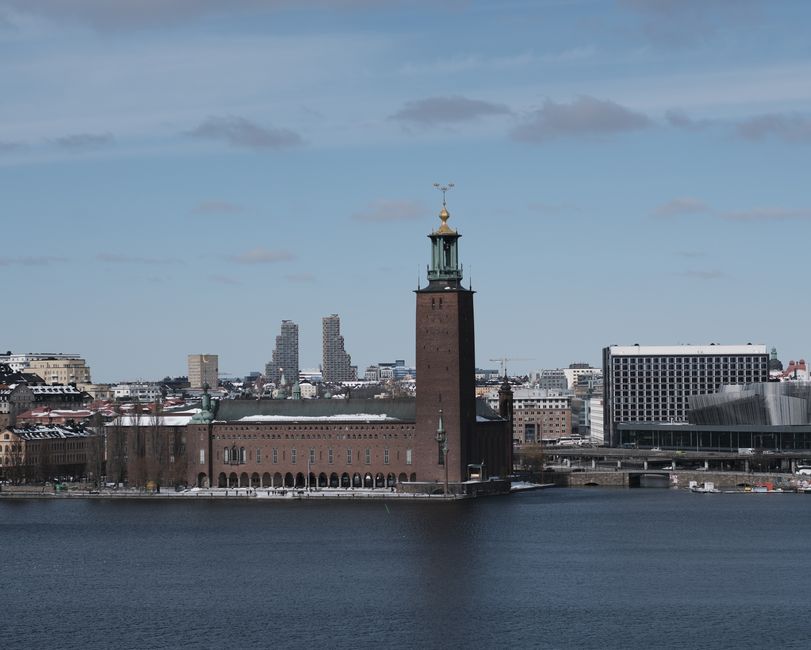
Iconic Stockholm City Hall by the waterfront on a clear winter day with a c…, Sarek Plateau, Sweden
| Category | Budget | Mid-range | Luxury |
|---|---|---|---|
| Accommodation | Free (wild camping) or 300 SEK/night for STF mountain station dorm | 500-800 SEK/night for a private room in a mountain hut | Helicopter-in luxury guided expedition (5,000+ SEK/day) |
| Meals | Self-cooked dehydrated meals (100 SEK/day) | Meals at STF stations (250-350 SEK per dinner) | Fully catered guided tour with gourmet camp food |
| Transport | Train/bus to trailhead, walk in (500 SEK one-way) | Taxi to remote start point, shuttle boat fees (1,000 SEK) | Helicopter drop-off/pick-up (8,000+ SEK one-way) |
| Activities | Free hiking/navigation | Guided day hike from a station (800 SEK) | Multi-day guided wilderness trek (3,000+ SEK/day) |
| Daily Total | 200-400 SEK/day | 1,000-1,500 SEK/day | 5,000+ SEK/day |
Top Attractions and Must-See Sights
| Attraction | Description | Hours | Entry Fee |
|---|---|---|---|
| Rapa Valley (Rapadalen) | The “Royal Valley,” a breathtaking glacial valley where the Rapaätno river braids through, offering some of the most dramatic scenery in all of Scandinavia. | Always open | Free |
| Skierfe Cliff | A dramatic 700-meter vertical cliff offering a heart-stopping panoramic view over the entire Rapa Valley delta—the iconic view of Sarek. | Always open (accessible summer/autumn) | Free |
| Pårte Massif | A distinct, pyramid-shaped mountain (2,005m) that serves as a legendary landmark and challenging climb for experienced mountaineers. | Always open | Free |
| Sarek’s Glacier Systems | Over 100 glaciers, including the massive Pårteglaciären, where you can witness the raw power of ice shaping the landscape. | Always open (dangerous to approach without guidance) | Free |
3-Day Itinerary: Sarek Plateau, Sweden’s Highlights & Hidden Gems
Note: This is a sample itinerary for a short, intensive trek starting from Aktse. A true Sarek traverse typically takes 7-10 days.
Day 1: Gateway to the Wild
- Morning (7-9 AM): Take the early shuttle boat (450 SEK round-trip) from Saltoluokta Mountain Station across Langas Lake to the trailhead at Aktse. The boat ride itself is a serene introduction to Lapland’s vast waters.
- Afternoon (12-5 PM): Hike east from Aktse along the marked Kungsleden trail for about 2 hours until you cross the border into Sarek National Park (marked by signs). Set up camp near the Skaite River, your first wild camp. Lunch is trail snacks.
- Evening (6-8 PM): Cook dinner at camp, purify water from the river, and spend the evening scanning the slopes for reindeer. The silence here, just inside the park boundary, is your first real taste of Sarek.
Day 2: Into the Heart of Rapa
- Morning (6-11 AM): Break camp early and trek north-east towards the mouth of the Rapa Valley. The terrain becomes pathless; navigate using the massive valley as your guide. This demanding 5-hour hike involves boulder fields and riverbank walking.
- Afternoon (12-4 PM): Find a camping spot with a view of the Rapaätno river braids. After setting up, have lunch (dehydrated meal). Spend the afternoon exploring the immediate area—this is prime ground for spotting Arctic foxes and golden eagles.
- Evening (5-8 PM): A simple dinner followed by photography in the golden “night” light (in summer). Listen for the calls of whooper swans echoing through the valley.
Day 3: The Ascent and Return
- Morning (5-10 AM): A challenging but rewarding climb up the western slopes opposite Skierfe (you won’t summit Skierfe on this short route). Gain about 400 meters of elevation for a stunning elevated view of the Rapa Valley. Pack a hearty breakfast to eat with a view.
- Afternoon (11 AM-3 PM): Carefully descend and retrace your steps back towards Aktse. The return hike will feel familiar but no less magnificent. Have a final trail lunch by a stream.
- Evening (4 PM): Arrive back at Aktse in time for the late afternoon shuttle boat return to Saltoluokta. Reward yourself with a sauna (included for STF guests) and a proper dinner (approx. 300 SEK) at the mountain station, savoring the comfort after three days of raw wilderness.
Cultural Insights & Etiquette
- Language: Swedish is official, but Northern Sámi is the indigenous language. Key phrases: “Hej” (Hello), “Tack” (Thank you), “Ursäkta” (Excuse me). Most people in gateway towns speak excellent English.
- Customs: The most important rule is respect for Sámi land. Do not disturb reindeer or their herding equipment. The concept of *Allemansrätten* (The Right of Public Access) allows freedom to roam but comes with the strict responsibility to not disturb and to leave no trace.
- Tipping: Not expected in Sweden. At mountain stations or for guides, a round-up of the bill or a small tip for exceptional service is appreciated but not mandatory.
- Dress Code: Utilitarian and weather-appropriate. In towns, casual. In the wilderness, full technical layers: moisture-wicking base, insulating mid, waterproof shell, and sturdy boots are non-negotiable.
- Business Hours: Shops in gateway towns typically open 10 AM-6 PM weekdays, shorter hours Saturday, closed Sunday. Mountain stations have specific check-in times (usually 3-6 PM)—check in advance.
Where to Eat: Sarek Plateau, Sweden’s Best Bites
Dining in Sarek is about self-sufficiency and foraging. In the surrounding Lapland towns, you’ll find hearty, comforting food designed to fuel adventurers, with a focus on local game, fish, and berries.
Must-Try Local Specialties
- Suovas: Lightly salted and smoked reindeer meat, often dried. It’s a high-energy, traditional Sámi trail food. You can buy it packaged in supermarkets in Kiruna or Jokkmokk.
- Arctic Char (Röding): A delicious cold-water fish, often smoked or pan-fried. Try it at the restaurant in Saltoluokta Mountain Station, where it’s likely caught locally.
- Cloudberry Jam (Hjortronsylt): The tart, amber-colored jam made from the prized cloudberry. Served with pancakes, waffles, or vanilla ice cream. A jar makes for a perfect edible souvenir.
Restaurant Recommendations by Budget
| Type | Restaurant | Specialty | Price Range |
|---|---|---|---|
| Budget | Hernes Grön, Jokkmokk (Groceries & Cafe) | Fresh groceries for trail food, plus ready-made sandwiches and pastries. | 50-150 SEK |
| Mid-range | STF Saltoluokta Mountain Station Restaurant | Classic Swedish mountain station buffet with reindeer stew, fish, and vegetarian options. | 250-350 SEK (dinner) |
| Fine dining | Restaurant Enoks, Sorsele (en route) | Modern takes on Lapland ingredients in a cozy, upscale setting—perfect for a pre- or post-trek treat. | 500-800 SEK (main course) |
Where to Stay
Inside Sarek, it’s wild camping or basic emergency huts. Your real accommodation choices are the mountain stations on the periphery, which act as vital logistical hubs, or hotels in the gateway towns. Compare prices and book at Booking.com or Airbnb for apartments in towns like Gällivare.
Best Neighborhoods for Accommodation
- Mountain Stations (Saltoluokta, Kvikkjokk): The classic launch pads. You get dorm or private rooms, sauna, meals, and expert advice. Perfect for last-minute packing and meeting fellow trekkers. Suits all adventurers.
- Jokkmokk: A charming town with a strong Sámi cultural presence, home to the famous winter market. Offers hotels, hostels, and good amenities. Ideal for cultural immersion and resupply before heading into the wild.
- Kiruna: The largest city in Swedish Lapland, with the widest range of hotels, gear shops, and restaurants. More impersonal but logistically easiest for flights and major shopping. Best for those wanting urban comfort before/after.
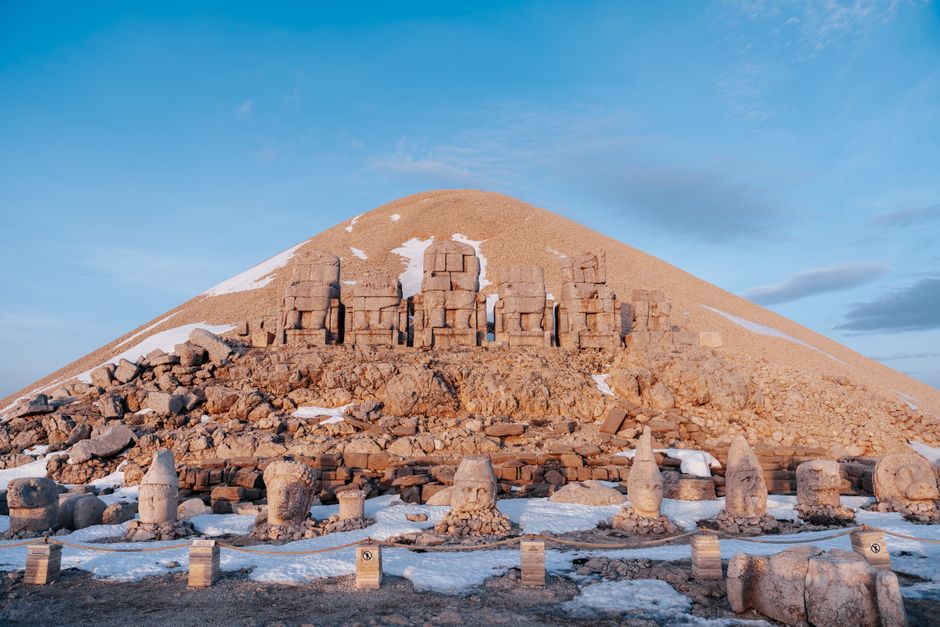
Explore the historical stone statues atop Mount Nemrut, Sarek Plateau, Sweden
FAQs: Your Sarek Plateau, Sweden Questions Answered
1. Is Sarek Plateau, Sweden safe at night?
Safety is about preparation, not crime. The wilderness poses real risks: sudden weather changes, difficult river crossings, and wildlife (primarily bears). You must be proficient in navigation, first aid, and bear safety (carry deterrent spray). Always inform someone of your detailed route and check in. The “night” in summer is just dim daylight, but in winter, the polar night and extreme cold are lethal without proper skills.
2. What currency is used and are credit cards accepted?
Sweden uses the Swedish Krona (SEK). Credit/debit cards (especially Visa and Mastercard) are universally accepted, even for small purchases at mountain stations. However, savvy travelers always carry some cash (a few hundred SEK) as a backup for small vendors in remote areas or in case of technical issues.
3. How do I get from the airport to the trailhead?
From Kiruna Airport (KRN), take the airport bus or taxi (approx. 150 SEK) to Kiruna city. From there, take a train or bus to Gälliv

