
San Javier, Bolivia: Amazing Baroque Splendor, Jesuit History & Rural Serenity (2025)
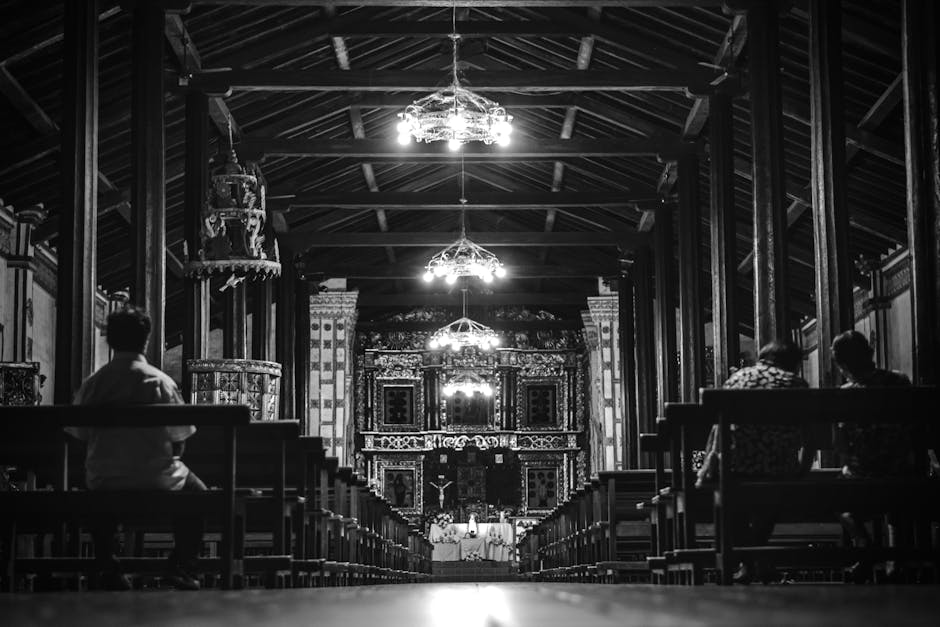
While thousands flock to the Salar de Uyuni, fewer than 5,000 international travelers each year make the detour to San Javier, Bolivia. Yet, this quiet town in the Chiquitania region holds a UNESCO World Heritage treasure: the meticulously restored Mission Church of San Javier, a masterpiece of Baroque-Mestizo architecture built in 1691. Here, you’ll find a living museum of history, where the echoes of 18th-century Jesuit missionaries mingle with the gentle rhythms of cattle-ranching country, all for a fraction of the cost and crowds of Bolivia’s more famous sites.
Why San Javier, Bolivia Stands Out
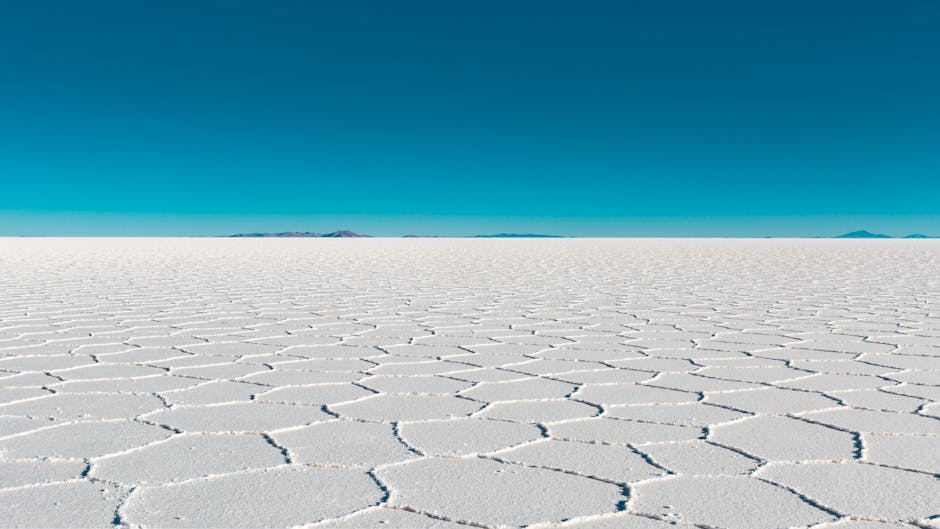
Vast salar with geometric patterns under a clear blue sky in Bolivia’s Uyuni., San Javier, Bolivia
- Historic Architecture: The Mission Church of San Javier (1691), a UNESCO site, is the first and oldest of the Chiquitos missions, famed for its intricate wooden carvings and ornate golden altarpiece.
- Cultural Scene: The biennial International Baroque Music Festival transforms the town with orchestras performing in the historic church, a truly magical fusion of sound and setting.
- Local Specialties: Savor *Majao*, a hearty dish of shredded beef, rice, and fried plantains, a staple of the cattle-ranching culture of the region.
Pro Tip: Plan your visit for the dry season (May to October) for easier travel, but for a truly unique experience, aim for the years the Baroque Music Festival is held (even-numbered years, typically in April/May). Book accommodation months in advance if you do.
Map of San Javier, Bolivia
Use these interactive maps to explore San Javier, Bolivia and plan your route:
📍 View San Javier, Bolivia on OpenStreetMap
🗺️ Open San Javier, Bolivia in Google Maps
Planning Your Trip: Practical Essentials
Getting There and Around
- By Air: Fly into Viru Viru International Airport (VVI) in Santa Cruz. From there, it’s a 4-5 hour drive. Book flights at Skyscanner for best deals.
- By Train: The *Ferroviaria Oriental* train from Santa Cruz to Quijarro stops in San Javier. The journey from Santa Cruz takes about 5 hours. Reserve tickets at Trainline or the national railway website.
- By Car: The paved highway from Santa Cruz (Route 4, then Route 9) is straightforward. Parking is easy in the town plaza. Compare car rentals at RentalCars.com.
- Local Transport: The town is entirely walkable. For nearby ranches or viewpoints, hire a local taxi or *mototaxi* for a few Bolivianos. There are no formal public transport passes.
Best Time to Visit
The climate is tropical, with a distinct wet and dry season. The dry season offers the most comfortable and reliable travel conditions for exploring.
| Season | Weather | Highlights |
|---|---|---|
| Dry (May–Oct) | Sunny, warm days (75-85°F/24-29°C), cool nights. Minimal rain. | Ideal for church visits, hiking, and ranch tours. Peak tourist season for the region. |
| Wet (Nov–Apr) | Hot, humid, with frequent heavy afternoon showers (80-95°F/27-35°C). | Lush green landscapes, very few tourists. Some rural roads may be difficult. Baroque Festival in even years. |
| Shoulder (Apr/Oct) | Transitional; warm with occasional rain. | Good balance of decent weather and smaller crowds. A savvy traveler’s choice. |
Budgeting for San Javier, Bolivia
Vibrant Chinatown street scene with red lanterns, signage, and people walking., San Javier, Bolivia
| Category | Budget | Mid-range | Luxury |
|---|---|---|---|
| Accommodation | Hostal/Basic Hospedaje (80-120 BOB/night) | Comfortable Hotel (250-400 BOB/night) | Historic Hacienda Stay (500+ BOB/night) |
| Meals | Market & Street Food (25-40 BOB) | Local Restaurant Menus (50-80 BOB) | Fine Dining (Rare, 100+ BOB) |
| Transport | Walking, Mototaxi (5-10 BOB ride) | Local Taxi for Tours (150 BOB/half-day) | Private Car & Driver from SC (800+ BOB/day) |
| Activities | Church Visit (10 BOB), Plaza wandering | Guided Church Tour (30 BOB), Museum (15 BOB) | Private Ranch Experience (200+ BOB) |
| Daily Total | 120-180 BOB (~$17-$26) | 350-550 BOB (~$50-$80) | 800+ BOB (~$115+) |
Top Attractions and Must-See Sights
| Attraction | Description | Hours | Entry Fee |
|---|---|---|---|
| Mission Church of San Javier | The stunning UNESCO-listed heart of town, with a museum detailing its 1691 founding and restoration. | 9:00 AM – 12:00 PM, 3:00 PM – 6:00 PM | 10 BOB (Church), 15 BOB (Museum) |
| Mirador El Calvario | A short hike up a hill for panoramic views over the red-tiled roofs and the surrounding Chiquitano plains. | Open 24 hours | Free |
| Plaza Principal 31 de Julio | The charming central square, perfect for people-watching and admiring the church facade as the light changes. | Open 24 hours | Free |
| Casa de la Cultura “Germán Busch” | A small cultural center often hosting local art exhibits and historical displays about the region. | Variable, typically 8:30 AM – 12:30 PM, 2:30 PM – 6:30 PM | Free (Donation appreciated) |
3-Day Itinerary: San Javier, Bolivia’s Highlights & Hidden Gems
Day 1: Baroque Beginnings & Town Immersion
- Morning (7-9 AM): Start at the **Plaza Principal** in the soft morning light. Photograph the church facade before the heat of the day. Grab a fresh *empanada de queso* (5 BOB) from a vendor near the plaza.
- Afternoon (12-3 PM): Take the official guided tour of the **Mission Church** (30 BOB, 1 hour). Afterward, enjoy lunch at **Restaurant Chiquitano** on the plaza, ordering the *Majao* (45 BOB).
- Evening (6-8 PM): Climb the stone steps to **Mirador El Calvario** for sunset. Descend for a relaxed dinner at **Pizzería San Javier** (a local favorite, surprisingly good pizza from 50 BOB).
Day 2: Rural Life & Cultural Crafts
- Morning (8 AM): Hire a local taxi (approx. 150 BOB round-trip) to visit a nearby cattle ranch (*estancia*). See traditional horsemanship and learn about the region’s economic backbone. Book through your hotel.
- Afternoon (1 PM): Return to town and visit the small workshops around the church. Look for local artisans crafting wooden instruments or textiles. Lunch at **Almuerzo Doña Maria**, a no-frills spot for a daily set menu (*almuerzo completo* for 25 BOB).
- Evening (7 PM): If it’s a weekend, stroll the plaza with locals enjoying ice cream. For dinner, try **Restaurant La Casona** for a more substantial *Lomo Montado* (beef with egg and rice, 55 BOB).
Day 3: History & Departure or Extension
- Morning (9 AM): Visit the **Museum** inside the church complex (15 BOB) to see religious art and artifacts from the mission era. Then, take a final peaceful walk through the quiet, cobbled streets behind the main square.
- Afternoon (12 PM): Enjoy a farewell lunch at **Restaurant El Turista**. Try the *Sonso* (a cheesy yucca dish, 30 BOB). Pack and prepare for your onward journey.
- Evening: Depart via the night train to Santa Cruz or Puerto Suárez, or extend your trip to the other Jesuit missions like Concepción, just an hour away.
Cultural Insights & Etiquette
- Language: Spanish is essential. Basic greetings like “Buenos días” and “Gracias” go a long way. Very little English is spoken.
- Customs: Life moves slowly (*tranquilo*). Be patient. Always greet shopkeepers before browsing. It’s polite to ask before taking close-up photos of people.
- Tipping: Not widely expected, but appreciated in restaurants (5-10%). For guided tours, a small tip of 10-20 BOB is a kind gesture.
- Dress Code: Modest dress is required for entering the church (cover shoulders and knees). For town, casual, breathable clothing is fine.
- Business Hours: Expect a long midday siesta from about 12:00 PM to 3:00 PM, where many shops and services close.
Where to Eat: San Javier, Bolivia’s Best Bites
Dining in San Javier is a humble, authentic affair centered on hearty Chiquitano ranch cuisine—think beef, rice, plantains, and yucca. Don’t expect a vast culinary scene, but do expect generous, flavorful plates.
Must-Try Local Specialties
- Majao: The iconic dish of the region: shredded, dried beef mixed with rice, often served with fried plantains and a fried egg on top. Find it at most local restaurants.
- Sonso: A delicious side of mashed yucca mixed with fresh cheese, then grilled. A perfect starchy comfort food.
- Cuñapé: Ubiquitous cheese bread rolls made from yucca starch, best eaten warm from a bakery or street stall in the morning.
Restaurant Recommendations by Budget
| Type | Restaurant | Specialty | Price Range |
|---|---|---|---|
| Budget | Almuerzo Doña Maria (near market) | Daily set lunch menu (*almuerzo completo*) | 20-30 BOB |
| Mid-range | Restaurant Chiquitano (Plaza Principal) | Traditional Chiquitano plates like Majao | 40-60 BOB |
| Fine dining | Hotel & Restaurant La Casona | Nicely presented local meat dishes in a pleasant setting | 55-80 BOB |
Where to Stay
Accommodation is simple and family-run. Most options are within a few blocks of the main plaza. For a unique stay, look for a room in a converted historic house. Compare prices and book at Booking.com or Airbnb for apartments.
Best Neighborhoods for Accommodation
- Around Plaza Principal: The most convenient location, steps from the church and restaurants. You might hear occasional plaza activity, but you’re in the heart of everything. Best for first-time visitors.
- Quiet Streets off the Plaza: Just a block or two away, these streets offer more tranquility while remaining an easy walk to all sights. Look for guesthouses with gardens.
- Outskirts / Estancias: For a true rural experience, a few nearby ranches offer basic lodging. This requires your own transport or arranged pick-ups but offers deep immersion.

Dramatic aerial shot of Valle de las Animas in La Paz Department, San Javier, Bolivia
FAQs: Your San Javier, Bolivia Questions Answered
1. Is San Javier, Bolivia safe at night?
San Javier is generally very safe. The town is small, quiet, and community-oriented. Standard precautions apply: stick to well-lit areas like the main plaza at night and be aware of your surroundings, but violent crime is rare. Petty theft is uncommon but always secure your valuables.
2. What currency is used and are credit cards accepted?
The Bolivian Boliviano (BOB) is the currency. Carry ample cash in small denominations, as credit cards are rarely accepted outside of a few higher-end hotels. There are ATMs, but they can be unreliable. Plan to pay for meals, transport, and entry fees in cash.
3. How do I get from the airport to San Javier?
From Viru Viru Airport (VVI) in Santa Cruz, you have three main options: take a taxi to the bus terminal (Terminal Bimodal) for a bus to San Javier (total ~150 BOB, 5+ hours); hire a private taxi for the direct 4-hour drive (~600-800 BOB); or rent a car. Book airport transfers at GetYourGuide for convenience.
4. Do I need to speak the local language?
Yes, basic Spanish is highly recommended. English is not widely spoken. Learning key phrases for ordering food, asking for prices, and giving directions will vastly improve your experience. Locals are patient and appreciate the effort.
5. What’s the appropriate dress code?
Casual, modest, and weather-appropriate. For the church, cover shoulders and knees (a shawl or light scarf is handy). Wear comfortable walking shoes for uneven cobblestones. A sun hat, sunglasses, and sunscreen are essential during the day; a light jacket is useful for cooler evenings.
Final Thoughts: San Javier, Bolivia Awaits
San Javier offers a rare and profound travel experience: the chance to step into a living chapter of history without the stagecraft of mass tourism. Here, the grandeur of a UNESCO World Heritage church exists in harmony with the gentle pace of rural Bolivian life. You come not for luxury amenities or nightlife, but for authenticity, architectural wonder, and the quiet satisfaction of discovery. Savvy travelers know the secret is to slow down, sit in the plaza as the church bells chime, and let the centuries-old story of the Chiquitania unfold around you. Your best bet is to pair a visit here with other mission towns like Concepción to fully appreciate the “Jesuit Missions of the Chiquitos” route—a journey through time that is Bolivia’s best-kept cultural secret.

