
Sambava, Madagascar’s Best Vanilla, Rainforests & Untouched Coastlines (2026)
While crowds flock to Nosy Be for packaged resorts, Sambava, Madagascar delivers an authentic, aromatic immersion into the world’s vanilla capital without the tourist premiums. Here, the air itself is perfumed with the sweet, intoxicating scent of curing bourbon vanilla beans, a crop that fuels the local economy and defines the culture. For savvy travelers, this northeastern hub is the true gateway to the SAVA region’s raw, biodiverse wonders, from emerald rainforests to palm-fringed beaches where you’ll often have the sand to yourself.
Why Sambava, Madagascar Stands Out
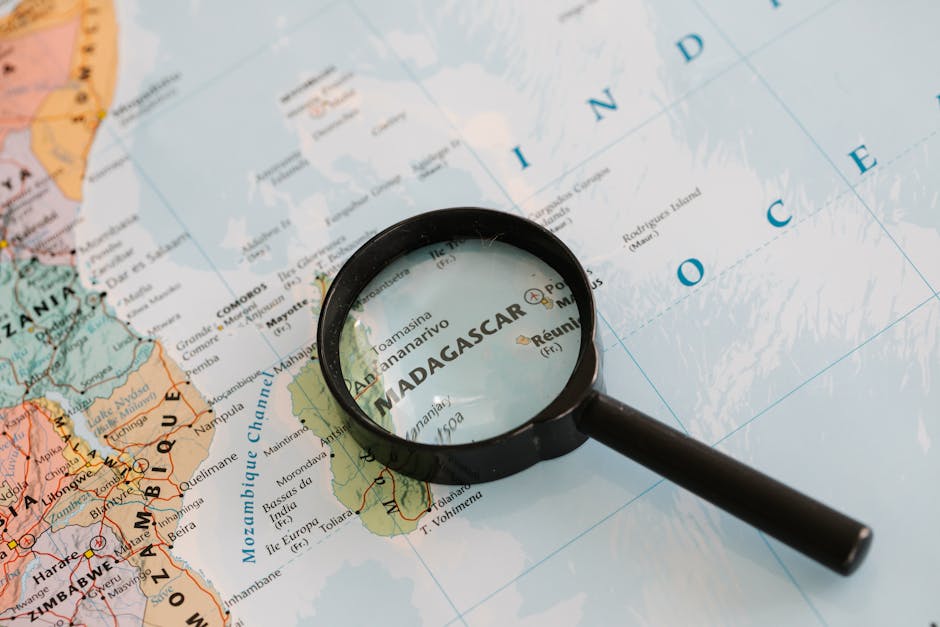
Close-up of Madagascar on a map with a magnifying glass highlighting the area., Sambava, Madagascar
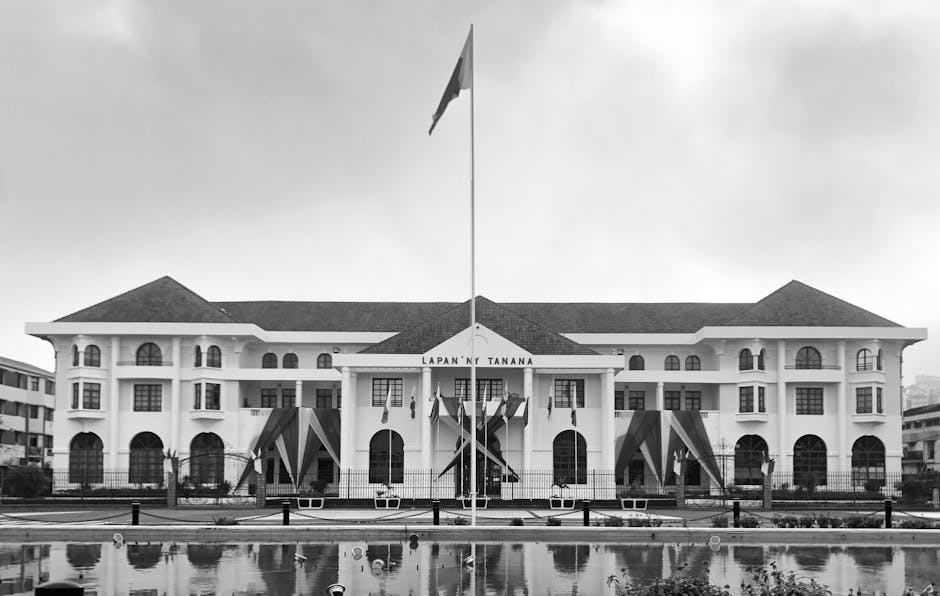
- Historic Architecture: The striking, multi-tiered Art Deco facade of the Hôtel de Ville (Town Hall), built in the 1930s, stands as a testament to the town’s colonial-era significance as a trading port.
- Cultural Scene: The vibrant Vanilla Festival, typically held in June or July, transforms the town with parades, traditional music (Salegy), and ceremonies celebrating the “green gold” harvest.
- Local Specialties: You must try Romazava, a hearty beef and leafy green stew, uniquely flavored with local herbs and served with a mound of rice.
Pro Tip: Visit between August and October. This is the dry season with pleasant temperatures, but more importantly, it’s the period just before the main vanilla harvest. You’ll see the orchids flowering in the plantations and catch the early, less crowded buzz of preparation, without the heavy rains that can make road travel difficult from November to April.
Map of Sambava, Madagascar
Use these interactive maps to explore Sambava, Madagascar and plan your route:
📍 View Sambava, Madagascar on OpenStreetMap
🗺️ Open Sambava, Madagascar in Google Maps
Planning Your Trip: Practical Essentials
Getting There and Around
- By Air: Sambava Airport (SVB) receives daily flights from Antananarivo on Tsaradia (Air Madagascar). The flight takes about 1.5 hours. A taxi from the airport to the town center costs around 10,000 MGA (approx. $2.20). Book flights at Skyscanner for best deals.
- By Train: There are no passenger train services to Sambava. The famous FCE “Train of the Rainforest” runs on the east coast but terminates in Manakara, hundreds of kilometers south. Reserve tickets for other Malagasy routes at Trainline or the national railway website.
- By Car: The RN5a road from Antalaha is scenic but can be challenging in the rainy season. A 4×4 is essential. Reliable rentals are best arranged from Antananarivo or major airports. Compare car rentals at RentalCars.com.
- Local Transport: Pousse-pousse (rickshaws) are the iconic way to travel short distances in town (1,000-2,000 MGA). For longer trips, taxis-brousses (shared minibuses) are the backbone of Malagasy transport but are slow and crowded. Private taxi hire for day trips is your best bet for comfort and efficiency.
Best Time to Visit
The climate is tropical, with a hot, rainy season and a cooler, dry season. The ideal window balances good weather, accessibility, and cultural activity.
| Season | Weather | Highlights |
|---|---|---|
| Dry Season (May–Oct) | Pleasant 20-28°C (68-82°F), low humidity, little rain. | Best for hiking, beach time, and road travel; includes the Vanilla Festival; peak tourist season. |
| Rainy Season (Nov–Apr) | Hot 25-30°C (77-86°F), very humid, daily heavy rainfall, risk of cyclones. | Lush, green landscapes; vanilla vines are growing; many roads become impassable; very few tourists. |
| Shoulder (Apr–May/Oct–Nov) | Transitional weather, sporadic showers, warm temperatures. | Good value, fewer visitors, nature is vibrant; a gamble with early/late rains. |
Budgeting for Sambava, Madagascar
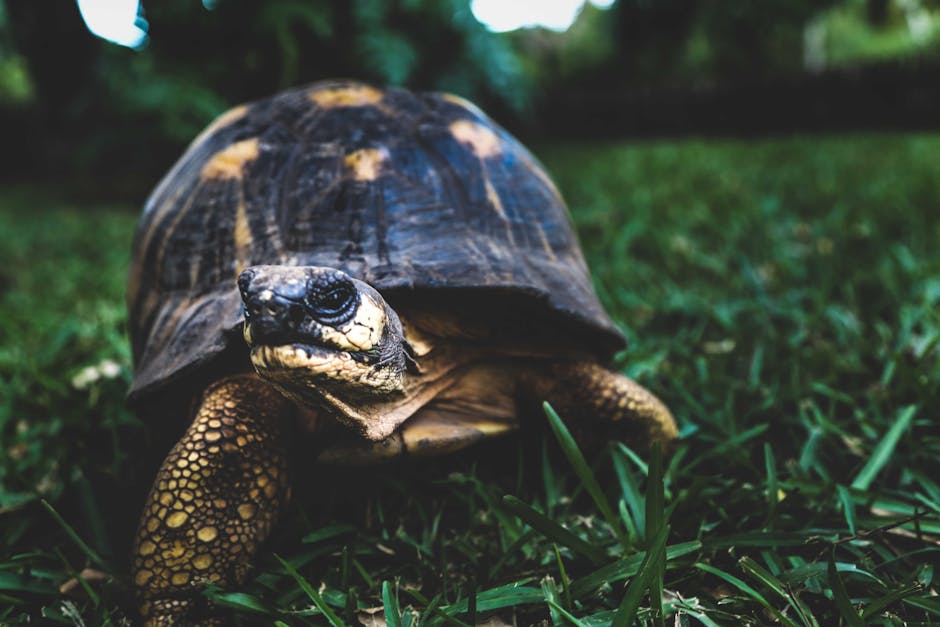
Radiated tortoise on a grass field in Madagascar, Sambava, Madagascar
| Category | Budget | Mid-range | Luxury |
|---|---|---|---|
| Accommodation | 20,000-40,000 MGA ($4.50-$9) for a basic guesthouse | 80,000-150,000 MGA ($18-$33) for a comfortable hotel with AC | 200,000+ MGA ($44+) for the top lodges or beach bungalows |
| Meals | 5,000-10,000 MGA ($1-$2.20) for street food or a simple *hotely* meal | 15,000-30,000 MGA ($3.30-$6.60) for a restaurant meal with drinks | 40,000+ MGA ($8.80+) for fine dining (limited options) |
| Transport | 1,000 MGA ($0.20) for pousse-pousse, 5,000 MGA ($1.10) for taxi-brousse | 50,000-80,000 MGA ($11-$18) for a half-day private taxi | 100,000+ MGA ($22+) for full-day 4×4 rental with driver |
| Activities | Free beach visits, town walks, market exploring | 25,000-50,000 MGA ($5.50-$11) for guided vanilla plantation tours | 100,000+ MGA ($22+) for private guided hikes in Marojejy |
| Daily Total | 30,000-55,000 MGA ($6.50-$12) | 120,000-250,000 MGA ($26-$55) | 350,000+ MGA ($77+) |
Top Attractions and Must-See Sights
| Attraction | Description | Hours | Entry Fee |
|---|---|---|---|
| Marojejy National Park | A UNESCO World Heritage site with pristine rainforest, incredible biodiversity, and challenging hikes to panoramic views. | Guide required, best accessed 7 AM – 3 PM | ~55,000 MGA ($12) for 1-day park entry + mandatory guide fee (from 80,000 MGA/$18) |
| Sambava Vanilla Plantations | Tour a family-run plot to see the delicate vanilla orchid vines and learn the labor-intensive process from flower to cured bean. | Tours by appointment, typically mornings | ~25,000 MGA ($5.50) per person for a guided tour |
| Ankofa Beach & The Three Bays | A stunning, often deserted stretch of white sand and turquoise water just north of town, part of the “Three Bays” (Ankofa, Antsiraka, Andranotsara). | Daylight hours | Free |
| Sambava Central Market (Bazary Be) | The aromatic, bustling heart of the town where vanilla, cloves, cocoa, and fresh produce are traded amid a cacophony of colors and sounds. | 6 AM – 5 PM daily (most active mornings) | Free to explore |
3-Day Itinerary: Sambava, Madagascar’s Highlights & Hidden Gems
Day 1: Vanilla & The Vibrant Town
- Morning (7-9 AM): Start at the **Sambava Central Market**. Arrive early to see the vanilla auctions and feel the market’s peak energy. Your best bet is to follow your nose to the spice sections.
- Afternoon (12-3 PM): Take a pre-arranged **vanilla plantation tour** (25,000 MGA) at a local farm. For lunch, head to **Chez Fafa** near the market for a massive plate of *ravitoto* (pork with crushed cassava leaves) for about 8,000 MGA.
- Evening (6-8 PM): Watch the sunset from the **Sambava waterfront**. For dinner, try **Le Cocotier**, a popular restaurant known for its fresh seafood platters and relaxed atmosphere (main course ~15,000 MGA).
Day 2: Rainforest Immersion
- Morning (5:30 AM): Early departure for **Marojejy National Park** (2-hour drive). Hire a 4×4 and guide the day before. A 4-5 hour hike to the **Humbert Summit** (Camp 2) offers breathtaking views—the effort is worth it.
- Afternoon: Enjoy a packed lunch amidst the sounds of the rainforest. Keep an eye out for the iconic Silky Sifaka lemur, one of the world’s rarest mammals. Return to Sambava by late afternoon.
- Evening: Relax after your hike. Grab a simple, comforting dinner at a local *hotely*, like **Hotely Manda**, for a cheap and authentic *soupe chinoise* (noodle soup) for 5,000 MGA.
Day 3: Coastal Serenity & Local Life
- Morning (8 AM): Hire a *pousse-pousse* or taxi to **Ankofa Beach** (15 mins from town). Spend the morning swimming in the calm bay and walking the pristine shore. You’ll likely have it almost to yourself.
- Afternoon (12-3 PM): Return to town for lunch at **La Varangue**, a lovely garden restaurant serving excellent Malagasy-French fusion (try the zebu steak, ~18,000 MGA). Afterwards, visit the **Hôtel de Ville** to admire its unique architecture.
- Evening: For your final night, savor a dinner at **Le Récif**, famed for its lobster. Then, take a leisurely evening stroll through the quieter streets near the Catholic cathedral to soak in the town’s gentle pace.
Cultural Insights & Etiquette
- Language: Malagasy is the official language. French is widely spoken in business and tourism. Learn a few phrases: “Manao ahoana” (Hello), “Misaotra” (Thank you), “Azafady” (Please/Excuse me).
- Customs: The **fady** (taboos) are taken seriously. Always ask permission before taking photos of people, tombs, or certain objects. Use your right hand for giving and receiving items.
- Tipping: Not mandatory but appreciated. In restaurants, rounding up the bill is fine. For guides and drivers, a tip of 5,000-10,000 MGA per day is a generous gesture.
- Dress Code: Modesty is key. Avoid revealing clothing in town and villages. For rainforest hikes, wear long, lightweight pants and sleeves for protection against insects and leeches.
- Business Hours: Shops typically open 8 AM – 12 PM and 2 PM – 6 PM. Many close on Sunday. Government offices have shorter hours.
Where to Eat: Sambava, Madagascar’s Best Bites
Dining in Sambava is a celebration of fresh, local produce from the sea and the land. Rice (*vary*) is the cornerstone of every meal, typically served with a *laoka* (side dish) of meat, fish, or vegetables in a flavorful sauce. Don’t expect fast service; meals are an event to be savored.
Must-Try Local Specialties
- Romazava: Madagascar’s national dish: a hearty stew of zebu beef, pork, or fish with *brèdes mafana* (leafy greens) and ginger. Try it at any traditional *hotely*.
- Ravitoto sy Henakisoa: Savory shredded cassava leaves cooked with pork and coconut milk, creating a rich, unique flavor. **Chez Fafa** does an excellent version.
- Fresh Lobster & Crab: Grilled or in a creamy sauce, the seafood here is incredibly fresh and affordable. **Le Récif** is the top spot for crustaceans.
Restaurant Recommendations by Budget
| Type | Restaurant | Specialty | Price Range |
|---|---|---|---|
| Budget | Hotely Manda (Town Center) | Simple, hearty Malagasy staples like *soupe chinoise* and rice plates | 5,000-8,000 MGA |
| Mid-range | La Varangue (Near Stadium) | Beautiful garden setting with French-Malagasy fusion; great zebu and pasta | 12,000-25,000 MGA |
| Fine dining | Le Récif (Waterfront Road) | The premier spot for exquisite grilled lobster and seafood platters | 25,000-50,000 MGA |
Where to Stay
Accommodation ranges from very basic guesthouses to a few comfortable hotels and eco-lodges on the outskirts. Most places are locally owned. Booking ahead is wise in the dry season. Compare prices and book at Booking.com or Airbnb for apartments.
Best Neighborhoods for Accommodation
- Town Center: Best for first-time visitors; close to markets, restaurants, and transport hubs. Can be noisy. Suits budget and mid-range travelers. (e.g., Hotel Le Palmier).
- Waterfront/Beach Road: Offers sea views, breezes, and a quieter atmosphere. A short *pousse-pousse* ride from the center. Ideal for mid-range travelers seeking relaxation. (e.g., Lakana Hôtel).
- Outskirts & Plantation Stays: For a unique, immersive experience. These are often eco-lodges or guesthouses on working plantations, offering tranquility and nature. Requires transport. Suits adventurous travelers and those seeking luxury in nature.

Calm blue waters and deep sky at Ifaty, Madagascar offer a tranquil escape., Sambava, Madagascar
FAQs: Your Sambava, Madagascar Questions Answered
1. Is Sambava, Madagascar safe at night?
Sambava is generally a safe, peaceful town. However, as in any place, it’s wise to take basic precautions. Avoid walking alone in poorly lit, deserted areas at night. Keep valuables secure and out of sight. Most crime is opportunistic petty theft. Locals recommend using a *pousse-pousse* or taxi after dark for longer distances.
2. What currency is used and are credit cards accepted?
The currency is the Malagasy Ariary (MGA). Carry plenty of cash in small denominations, as credit cards are rarely accepted outside of a few top hotels and restaurants in Sambava. ATMs are available in town but can sometimes run out of cash or have connectivity issues, so don’t rely on them exclusively.
3. How do I get from the airport to the city center?
Sambava Airport (SVB) is very close to

