
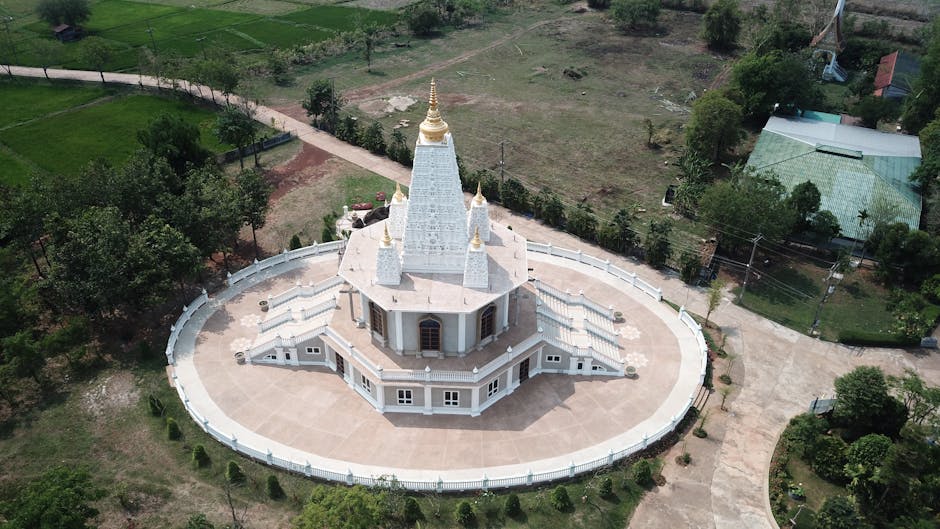
Sakon Nakhon, Thailand: Incredible Serene Lakes, Ancient Stupas & Isan Authenticity (2026)
While crowds flock to Chiang Mai for its mountain temples, Sakon Nakhon delivers a profound, untouristed spiritual experience centered on Nong Han, Thailand’s largest natural freshwater lake. Here, the rhythm is set by saffron-robed monks on morning alms rounds and the gentle lapping of waves against sacred shores. You won’t find a single backpacker bar, but you will discover over 800 ancient Buddhist stupas, a community where traditional Isan life isn’t a performance, and sunsets over the lake that feel like they’re yours alone.
Why Sakon Nakhon, Thailand Stands Out
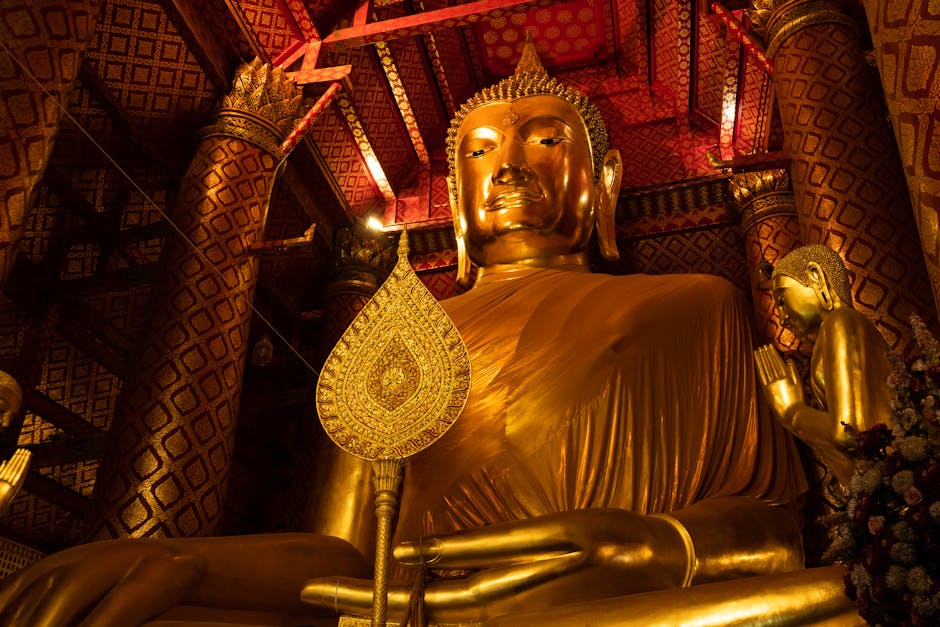
Majestic golden Buddha statue inside Wat Phanan Choeng, Ayutthaya, Thailand., Sakon Nakhon, Thailand
- Historic Architecture: Wat Phra That Choeng Chum, built in the 16th century, houses a revered square-based Laterite stupa that is the spiritual heart of the province.
- Cultural Scene: The annual Wax Castle Festival (งานแห่เทียนพรรษา) in October transforms intricate beeswax sculptures into a dazzling river and land procession unique to this region.
- Local Specialties: You must try *Pla Ra* (fermented fish) in its many forms, especially *Som Tam Pla Ra*, the definitive, pungent Isan salad that locals eat daily.
Pro Tip: Plan your visit for late October to coincide with the Wax Castle Festival and the end of the rainy season, when the landscape is lush but the crowds are still non-existent. For temple visits, aim for early morning (6:30-8:30 AM) to observe alms-giving and avoid the midday heat.
Map of Sakon Nakhon, Thailand
Use these interactive maps to explore Sakon Nakhon, Thailand and plan your route:
📍 View Sakon Nakhon, Thailand on OpenStreetMap
🗺️ Open Sakon Nakhon, Thailand in Google Maps
Planning Your Trip: Practical Essentials
Getting There and Around
- By Air: Sakon Nakhon Airport (SNO) has daily flights from Bangkok (Don Mueang) on AirAsia and Nok Air (70-min flight). A taxi to the city center costs a fixed 200 THB. Book flights at Skyscanner for best deals.
- By Train: The nearest major station is in Udon Thani (1.5 hours away by bus). Overnight trains from Bangkok’s Hua Lamphong Station to Udon Thani take 9-10 hours. Reserve tickets at Trainline or the national railway website.
- By Car: Driving from Bangkok takes 8-9 hours via Highway 2. The city is easy to navigate, and having a car is ideal for exploring outlying temples and Phu Phan National Park. Compare car rentals at RentalCars.com.
- Local Transport: Use *songthaews* (converted pickup trucks) for fixed routes (15-20 THB). For flexibility, hire a tuk-tuk or motorcycle taxi for short trips (50-100 THB). Renting a motorbike (200-300 THB/day) is your best bet for independence.
Best Time to Visit
The ideal window is the cool, dry season, though the lush green landscape just after the rains has its own magic. Savvy visitors know that festival periods offer incredible cultural immersion without the overwhelming crowds of more famous destinations.
| Season | Weather | Highlights |
|---|---|---|
| Cool Season (Nov–Feb) | 22-30°C, dry, sunny | Perfect for temple touring and lakeside strolls; peak local tourism but still quiet by international standards. |
| Hot Season (Mar–May) | 28-38°C, very hot and dry | Good for early morning activities; visit indoor museums like Phra That Narai Cheng Weng; Songkran (April) is lively. |
| Rainy Season (Jun–Oct) | 25-33°C, frequent heavy showers | Landscape is vibrantly green; the Wax Castle Festival (Oct) is a major draw; fewer visitors, lower prices. |
Budgeting for Sakon Nakhon, Thailand
Dynamic aerial view of a bustling Bangkok expressway intersection with city…, Sakon Nakhon, Thailand
| Category | Budget | Mid-range | Luxury |
|---|---|---|---|
| Accommodation | 300-600 THB (guesthouse) | 800-1,500 THB (3-star hotel) | 2,500+ THB (resort-style) |
| Meals | 40-80 THB (street food, market) | 100-250 THB (local restaurant) | 400+ THB (hotel dining) |
| Transport | 150 THB (songthaew/motorbike rental) | 500 THB (tuk-tuk/taxi day hire) | 1,500+ THB (private car & driver) |
| Activities | 0-100 THB (temples, lake) | 200-500 THB (museum entries, bike tour) | 1,000+ THB (private guided tours) |
| Daily Total | 500-900 THB | 1,600-2,800 THB | 5,400+ THB |
Top Attractions and Must-See Sights
| Attraction | Description | Hours | Entry Fee |
|---|---|---|---|
| Wat Phra That Choeng Chum | The sacred 16th-century Laterite stupa, the city’s most important religious site, often surrounded by devotees. | 6:00 AM – 6:00 PM | Free (donations welcome) |
| Nong Han Lake | Thailand’s largest natural lake, perfect for sunset views, bird watching, and sampling fresh grilled fish at waterside restaurants. | 24/7 | Free |
| Phu Phan National Park | A stunning mountain range 40km from town, featuring waterfalls like Namtok Than Thip, caves, and panoramic viewpoints. | 8:30 AM – 4:30 PM | 200 THB (foreign adult) |
| Phra That Narai Cheng Weng | An 11th-century Khmer-era sanctuary with a unique sandstone lintel depicting Vishnu, now housed in a modern museum. | 8:30 AM – 4:30 PM (Wed-Sun) | 100 THB |
3-Day Itinerary: Sakon Nakhon, Thailand’s Highlights & Hidden Gems
Day 1: Spiritual Heart & Lakeside Serenity
- Morning (7:00 AM): Start at **Wat Phra That Choeng Chum** to experience the morning calm and make merit. Then, walk to the nearby **Sakon Nakhon City Pillar Shrine** to see local worshippers.
- Afternoon (12:00 PM): Head to **Nong Han Lake**. Have lunch at **Rim Nam Restaurant** (try the *Pla Kapong Neung Manao* – steamed seabass with lime). Afterwards, rent a bicycle (50 THB/hour) and cycle the scenic path along the eastern shore.
- Evening (6:00 PM): Return to the lake for an unforgettable sunset. For dinner, explore the **Night Market along Uthayan Road** for a feast of Isan street food like *Gai Yang* (grilled chicken) and *Khao Niew* (sticky rice).
Day 2: History, Art & Local Flavors
- Morning (8:30 AM): Visit the **Phra That Narai Cheng Weng Museum** (100 THB) to understand the region’s ancient Khmer heritage. Then, drive 15 minutes to **Wat Pa Sutthawat**, a stunning forest temple with a beautiful, modern *Ubosot* (ordination hall).
- Afternoon (1:00 PM): Have an authentic Isan lunch at **Krua Nai Jan**, a beloved local spot known for its *Tom Saap* (spicy herbal soup) and *Larb* (minced meat salad).
- Evening (5:00 PM): Visit **Wat Tham Pha Daen** for panoramic city views as the sun sets behind the mountains. For dinner, try **Sakon Grill** for a mix of Thai and Western fare in a garden setting.
Day 3: National Park Adventure
- Morning (8:00 AM): Hire a songthaew or drive to **Phu Phan National Park** (approx. 500 THB round-trip for a small group). Hike to **Namtok Than Thip**, a serene multi-level waterfall (easy 20-minute walk from the parking area).
- Afternoon (12:30 PM): Enjoy a picnic lunch near the falls or eat at the simple park restaurant. Then, visit the **Phu Phan Royal Palace Museum** (free, closed Wednesdays), the former country residence of the King and Queen.
- Evening (6:30 PM): Return to Sakon Nakhon. For your final meal, savor a hot pot at **Moo Kata Sakon**, a wildly popular local dining experience where you grill meat and cook noodles at your table.
Cultural Insights & Etiquette
- Language: Thai is spoken, with the local Isan dialect. Key phrases: *Sabaai-dii* (Hello), *Khawp khun* (Thank you), *Khaw thot* (Excuse me/Sorry). *Kin khao laew rue yang?* (Have you eaten yet?) is a common greeting.
- Customs: The head is sacred, the feet are low. Never touch someone’s head or point your feet at people or Buddha images. Always show respect in temples: dress modestly, speak quietly, and sit with your feet tucked away.
- Tipping: Not expected but appreciated. Round up taxi fares, leave 20-40 THB at restaurant tables, and tip tour guides 100-200 THB for a half-day.
- Dress Code: Shoulders and knees must be covered in temples. Pack lightweight, breathable clothing that can be layered. Remove shoes before entering homes and some shop areas.
- Business Hours: Shops typically open 9:00 AM – 7:00 PM. Government offices and some museums close weekends. Night markets operate from 5:00 PM – 10:00 PM.
Where to Eat: Sakon Nakhon, Thailand’s Best Bites
Dining here is an exploration of Isan cuisine, known for its bold, spicy, and fermented flavors. Meals are social, shared affairs, often eaten with your hands using sticky rice as a utensil. Don’t be shy to point at what looks good—it usually is.
Must-Try Local Specialties
- Som Tam Pla Ra: The iconic papaya salad taken to its most pungent, authentic level with fermented fish sauce. Find it at any market stall; just be prepared for its powerful aroma and flavor.
- Kai Yang: Marinated, grilled chicken served with sticky rice and *Jaew* (a spicy dipping sauce). **Kai Yang Wat Jaeng** near the lake is legendary among locals.
- Sai Krok Isan: Fermented pork sausages, slightly sour and grilled until crispy on the outside. Best enjoyed with fresh chilies, ginger, and cabbage from a street vendor in the evening.
Restaurant Recommendations by Budget
| Type | Restaurant | Specialty | Price Range |
|---|---|---|---|
| Budget | Uthayan Road Night Market | Street food galore: grilled meats, noodles, desserts | 30-80 THB per dish |
| Mid-range | Krua Nai Jan (Charoen Muang Rd) | Authentic, fiery Isan classics in a casual setting | 80-200 THB per dish |
| Fine dining | Rim Nam Restaurant (Lakefront) | Fresh lake fish dishes and Thai standards in a scenic location | 150-400 THB per dish |
Where to Stay
Accommodation is excellent value, ranging from simple guesthouses to comfortable resorts on the lake. Staying near the city center offers convenience, while lakeside properties provide tranquility. Compare prices and book at Booking.com or Airbnb for apartments.
Best Neighborhoods for Accommodation
- City Center (near Choeng Chum): Walking distance to the main temple, markets, and bus station. Best for those without private transport. Expect functional hotels and guesthouses. (e.g., *Grand Lake View Hotel*).
- Nong Han Lakefront (eastern shore): The most scenic area, perfect for relaxation and sunset views. A short tuk-tuk ride from the city. Offers resorts and boutique hotels. (e.g., *Phuphan Garden Home Resort*).
- Outskirts/Near Phu Phan Road: Quieter, often with more spacious grounds and easier parking. Ideal for families or those with a rental car. (e.g., *Sakon Resort*).
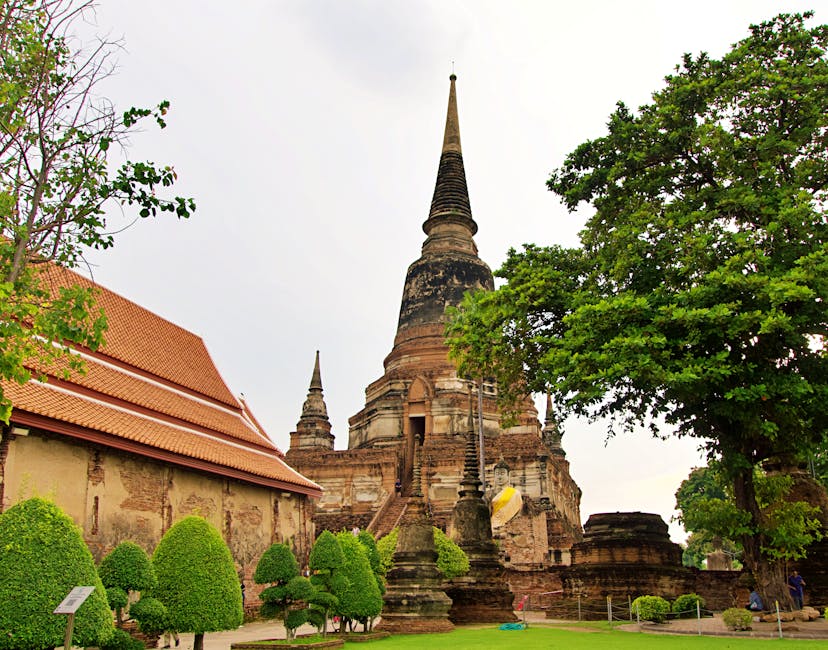
Stunning view of Wat Yai Chai Mongkhon temple in Ayutthaya, Sakon Nakhon, Thailand
FAQs: Your Sakon Nakhon, Thailand Questions Answered
1. Is Sakon Nakhon, Thailand safe at night?
Yes, it is generally very safe. Violent crime against tourists is extremely rare. As in any place, exercise normal precautions: be aware of your surroundings in quiet areas, don’t flash valuables, and use reputable transport. The locals are famously friendly and helpful.
2. What currency is used and are credit cards accepted?
The Thai Baht (THB) is used. While hotels and some larger restaurants accept credit cards, cash is king, especially at markets, street food stalls, and for local transport. ATMs are widely available in the city center.
3. How do I get from the airport to the city center?
Sakon Nakhon Airport is small and close to town. The most convenient option is the official airport taxi, which operates on a fixed fare of 200 THB to any location in the city. The journey takes 15-20 minutes. Book airport transfers at GetYourGuide for convenience.
4. Do I need to speak the local language?
No, but it helps. Basic English is understood at hotels and main tourist spots. Learning a few Thai phrases will earn you big smiles. Locals are patient and will often use gestures or a translation app to communicate. Having your destination written in Thai is a smart move for taxi drivers.
5. What’s the appropriate dress code?
Modest, lightweight clothing is key. For temple visits

