
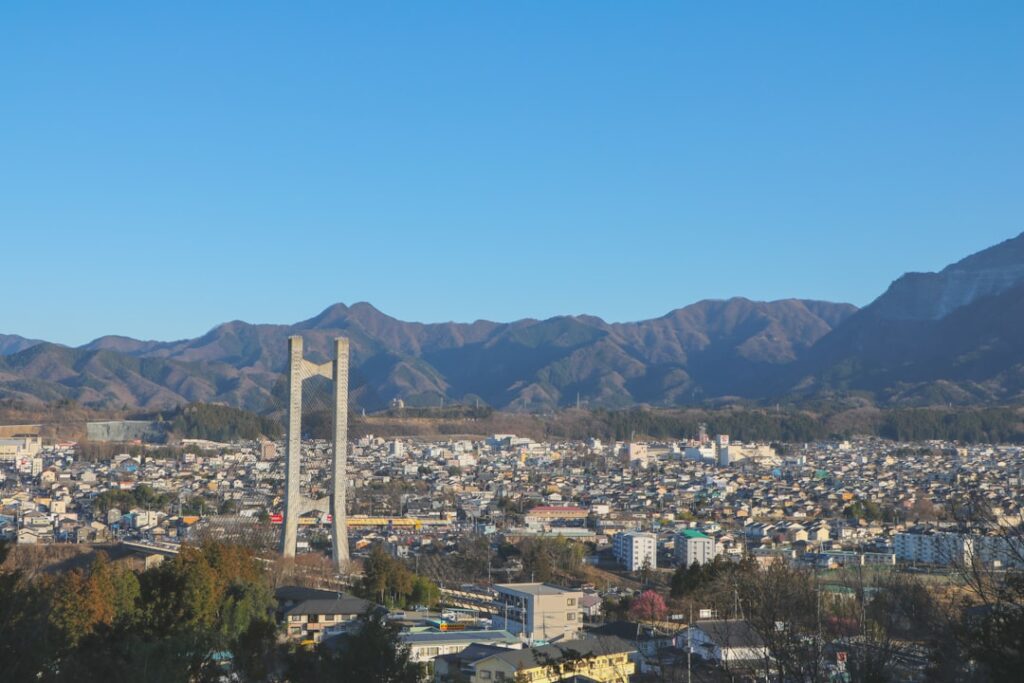
Saitama, Japan’s Amazing Bonsai, Biking & Authentic Edo Spirit (2026)
While crowds flock to Tokyo’s Shibuya Crossing, just 30 minutes north by train, Saitama delivers the soul of old Japan without the overwhelming crowds and premium price tags. For $60/day, you can explore a 1,200-year-old shrine, wander through the world’s premier bonsai village, and feast on local delicacies, a fraction of what you’d spend in the capital. This is where savvy travelers discover the rhythm of daily Japanese life, where history isn’t behind glass but is part of the living city.
Why Saitama, Japan Stands Out

Red flowers, Saitama, Japan
- Historic Architecture: The Hikawa Shrine, with origins dating back to 473 BC, is one of Japan’s oldest and most spiritually significant Shinto sites, famed for its 2km-long approach lined with 100-year-old zelkova trees.
- Cultural Scene: The Omiya Bonsai Village is a living museum where you can stroll through six world-class bonsai gardens and see miniature pines worth over $100,000, a tradition perfected here after the 1923 Great Kanto Earthquake.
- Local Specialties: You must try Sayama tea, considered one of Japan’s top three green teas, often served in traditional cafes or used to flavor unique sweets like tea-infused soft serve.
Pro Tip: Visit on a weekday, especially Tuesday through Thursday, to have places like the Omiya Bonsai Art Museum almost to yourself. Most domestic tourists visit on weekends, making weekdays your best bet for a peaceful, crowd-free experience.
Map of Saitama, Japan
Use these interactive maps to explore Saitama, Japan and plan your route:
📍 View Saitama, Japan on OpenStreetMap
🗺️ Open Saitama, Japan in Google Maps
Planning Your Trip: Practical Essentials
Getting There and Around
- By Air: Fly into Tokyo’s Narita (NRT) or Haneda (HND) airports. From Narita, take the Narita Express to Tokyo Station (60 min, ¥3,070), then transfer to the Utsunomiya Line to Omiya Station (30 min, ¥580). From Haneda, take the Keikyu Line to Shinagawa, then the JR Yamanote Line to Ueno, and finally the JR Takasaki Line to Omiya (70 min total). Book flights at Skyscanner for best deals.
- By Train: From Tokyo Station, JR Utsunomiya Line trains reach Omiya Station in Saitama in 25-30 minutes for ¥580. The Shinkansen also stops at Omiya, connecting you to Kyoto in just over 2 hours. Reserve tickets at Trainline or the national railway website.
- By Car: Driving from central Tokyo takes about 1 hour via the Tohoku Expressway. Rental is ideal for exploring the Chichibu region. Parking in central Saitama costs ¥300-¥500 per hour. Compare car rentals at RentalCars.com.
- Local Transport: The city is best navigated via JR lines and the efficient Saitama New Urban Transit (New Shuttle). A one-day New Shuttle pass costs ¥820. For extensive travel, a JR Tokyo Wide Pass (¥10,180 for 3 days) can be excellent value. Check official city transport websites for passes and schedules.
Best Time to Visit
Saitama enjoys a classic Japanese climate with four distinct seasons, each offering a different perspective. The shoulder seasons provide the ideal balance of pleasant weather and vibrant scenery.
| Season | Weather | Highlights |
|---|---|---|
| Summer (Jun–Aug) | Hot & humid, 25°C to 35°C (77°F to 95°F), with rainy season in June/July | Chichibu Night Festival (Dec), vibrant hydrangea blooms at Hikawa Shrine, river activities. Can be crowded and humid. |
| Winter (Dec–Feb) | Cold & dry, 2°C to 10°C (36°F to 50°F), occasional light snow | Illuminations at Saitama Super Arena, cozy tea houses, fewer tourists. Some gardens have reduced hours. |
| Shoulder (Apr–May/Sep–Oct) | Mild & pleasant, 15°C to 25°C (59°F to 77°F), low rainfall | Cherry blossoms (early Apr) at Omiya Park, autumn foliage in Chichibu (Nov), perfect for cycling and walking tours. |
Budgeting for Saitama, Japan

A group of colorful lanterns, Saitama, Japan
| Category | Budget | Mid-range | Luxury |
|---|---|---|---|
| Accommodation | ¥4,000-¥6,000/night (business hotels, hostels) | ¥10,000-¥18,000/night (3-4 star hotels, ryokan) | ¥25,000+/night (luxury ryokan, suites) |
| Meals | ¥2,000/day (convenience store meals, street food, ramen) | ¥4,000-¥6,000/day (set lunches, local restaurants) | ¥10,000+/day (kaiseki, high-end sushi) |
| Transport | ¥1,000/day (local trains/buses, cycling) | ¥2,500/day (taxis between sights, regional trains) | ¥8,000+/day (private car hire) |
| Activities | ¥1,500/day (parks, shrine visits, free museums) | ¥3,000/day (museum entries, garden fees, workshops) | ¥7,000+/day (private guides, cultural experiences) |
| Daily Total | ¥8,500-¥10,500 (~$60-$75) | ¥19,500-¥29,500 (~$140-$210) | ¥50,000+ (~$355+) |
Top Attractions and Must-See Sights
| Attraction | Description | Hours | Entry Fee |
|---|---|---|---|
| Omiya Bonsai Art Museum | The world’s first public museum dedicated to bonsai, housing a priceless collection in a serene, modern Japanese building. | 9:00-16:30 (Mar-Oct), 9:00-16:00 (Nov-Feb), Closed Thursdays | ¥310 |
| Hikawa Shrine (Saitama) | A massively important Shinto complex with a 2km sacred tree-lined path, known for power spots and magnificent seasonal festivals. | Grounds always open; Main Hall 9:00-16:00 | Free (donations welcome) |
| The Railway Museum | A paradise for train enthusiasts with over 40 real trains, simulators, and a stunning roundhouse display, operated by JR East. | 10:00-18:00, Closed Tuesdays | ¥1,330 |
| Chichibu 34 Kannon Temple Pilgrimage | A condensed version of the famous pilgrimage, allowing you to visit several of the 34 sacred temples in the scenic Chichibu area. | Temples vary, generally dawn to dusk | Free (temple stamps cost ¥300-¥500 each) |
3-Day Itinerary: Saitama, Japan’s Highlights & Hidden Gems
Day 1: Bonsai, Shrines & Urban Parks
- Morning (9:00 AM): Start at Omiya Station and walk 15 minutes to the Omiya Bonsai Village. Visit the Omiya Bonsai Art Museum first (¥310), then stroll the free streets to see private nurseries like Kyuka-en. Your best bet is to go slow and appreciate the meticulous artistry.
- Afternoon (12:30 PM): Take the JR Keihin-Tohoku Line one stop to Saitama-Shintoshin Station. Have lunch at Kuishinbo Yokocho in the station complex, a food hall perfect for trying local specialties like saitama-yaki (a savory pancake) for around ¥1,200.
- Evening (4:00 PM): Walk 20 minutes or take a short taxi (¥700) to the majestic Hikawa Shrine. Explore the vast grounds as the sun lowers. For dinner, head back to Omiya’s Niku no Suzuki for exceptional yakiniku (grilled meat) with local Saitama wagyu, with sets from ¥4,500.
Day 2: Trains, History & Local Flavors
- Morning (10:00 AM): Dive into Japan’s rail history at The Railway Museum (¥1,330). Book a simulator ride online in advance (extra fee). Spend 2-3 hours exploring the impressive collection. Savvy visitors know to head to the roundhouse display first.
- Afternoon (1:30 PM): Take the New Shuttle to Saitama Stadium Station. Visit the Saitama Museum of Modern Art if you’re inclined, or simply enjoy the spacious Minuma area. For lunch, find a local soba shop like Sarashina Horii near Omiya Station for handmade buckwheat noodles (¥1,000-¥1,800).
- Evening (6:30 PM): Experience izakaya (pub) culture in Omiya’s lively “Pasta-dori” area. Izakaya Han no Daidokoro offers a fantastic range of small plates and local sake in a convivial atmosphere. Budget ¥3,500 per person for a satisfying meal and drink.
Day 3: Scenic Escape to Chichibu
- Morning (8:30 AM): Take the JR Chichibu Line from Omiya Station to Mitsumineguchi Station (approx. 90 mins, ¥1,140). From there, a bus climbs to the sacred Mitsumine Shrine, a stunning complex nestled in the mountains with a history spanning 2,000 years.
- Afternoon (12:30 PM): Return to Chichibu City. Have lunch at Miharashien, famous for its shirasu-don (rice bowl with whitebait) and views of the Arakawa River (¥1,500). Then, visit a few temples on the 34 Kannon pilgrimage, like the impressive Chichibu Shrine.
- Evening (5:00 PM): Return to Omiya (last direct trains are around 8-9 PM). For a final dinner, try Unagi Fujita for exquisite, charcoal-grilled eel (unaju sets from ¥3,800), a classic dish beloved by locals.
Cultural Insights & Etiquette
- Language: Basic Japanese phrases go a long way. Learn “Sumimasen” (Excuse me), “Arigatou gozaimasu” (Thank you), and “Oishii desu” (It’s delicious). In Saitama, you’ll find less English than in Tokyo, but station signs are bilingual.
- Customs: Always bow slightly when greeting. Remove your shoes when entering homes, traditional inns (ryokan), and some restaurants. Before entering a shrine, perform the ritual purification at the temizuya (water pavilion).
- Tipping: Tipping is not practiced in Japan and can cause confusion. Excellent service is standard. A simple thank you is perfectly appropriate.
- Dress Code: Modesty is key, especially at religious sites. Avoid overly revealing clothing. For nicer restaurants, smart-casual attire is recommended.
- Business Hours: Most shops open 10:00-20:00. Museums often close on Mondays or Tuesdays. Banks and offices operate 9:00-17:00 on weekdays. Many places close over the New Year (Dec 29-Jan 3).
Where to Eat: Saitama, Japan’s Best Bites
Saitama’s food scene is robust and authentic, focusing on high-quality local ingredients like Sayama tea, Kawagoe sweet potatoes, and freshwater fish from its rivers. Dining here feels less curated for tourists and more a reflection of what locals truly enjoy.
Must-Try Local Specialties
- Sayama Tea: This fragrant, high-grade green tea is a point of pride. Don’t just drink it; try it in desserts like matcha parfait at traditional cafes like Chakan in Iruma.
- Konnyaku: Saitama is a top producer of this jelly-like food made from a yam. Try it in stews like oden or grilled on a stick (yakikonnyaku) at street stalls, especially in the Konnyaku-dori area of Higashimatsuyama.
- Soka Senbei: These large, crispy rice crackers, often flavored with soy sauce, are a famous souvenir. You can watch them being made fresh at shops like Soka Senbei no Sato in Soka City.
Restaurant Recommendations by Budget
| Type | Restaurant | Specialty | Price Range |
|---|---|---|---|
| Budget | Ramen Jiro (Omiya Branch) – Omiya | Hearty, customizable bowls of thick ramen with massive portions of vegetables and pork. | ¥800-¥1,200 |
| Mid-range | Kushiage Tanaka – Near Omiya Station | Expertly deep-fried skewers (kushiage) in a counter-seat setting with a great local sake selection. | ¥3,000-¥5,000 |
| Fine dining | Kappo Ryu – Saitama City | Elegant, multi-course kaiseki cuisine showcasing seasonal Saitama ingredients in a private room setting. | ¥15,000+ |
Where to Stay
Accommodation in Saitama is generally more spacious and affordable than in central Tokyo. You’ll find excellent business hotels, charming local inns, and a few luxury options, with Omiya being the most convenient transport hub. Compare prices and book at Booking.com or Airbnb for apartments.
Best Neighborhoods for Accommodation
- Omiya: The absolute heart of Saitama. Pros: Major JR and Shinkansen station, endless dining, direct access to bonsai village. Cons: Can be busy. Perfect for first-time visitors and those using Saitama as a base.
- Saitama-Sh
A group of tassels hanging from a beam, Saitama, Japan


