
Ruteng, Indonesia’s Epic Highlands, Culture & Ancient Spiderweb Rice Fields (2025)
While crowds flock to the beaches of Bali, just a one-hour flight east, Ruteng, Indonesia delivers a completely different world of misty highland valleys and living cultural traditions without the tourist throngs. Here, the air is cool, the pace is gentle, and the landscape is etched with one of the world’s most unique agricultural wonders: the Lingko spiderweb rice fields, a centuries-old system of communal farming that you can walk amongst. This is the authentic, beating heart of Flores.
Why Ruteng, Indonesia Stands Out

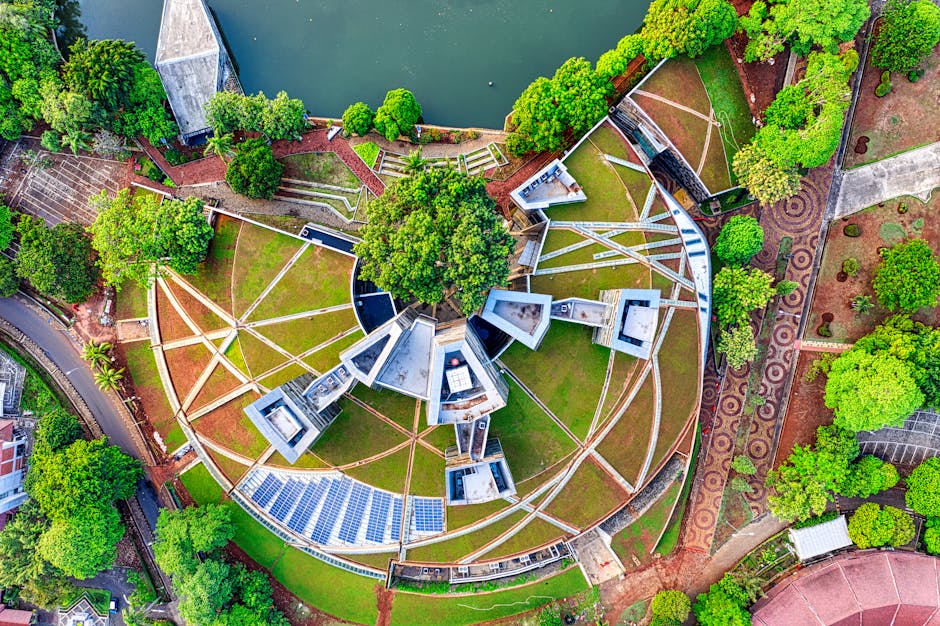
Explore an aerial cityscape of Yogyakarta, Ruteng, Indonesia
- Historic Architecture: The Gereja Katolik Santo Maria Assumpta Ruteng (Ruteng Cathedral), built in the 1930s, features a stunning Manggarai-style roof that resembles an inverted boat, a powerful symbol of the local culture.
- Cultural Scene: Witness the thrilling Caci, a traditional Manggarai whip-fighting dance performed during rituals and celebrations, where men test their agility and bravery in a ritualized combat.
- Local Specialties: You must try Jagung Bose, a hearty and savory stew of corn, beans, and smoked meat, slow-cooked in bamboo tubes over an open fire.
Pro Tip: The absolute best time to visit is during the dry season from May to September, but aim for the shoulder months of May or late September. You’ll avoid the peak domestic tourist weeks of July and enjoy the rice fields at their most vibrant green just after the rains, with far fewer visitors.
Map of Ruteng, Indonesia
Use these interactive maps to explore Ruteng, Indonesia and plan your route:
📍 View Ruteng, Indonesia on OpenStreetMap
🗺️ Open Ruteng, Indonesia in Google Maps
Planning Your Trip: Practical Essentials
Getting There and Around
- By Air: The main gateway is Komodo Airport (LBJ) in Labuan Bajo. From there, it’s a 4-5 hour scenic drive inland to Ruteng. Wings Air and Garuda Indonesia connect LBJ to major hubs like Bali and Jakarta. Book flights at Skyscanner for best deals.
- By Train: There are no train services on Flores Island. Overland travel is by car or bus.
- By Car: The Trans-Flores Highway connects Ruteng to Labuan Bajo and Ende. Renting a car with a driver is highly recommended for the mountainous roads; expect to pay around IDR 800,000-1,200,000 per day. Compare car rentals at RentalCars.com.
- Local Transport: Within Ruteng, angkot (shared minivans) are cheap (IDR 5,000-10,000 per ride) but follow vague routes. For sightseeing, hiring a local ojek (motorcycle taxi) or a car with a driver for the day is your most flexible and efficient option.
Best Time to Visit
Ruteng’s highland climate is pleasantly cool year-round, but the rainy season can make rural roads and field visits muddy. The dry season offers clear skies and optimal hiking conditions.
| Season | Weather | Highlights |
|---|---|---|
| Dry Season (May–Sep) | Sunny, cool (18-26°C), very low rainfall. | Perfect for hiking, photography, and field visits; busiest with domestic tourists in July-August. |
| Wet Season (Nov–Mar) | Warm, humid (20-28°C), daily heavy showers. | Lush, emerald-green landscapes; fewer tourists; some rural tracks may be impassable. |
| Shoulder (Apr & Oct) | Mix of sun and brief showers, pleasant temps. | The sweet spot: vibrant greenery from recent rains, fewer crowds, and lower prices. |
Budgeting for Ruteng, Indonesia

A captivating view of Jakarta featuring a mosque dome amidst urban towers a…, Ruteng, Indonesia
| Category | Budget | Mid-range | Luxury |
|---|---|---|---|
| Accommodation | IDR 200,000-350,000 (homestay) | IDR 500,000-800,000 (local hotel) | IDR 1,200,000+ (best hotel in town) |
| Meals | IDR 25,000-50,000 (warung) | IDR 75,000-150,000 (restaurant) | IDR 200,000+ (hotel dining) |
| Transport | IDR 50,000 (local angkot/ojek) | IDR 600,000 (private car half-day) | IDR 1,500,000 (private car & driver full-day) |
| Activities | Free (walking town/fields) | IDR 50,000-100,000 (attraction fees) | IDR 300,000 (guided cultural tour) |
| Daily Total | IDR 275,000-450,000 (~$18-$30) | IDR 1,225,000-1,650,000 (~$80-$110) | IDR 3,200,000+ (~$210+) |
Top Attractions and Must-See Sights
| Attraction | Description | Hours | Entry Fee |
|---|---|---|---|
| Lingko Spiderweb Rice Fields | Ancient radial agricultural system centered on a stone altar, offering breathtaking panoramic views. | Sunrise to Sunset | IDR 20,000-50,000 (donation) |
| Ruteng Pu’u Traditional Village | An authentic Manggarai village with conical thatched roofs (Mbaru Niang) and a central drum house (Gendang). | 8:00 AM – 5:00 PM | IDR 50,000 (includes guide) |
| Ranamese Lake & Forest Park | A serene crater lake surrounded by cool pine forest, perfect for a short hike and picnic. | 24/7, best in daylight | IDR 10,000 |
| Golo Curu Viewpoint | The highest spot in Ruteng for a magnificent 360-degree view of the entire town and valley at sunrise. | Best at 5:30 AM – 7:00 AM | Free |
3-Day Itinerary: Ruteng, Indonesia’s Highlights & Hidden Gems
Day 1: Arrival & Highland Immersion
- Morning (7-9 AM): Arrive from Labuan Bajo. Check into your hotel and have a quick breakfast of local coffee and fried bananas. Your best bet is to arrange your car and driver for the next two days upon arrival.
- Afternoon (12-3 PM): Head directly to the Lingko Spiderweb Rice Fields (30-min drive). Walk the narrow bunds between the plots with a local guide (tip IDR 50,000) who can explain the communal ownership system. For lunch, stop at a simple roadside warung for a plate of Nasi Goreng Ruteng (local fried rice).
- Evening (6-8 PM): Return to town. Enjoy a hearty dinner of Jagung Bose at Rumah Makan Family near the market. Take a short evening stroll around the town square to feel the cool mountain air.
Day 2: Culture & Traditional Villages
- Morning (8 AM): Visit Ruteng Pu’u Traditional Village (IDR 50,000). A local guide will explain the symbolic architecture, from the five-level family homes representing the cosmos to the importance of the central meeting drum. This is a living village, so be respectful.
- Afternoon (1 PM): Drive to Ranamese Lake (IDR 10,000 entry). Walk the easy 2km path around the lake’s edge. Have a simple picnic lunch here, or eat at the small local stalls selling grilled corn and hot tea.
- Evening (6 PM): Back in Ruteng, seek out a local restaurant like Depot Kita for their specialty, Ayam Woku (chicken in spicy lemongrass sauce). Ask your driver if any Caci performances are scheduled nearby—they sometimes occur for weddings.
Day 3: Panoramas & Departure
- Morning (5:30 AM): Pre-dawn start to Golo Curu Viewpoint. Watch the sun rise over the sea of clouds filling the Ruteng valley—it’s a spectacular, free natural show. Bring a jacket; it’s chilly.
- Afternoon (11 AM): Visit the local Pasar Inpres Ruteng (market). It’s a sensory overload of fresh produce, spices, and textiles. This is the place to buy authentic Manggarai ikat weaving if you see a pattern you love. Have a final lunch at the market, trying whatever looks good from the food stalls.
- Evening (2 PM onward): Depart for your next destination, either continuing east on the Trans-Flores Highway towards Bajawa or returning to Labuan Bajo. Savvy travelers often plan to leave by mid-afternoon to reach their next stop before dark.
Cultural Insights & Etiquette
- Language: Bahasa Indonesia is the national language. In Manggarai, “Lero” is hello and “Terima kasih” is thank you. Learning a few basic Indonesian phrases goes a long way.
- Customs: Always use your right hand for giving, receiving, and eating. Before entering a traditional village, it is customary to wait for permission and often participate in a short welcome ceremony. Never step on the stone altar (Lodok) in the center of a rice field.
- Tipping: Not mandatory but appreciated. Round up taxi fares, leave IDR 10,000-50,000 for restaurant service, and tip guides IDR 50,000-100,000 for a half-day.
- Dress Code: Modesty is key, especially in villages. Cover shoulders and knees. For visiting churches or traditional ceremonies, more formal attire is respectful.
- Business Hours: Shops generally open 8 AM – 5 PM. Many close for a midday break. Government offices keep shorter hours (8 AM – 3 PM). Sunday is a quiet day.
Where to Eat: Ruteng, Indonesia’s Best Bites
Ruteng’s cuisine is hearty highland fare—think corn, tubers, beans, and free-range pork or chicken, often smoked or slow-cooked with aromatic spices. Dining is casual, centered on family-run warungs and simple restaurants where flavor triumphs over ambiance.
Must-Try Local Specialties
- Jagung Bose: The iconic dish of Flores. Corn and red beans are simmered with coconut and smoked meat (often wild boar) in bamboo. Try it at any traditional warung; Rumah Makan Kios Nani does a great version.
- Ayam Gula Aren: Chicken cooked in sweet palm sugar and spices, creating a sticky, caramelized glaze. Find it at Warung Makan Sari Rasa near the bus terminal.
- Kue Rambut: A unique local dessert—fried, hair-thin dough strands coated in molten palm sugar. Sold by street vendors in the late afternoon.
Restaurant Recommendations by Budget
| Type | Restaurant | Specialty | Price Range |
|---|---|---|---|
| Budget | Warung Ibu Hilda (Jl. Ahmad Yani) | Fresh, daily market dishes and superb soto ayam (chicken soup). | IDR 20,000-40,000 |
| Mid-range | Rumah Makan Family (Jl. Diponegoro) | The go-to spot for authentic Jagung Bose and a friendly atmosphere. | IDR 50,000-120,000 |
| Fine dining | Hotel Sindha’s Restaurant (in Hotel Sindha) | The most upscale setting in town for a full Indonesian rijsttafel (rice table) spread. | IDR 150,000-300,000 |
Where to Stay
Accommodation in Ruteng is functional and affordable, ranging from basic homestays to a few comfortable local hotels. Most are centrally located, making the town easily walkable. Compare prices and book at Booking.com or Airbnb for apartments.
Best Neighborhoods for Accommodation
- Town Center (around Jl. Ahmad Yani/Badak): The most convenient area, close to restaurants, the market, and transport hubs. Perfect for first-time visitors who want everything within walking distance. Can be a bit noisy.
- Quiet Residential Streets (south of the main road): You’ll find several guesthouses and smaller hotels here, offering more peace and cooler air with just a 10-15 minute walk to the center. Ideal for travelers seeking tranquility.
- Near the Football Field (Gelora): A couple of hotels here offer more space and are on the route out of town towards the spiderweb fields. Best for those with private transport who plan early morning excursions.

Bustling urban cityscape featuring a modern shopping mall with notable reta…, Ruteng, Indonesia
FAQs: Your Ruteng, Indonesia Questions Answered
1. Is Ruteng, Indonesia safe at night?
Ruteng is generally very safe. Violent crime is rare. Standard precautions apply: avoid poorly lit, deserted areas late at night, keep valuables secure, and be aware of your surroundings. The main risk for travelers is road safety on the winding highways.
2. What currency is used and are credit cards accepted?
The Indonesian Rupiah (IDR) is the currency. Carry ample cash, as credit cards are only accepted at a few larger hotels and some upscale restaurants in Labuan Bajo, not in Ruteng. ATMs are available in the town center, but they can sometimes run out of cash, so withdraw when you see one working.
3. How do I get from the airport to Ruteng?
You’ll fly into Komodo Airport (LBJ) in Labuan Bajo. From there, you need to travel overland. Pre-book a private car with driver (4-5 hours, ~IDR 800,000-1,000,000) or take a shared shuttle bus (4-5 hours, ~IDR 150,000 per person). There are no direct taxis. Book airport transfers at GetYourGuide for convenience.
4. Do I need to speak the local language?
You can manage with basic English in hotels and some restaurants, but outside the tourist track, it’s limited. Learning a few key Indonesian phrases (“terima kasih” – thank you, “berapa harganya?”

