
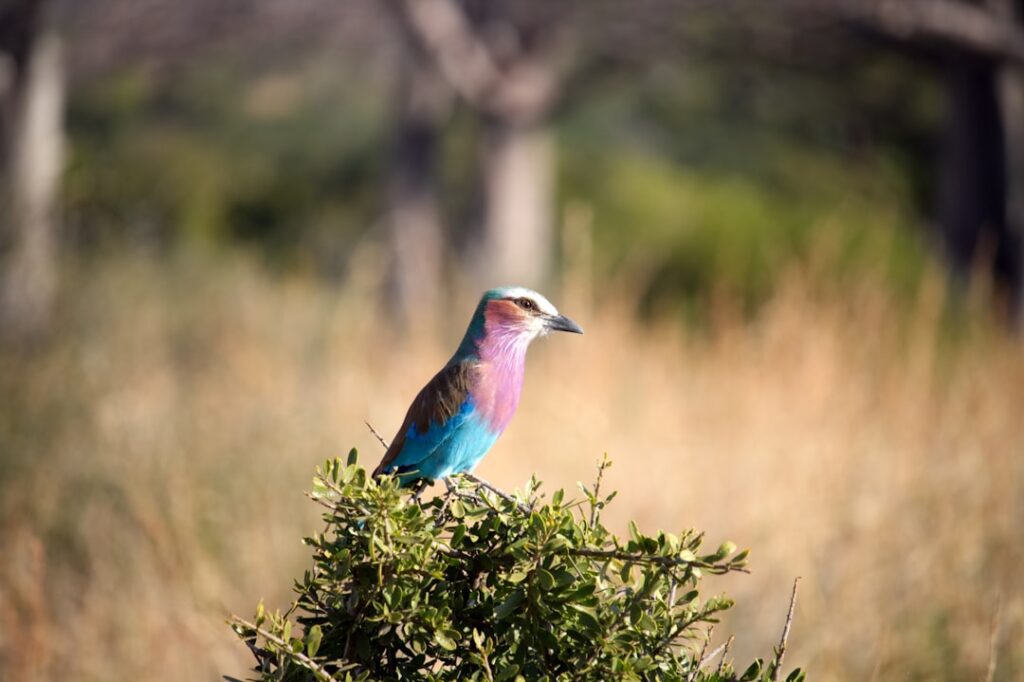
Ruaha, Tanzania’s Hidden Solitude, Superlative Wildlife & Starlit Skies (2026)
While over 1.5 million visitors descend on the northern Serengeti circuit annually, fewer than 15,000 make it to Ruaha National Park, a wilderness the size of Wales. Here, you won’t jostle for a view of a lion; you’ll have entire prides to yourself, with the park boasting Tanzania’s largest elephant population and some of Africa’s highest densities of predators. This is raw, unfiltered safari, where the land, not the itinerary, dictates the day.
Why Ruaha, Tanzania Stands Out

Shallow focus photography of grey animal, Ruaha, Tanzania
- Historic Architecture: The park’s namesake, the Great Ruaha River, is the lifeblood of the ecosystem, its ancient, meandering course shaping the landscape for millennia and creating a permanent wildlife corridor.
- Cultural Scene: The surrounding areas are home to the Hehe and Barabaig people, and some lodges offer authentic cultural visits to nearby villages to learn about traditional life and crafts.
- Local Specialties: After a game drive, savor a classic safari sundowner—a chilled gin and tonic enjoyed as the sun sets over the baobab-dotted plains, a tradition born from British colonial history but perfected in the African bush.
Pro Tip: For the ultimate combination of wildlife viewing and value, target the late dry season (late August to October). Animals cluster intensely around the receding Great Ruaha River, making predator sightings almost guaranteed, and you’ll benefit from lower rates at many camps before the peak season.
Map of Ruaha, Tanzania
Use these interactive maps to explore Ruaha, Tanzania and plan your route:
📍 View Ruaha National Park on OpenStreetMap
🗺️ Open Ruaha National Park in Google Maps
Planning Your Trip: Practical Essentials
Getting There and Around
- By Air: Most visitors fly into Ruaha via scheduled or chartered light aircraft from Dar es Salaam (approx. 2 hours), Arusha (approx. 3 hours), or Selous. The main airstrip is Msembe Airstrip. Book flights at Skyscanner for best deals to Dar es Salaam or Arusha, then connect via local carriers like Coastal Aviation or Auric Air.
- By Train: There is no direct passenger train service to Ruaha National Park. The TAZARA railway runs between Dar es Salaam and Zambia to the southwest, but accessing the park from any station requires a long, rough road transfer.
- By Car: A 4×4 vehicle is absolutely mandatory. The drive from Iringa town takes about 2-3 hours on a rough, dusty road. Self-driving is for experienced African overlanders only; most visitors book full-board packages that include vehicle and driver-guide. Compare car rentals at RentalCars.com for options in Dar es Salaam if embarking on a longer road trip.
- Local Transport: There is no public transport within the park. All game drives and transfers are conducted in specialized 4×4 safari vehicles provided by your lodge or tour operator.
Best Time to Visit
Ruaha’s climate dictates the safari experience. The dry season (June-October) offers stellar game viewing, while the green season (January-March) transforms the park into a lush, bird-rich paradise with fewer visitors.
| Season | Weather | Highlights |
|---|---|---|
| Dry Season (Jun–Oct) | Warm, sunny days (25-30°C), cool nights, virtually no rain. | Prime wildlife viewing at river systems, excellent photography, high season with more visitors. |
| Green Season (Jan–Mar) | Hotter (30-35°C) with afternoon thunderstorms, high humidity. | Lush landscapes, migratory bird species, newborn animals, low tourist numbers and better rates. |
| Shoulder (Apr–May/Nov–Dec) | Variable; Apr-May sees “long rains,” Nov-Dec “short rains.” | A mix of green scenery and wildlife, some roads may be challenging, fantastic for birders, lowest crowds. |
Budgeting for Ruaha, Tanzania

A young lion laying down in the grass, Ruaha, Tanzania
| Category | Budget | Mid-range | Luxury |
|---|---|---|---|
| Accommodation | $150-$250/night (basic park bandas) | $400-$700/night (comfortable lodges, all-inclusive) | $800-$1,500+/night (high-end tented camps, fully inclusive) |
| Meals | Included in most park banda rates | Fully inclusive at most lodges | Gourmet dining, fully inclusive |
| Transport | Self-drive park fees & fuel ($50-100/day) | Included in fly-in packages or lodge rates | Private vehicle & guide, included |
| Activities | Game drives (vehicle fee), walking safaris ($30-50) | Two daily game drives, bush walks included | Private guides, night drives, fly-camping |
| Daily Total | $250-$400/day | $500-$900/day | $1,000-$2,000+/day |
Top Attractions and Must-See Sights
| Attraction | Description | Hours | Entry Fee |
|---|---|---|---|
| Great Ruaha River | The park’s lifeline; a magnet for elephants, hippos, crocodiles, and predators, especially in the dry season. | 24/7 (game drive times apply) | Included in Park Fees |
| Mdonya Old River Area | A beautiful, sandy river valley dotted with majestic baobabs, known for excellent lion and wild dog sightings. | 6:00 AM – 6:30 PM | Included in Park Fees |
| Jongomero & Mwagusi Sand Rivers | Seasonal rivers in the remote south, offering a true wilderness feel and fantastic off-road tracking opportunities. | 6:00 AM – 6:30 PM | Included in Park Fees |
| Walking Safari with an Armed Guide | Experience the bush on foot, tracking spoor, learning about small ecology, and feeling the true pulse of the wilderness. | Early morning or late afternoon | $30-$50 per person (on top of park fees) |
3-Day Itinerary: Ruaha’s Highlights & Hidden Gems
Day 1: Arrival & Riverine Wonders
- Morning: Fly into Msembe Airstrip, where your guide meets you. Transfer to your lodge with an immediate game drive en route, keeping an eye out for the park’s iconic, large-tusked elephants.
- Afternoon: Settle in with lunch at your camp (like Mwagusi Safari Camp, known for its innovative bush cuisine). Then, head out for an afternoon drive focusing on the Great Ruaha River, watching hippos wallow and crocodiles bask.
- Evening: Enjoy a classic sundowner gin and tonic as the sky erupts in color. Return for a communal dinner under the stars, listening to the night sounds of the bush.
Day 2: Predators & Baobabs
- Morning: Pre-dawn coffee before a 6:30 AM game drive to the Mdonya area. This is prime time for predators; your guide will track fresh lion or leopard spoor. Look for the majestic, ancient baobab trees that define this landscape.
- Afternoon: Relax at camp during the midday heat. After a leisurely lunch, opt for a guided bush walk (approx. $40) near camp to discover insects, plants, and tracks you’d miss from a vehicle.
- Evening: A late afternoon drive with a spotlight for a chance at nocturnal sightings like genets, civets, or hyenas on the prowl. Dinner features local Swahili dishes like grilled nyama choma (roasted meat).
Day 3: Remote Wilderness & Cultural Insight
- Morning: Pack a picnic breakfast for a full-day expedition (approx. 8 hours) to the remote Jongomero River region. The journey is part of the adventure, traversing varied landscapes with rare antelope like sable and roan.
- Afternoon: Enjoy your picnic in a scenic spot. On the return journey, visit a nearby village (if offered by your lodge; a small donation of $10-$20 for community projects is appropriate) to gain perspective on local Hehe culture.
- Evening: Your final sundowner is a moment to reflect. Savor a farewell dinner, perhaps at the unique “banda” dining area of Jabali Ridge, before falling asleep to the distant whoop of hyenas.
Cultural Insights & Etiquette
- Language: Swahili is the national language. Key phrases: “Jambo” (Hello), “Asante” (Thank you), “Habari?” (How are you?). Most lodge staff speak excellent English.
- Customs: Always greet people politely. Ask permission before photographing local people in villages. Respect is paramount.
- Tipping: Tipping is customary. A general guideline is $10-$15 per guest per day for your guide, and $8-$10 per guest per day for the general camp staff, usually placed in a communal tip box.
- Dress Code: Neutral-colored clothing (khaki, green, beige) is best for game drives. Evenings are smart-casual at lodges. Pack a warm layer for early mornings.
- Business Hours: Park gates open at 6:00 AM and close at 6:30 PM. Lodge schedules revolve around game drive times and meal services.
Where to Eat: Ruaha’s Best Bites
Dining in Ruaha is an experience curated by your lodge. Meals are almost always included (full board) and range from lavish bush breakfasts to elegant multi-course dinners. The focus is on fresh, high-quality ingredients, often with a creative twist on classic European and Swahili cuisine.
Must-Try Local Specialties
- Nyama Choma: Simply grilled, seasoned meat (often goat or beef), a staple at bush barbecues. Best enjoyed under the stars at your lodge’s fire pit.
- Swahili Coconut Fish Curry: A coastal influence, this fragrant, mild curry is sometimes featured on lodge menus, using fresh local ingredients.
- Mandazi: Sweet, fried dough triangles akin to donuts, often served at breakfast or with afternoon tea.
Restaurant Recommendations by Budget
| Type | Restaurant/Lodge | Specialty | Price Range |
|---|---|---|---|
| Budget | Park-run Bandas (Msembe) | Simple, hearty meals included in stay | Included |
| Mid-range | Mwagusi Safari Camp | Innovative bush banquets & fresh bread baked in ground ovens | Fully Inclusive |
| Fine dining | Jabali Ridge | Gourmet Pan-African cuisine with stunning cliff-top views | Fully Inclusive |
Where to Stay
Accommodation in Ruaha is exclusive and intimate, consisting of lodges and tented camps that blend into the environment. Your choice determines your area of exploration. Compare prices and book at Booking.com (for some lodges) or specialist safari tour operators for packages.
Best Areas for Accommodation
- Central/River Area (e.g., Ruaha River Lodge): Close to the Msembe gate and the Great Ruaha River. Ideal for first-time visitors, offering reliable game viewing and easier access. Suits all travelers.
- Eastern Woodlands (e.g., Mwagusi, Jabali): Diverse habitat with sand rivers and baobabs. Offers a mix of riverine and woodland game viewing, often with more luxurious accommodations. Perfect for photographers and those seeking variety.
- Remote South (e.g., Jongomero Camp): For true wilderness seekers. Requires longer transfers but delivers exceptional solitude and a sense of discovery. Best for seasoned safari-goers.

Aerial view of Benjamin Mkapa Stadium in Dar es Salaam, Ruaha, Tanzania
FAQs: Your Ruaha Questions Answered
1. Is Ruaha, Tanzania safe at night?
Within the confines of your lodge or camp, you are very safe. However, this is wild Africa. You must never walk alone at night outside your tent or room. Always wait for an escort, as wild animals can and do move through camps. Follow all camp rules without exception.
2. What currency is used and are credit cards accepted?
The Tanzanian Shilling (TZS) is the local currency, but US Dollars are widely accepted for park fees and tipping. Major lodges accept credit cards (Visa/Mastercard), but always carry sufficient cash in small USD denominations ($5, $10, $20 bills) for tips and incidental purchases. ATMs are only found in towns like Iringa, not in the park.
3. How do I get from the airport to the park?
You will almost certainly book a fly-in package. Your lodge will arrange your transfer from Msembe Airstrip directly to camp via game drive vehicle. This is seamless and included. If driving, you proceed to the Msembe Park Gate to pay fees. Book comprehensive safari packages at GetYourGuide for convenience, which often include all transfers.
4. Do I need to speak the local language?
No. English is widely spoken in the tourism industry. All guides are fluent in English and incredibly knowledgeable. Learning a few Swahili greetings, however, is a wonderful way to show respect and will be met with delighted smiles from staff.
5. What’s the appropriate dress code?
Neutral, comfortable safari clothing is key. Avoid bright colors and white. Layers are essential for chilly morning drives and warm afternoons. At lodges, evening wear is smart-casual—clean safari attire is perfectly acceptable. Don’t forget a wide-brimmed hat, sunglasses, and sturdy, closed-toe shoes.
Final Thoughts: Ruaha Awaits
Ruaha National Park is not merely an alternative to the northern parks; it is the quintessential safari for those who seek authenticity over spectacle. Here, the drama of the wild plays out on a grand, yet intimate stage, free from the soundtrack of other vehicles. You’ll trade crowded sightings for the profound privilege of solitude, where the crunch of your vehicle’s tires on the gravel and the call of a fish eagle are the dominant sounds. Savvy travelers know that Ruaha offers a rare glimpse into the Africa of old—a vast, untamed, and breathtakingly beautiful wilderness. Your best bet is to come with patience, curiosity, and a readiness to be humbled by nature’s scale. Don’t miss the simple act of stargazing from your veranda; with no light pollution, the Milky Way arcs across the sky in a display so vivid, it feels within reach, providing the perfect, silent

