
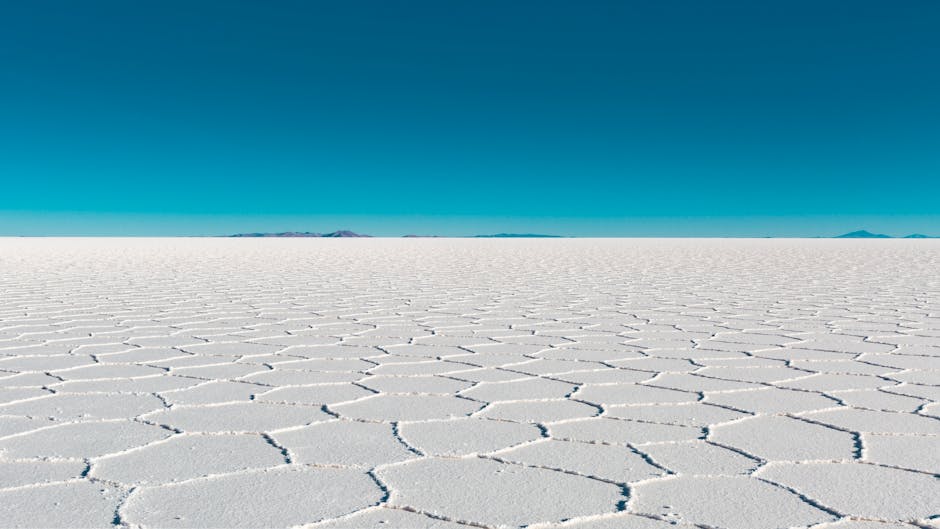
Roboré, Bolivia: Ultimate Thermal Springs, Chiquitano Culture & Gateway to the Pantanal (2025)
While crowds flock to the Uyuni Salt Flats, Roboré, Bolivia delivers a profound connection to nature and living culture without the tour buses. This unassuming town of 15,000 is your launchpad to the world’s largest tropical wetland, the Pantanal, and a living museum of Jesuit mission history. Here, the soundtrack is the chorus of howler monkeys at dawn, not the click of camera shutters, offering a raw, authentic slice of eastern Bolivia that most itineraries speed right past.
Why Roboré, Bolivia Stands Out

Dramatic aerial shot of Valle de las Animas in La Paz Department, Roboré, Bolivia
- Historic Architecture: The 18th-century Santiago de Chiquitos Mission, founded in 1754, is a stunning UNESCO-listed example of Chiquitano Baroque fusion architecture.
- Cultural Scene: The annual Festival de la Chiquitania in July bursts with vibrant music, dance, and crafts from the region’s indigenous communities.
- Local Specialties: You must try *Majao*, a hearty dish of shredded beef, rice, and fried plantains, often considered the regional comfort food.
Pro Tip: The absolute best time to visit is during the dry season from May to September. Not only is wildlife viewing in the Pantanal at its peak, but the roads to the remote thermal springs and missions are reliably passable. Aim for a weekday to have places like Aguas Calientes virtually to yourself.
Map of Roboré, Bolivia
Use these interactive maps to explore Roboré, Bolivia and plan your route:
📍 View Roboré, Bolivia on OpenStreetMap
🗺️ Open Roboré, Bolivia in Google Maps
Planning Your Trip: Practical Essentials
Getting There and Around
- By Air: The nearest major airport is Viru Viru International (VVI) in Santa Cruz, 420km away. From there, you’ll travel overland. Book flights at Skyscanner for best deals.
- By Train: The iconic *Ferroviaria Oriental* train line connects Santa Cruz to Quijarro, stopping right in Roboré. The journey from Santa Cruz takes about 8-10 hours and is an adventure in itself. Reserve tickets at the train station or through local tour operators.
- By Car: Driving from Santa Cruz via Highway 4 is straightforward. The paved road takes 6-7 hours. Parking is easy in town. Compare car rentals at RentalCars.com in Santa Cruz.
- Local Transport: *Micros* (minibuses) and shared taxis connect Roboré to nearby attractions. For the thermal springs and missions, hiring a local taxi for a half or full day (approx. 200-400 BOB) is your most flexible and common option.
Best Time to Visit
Timing is crucial for enjoying Roboré’s outdoor attractions. The dry winter months offer ideal conditions for exploration, while the wet summer transforms the landscape and makes some areas inaccessible.
| Season | Weather | Highlights |
|---|---|---|
| Dry Season (May–Sep) | Warm, sunny days (25-30°C/77-86°F), cool nights, very low rainfall. | Prime wildlife spotting in the Pantanal, accessible roads to all thermal pools, perfect for hiking. Peak tourist season but still quiet. |
| Wet Season (Dec–Mar) | Hot, humid (30-35°C/86-95°F), with frequent, heavy afternoon thunderstorms. | Lush, green landscapes, full waterfalls, and a truly immersive Pantanal experience by boat. Some roads become impassable. |
| Shoulder (Apr & Oct–Nov) | Transitional; warm with increasing (Apr) or decreasing (Oct) chance of rain. | Good balance of accessibility and greenery, with fewer visitors and potentially lower prices for tours and lodging. |
Budgeting for Roboré, Bolivia

A Bolivian woman in traditional attire sitting near Lake Titicaca under a b…, Roboré, Bolivia
| Category | Budget | Mid-range | Luxury |
|---|---|---|---|
| Accommodation | Hostel/Basic Hospedaje: 80-120 BOB/night | Comfortable Hotel: 200-350 BOB/night | Full-service Eco-Lodge: 500+ BOB/night |
| Meals | Market/Street Food: 15-25 BOB | Local Restaurant Menu: 30-50 BOB | Fine Dining (limited): 80+ BOB |
| Transport | Local Micro/Train: 5-50 BOB | Full-day taxi hire: 300-400 BOB | Private 4×4 & Guide: 600+ BOB/day |
| Activities | Public thermal pools: ~10 BOB | Guided Pantanal day tour: 250-400 BOB | Multi-day Pantanal safari: 1000+ BOB |
| Daily Total | 150-250 BOB | 400-700 BOB | 1000+ BOB |
Top Attractions and Must-See Sights
| Attraction | Description | Hours | Entry Fee |
|---|---|---|---|
| Aguas Calientes de Roboré | A stunning series of natural thermal waterfalls and turquoise pools nestled in a forest canyon. | Sunrise to Sunset | ~10 BOB |
| Pantanal Boliviano | The northern reaches of the world’s largest wetland, teeming with caimans, capybaras, and hundreds of bird species. | Tour Dependent | Tour prices vary (250+ BOB) |
| Santiago de Chiquitos Mission | A breathtaking UNESCO World Heritage site, this 1754 mission features exquisite wooden altars and a serene plaza. | 9:00 AM – 5:00 PM | ~15 BOB |
| Chochís & La Torre de David | A massive, otherworldly sandstone rock formation with a chapel at its base, offering incredible hikes and views. | Daylight Hours | Small Donation |
3-Day Itinerary: Roboré, Bolivia’s Highlights & Hidden Gems
Day 1: Thermal Waters & Town Charms
- Morning (7-9 AM): Head straight to **Aguas Calientes**. Arriving early means you’ll have the magical thermal waterfalls and pools mostly to yourself in the cool morning light. The main complex has changing facilities.
- Afternoon (12-3 PM): Return to Roboré for lunch at **Restaurant El Pantanal** on the main plaza for a massive plate of *Majao* (about 35 BOB). Afterwards, stroll the plaza and visit the simple but informative **Museo Histórico y Cultural** to understand the region’s Chiquitano and railroad history.
- Evening (6-8 PM): As the sun sets, find a seat at a plaza-side table at **Pizzería La Casona**. Enjoy a surprisingly good pizza or pasta while watching local life unfold. Later, savvy visitors know to ask about the location of the local *”Pozón”*—a hidden, free thermal pool just outside town where locals soak under the stars.
Day 2: Jesuit History & Monumental Rocks
- Morning (7 AM): Hire a taxi for the day (approx. 350 BOB) for the 45-minute drive to **Santiago de Chiquitos**. Explore the magnificent mission church, its museum, and the peaceful village. Don’t miss the **”Mirador”** lookout for a panoramic view of the Chiquitano dry forest.
- Afternoon (1 PM): Have your driver take you to the surreal landscape of **Chochís**. Lunch at a simple *comedor* near the rock, then hike the path to the base of **La Torre de David** and visit the beautiful **Santuario Mariano** chapel built into the rock face.
- Evening (6 PM): Back in Roboré, dine at **Churrasquería El Rodeo** for an authentic Bolivian grilled meat feast. For a unique evening, see if there’s a local football match happening—the passion is contagious.
Day 3: Pantanal Wilderness Encounter
- Morning (5:30 AM): An early start is non-negotiable. Your pre-booked Pantanal tour guide will pick you up. A full-day tour (approx. 400 BOB per person) includes a 4×4 drive and boat trip. The early hours are prime for spotting capybaras, caimans, and a riot of birdlife like jabirus and hyacinth macaws.
- Afternoon (12 PM): Enjoy a simple packed lunch provided by your tour on the banks of a lagoon, surrounded by the sounds of the wetland. Your guide will navigate smaller channels looking for anacondas and giant river otters.
- Evening (5 PM): Return to Roboré, dusty and exhilarated. For your final meal, try **Almuerzo Doña Maria** (near the market) for a classic, cheap *plato del día*. Pack your bags, as the night train to Santa Cruz (departing around 9 PM) offers a memorable, rocking farewell.
Cultural Insights & Etiquette
- Language: Spanish is essential. Very little English is spoken. Learn key phrases: “*Buenos días*” (Good morning), “*¿Cuánto cuesta?*” (How much?), “*La cuenta, por favor*” (The bill, please). The indigenous Chiquitano language is also present.
- Customs: Greetings are important. Always offer a polite “*buenos días/tardes*.” Patience is a virtue; service and travel can move at a relaxed pace. Always ask permission before photographing people.
- Tipping: Not universally expected but appreciated. In restaurants, rounding up the bill or leaving 5-10% is generous. For tour guides, 10% of the tour cost is a good guideline if service was excellent.
- Dress Code: Modest, practical clothing is best. For thermal pools, swimwear is fine on-site, but cover up in town. For mission churches, avoid shorts and sleeveless tops. Sturdy shoes are a must for hiking.
- Business Hours: Typical hours are 8:30 AM – 12:30 PM and 2:30 PM – 7:00 PM, with a long siesta break. Many businesses close on Sunday. Major national holidays can shut everything down.
Where to Eat: Roboré, Bolivia’s Best Bites
Dining in Roboré is about hearty, satisfying food that fuels adventure. You’ll find classic Bolivian *almuerzos* (set lunches), excellent grilled meats, and the unique flavors of the Chiquitania region. Don’t expect fancy presentation; expect generous portions and authentic taste.
Must-Try Local Specialties
- Majao: The regional superstar. Shredded, dried beef (*charque*) is sautéed with rice, onions, and tomatoes, served with fried plantains and a fried egg on top. Find it at most local *comedores* like **Restaurant El Pantanal**.
- Sonso de Yuca: A delicious, cheesy baked cassava dish, often served as a side. It’s a staple of Chiquitano cuisine and perfectly comforting.
- Asado de Taitetú: A bold, traditional dish of grilled wild boar, often served during festivals. If you see it on a menu, it’s a unique taste of the local forest.
Restaurant Recommendations by Budget
| Type | Restaurant | Specialty | Price Range |
|---|---|---|---|
| Budget | Market Stalls (Mercado Municipal) | Fresh fruit juices, empanadas, and simple *almuerzo* plates. | 5-20 BOB |
| Mid-range | Churrasquería El Rodeo (Av. La Paz) | All-you-can-eat grilled meats (*churrasco*) served directly to your table. | 40-60 BOB |
| Fine dining | Pizzería La Casona (Main Plaza) | The town’s most atmospheric sit-down meal, with good Italian-Bolivian fusion and wine. | 50-80 BOB |
Where to Stay
Accommodation in Roboré ranges from basic but clean *hospedajes* to a few comfortable hotels. There are no large international chains. Most places are centrally located near the plaza or the train station. For a unique experience, consider staying at an *estancia* (ranch) in the Pantanal. Compare prices and book at Booking.com or Airbnb for apartments.
Best Neighborhoods for Accommodation
- Centro (Around the Plaza): The heart of town. You’ll be steps from restaurants, shops, and transport hubs. It can be a bit noisier, especially near the train line, but it’s supremely convenient. Best for first-time visitors.
- Near the Bus/Train Station: A practical choice if you have an early departure. Accommodation here is very basic but functional. It lacks the charm of the center but offers easy transit access.
- Pantanal Lodges (Outside Town): For a true immersion, stay at a lodge like **Refugio Los Volcanes** or a Pantanal *estancia*. You’ll trade convenience for unparalleled access to nature, wildlife sounds at night, and guided activities right from your door. Requires advance booking.

Panoramic view of La Paz, Bolivia with city buildings and dramatic skies., Roboré, Bolivia
FAQs: Your Roboré, Bolivia Questions Answered
1. Is Roboré, Bolivia safe at night?
Roboré is generally a safe and quiet town. Basic precautions apply: stick to well-lit areas like the main plaza at night, avoid displaying expensive electronics, and use common sense. The thermal pools are best visited during daylight hours. Travelers often discover the greatest “risk” is the friendly curiosity of locals.
2. What currency is used and are credit cards accepted?
The Bolivian Boliviano (BOB) is the currency. **Cash is king in Roboré.** While a few higher-end hotels and tour operators might accept credit cards (Visa more common than Mastercard), you should assume you’ll need cash for almost everything—meals, taxis, entry fees, and small shops. There are ATMs in town, but it’s wise to arrive with sufficient cash from a larger city like Santa Cruz.
3. How do I get from the airport/train station to the city center?
Roboré is small and walkable. If you arrive by **train**, you’ll be right in the center; most hotels are within a 10-minute walk. If you arrive by **bus**, the terminal is also centrally located. If you have heavy luggage, a taxi from

