
Rankin Inlet, Canada’s Best Northern Lights, Inuit Art & Arctic Wilderness (2026)
Ask locals about Rankin Inlet, Canada, and they’ll tell you about the sound of the qulliq, the traditional soapstone lamp, flickering in a winter workshop. Most guidebooks miss this completely, focusing only on its role as the transportation hub of Nunavut’s Kivalliq Region. The reality is a vibrant, resilient community of about 2,800 people, where ancient Thule and modern Inuit culture isn’t displayed in a museum—it’s lived daily on the shores of Hudson Bay, a place where the tundra meets the sea and the sky dances with color.
Why Rankin Inlet, Canada Stands Out

A cruise ship sails under the iconic Vancouver bridge with clear blue skies…, Rankin Inlet, Canada
- Historic Architecture: The distinctive red-and-white buildings of the former Rankin Inlet Nickel Mine (est. 1957) stand as a stark monument to the boom-and-bust industry that first drew southerners north, fundamentally shaping the modern community.
- Cultural Scene: The annual Pakallak Time festival in April celebrates the return of the sun with community feasts, traditional games like the one-foot high kick, and throat singing performances that resonate with ancient energy.
- Local Specialties: Savor fresh, sustainably harvested Arctic char, either grilled, dried as pipsi, or served as nigiri at the local hotels—a taste of the pristine northern waters.
Pro Tip: For the absolute best chance to see the Northern Lights without extreme cold, target late August through September. The nights are dark enough, the weather is often clear, and the temperatures are far more manageable than deep winter, hovering around 0°C (32°F).
Map of Rankin Inlet, Canada
Use these interactive maps to explore Rankin Inlet, Canada and plan your route:
📍 View Rankin Inlet, Canada on OpenStreetMap
🗺️ Open Rankin Inlet, Canada in Google Maps
Planning Your Trip: Practical Essentials
Getting There and Around
- By Air: Rankin Inlet Airport (YRT) is your gateway. Connect via Calm Air or Canadian North from Winnipeg (3.5 hours) or Ottawa (via Iqaluit). Book flights at Skyscanner for best deals.
- By Train: No train service reaches this far north. All travel to Nunavut is by air or, in summer, by sealift cargo ship for goods.
- By Car: No roads connect Rankin Inlet to southern Canada. Within town, walking and arranged taxis are the norm. For excursions, operators provide transport.
- Local Transport: The town is very walkable. For longer distances, call Kivalliq Taxi. There is no public bus system. For tours, vehicles are included.
Best Time to Visit
Your experience in Rankin Inlet is dramatically defined by the season. Summer offers 24-hour daylight and access to the land, while winter provides celestial darkness perfect for aurora viewing and unique ice-based activities.
| Season | Weather | Highlights |
|---|---|---|
| Summer (Jun–Aug) | -5°C to 15°C (23°F to 59°F), 24h daylight, bug season in July | Hiking, fishing, boat tours, cultural festivals; most activities available |
| Winter (Dec–Feb) | -20°C to -35°C (-4°F to -31°F), constant darkness, snow | Prime Northern Lights viewing, dog sledding, snowmobiling; stark, beautiful solitude |
| Shoulder (Apr–May/Sep–Oct) | -10°C to 5°C (14°F to 41°F), dynamic light, less stable ice | Best balance for aurora (Sep/Oct) or spring sun festivals (Apr); fewer visitors, transitional beauty |
Budgeting for Rankin Inlet, Canada

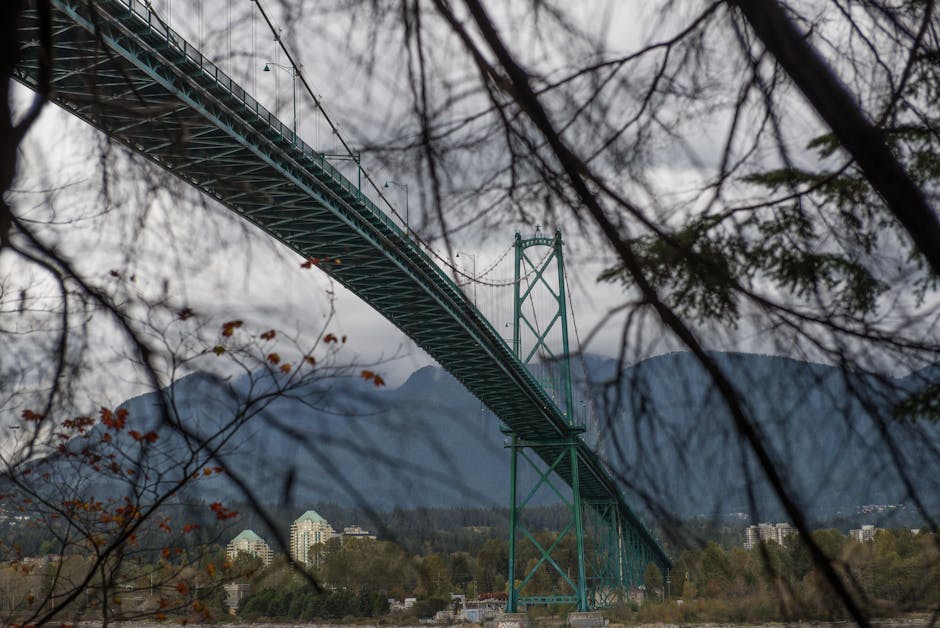
Amazing sundown scenery with Lions Gate Bridge over Burrard Inlet against c…, Rankin Inlet, Canada
| Category | Budget | Mid-range | Luxury |
|---|---|---|---|
| Accommodation | $175-$225/night (basic B&B/guesthouse) | $275-$375/night (hotel room) | $400+/night (suite or full-board lodge) |
| Meals | $50/day (coffee shop & grocery snacks) | $100-$150/day (hotel restaurant meals) | $200+/day (fine dining & guided culinary experiences) |
| Transport | $0 (walking) | $30-$50/day (taxi trips) | $150+/day (private guide/vehicle) |
| Activities | $0 (self-guided walks, viewing sites) | $150-$300/day (guided half-day tours) | $500+/day (full-day private charter fishing/dog sledding) |
| Daily Total | $225-$275 | $550-$800 | $1250+ |
Top Attractions and Must-See Sights
| Attraction | Description | Hours | Entry Fee |
|---|---|---|---|
| Matchbox Gallery | The heart of Rankin’s famous ceramic and stonework art scene, where you can watch artists carve soapstone and shape clay. | Mon-Fri 10am-5pm (call ahead) | Free (purchases vary) |
| Iqalugaarjuup Nunanga Territorial Park | A stunning protected area 15km from town, featuring the dramatic Meliadine River waterfalls, archeological sites, and incredible tundra hiking. | 24/7 in summer (access via tour) | Park fee ~$15; Tours from $200 |
| Marble Island | A sacred, haunting site 32km offshore, known for its marble cliffs, historic whaling shipwrecks, and abundant wildlife like whales and seabirds. | Daylight hours via boat charter (Jul-Sep) | Charter from $500/person |
| Kivalliq Regional Visitor Centre | Your first stop for cultural context, featuring exhibits on Inuit history, wildlife dioramas, and helpful local guides. | Mon-Fri 9am-5pm | By donation |
3-Day Itinerary: Rankin Inlet, Canada’s Highlights & Hidden Gems
Day 1: Art, History & Community
- Morning (9 AM): Start at the Kivalliq Regional Visitor Centre. Spend an hour understanding the Thule-to-Inuit timeline and the area’s natural history. Ask the staff about any community events happening during your stay.
- Afternoon (1 PM): Walk to the Matchbox Gallery. Watch master carvers at work—look for the distinctive Rankin Inlet ceramic style. For lunch, head to the Turaarvik Inns North for a hearty bowl of caribou stew (~$28).
- Evening (7 PM): Join a community gathering if one is scheduled, or enjoy a quiet dinner at your hotel. As darkness falls (season dependent), take a walk to the shoreline to scan the horizon for your first glimpse of the aurora.
Day 2: Tundra & Wildlife
- Morning (8 AM): Depart with a local guide from Sakku Arctic Ventures for a half-day trip to Iqalugaarjuup Nunanga Park (~$250). Hike to the waterfalls, look for Arctic foxes and ptarmigan, and visit ancient tent ring sites.
- Afternoon (1 PM): Enjoy a packed lunch by the river. Return to town by mid-afternoon. Visit the Inuit Heritage Centre to see traditional tool displays and perhaps a sewing or beading demonstration.
- Evening (6 PM): Dine at the Nanuq Inn’s dining room, trying the pan-seared Arctic char. Afterwards, book a dedicated Northern Lights viewing tour with your guide, who will take you to a dark spot away from town lights.
Day 3: The Arctic Sea
- Morning (8 AM): If conditions permit (July-Sept), embark on a boat charter to Marble Island (~$500/person). The journey itself offers chances to see ringed seals, beluga whales, and myriad seabirds.
- Afternoon (12 PM): Explore the island’s stark beauty with your guide, hearing stories of the 19th-century whalers and the island’s spiritual significance. A shore lunch of bannock and tea is often included.
- Evening (5 PM): Return to Rankin Inlet. For your final evening, savor a special meal and perhaps purchase a piece of soapstone sculpture from the artist directly as a lasting memory. Take one last walk to the inuksuk on the point.
Cultural Insights & Etiquette
- Language: Inuktitut is the first language; English is widely spoken. Learn a greeting: “Atii” (ah-TEE) means “let’s go” or “come on.” “Nakurmiik” (na-KOOR-meek) means “thank you.”
- Customs: Always ask permission before taking photos of people. Practice quiet observation; loud or boastful behavior is frowned upon. Sharing is a core cultural value.
- Tipping: Tipping is not a traditional Inuit custom but is appreciated in the service industry (tours, taxis, restaurants). 10-15% is standard if you receive good service.
- Dress Code: Practical, warm layers are essential, never ceremonial. For community events, clean, casual clothing is perfectly acceptable. Always remove your boots when entering someone’s home.
- Business Hours: Government offices: 9am-5pm weekdays. Stores may have variable hours and close for lunch. Be prepared for schedules to shift due to weather or community needs.
Where to Eat: Rankin Inlet, Canada’s Best Bites
Dining in Rankin is centered on hotel restaurants and a few cafes, offering a mix of classic Canadian comfort food and incredible local “country food” sourced from the land and sea. Portions are generous, designed to fuel you for the northern climate.
Must-Try Local Specialties
- Arctic Char: This pink-fleshed salmonid is a staple, served smoked, grilled, or dried. The freshest grilled version is often your best bet at hotel restaurants like the Nanuq Inn.
- Caribou Stew: A rich, hearty stew made from locally harvested barren-ground caribou, often with root vegetables. Find it on the daily specials board at Turaarvik Inns North.
- Bannock: A simple, dense fry-bread that’s a ubiquitous accompaniment. The best is often homemade; ask at the community coffee shop, the Kivalliq Café, if they have any fresh.
Restaurant Recommendations by Budget
| Type | Restaurant | Specialty | Price Range |
|---|---|---|---|
| Budget | Kivalliq Café (near the Co-op store) | Coffee, sandwiches, homemade soups and pastries | $8-$20 per item |
| Mid-range | Turaarvik Inns North Dining Room | Reliable caribou stew, burgers, and daily dinner specials | $25-$45 for a main |
| Fine dining | Nanuq Inn Dining Room | Expertly prepared Arctic char, steaks, and more elaborate plates in the nicest setting in town | $35-$60 for a main |
Where to Stay
Accommodation is limited but comfortable, focused on the town’s main hotels and a few B&Bs. Book well in advance, especially during summer and festival times. Compare prices and book at Booking.com or contact lodges directly for specialized packages.
Best Neighborhoods for Accommodation
- Central/Townsite: This is where you’ll find the main hotels (Nanuq, Turaarvik). It’s walking distance to services, the visitor centre, and the shore. Ideal for first-time visitors who want convenience.
- Residential Areas (for B&Bs): Staying in a local B&B like the Qamutik Inn offers a more personal experience and a chance to connect with hosts. You’ll be a short taxi ride from the centre, immersed in community life.
- Out of Town (Lodges): For a true wilderness immersion, look for fly-in lodges like those at nearby lakes. These are all-inclusive, activity-focused, and offer unparalleled access to fishing and solitude.

Stunning view of Science World and Vancouver skyline at dusk reflecting on …, Rankin Inlet, Canada
FAQs: Your Rankin Inlet, Canada Questions Answered
1. Is Rankin Inlet, Canada safe at night?
Rankin Inlet is generally a very safe community with a low crime rate against visitors. The primary safety concerns are environmental: extreme cold in winter, uneven terrain, and wildlife (polar bears are rare but possible near town; always heed local advisories). At night, use common sense, dress warmly, and carry a flashlight. Most people feel comfortable walking, but taking a taxi after dark is always a prudent option.
2. What currency is used and are credit cards accepted?
The Canadian Dollar (CAD) is the currency. Credit cards (Visa, MasterCard) are widely accepted at hotels, the Co-op store, and tour operators. However, it’s wise to carry a reasonable amount of cash for smaller purchases, tips, and transactions with individual artists or at community events. ATMs are available at the bank and Co-op.
3. How do I get from the airport to the city center?
The airport is only about 2km from the town center. Your best bet is to pre-arrange a pickup with your hotel, which is often complimentary. Alternatively, Kivalliq Taxi meets all flights. The ride takes less than 5 minutes and costs approximately $10-$15. There is no public shuttle. For seamless arrival, you can book airport transfers through your tour operator.
4. Do I need to speak the local language?
No. English is spoken fluently by almost everyone in the tourism and service sectors. Learning a few words of Inuktitut, however, is a sign of great respect and will be warmly appreciated. Phrases like “Nakurmiik” (thank you) and “Ullaakkut” (good morning) will go a long way in creating positive connections.
5. What’s the appropriate dress code?
Forget fashion; think function. Your wardrobe must be seasonally appropriate. In summer, pack waterproof hiking boots, wind/rain pants and jacket, layers (fleece, merino wool), and a head net for bugs. In winter, you need a serious parka, insulated snow pants, heavy boots (Sorel-type), and quality mitts, hat, and face protection. For indoor community events, clean, casual clothes are fine.
Final Thoughts: Rankin Inlet, Canada Awaits
Rankin Inlet offers a profound and authentic Arctic experience far removed from curated tourist trails. This is not a place of fleeting sightseeing; it’s a destination for immersion. You’ll discover the rhythm of a resilient northern community, the breathtaking scale of the tundra, and the profound artistry born from this landscape. Savvy travelers come not just to see,

