
Rabi Island, Fiji’s Stunning Culture, Coconuts & Untouched Reefs (2026)
Ask locals about Rabi Island, Fiji, and they’ll tell you about the hauntingly beautiful sound of the ‘te karanga,’ a traditional Kiribati welcome song that echoes across its shores—a cultural legacy most guidebooks miss completely. This isn’t your typical Fijian resort island. In 1945, the entire population of Banaba Island in Kiribati was resettled here, creating a unique cultural enclave where Gilbertese traditions thrive amidst Fijian landscapes. Today, fewer than 500 international visitors a year experience this profound cultural fusion and pristine environment, making it one of the Pacific’s most authentic destinations.
Why Rabi Island, Fiji Stands Out

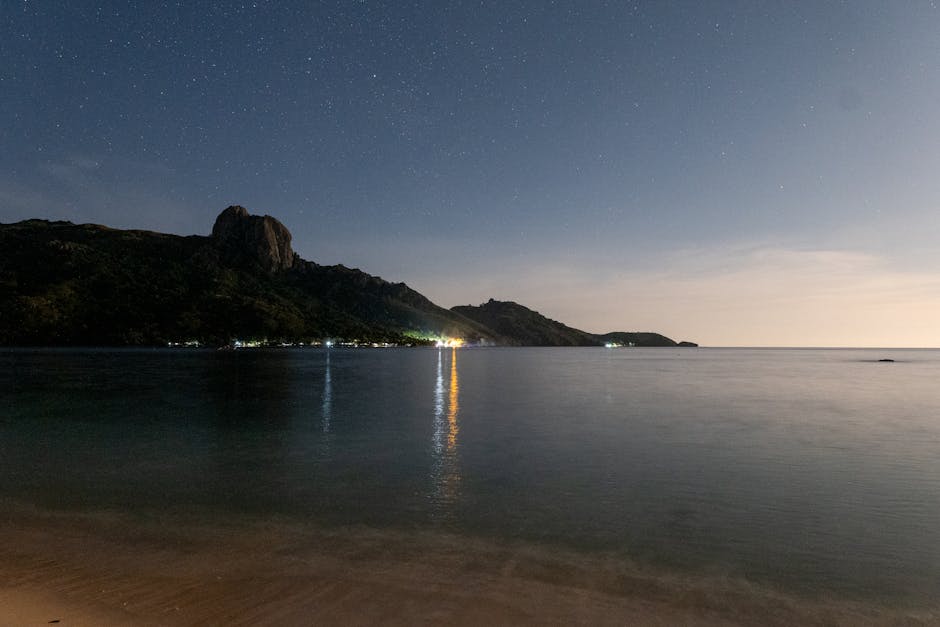
Serene sunrise over a tranquil Fijian beach with a boat, Rabi Island, Fiji
- Historic Architecture: The simple, poignant Catholic Church in Tabwewa Village, built by the Banaban settlers in the 1950s, stands as a central symbol of community resilience and faith.
- Cultural Scene: The unique Kiribati dance performances, featuring intricate hip movements and chants, tell the story of the Banaban people’s journey and are a living cultural treasure.
- Local Specialties: You must try ‘te bun’ (baked breadfruit) served with fresh coconut cream, a staple dish that connects directly to the islanders’ Banaban heritage.
Pro Tip: Plan your visit for the drier months of May to October, but aim for a Tuesday or Wednesday arrival. The weekly passenger ferry from Taveuni operates on a limited schedule, and aligning your trip mid-week helps avoid the weekend rush of returning residents, securing you a spot and a more relaxed journey.
Map of Rabi Island, Fiji
Use these interactive maps to explore Rabi Island, Fiji and plan your route:
📍 View Rabi Island, Fiji on OpenStreetMap
🗺️ Open Rabi Island, Fiji in Google Maps
Planning Your Trip: Practical Essentials
Getting There and Around
- By Air: There is no airport on Rabi. You must fly to nearby Taveuni (Matei Airport, TVU) via Fiji Airways from Nadi or Suva. From Taveuni, you’ll take a 4-hour passenger ferry (approx. FJD $60 one-way) or arrange a private boat charter. Book flights at Skyscanner for best deals.
- By Train: Not applicable in Fiji.
- By Car: Not applicable for reaching Rabi. On the island, the few roads are unpaved and best navigated by 4×4 or on foot. Compare car rentals for Taveuni at RentalCars.com if you plan to explore there first.
- Local Transport: Your feet and arranged rides with locals are the primary transport. For longer distances across the island, you can arrange a ride in a local truck or carrier for a small fee (approx. FJD $5-$10 per trip). There are no formal taxis or buses.
Best Time to Visit
Rabi Island enjoys a tropical climate, but the weather significantly impacts accessibility and comfort. The dry season offers the most reliable conditions for travel and exploration.
| Season | Weather | Highlights |
|---|---|---|
| Dry Season (May–Oct) | Sunny, 24-28°C (75-82°F), lower humidity, less rain. | Ideal for hiking, fishing, and boat trips; calm seas make the ferry crossing pleasant; peak visitor season (though still very quiet). |
| Wet Season (Nov–Apr) | Hot, 26-31°C (79-88°F), high humidity, frequent heavy rain and tropical storms. | Lush, vibrant greenery; very few tourists; ferry service is often canceled due to rough seas, making access unpredictable. |
| Shoulder (Apr/Oct) | Transitional weather, warm with occasional showers. | Good balance of decent weather and lower chances of crowds; a sweet spot for travelers seeking solitude. |
Budgeting for Rabi Island, Fiji

Peaceful tropical island scene with expansive sky in Nadi, Fiji., Rabi Island, Fiji
| Category | Budget | Mid-range | Luxury |
|---|---|---|---|
| Accommodation | FJD $40-60/night (village homestay) | FJD $80-120/night (basic guesthouse) | FJD $150+/night (private cottage) |
| Meals | FJD $15-25/day (homestay meals included) | FJD $30-50/day (local eateries + snacks) | FJD $60+/day (private meal prep) |
| Transport | FJD $5-10/day (walking/local rides) | FJD $20-40/day (arranged boat trips) | FJD $80+/day (private boat charter) |
| Activities | Free (village walks, swimming) | FJD $30-50 (guided hike, fishing trip) | FJD $100+ (full-day private reef safari) |
| Daily Total | FJD $60-95 | FJD $130-220 | FJD $300+ |
Top Attractions and Must-See Sights
| Attraction | Description | Hours | Entry Fee |
|---|---|---|---|
| Banaba Cultural Display (Tabwewa) | A small but powerful museum showcasing photographs, tools, and artifacts detailing the Banaban people’s history and resettlement. | By arrangement with village elders | Donation (FJD $5-10 suggested) |
| Nuku Beach & Reef | A stunning, secluded white-sand beach with a vibrant fringing reef perfect for snorkeling right from the shore. | Daylight hours | Free (Respect private land access) |
| Mount Banaba Lookout Hike | A moderate 2-hour hike to the island’s highest point (463m) offering panoramic 360-degree views of the Kioa Sea. | Best started by 8 AM | Free (Guide recommended: FJD $20) |
| Traditional Kiribati Dance Performance | An unforgettable evening of rhythmic dance and song performed by local community groups, often arranged through your homestay. | Evenings, by arrangement | Community contribution (FJD $15-25 per person) |
3-Day Itinerary: Rabi Island, Fiji’s Highlights & Hidden Gems
Day 1: Arrival & Cultural Immersion
- Morning (7-9 AM): Arrive on the early ferry from Taveuni. Settle into your homestay in Tabwewa Village and share a simple breakfast of fresh fruit and tea with your host family.
- Afternoon (12-3 PM): Take a guided village walk with a local elder. Visit the Banaba Cultural Display and the community church. For lunch, enjoy a home-cooked meal of rukau (taro leaves in coconut milk) with fish.
- Evening (6-8 PM): Attend a traditional ‘te mwaie’ (welcoming ceremony). Afterwards, share a lovo (earth oven) dinner with the community, featuring pork, chicken, and palusami.
Day 2: Nature & The Reef
- Morning (7 AM): Hike to Mount Banaba Lookout (guide cost: FJD $20). The early start avoids the heat, and the view of the surrounding islands is crystal clear.
- Afternoon (1 PM): After a packed lunch, head to Nuku Beach. Spend hours snorkeling the pristine reef—look for clownfish, parrotfish, and maybe even a turtle. Your homestay can pack cool drinking coconuts.
- Evening (6 PM): Enjoy a relaxed barbecue on the beach (arranged by your host) as the sun sets. Listen to stories about the legendary Banaban shark god, Te Karewe.
Day 3: Community & Departure
- Morning (8 AM): Visit the village copra (dried coconut) drying sheds to see a key local industry. Then, join a weaving demonstration using pandanus leaves to make mats or baskets.
- Afternoon (12 PM): Share a final farewell lunch, likely featuring the must-try te bun. Exchange contacts and gifts with your host family. Pack and prepare for the afternoon ferry.
- Evening (4 PM): Depart on the ferry back to Taveuni, watching Rabi’s silhouette fade into the distance, a much deeper understanding of Fiji’s diverse cultural tapestry in your heart.
Cultural Insights & Etiquette
- Language: The primary language is Gilbertese (I-Kiribati), though Fijian and English are also spoken. Key phrases: “Ko na mauri” (Hello), “Ti a boo” (Goodbye), “Katangitang” (Thank you).
- Customs: Always seek permission before entering a village, taking photographs of people, or visiting a beach that may be near private land. It is deeply respectful to present a sevusevu (gift of kava root) to the village chief upon a formal visit; your homestay host will guide you.
- Tipping: Not a standard practice. Instead, show appreciation through a genuine “tangitang,” a small gift for your host family (school supplies, books, or useful items from your home country are cherished), or a direct cash contribution to a community project.
- Dress Code: Modesty is key. Wear sulus (sarongs) or long shorts and covered shoulders when in villages. Swimwear is only for the beach. Remove hats and sunglasses when speaking to elders.
- Business Hours: Life follows a sun and communal schedule. The small trade stores may open irregularly. The ferry runs once or twice a week—confirm schedules meticulously.
Where to Eat: Rabi Island, Fiji’s Best Bites
Dining on Rabi is almost exclusively a homestay experience. Meals are prepared with love using local ingredients—fresh fish, root crops, and coconut. This is authentic, home-cooked Pacific Island cuisine, not restaurant fare. Your plate tells the story of the land and sea.
Must-Try Local Specialties
- Te Bun (Baked Breadfruit): The quintessential Banaban comfort food. The breadfruit is baked whole in its skin over hot stones, then peeled and served with thick, fresh coconut cream. You’ll have this at breakfast or as a side.
- Palusami: A Fijian favorite also loved here. Taro leaves are filled with a mix of onion, coconut cream, and sometimes corned beef, then baked in a lovo until creamy and rich.
- Kokoda: Fiji’s answer to ceviche. Fresh local fish (like walu or mahi-mahi) is marinated in lime juice and mixed with coconut cream, chili, and diced vegetables. Refreshing and flavorful.
Restaurant Recommendations by Budget
| Type | Restaurant | Specialty | Price Range |
|---|---|---|---|
| Budget | Your Homestay Kitchen (Tabwewa/Nuku) | Daily shared meals featuring the catch of the day and garden vegetables. | Included in stay or FJD $10-15/meal |
| Mid-range | Community Lovo Feast (by arrangement) | A special earth-oven cooked banquet for groups, requiring a day’s notice. | FJD $25-35 per person |
| Fine dining | Private Beach BBQ (arranged via host) | Freshly grilled lobster or fish on a secluded beach at sunset. | FJD $50+ per person |
Where to Stay
Accommodation is simple, community-based, and incredibly rewarding. There are no resorts or hotels. Your choices are village homestays or a couple of basic guesthouses, offering a genuine window into daily life. Compare prices and book at Booking.com (for limited guesthouse listings) or arrange directly via community tourism networks.
Best Villages for Accommodation
- Tabwewa Village: The main administrative center. Best for first-time visitors wanting to understand the history, with easy access to the cultural display and church. You’ll be at the heart of community life.
- Nuku Village: Located closer to the beautiful Nuku Beach. Ideal for travelers prioritizing snorkeling, swimming, and a slightly more secluded feel while still being part of a village.
- Uma Village: A quieter, more remote village on the northern coast. Suits adventurous travelers seeking deeper solitude and a more intensive cultural immersion, with fewer visitor facilities.

Tranquil evening beach scene with boats and palm trees on Yasawa Islands, Fiji., Rabi Island, Fiji
FAQs: Your Rabi Island, Fiji Questions Answered
1. Is Rabi Island, Fiji safe at night?
Yes, Rabi is considered very safe. Crime is extremely rare. The primary considerations are natural: use a flashlight at night as there are few streetlights, and be mindful of uneven paths. The sense of community is strong, and villagers look out for visitors.
2. What currency is used and are credit cards accepted?
The Fijian Dollar (FJD) is the currency. You must bring ample cash in small denominations. There are no ATMs on Rabi, and credit cards are not accepted anywhere. Plan your entire stay’s budget in cash, including extra for donations and souvenirs.
3. How do I get from the airport to the island?
From Taveuni’s Matei Airport (TVU), take a taxi (FJD $25-30) to the ferry wharf in Somosomo or Waiyevo. The passenger ferry to Rabi costs approx. FJD $60 one-way and takes 4 hours. Schedules change; confirm with your Rabi homestay host a week before travel. For a seamless connection, book airport transfers at GetYourGuide for Taveuni legs.
4. Do I need to speak the local language?
No, but it helps immensely. Basic English is understood by many, especially younger community members and those involved with visitors. Learning a few Gilbertese phrases (like “Ko na mauri” for hello) will earn you warm smiles and show deep respect for your hosts’ unique culture.
5. What’s the appropriate dress code?
Modest, casual, and practical. Pack sulus (sarongs), t-shirts that cover shoulders, long shorts or lightweight trousers, and sturdy sandals or shoes for walking. Have a rain jacket and a sun hat. For swimming, a modest one-piece or board shorts are best; change discreetly.
Final Thoughts: Rabi Island, Fiji Awaits
Rabi Island offers something increasingly rare: a travel experience defined not by consumption, but by connection. You won’t find infinity pools or cocktail menus, but you will gain an education in resilience, community, and the true meaning of welcome. Savvy travelers come here not to be served, but to participate—to share meals, stories, and silence. Your best souvenir will be

