
Quillabamba, Peru’s Hidden Coffee, Canyons & Cloud Forest Charm (2026)
Ask locals about Quillabamba, Peru, and they’ll tell you about the scent of roasting coffee that fills the morning air, a direct result of the 30,000 hectares of cacao and coffee plantations that surround this vibrant jungle city. Most guidebooks miss this completely, rushing travelers straight from Cusco to Machu Picchu. Yet here, in the “City of Eternal Summer,” you’ll find a living, breathing agricultural hub where the true flavor of the Peruvian highland-to-jungle transition is served daily in a cup.
Why Quillabamba, Peru Stands Out

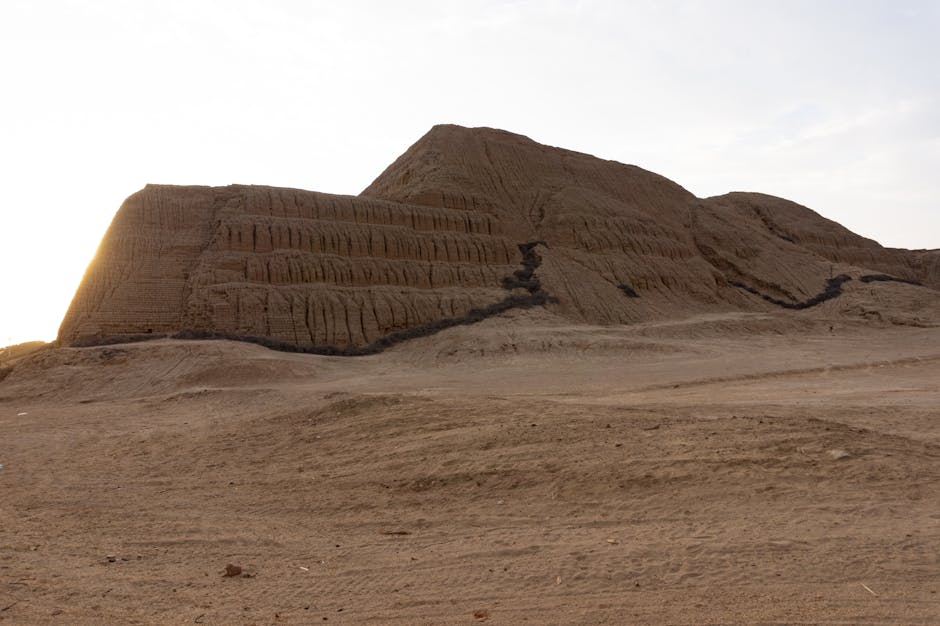
Yellow colonial church in Trujillo, Quillabamba, Peru
- Historic Architecture: The 1924 Municipal Palace on Plaza de Armas, with its distinctive neoclassical facade and arched windows, stands as a proud symbol of Quillabamba’s founding era and coffee boom prosperity.
- Cultural Scene: The vibrant Fiesta de San Juan in late June, where the entire city celebrates with river baths, traditional music, and massive barbecues to honor the patron saint of the jungle.
- Local Specialties: A steaming cup of locally grown and roasted coffee, considered some of Peru’s finest, best enjoyed at a traditional *tostaduría* (roastery) in the mercado.
Pro Tip: Visit during the dry season months of May to September for the best trekking conditions to the ruins of Choquequirao. For a truly local experience, time your trip for the last week of June to join the Fiesta de San Juan celebrations, but book accommodation months in advance.
Map of Quillabamba, Peru
Use these interactive maps to explore Quillabamba, Peru and plan your route:
📍 View Quillabamba, Peru on OpenStreetMap
🗺️ Open Quillabamba, Peru in Google Maps
Planning Your Trip: Practical Essentials
Getting There and Around
- By Air: The nearest major airport is Alejandro Velasco Astete International Airport (CUZ) in Cusco. From there, you’ll take a 6-7 hour scenic bus or colectivo ride. Book flights to Cusco at Skyscanner for best deals.
- By Train: No direct passenger trains serve Quillabamba. The famous Inca Rail and PeruRail services terminate at Machu Picchu (Aguas Calientes). The journey from Cusco is exclusively by road.
- By Car: The drive from Cusco (Route 28B/PE-28B) is spectacular but winding, descending from 3,400m to 1,050m. A 4×4 is recommended, especially in the wet season. Compare car rentals in Cusco at RentalCars.com.
- Local Transport: *Mototaxis* (three-wheeled rickshaws) are the king of local transport for short trips (S/ 3-5 within town). For longer excursions to nearby attractions, colectivos (shared vans) depart from designated terminals.
Best Time to Visit
Quillabamba’s nickname, “City of Eternal Summer,” hints at its warm climate year-round. However, the distinct dry and wet seasons dramatically affect travel, especially for trekking and road conditions.
| Season | Weather | Highlights |
|---|---|---|
| Dry Season (May–Sep) | Sunny, warm days (25-30°C/77-86°F), cool nights, very little rain. | Ideal for trekking to Choquequirao, clear road conditions, peak coffee harvest visits. Crowds are minimal but present. |
| Wet Season (Dec–Mar) | Hot, humid (28-32°C/82-90°F) with frequent, heavy afternoon showers. | Lush, vibrant green landscapes, fewer tourists, dramatic waterfalls. Road travel can be slow and muddy; some treks are impassable. |
| Shoulder (Apr/Oct–Nov) | Transitional; warm with sporadic rain, increasing humidity. | Good balance of decent weather and lower visitor numbers. A smart choice for flexible travelers. |
Budgeting for Quillabamba, Peru
Drone shot of Lima’s skyline with modern skyscrapers in the Callao Region., Quillabamba, Peru
| Category | Budget | Mid-range | Luxury |
|---|---|---|---|
| Accommodation | S/ 60-90 per night (basic hostel) | S/ 120-200 per night (comfortable hotel with A/C) | S/ 250+ (best hotel in town) |
| Meals | S/ 15-25 (menú del día, market food) | S/ 30-50 (restaurant meal with drink) | S/ 70+ (fine dining experience) |
| Transport | S/ 3-5 mototaxis, S/ 10 colectivos | S/ 40-60/day for taxi tours | Private driver (S/ 200+/day) |
| Activities | Free (plaza, market walks), low-cost hot springs (S/ 10) | Guided coffee tour (S/ 50-80), museum entry (S/ 5) | Multi-day guided trek to Choquequirao (S/ 800+) |
| Daily Total | S/ 100-150 / $25-40 | S/ 250-350 / $65-90 | S/ 500+ / $130+ |
Top Attractions and Must-See Sights
| Attraction | Description | Hours | Entry Fee |
|---|---|---|---|
| Mercado Modelo de Quillabamba | A sensory immersion into local life with piles of fresh coffee, cacao, tropical fruits, and jungle spices. | 6:00 AM – 5:00 PM daily | Free |
| Baños Termales de Cocalmayo | Stunning tiered thermal pools set beside the roaring Vilcanota River, a perfect post-trek relaxation spot. | 8:00 AM – 5:00 PM daily | S/ 10 |
| Mirador de San Juan | The best panoramic view of Quillabamba nestled in the valley, especially magical at sunrise or sunset. | 24/7 | Free |
| Hacienda Finca La Convención | A working coffee and cacao farm where you can tour the plantations and see the bean-to-bar process firsthand. | Tours at 9 AM & 2 PM by appointment | S/ 30-50 for tour |
3-Day Itinerary: Quillabamba, Peru’s Highlights & Hidden Gems
Day 1: City Senses & Thermal Soaks
- Morning (7-9 AM): Start at the **Mercado Modelo**. Follow the aroma to a *tostaduría* for a fresh coffee (S/ 2) and try a *humita* (steamed corn cake) for breakfast. Watch the bustling wholesale trade.
- Afternoon (12-3 PM): Take a *colectivo* (S/ 5, 30 mins) to **Baños Termales de Cocalmayo**. Soak in the therapeutic hot springs with jungle views. For lunch, eat at the simple on-site restaurant—their *trucha* (trout) is locally sourced.
- Evening (6-8 PM): Return to town and stroll the **Plaza de Armas**. For dinner, head to **Restaurant Don Carlos** for a massive *lomo saltado* (S/ 25) in a lively, family-run setting.
Day 2: Coffee Culture & Canyon Views
- Morning (8 AM): Book a half-day **coffee tour at Hacienda Finca La Convención** (S/ 50). You’ll pick cherries, see the drying process, and enjoy a tasting session of their single-origin brews.
- Afternoon (1 PM): Have lunch at **El Sabor de la Selva** near the market, specializing in *juanes* (rice, chicken, and spices steamed in bijao leaves). Then, hire a *mototaxi* to the **Mirador de San Juan** for breathtaking photos.
- Evening (7 PM): Experience local nightlife at a *picantería* like **La Cabaña**. Order *chicharrón de chancho* (fried pork) with *yuca* and share a table with friendly locals.
Day 3: River Adventure & Local History
- Morning (7 AM): Take an early *colectivo* (S/ 15, 1 hour) to **Santa Teresa**. From there, a short taxi ride leads to the trailhead for a hike to the powerful **Catarata Mandor** waterfall.
- Afternoon (12 PM): Return to Quillabamba. Visit the small but insightful **Museo de Sitio de Quillabamba** (S/ 5) to understand the region’s pre-Inca and colonial history.
- Evening (6 PM): Enjoy a farewell dinner at **Restaurant El Puente**, known for its river views and excellent *parrilladas* (mixed grills). Savor a final cup of Quillabamba coffee.
Cultural Insights & Etiquette
- Language: Spanish is essential; very little English is spoken. Learn key phrases: “*Buenos días*” (Good morning), “*¿Cuánto cuesta?*” (How much?), “*La cuenta, por favor*” (The bill, please). Quechua is also widely spoken in the countryside.
- Customs: Greetings are important. A simple “*buenos días/tardes*” when entering a shop is polite. When invited to a local home, it’s customary to bring a small gift, like fruit or sweets.
- Tipping: A 10% tip is appreciated in sit-down restaurants if service isn’t included. For guides, tip S/ 10-20 per day. Round up fares for taxi and mototaxi drivers.
- Dress Code: Casual and practical for the heat. Pack swimwear for the hot springs. For visiting rural communities or churches, modest dress (covering shoulders and knees) is respectful.
- Business Hours: Shops typically open 9 AM-1 PM and 3-7 PM, closing for a midday siesta. Many businesses close on Sundays. Banks have shorter hours (9 AM-4 PM).
Where to Eat: Quillabamba, Peru’s Best Bites
Quillabamba’s cuisine is a delicious fusion of highland and jungle ingredients. You’ll find hearty Cusco-style dishes alongside Amazonian flavors, with the local coffee and cacao starring in both food and drink.
Must-Try Local Specialties
- Chocolate and Coffee: This is the heart of Peru’s prime cacao and coffee region. Don’t just drink it—try *torta de chocolate* (chocolate cake) or coffee-rubbed meats. Buy beans directly from the **Mercado Modelo**.
- Juanes: A classic jungle dish of rice, chicken, olives, and hard-boiled egg, all wrapped in a fragrant bijao leaf and steamed. Find authentic versions at **El Sabor de la Selva**.
- Trucha a la Parrilla: Fresh river trout grilled simply over charcoal, often served with rice and fried plantains. The restaurants near the **Baños de Cocalmayo** serve the freshest catch.
Restaurant Recommendations by Budget
| Type | Restaurant | Specialty | Price Range |
|---|---|---|---|
| Budget | Pollería El Riko (Jr. Cusco) | Peruvian-style rotisserie chicken with crispy potatoes | S/ 15-25 |
| Mid-range | Restaurant Don Carlos (Plaza de Armas) | Hearty Peruvian classics like *lomo saltado* and *ají de gallina* | S/ 25-40 |
| Fine dining | Restaurant El Puente (Av. Prolongación Grau) | Upscale *parrilladas* (mixed grills) and river-view dining | S/ 50-80 |
Where to Stay
Accommodation in Quillabamba is functional and good-value, focusing on comfort in the warm climate. Most hotels are centrally located around the Plaza de Armas or on main avenues. Compare prices and book at Booking.com or Airbnb for apartments.
Best Neighborhoods for Accommodation
- Central Plaza de Armas: The heart of the action, with easy access to restaurants, banks, and the market. Can be noisier, especially during festivals. Best for first-time visitors who want convenience.
- Avenida Prolongación Grau: A quieter, more residential area still within walking distance of the center. You’ll find some of the town’s nicer hotels here, often with pleasant gardens.
- Near the Market (Mercado Modelo): An authentic, bustling area perfect for early risers and those who love immersion. Accommodation here is very basic but incredibly local.
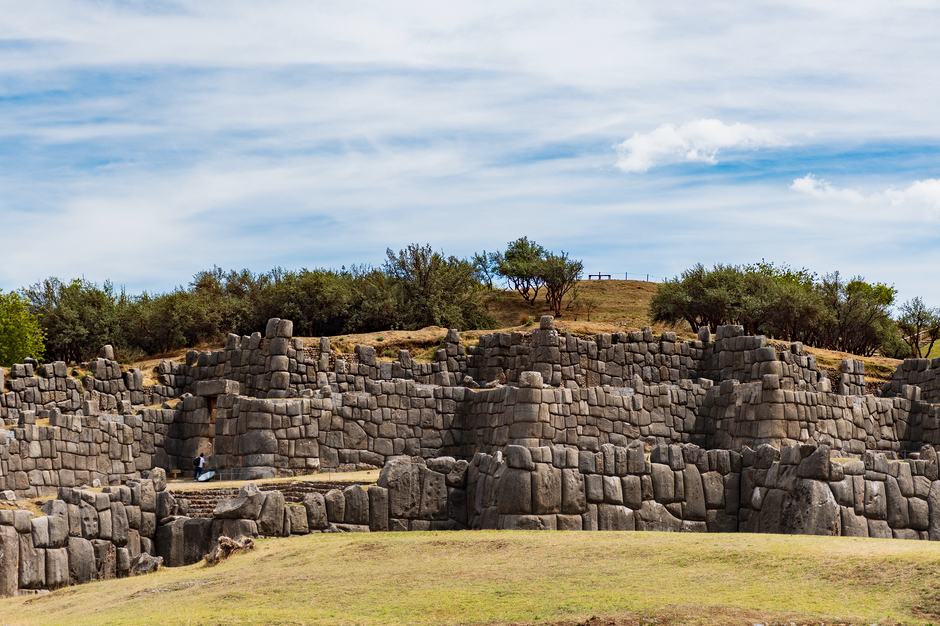
Explore the ancient Inca ruins of Sacsayhuamán in Cusco, Quillabamba, Peru
FAQs: Your Quillabamba, Peru Questions Answered
1. Is Quillabamba, Peru safe at night?
Quillabamba is generally safe, but standard precautions apply. The central plaza and main streets are lively and fine in the evening. Stick to well-lit areas, avoid displaying valuables, and use registered *mototaxis* for transport after dark. Petty theft is the main concern, not violent crime.
2. What currency is used and are credit cards accepted?
The Peruvian Sol (PEN/S/) is the currency. Carry cash—many smaller restaurants, markets, and transport operators do not accept credit cards. A few larger hotels and upscale restaurants might accept Visa. ATMs are available around the Plaza de Armas.
3. How do I get from the airport (Cusco) to Quillabamba?
You’ll need to take ground transport from Cusco’s airport. First, take a taxi (S/ 15) to the **Terminal Terrestre** (bus station). From there, companies like **Transportes Kintu** and **Turismo Ampay** run regular buses and faster *colectivos* to Quillabamba (6-7 hours, S/ 25-40). Book airport transfers in Cusco at GetYourGuide for convenience.
4. Do I need to speak the local language?
Yes, basic Spanish is highly recommended and will vastly improve your experience. English is not widely spoken outside of a handful of tourist-oriented tour operators. Learning a few key phrases shows respect

