
Queen Elizabeth National Park, Uganda: Amazing Tree-Climbing Lions, Volcanic Craters & Kazinga Channel Cruises (2026)
Sunrise over the Kazinga Channel reveals a scene of improbable abundance: hundreds of hippos grunting in the shallows, a parade of elephants marching to drink, and a fish eagle’s cry piercing the mist. This 1,978-square-kilometer park, where the vast East African savanna meets the misty peaks of the Rwenzori Mountains, hosts 95 mammal species and over 600 bird species—a biodiversity hotspot that savvy travelers are discovering offers a more intimate, varied safari experience than its famous neighbors, often at half the daily cost.
Why Queen Elizabeth National Park, Uganda Stands Out

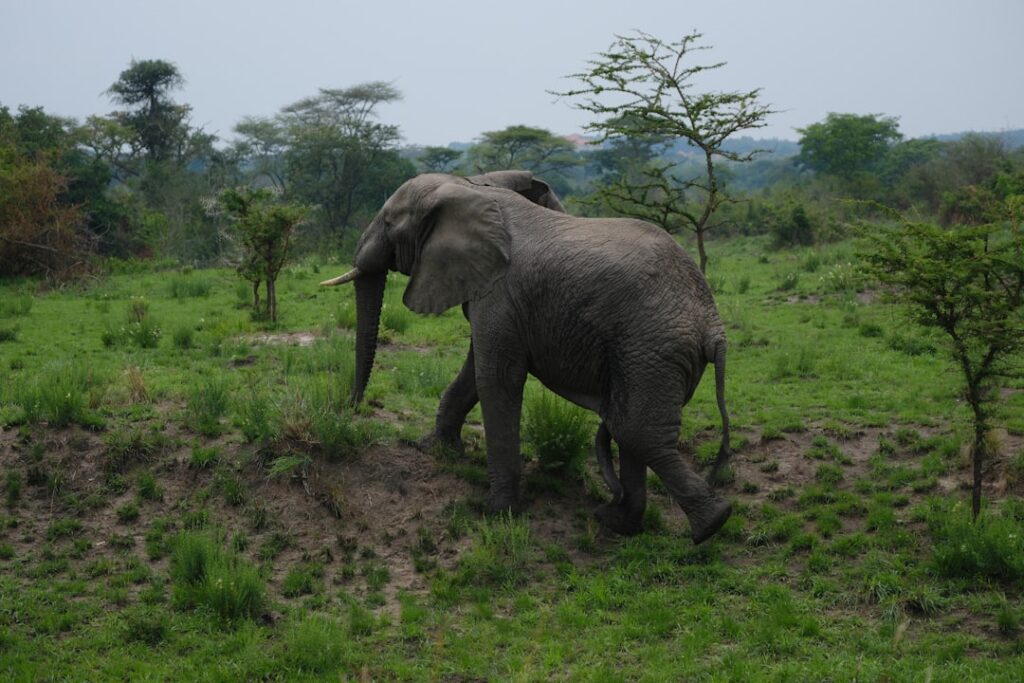
An elephant walks across the african savanna., Queen Elizabeth National Park, Uganda
- Historic Architecture: The historic Mweya Safari Lodge, built in the 1950s on a dramatic peninsula, offers panoramic views of the Kazinga Channel and serves as a timeless base for exploration.
- Cultural Scene: A visit to the nearby Kikorongo Women’s Community offers an authentic glimpse into local life, where you can learn traditional basket weaving and dance.
- Local Specialties: Don’t miss tasting fresh, grilled Nile Perch (Samaki), often served at lodge restaurants, caught straight from the park’s lakes.
Pro Tip: The absolute best time for game viewing is during the dry seasons from June to August and December to February, but for birders, the wetter months from March to May bring spectacular migratory species. To avoid the few crowds that exist, target the very beginning or end of the dry seasons.
Map of Queen Elizabeth National Park, Uganda
Use these interactive maps to explore Queen Elizabeth National Park, Uganda and plan your route:
📍 View Queen Elizabeth National Park, Uganda on OpenStreetMap
🗺️ Open Queen Elizabeth National Park, Uganda in Google Maps
Planning Your Trip: Practical Essentials
Getting There and Around
- By Air: The nearest airstrip is Kasese Airstrip, served by domestic flights from Entebbe International Airport (EBB) via Aerolink Uganda. From Kasese, it’s a 1-hour transfer to the park. Book flights at Skyscanner for best deals.
- By Train: There is no direct passenger train service to the park. The most reliable access is by road or air.
- By Car: The park is a 5-6 hour drive from Kampala via Fort Portal. A 4×4 vehicle is essential for navigating park tracks, especially in the rainy season. Compare car rentals at RentalCars.com.
- Local Transport: Within the park, transport is almost exclusively via guided safari vehicles. You’ll book these as part of a tour package or through your lodge. There is no public transport inside the protected area.
Best Time to Visit
Queen Elizabeth National Park offers year-round wildlife viewing, but your experience will vary dramatically with the seasons. The dry seasons promise easier animal spotting as wildlife congregates around water sources, while the green seasons transform the landscape into a lush, bird-rich paradise.
| Season | Weather | Highlights |
|---|---|---|
| Dry Season (Jun–Aug, Dec–Feb) | Warm, sunny days (25-29°C), low humidity, very little rain. | Prime game viewing, especially in the Kasenyi Plains; best photography light; high season for tourism. |
| Wet Season (Mar–May, Sep–Nov) | Warmer (27-30°C), high humidity, afternoon thunderstorms likely. | Lush, green scenery; spectacular birding; lower rates and fewer visitors; newborn animals. |
| Shoulder (Late Feb, Late Aug) | Transitional, mix of sun and brief showers. | Good balance of wildlife viewing and manageable crowds; landscapes beginning to change. |
Budgeting for Queen Elizabeth National Park, Uganda

A hippopotamus swimming in a body of water, Queen Elizabeth National Park, Uganda
| Category | Budget | Mid-range | Luxury |
|---|---|---|---|
| Accommodation | $30-80/night (basic bandas/camping) | $150-300/night (comfortable lodges) | $400-800+/night (premium safari lodges) |
| Meals | $10-15/day (lodge restaurant) | $25-40/day (full board at lodge) | $60-100/day (gourmet dining included) |
| Transport | $50/day (shared safari vehicle) | $100-150/day (private 4×4 hire) | $250+/day (exclusive vehicle & guide) |
| Activities | $30 (park entry fee per day) | $30-80 (guided game drive or boat cruise) | $150+ (private boat charter, chimp tracking) |
| Daily Total | $120-175 | $300-550 | $850+ |
Top Attractions and Must-See Sights
| Attraction | Description | Hours | Entry Fee |
|---|---|---|---|
| Kazinga Channel Boat Cruise | A 2-hour wildlife spectacle by water, offering unparalleled views of hippos, crocodiles, elephants, and hundreds of birds. | Departs 11:00, 15:00, & 17:00 | $30 per person |
| Ishasha Sector (Tree-Climbing Lions) | The park’s remote southern sector, famous for its unique population of lions that lounge in the branches of fig trees. | Park gates open 7:00-19:00 | Included in park fee ($40 foreign adult) |
| Kyambura Gorge Chimpanzee Trekking | A “underground forest” experience tracking habituated chimpanzee families through a dramatic 100-meter-deep gorge. | Treks at 8:00 & 14:00 | $50 per person |
| Katwe Salt Lake Tour | Visit a traditional salt mining community on Lake Katwe for a fascinating insight into a centuries-old local industry. | Tours 9:00-16:00 | $15 per person |
3-Day Itinerary: Queen Elizabeth National Park, Uganda’s Highlights & Hidden Gems
Day 1: Kazinga Channel & Mweya Peninsula
- Morning: 7:00 AM game drive on the Kasenyi Plains. Your best bet is to look for lions on the hunt and large herds of Uganda kob. A guided drive costs approx. $80 per person.
- Afternoon: Check into your lodge on the Mweya Peninsula. Have lunch at the Mweya Safari Lodge restaurant (try the Nile Perch). At 3:00 PM, take the legendary Kazinga Channel boat cruise ($30).
- Evening: Sundowner drinks at the lodge’s terrace overlooking the channel, followed by a bush dinner under the stars (book in advance).
Day 2: Volcanic Landscapes & Cultural Insight
- Morning: Early drive to the explosive crater lakes region north of the park. The 27-mile drive along the Crater Drive offers breathtaking views of lakes like Nyamunuka and Katwe. Stop for photos—it’s free with your park ticket.
- Afternoon: Take the 2-hour Katwe Salt Lake tour ($15) to see the arduous salt extraction process. For lunch, enjoy a packed picnic. Later, visit the Kikorongo Women’s Community for basket weaving (small donation appreciated).
- Evening: Relax at your lodge. Seasoned travelers recommend a night game drive (approx. $40) to spot nocturnal creatures like genets, porcupines, and maybe a leopard.
Day 3: Chimp Trekking & The Remote South
- Morning: Transfer early to Kyambura Gorge (1-hour drive). Embark on the 8:00 AM chimpanzee trekking experience ($50). The trek can last 1-3 hours through a stunning, rainforest-filled gorge.
- Afternoon: Begin the scenic 2.5-hour drive to the remote Ishasha Sector. Have a packed lunch en route. Upon arrival, head straight for an afternoon game drive to search for the famous tree-climbing lions lounging in fig trees.
- Evening: Stay at a simple camp in Ishasha like Ishasha Wilderness Camp for a truly wild, off-grid final night, listening to the sounds of the savanna.
Cultural Insights & Etiquette
- Language: The official language is English, widely spoken in tourism. Learning a few Luganda phrases like “Webale” (Thank you) or “Oli otya?” (How are you?) is greatly appreciated.
- Customs: Always greet people politely before any transaction or question. It’s respectful to use your right hand for giving/receiving items, including money. Always ask permission before photographing local people.
- Tipping: Tipping is customary for good service. For your safari guide, consider $10-$15 per day per guest. For lodge staff, a collective tip box is often available.
- Dress Code: Dress modestly when visiting communities outside the park. Neutral-colored clothing (khaki, green, brown) is best for game drives. Evenings can be cool, so pack a light jacket.
- Business Hours: Park gates are strictly open from 7:00 AM to 7:00 PM. Lodges and tour operators run on flexible schedules aligned with safari activities.
Where to Eat: Queen Elizabeth National Park, Uganda’s Best Bites
Dining in the park is almost exclusively lodge-based, focusing on hearty, fresh meals to fuel your adventures. You’ll typically be on a full-board plan. The cuisine is a mix of international and local Ugandan dishes, with an emphasis on fresh produce and, often, fantastic barbecue (nyama choma).
Must-Try Local Specialties
- Grilled Nile Perch (Samaki): A firm, white fish from the park’s own lakes, often grilled whole with lemon and local spices. Best tried at Mweya Safari Lodge’s restaurant.
- Matoke: Steamed green bananas, a Ugandan staple, often served as a savory side dish with stews. Most lodges include it in their buffet.
- Roasted Goat Meat (Nyama Choma): A classic East African celebration dish. If your lodge hosts a bush dinner, this is likely the centerpiece.
Restaurant Recommendations by Budget
| Type | Restaurant | Specialty | Price Range |
|---|---|---|---|
| Budget | Simba Safari Camp Canteen (near gate) | Simple, hearty Ugandan meals like beans & rice | $5-10 per meal |
| Mid-range | Mweya Safari Lodge Restaurant | Grilled Nile Perch with panoramic channel views | $15-25 per meal |
| Fine dining | Kyambura Gorge Lodge Dining | Multi-course gourmet dinners with organic ingredients | Part of luxury all-inclusive rate |
Where to Stay
Accommodation ranges from basic campsites to ultra-luxurious lodges, typically clustered in three main areas: the Mweya Peninsula for channel views, the northern sector for crater lakes, and the remote Ishasha for tree-climbing lions. Compare prices and book at Booking.com or Airbnb for apartments in gateway towns like Kasese.
Best Neighborhoods for Accommodation
- Mweya Peninsula: The park’s hub, offering stunning Kazinga Channel views, easy access to the boat cruise, and several lodge options. Best for first-time visitors and those wanting convenience.
- Northern Sector (Crater Lakes): More secluded and scenic, with lodges perched overlooking volcanic crater lakes. Ideal for travelers seeking tranquility and dramatic landscapes.
- Ishasha Sector: Remote and wild, with basic to mid-range tented camps. This is for the dedicated wildlife enthusiast who wants multiple chances to see the unique tree-climbing lions.

A majestic African elephant walking through the grassy savanna of Western Uganda, Queen Elizabeth National Park, Uganda
FAQs: Your Queen Elizabeth National Park, Uganda Questions Answered
1. Is Queen Elizabeth National Park, Uganda safe at night?
Within the park confines and at your lodge, it is very safe. However, you are in a wild area with dangerous animals. Never walk outside your accommodation at night without an armed guide. Always follow your lodge’s safety instructions explicitly.
2. What currency is used and are credit cards accepted?
The Ugandan Shilling (UGX) is the local currency. US Dollars are widely accepted for park fees and at larger lodges. Credit cards (Visa/Mastercard) are accepted at most mid-range and luxury lodges, but always carry sufficient cash (USD or UGX) for tips, community visits, and smaller expenses, as network connectivity can be unreliable.
3. How do I get from the airport to the park?
From Entebbe International Airport (EBB), you have two main options: a 5-6 hour private transfer by 4×4 vehicle (approx. $200-$300 one-way) or a 1-hour domestic flight to Kasese Airstrip followed by a lodge transfer. The flight is more expensive but saves time. Book airport transfers at GetYourGuide for convenience.
4. Do I need to speak the local language?
No. English is an official language and is spoken by all safari guides, lodge staff, and park rangers. Learning a few basic greetings in Luganda, however, will earn you warm smiles and is a sign of great respect.
5. What’s the appropriate dress code?
For game drives, wear neutral-colored, comfortable clothing. Long sleeves and pants are recommended for sun and insect protection. Evenings are casual at lodges. If visiting local villages, dress modestly (covered shoulders and knees). A wide-brimmed hat, sunglasses, and sturdy shoes are essential.
Final Thoughts: Queen Elizabeth National Park, Uganda Awaits
Queen Elizabeth National Park delivers the quintessential African safari with a uniquely Ugandan twist. Where else can you track chimps in a sunken rainforest, cruise past bathing elephants, and search for lions in trees—all within a single, breathtakingly diverse landscape? It’s a destination that rewards the curious traveler with intimacy and adventure far from the crowded safari circuits. Your best bet for an unforgettable trip is to embrace both the iconic game drives and the deeper cultural encounters. Don’t just watch the wildlife from a vehicle; take the boat cruise, meet the salt miners, and listen to the stories of the guides. This park isn’t just a place to see Africa—it’s a place to feel its vibrant, untamed pulse.

