
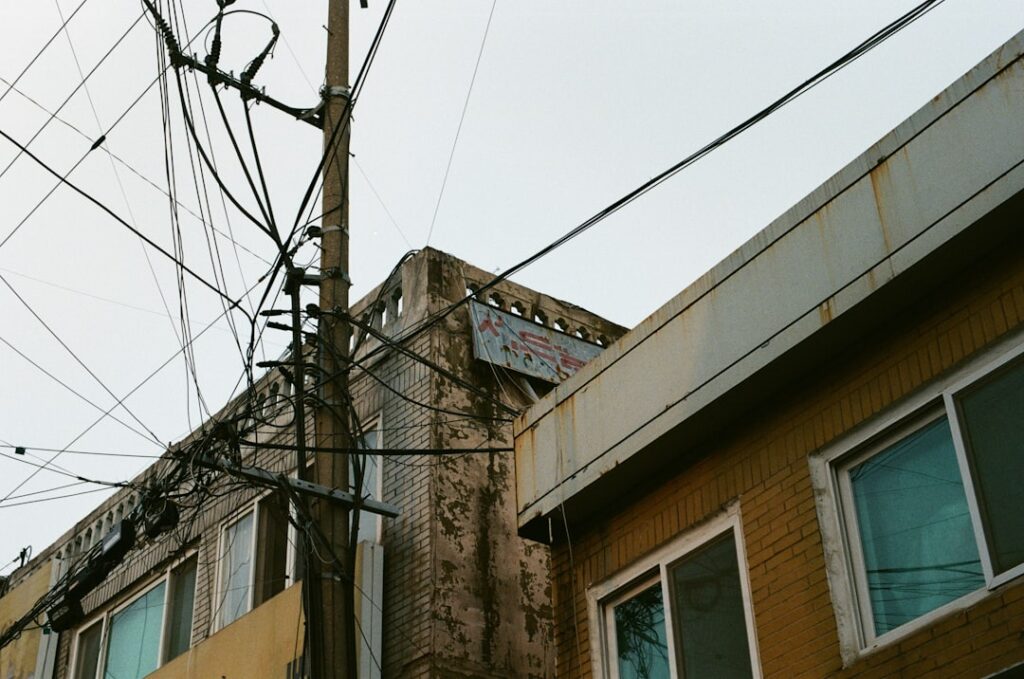
Pyeongtaek, South Korea: Incredible Military History, Rural Vineyards & Spicy Stews (2026)
While crowds flock to Seoul’s palaces and Busan’s beaches, Pyeongtaek, South Korea delivers a raw, authentic slice of modern Korean life without the tourist premiums. Just 70km south of the capital, this city of over 500,000 is where centuries-old farming traditions meet a dynamic, international community shaped by the presence of Camp Humphreys, the largest U.S. overseas military base. Here, you’ll find family-run vineyards producing award-winning *meoru* (Korean grape) wine next to bustling “Outside the Gate” districts serving bulgogi tacos. This is Korea in transition, offering a compelling narrative you won’t find in any guidebook.
Why Pyeongtaek, South Korea Stands Out

White and blue bus on road during daytime, Pyeongtaek, South Korea
- Historic Architecture: The 9th-century Bongseon Temple, nestled on Mount Seolseong, features a serene Daeungjeon main hall and offers a glimpse into Korea’s Silla Dynasty Buddhist heritage.
- Cultural Scene: The annual Pyeongtaek Nongak (Farmers’ Music) Festival in October is a vibrant display of traditional percussion, dancing, and colorful costumes rooted in local agricultural life.
- Local Specialties: Travelers must try *Pyeongtaek Sundae Gukbap*, a hearty soup with Korean blood sausage, rice, and offal, known for its rich, peppery broth that locals swear by for curing hangovers.
Pro Tip: Visit on a weekday to explore the areas around Camp Humphreys (Paengseong-gu). Weekends see a surge in traffic and crowds at popular restaurants and bars. For the vineyards, aim for late August to early October during the grape harvest for the most active and scenic experience.
Map of Pyeongtaek, South Korea
Use these interactive maps to explore Pyeongtaek, South Korea and plan your route:
📍 View Pyeongtaek, South Korea on OpenStreetMap
🗺️ Open Pyeongtaek, South Korea in Google Maps
Planning Your Trip: Practical Essentials
Getting There and Around
- By Air: Incheon International Airport (ICN) is the closest major hub, about a 90-minute drive. Gimpo Airport (GMP) is slightly closer for domestic flights. From Incheon, take a direct airport bus (approx. ₩15,000, every 90 mins) or a taxi (₩70,000-90,000). Book flights at Skyscanner for best deals.
- By Train: Pyeongtaek Station is on the major KTX (high-speed rail) line. A KTX from Seoul Station takes just 30 minutes (₩12,400). The slower Mugunghwa train takes about 1 hour (₩5,500). Reserve tickets at Trainline or the national railway website.
- By Car: Pyeongtaek is easily accessible via the Gyeongbu Expressway (Route 1). Driving offers flexibility for visiting rural vineyards. Parking is generally easy and affordable. Compare car rentals at RentalCars.com.
- Local Transport: The city bus network is extensive but can be confusing for non-Korean speakers. Taxis are affordable; a base fare starts around ₩3,800. For ease, use the Kakao T app (similar to Uber). There is no subway system within Pyeongtaek itself.
Best Time to Visit
Pyeongtaek experiences four distinct seasons. The most pleasant times are during the shoulder seasons when the weather is mild and perfect for outdoor exploration.
| Season | Weather | Highlights |
|---|---|---|
| Summer (Jun–Aug) | Hot (25-35°C/77-95°F) and humid with monsoon rains in July. | Lush green landscapes; vibrant night markets near the base. Can be crowded and uncomfortable for extensive walking. |
| Winter (Dec–Feb) | Cold ( -5 to 5°C/23-41°F) and dry, with occasional snow. | Perfect for hearty stews like *Sundae Gukbap*; fewer crowds; stark beauty in the rural areas. Bundle up! |
| Shoulder (Apr–May/Sep–Oct) | Mild (10-22°C/50-72°F), low humidity, sunny days. | Ideal for temple visits, vineyard tours, and hiking. September-October coincides with the grape harvest and cultural festivals. |
Budgeting for Pyeongtaek, South Korea

A group of tall buildings sitting next to each other, Pyeongtaek, South Korea
| Category | Budget | Mid-range | Luxury |
|---|---|---|---|
| Accommodation | ₩40,000-60,000 (hostel/guesthouse) | ₩80,000-120,000 (business hotel) | ₩150,000+ (design hotel/suite) |
| Meals | ₩6,000-10,000 (street food, casual meals) | ₩15,000-25,000 (sit-down restaurant) | ₩40,000+ (fine dining, premium Korean BBQ) |
| Transport | ₩5,000 (local buses) | ₩20,000 (taxis/short rentals) | ₩80,000+ (private driver/full-day rental) |
| Activities | Free (hiking, temple grounds) | ₩10,000-20,000 (museum entry, wine tasting) | ₩50,000+ (private guided tours) |
| Daily Total | ₩50,000-75,000 | ₩115,000-165,000 | ₩300,000+ |
Top Attractions and Must-See Sights
| Attraction | Description | Hours | Entry Fee |
|---|---|---|---|
| Bongseonsa Temple | A historic Buddhist temple complex from the Silla Dynasty, offering serene hiking trails and panoramic views from Mount Seolseong. | Sunrise to Sunset | Free (small donation appreciated) |
| Pyeongtaek Port & Jinnam Maritime Park | A revitalized port area with a scenic park, observatory, and fresh seafood restaurants, perfect for a leisurely stroll. | Park: 24/7 | Free |
| Pyeongtaek University Museum | An excellent museum detailing the region’s history from prehistoric times through the Korean War and its modern transformation. | 10:00-17:00 (Closed Mon) | ₩2,000 |
| Local Vineyards (e.g., Pyeongtaek Grape Farm) | Experience Korea’s burgeoning wine scene with tours and tastings of local *meoru* wine in the picturesque rural outskirts. | Varies by farm (call ahead) | Tasting: ₩10,000-20,000 |
3-Day Itinerary: Pyeongtaek, South Korea’s Highlights & Hidden Gems
Day 1: Historic Roots & Modern Ports
- Morning (7-9 AM): Start with an energizing hike up Mount Seolseong to Bongseonsa Temple. The morning light through the ancient pines is magical, and you’ll likely have the trails to yourself. Wear good shoes.
- Afternoon (12-3 PM): Take a taxi to Pyeongtaek Port. Explore Jinnam Maritime Park and its observatory. For lunch, head to **Haemultang Alley** for a spicy seafood stew (*haemultang*) at a restaurant like **Jinmi Sikdang**.
- Evening (6-8 PM): Experience the local specialty at **Pyeongtaek Sundae Gukbap Alley** near Sinpyeongtaek Station. Try **Sundae Sarang** for an authentic, bustling meal. Afterwards, stroll through the lively Jungang-dong shopping district.
Day 2: Culture, Cuisine & The “Outside the Gate” Vibe
- Morning (10 AM): Visit the Pyeongtaek University Museum (₩2,000) for a deep dive into the region’s layered history, from ancient artifacts to the Korean War era.
- Afternoon (1 PM): Explore the “Outside the Gate” area near Camp Humphreys’ main gate in Paengseong-gu. This is a cultural microcosm. Have a late lunch at **Texas Street**, trying fusion fare like kimchi quesadillas at **The Holy Grill**.
- Evening (7 PM): Dive into the local night scene. Savvy visitors know to check out **Pyeongtaek Global Village Street Market** (if operating) or simply hop between the unique pubs and bars in the area, like **Maguire’s**, for a pint and people-watching.
Day 3: Rural Vineyards & Scenic Countryside
- Morning (10 AM): Rent a car or book a taxi for the day (approx. ₩80,000) to explore the rural Anjung-eup area. Your first stop is a vineyard like **Pyeongtaek Grape Farm** for a tour and wine tasting (₩15,000).
- Afternoon (1 PM): Enjoy a countryside lunch at a local *minbak* (guesthouse) serving home-cooked meals or find a restaurant specializing in *dakhanmari* (whole chicken stew). Then, visit a nearby **Strawberry Farm** (in season, Dec-May) for picking.
- Evening (6 PM): Return to the city. For your final dinner, savor premium Korean BBQ at **Maple Tree House Pyeongtaek** in Godeok International City, known for its high-quality hanwoo (Korean beef).
Cultural Insights & Etiquette
- Language: Korean is the primary language. Learn basic phrases: *Annyeonghaseyo* (Hello), *Gamsahamnida* (Thank you), *Pyeongtaek Sundae Gukbap juseyo* (Please give me Pyeongtaek Sundae Soup). Around the base, English is widely spoken in businesses.
- Customs: Always receive items (money, gifts) with two hands, or with your right hand while your left hand supports your right forearm. When drinking with elders, turn your head away to sip.
- Tipping: Tipping is not a standard practice in Korea. It’s not expected in taxis, restaurants, or hotels. Some upscale Western-style restaurants may add a service charge.
- Dress Code: Modesty is appreciated, especially when visiting temples. Cover shoulders and knees. In everyday settings, dress is casual but neat.
- Business Hours: Most shops open 10:00-20:00. Restaurants typically run 11:00-22:00, with last orders around 21:30. Many close on major holidays like Seollal (Lunar New Year) and Chuseok (Korean Thanksgiving).
Where to Eat: Pyeongtaek, South Korea’s Best Bites
Pyeongtaek’s food scene is a thrilling hybrid. You’ll find exceptional, time-honored Korean eateries alongside a melting pot of international flavors catering to the diverse community around Camp Humphreys. Don’t miss the chance to eat where the locals do.
Must-Try Local Specialties
- Pyeongtaek Sundae Gukbap: This is the city’s signature dish—a peppery, offal-based soup with rice and blood sausage. It’s rich, savory, and deeply comforting. Head to the dedicated alley near Sinpyeongtaek Station for the best versions.
- Meoru (Korean Grape) Wine: The surrounding countryside is grape-growing land. The local *meoru* variety produces a unique, often sweet, red wine. Visit a vineyard for a tasting or pick up a bottle at a local market.
- Anjung Dakhanmari: A hearty stew from the Anjung area featuring a whole chicken stuffed with rice, ginseng, jujubes, and garlic, boiled in a clear, healthful broth. It’s a meal designed for sharing.
Restaurant Recommendations by Budget
| Type | Restaurant | Specialty | Price Range |
|---|---|---|---|
| Budget | **Sundae Sarang** (Sinpyeongtaek Alley) | Authentic, no-frills Sundae Gukbap | ₩7,000-9,000 per bowl |
| Mid-range | **Jinmi Sikdang** (Pyeongtaek Port) | Fresh, spicy Haemultang (seafood stew) | ₩25,000-40,000 for a pot for two |
| Fine dining | **Maple Tree House** (Godeok) | Premium Hanwoo (Korean beef) BBQ | ₩50,000+ per person |
Where to Stay
Accommodation in Pyeongtaek ranges from practical business hotels to unique guesthouses. Key areas are near the main train station (Jungang-dong) for convenience, or in Paengseong-gu near Camp Humphreys for a more international vibe. Compare prices and book at Booking.com or Airbnb for apartments.
Best Neighborhoods for Accommodation
- Jungang-dong (Central District): Centered around Pyeongtaek Station. Pros: Best transport links, traditional markets, central location. Cons: Can be noisy. Suits: First-time visitors and those using public transport.
- Paengseong-gu (Near Camp Humphreys): The “Outside the Gate” area. Pros: Vibrant international dining/nightlife, English widely spoken, unique cultural blend. Cons: Further from historic sites. Suits: Travelers interested in the modern military culture and fusion food.
- Godeok International City: A newer, planned district. Pros: Clean, modern, with upscale restaurants and cafes. Cons: Less traditional character, requires taxis to get around. Suits: Travelers seeking a quieter, more contemporary stay.

Explore a bustling street in Korea, Pyeongtaek, South Korea
FAQs: Your Pyeongtaek, South Korea Questions Answered
1. Is Pyeongtaek, South Korea safe at night?
Yes, Pyeongtaek is generally very safe. Violent crime is rare. As in any city, practice standard precautions: be aware of your surroundings in crowded nightlife areas, especially in Paengseong-gu. Taxis are a safe and affordable way to get around after dark.
2. What currency is used and are credit cards accepted?
The South Korean Won (₩) is the

