
Puerto Suárez, Bolivia’s Hidden Gateway, Wetlands & Cross-Border Charm (2025)
While crowds flock to the Pantanal via Brazil, savvy travelers know the Bolivian side offers a more authentic, affordable, and uncrowded entry point. Puerto Suárez, Bolivia, a town of 20,000 on the edge of the world’s largest tropical wetland, delivers this raw, natural spectacle for a fraction of the cost. Here, your adventure begins not in a packed tourist lodge, but in a frontier town where the call of howler monkeys is your morning alarm and a boat ride into the wilderness costs less than a fancy dinner elsewhere.
Why Puerto Suárez, Bolivia Stands Out
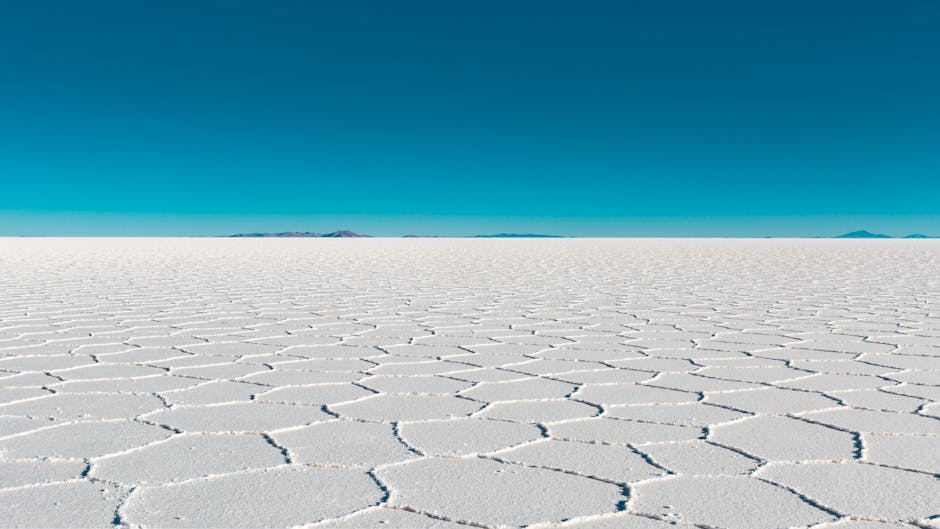
Vast salar with geometric patterns under a clear blue sky in Bolivia’s Uyuni., Puerto Suárez, Bolivia
- Historic Architecture: The 1910s-era Customs House (Aduana Nacional) stands as a testament to the town’s birth as a crucial river port during the rubber boom, its faded grandeur hinting at a once-bustling past.
- Cultural Scene: The annual Festival de la Integración in September celebrates the unique cross-border culture with Brazil, featuring vibrant music, dance, and sporting competitions that you won’t find in the interior.
- Local Specialties: You must try *Sopa de Maní*, a rich, savory peanut soup often served with chicken or beef, a comforting staple that reflects the region’s agricultural bounty.
Pro Tip: The absolute best time to visit is during the dry season from May to October. Water levels are lower, concentrating wildlife around lagoons and rivers, making animal sightings spectacular. More importantly, the mosquito population is drastically reduced, transforming your experience from defensive to delightful.
Map of Puerto Suárez, Bolivia
Use these interactive maps to explore Puerto Suárez, Bolivia and plan your route:
📍 View Puerto Suárez, Bolivia on OpenStreetMap
🗺️ Open Puerto Suárez, Bolivia in Google Maps
Planning Your Trip: Practical Essentials
Getting There and Around
- By Air: The nearest major airport is Corumbá International (CMG) in Brazil, just 10km away. From there, a short taxi ride crosses the border to Puerto Suárez. For domestic Bolivian flights, Viru Viru International (VVI) in Santa Cruz is the main hub, requiring a 12-hour bus or connecting flight. Book flights at Skyscanner for best deals.
- By Train: The iconic *Expreso Oriental* train connects Santa Cruz to Puerto Quijarro (the twin city of Puerto Suárez). The journey takes approximately 13 hours and is an adventure in itself, traversing the Chiquitania region. Reserve tickets at the Ferroviaria Oriental website or local stations.
- By Car: Driving from Santa Cruz involves taking Highway 4 (RN4) east for about 650km. The road is paved but can be monotonous. Parking is generally easy in town. Compare car rentals at RentalCars.com if starting in Santa Cruz.
- Local Transport: *Micros* (shared minivans) and *trufis* (shared taxis on fixed routes) are the main public transport, costing about Bs. 3-5 per ride. For Pantanal tours, transport is always included in boat or 4×4 packages. Motorcycle taxis are also ubiquitous for short trips.
Best Time to Visit
Your experience in Puerto Suárez is dictated by the dramatic wet and dry seasons of the Pantanal. The dry season is prime for wildlife viewing, while the wet season transforms the landscape into a vast, navigable aquatic paradise.
| Season | Weather | Highlights |
|---|---|---|
| Dry Season (May–Oct) | Warm, sunny days (25-35°C/77-95°F), low humidity, very little rain. | Excellent wildlife spotting, fewer insects, best for hiking and boat tours. Peak tourist season for the Pantanal. |
| Wet Season (Nov–Apr) | Hot, humid, and wet (28-38°C/82-100°F), with frequent heavy afternoon storms. | Lush green landscapes, incredible birdwatching, water-based access deeper into wetlands. Fewer visitors and lower prices. |
| Shoulder (Apr/Oct) | Transitional weather; can be unpredictable with occasional rain. | A good balance with decent wildlife and manageable heat. You may catch the changing water levels. |
Budgeting for Puerto Suárez, Bolivia

Dramatic aerial shot of Valle de las Animas in La Paz Department, Puerto Suárez, Bolivia
| Category | Budget | Mid-range | Luxury |
|---|---|---|---|
| Accommodation | Hostel/Basic Hospedaje: Bs. 80-150/night | Comfortable Hotel: Bs. 250-450/night | All-Inclusive Lodge: $80-$150+/night |
| Meals | Market/Street Food: Bs. 15-30 per meal | Local Restaurant: Bs. 40-70 per meal | Lodge Dining: Included or Bs. 100+ |
| Transport | Local Micros/Trufis: Bs. 5 per ride | Private Taxis in town: Bs. 10-20 per trip | Private Transfers/Tour Vehicles: Included |
| Activities | Plaza walks, Laguna Cáceres view | Half-day Pantanal boat tour: ~Bs. 150-250 | Multi-day all-inclusive Pantanal safari |
| Daily Total | Bs. 150-250 ($22-36) | Bs. 400-700 ($58-100) | $100-$250+ |
Top Attractions and Must-See Sights
| Attraction | Description | Hours | Entry Fee |
|---|---|---|---|
| Pantanal Boliviano Boat Tour | Journey from Puerto Suárez into the northern wetlands to spot caimans, capybaras, and hundreds of bird species. | Tours depart 8 AM & 2 PM (3-4 hrs) | ~Bs. 200 per person (group rate) |
| Laguna Cáceres | A vast lake on the town’s doorstep, perfect for sunset views, birdwatching, and understanding the region’s aquatic ecosystem. | Accessible 24/7 | Free |
| Mercado Municipal | The bustling heart of local life; a sensory overload of fresh produce, river fish, and everyday goods. | 6:00 AM – 6:00 PM daily | Free |
| Border Crossing to Corumbá (BR) | A cultural experience in itself; cross to Brazil for a day to compare the two sides of the Pantanal and the twin cities. | Border open 24/7 | Free (have passport/visa ready) |
3-Day Itinerary: Puerto Suárez, Bolivia’s Highlights & Hidden Gems
Day 1: Arrival & Aquatic Immersion
- Morning (7-9 AM): After breakfast at your hotel, head straight to the *muelle* (dock) to arrange a boat tour. Your best bet is to go with a group from your hotel or a recommended guide like those from **Tours Pantanal Boliviano**. Morning tours offer the best light and animal activity.
- Afternoon (12-3 PM): Return from the wetlands and have lunch at **Restaurant Don Pepe** near the market, ordering the *Surubí a la Parrilla* (grilled giant catfish). Afterwards, wander through the **Mercado Municipal** to see the day’s catch and local produce.
- Evening (6-8 PM): Take a moto-taxi to the shores of **Laguna Cáceres** for a spectacular sunset. For dinner, try the hearty *Sopa de Maní* at **Comedor Mary**, a no-frills spot loved by locals.
Day 2: History, Culture & Cross-Border Exploration
- Morning (8 AM): Start with a walking tour of the town center. See the historic **Customs House (Aduana)** and the **Iglesia San José**. Then, visit the small but informative **Museo Histórico de Puerto Suárez** (Bs. 10 entry) to understand the rubber boom era.
- Afternoon (1 PM): Grab your passport and take a taxi to the **Bolivia-Brazil border**. Walk across the bridge into **Corumbá, Brazil**. Have lunch at **Restante Porto** for fantastic river views and Brazilian-style grilled meats. Explore Corumbá’s more developed waterfront.
- Evening (7 PM): Return to Puerto Suárez. For your final night, enjoy a relaxed dinner at **Pizzería El Trigal**—a surprising local favorite for its wood-fired pizzas and cold Paceña beer.
Day 3: Deeper into the Wetlands or Local Life
- Morning (7 AM): **Option A (Nature):** Book a longer, full-day boat excursion (Bs. 400-500) that goes deeper into the *ríos* (rivers) like the Río Negro for a higher chance of spotting anacondas, giant otters, and perhaps even a jaguar. **Option B (Culture):** If it’s a weekend, visit a local *finca* (farm) to see cattle ranching, a major economic activity. Arrange this through your hotel.
- Afternoon (1 PM): For Option A, you’ll have a packed lunch on the boat. For Option B, have a late lunch back in town at **Churrasquería El Establo**.
- Evening (6 PM): Do some last-minute souvenir shopping for local crafts at the market stalls. Enjoy a farewell drink at a simple bar like **Bar Miramar**, soaking in the frontier-town atmosphere before your departure.
Cultural Insights & Etiquette
- Language: Spanish is the official language. Portuguese is widely understood due to the border. Learn a few phrases: “*Buenos días*” (Good morning), “*¿Cuánto cuesta?*” (How much?), “*La cuenta, por favor*” (The bill, please).
- Customs: Life moves slower here. Practice patience. Greetings are important; a simple “*buenos días/tardes*” when entering a shop is polite. Haggling is acceptable in markets but do so respectfully.
- Tipping: Not mandatory but appreciated. In restaurants, rounding up the bill or leaving 5-10% is fine. For tour guides, consider Bs. 20-50 per person for a good half/full-day tour.
- Dress Code: Casual, practical, and breathable clothing is key. For the Pantanal, wear long, light-colored pants and long sleeves for sun and insect protection. Swimwear is only for private lodge pools, not in town.
- Business Hours: Typical hours are 8:00 AM – 12:00 PM and 2:30 PM – 6:30 PM, with a long midday siesta. Many businesses close on Sunday. Government offices keep morning-only hours.
Where to Eat: Puerto Suárez, Bolivia’s Best Bites
Dining in Puerto Suárez is a lesson in frontier practicality and river bounty. You’ll find simple, family-run *comedores* serving hearty, meat-and-rice-based plates, with fish straight from the Paraguay River system being the undeniable star.
Must-Try Local Specialties
- Surubí a la Parrilla: This giant catfish, grilled whole or in steaks over wood fire, is succulent and mildly flavored. Best tried at riverside restaurants like **Restaurant Don Pepe**.
- Sopa de Maní: A uniquely Bolivian comfort food, this thick, savory peanut soup often includes pasta, potatoes, and meat. **Comedor Mary** serves an excellent, authentic version.
- Majao: A regional dish of fried rice with charque (dried beef), onions, and spices, often topped with a fried egg. Look for it on lunch menus at local *almuerzo* spots.
Restaurant Recommendations by Budget
| Type | Restaurant | Specialty | Price Range |
|---|---|---|---|
| Budget | Comedor Mary (Town Center) | Hearty daily *almuerzos* (set lunches) and Sopa de Maní | Bs. 15-30 |
| Mid-range | Restaurant Don Pepe (Near Market) | Fresh river fish, especially grilled Surubí | Bs. 40-80 |
| Fine dining | Pizzería El Trigal (Main Plaza Area) | The closest you’ll get to “fine dining”; excellent pizzas and a good wine list for the area. | Bs. 70-120 |
Where to Stay
Accommodation ranges from basic *hospedajes* (guesthouses) in town to all-inclusive eco-lodges deep in the Pantanal accessible only by boat. Staying in town offers more flexibility and cultural immersion, while a lodge provides an immersive nature experience. Compare prices and book at Booking.com or Airbnb for apartments.
Best Neighborhoods for Accommodation
- Centro (Town Center): The most convenient area, close to restaurants, the market, and tour operators. It’s bustling and practical. Best for independent travelers and short stays. Options like **Hotel Pantanal** offer reliable comfort here.
- Near Laguna Cáceres: A quieter area with beautiful views. Some smaller inns and guesthouses are located here, offering a more peaceful setting while still being a short moto-taxi ride from the center.
- Pantanal Lodges (Outside Town): For the full experience, book a multi-night stay at a lodge like **Hotel de la Laguna** or more remote camps. This suits wildlife enthusiasts willing to pay for an all-inclusive, guided immersion.

A Bolivian woman in traditional attire sitting near Lake Titicaca under a b…, Puerto Suárez, Bolivia
FAQs: Your Puerto Suárez, Bolivia Questions Answered
1. Is Puerto Suárez, Bolivia safe at night?
Puerto Suárez is generally safe, but it’s a small frontier town. Exercise standard precautions: avoid poorly lit areas at night, don’t flash expensive electronics, and use common sense. The main plaza and central streets are fine in the early evening. For late-night movement, take a registered moto-taxi.
2. What currency is used and are credit cards accepted?
The Boliviano (Bs.) is the official currency. Carry ample cash, as credit cards are rarely accepted outside of a few higher-end hotels or the Brazilian side in Corumbá. ATMs are available but can run out of cash, so withdraw money in Santa Cruz or larger cities before arriving. US dollars and Brazilian Reais can sometimes be exchanged locally.

