
Poti, Georgia’s Best Ports, Palaces & Black Sea Breezes (2026)
While crowds flock to Batumi’s flashy boulevard, Poti, Georgia delivers authentic maritime soul and subtropical tranquility just 60 kilometers north. Here, you won’t find towering skyscrapers but a working port city where the Rioni River meets the sea, a place where Soviet-era mosaics share walls with 19th-century brickwork, and the air carries the scent of salt and grilled fish. This is where Georgia’s connection to the water feels most tangible and unvarnished.
Why Poti, Georgia Stands Out

A woman sitting on a rock next to the ocean, Poti, Georgia
- Historic Architecture: The Poti Cathedral (1906), a striking red-brick Byzantine Revival masterpiece, stands as a symbol of the city’s pre-Soviet grandeur and resilience.
- Cultural Scene: The annual Poti Sea Festival in July transforms the coastline with folk music, traditional boat races, and a palpable, community-driven celebration of maritime heritage.
- Local Specialties: You must try *Tobiani*, a unique local fish stew from the Rioni River, simmered with walnuts and Georgian spices, found in family-run taverns near the port.
Pro Tip: For the perfect blend of good weather and local life, visit in late May or early September. You’ll avoid the peak summer humidity and the July festival crowds, while the sea is still warm enough for a swim and the outdoor cafes are full of locals, not tourists.
Map of Poti, Georgia
Use these interactive maps to explore Poti, Georgia and plan your route:
📍 View Poti, Georgia on OpenStreetMap
🗺️ Open Poti, Georgia in Google Maps
Planning Your Trip: Practical Essentials
Getting There and Around
- By Air: The nearest major airport is Batumi International Airport (BUS), about a 70-minute drive from Poti. From there, take a marshrutka (minibus) or pre-book a taxi (approx. 60-80 GEL). Book flights at Skyscanner for best deals.
- By Train: Poti is connected by rail to Tbilisi (approx. 5-6 hours) and Batumi (approx. 1.5 hours). The station is centrally located. Reserve tickets at Trainline or the national railway website.
- By Car: The E70 highway connects Poti seamlessly to Batumi and Zugdidi. Driving offers flexibility to explore the Colchic coastline. Parking is generally easy and inexpensive in the city center. Compare car rentals at RentalCars.com.
- Local Transport: Poti is very walkable, but marshrutkas (fixed-route minibuses) cost 0.50 GEL and cover the city. Taxis are affordable for longer distances; always agree on a price (5-10 GEL within city) before getting in.
Best Time to Visit
Poti enjoys a humid subtropical climate. The ideal time balances warm seas, blooming nature, and comfortable exploration without the intense summer mugginess.
| Season | Weather | Highlights |
|---|---|---|
| Summer (Jun–Aug) | Warm, 24-30°C (75-86°F), humid with occasional rain. | Vibrant beach life, the Sea Festival in July, perfect for swimming. Can be crowded with local holidaymakers. |
| Winter (Dec–Feb) | Mild, 4-10°C (39-50°F), damp and windy. | A stark, atmospheric port experience with few tourists; low hotel rates. Many outdoor attractions are less appealing. |
| Shoulder (Apr–May/Sep–Oct) | Pleasant, 15-25°C (59-77°F), less humid. | The sweet spot. Perfect for sightseeing, hiking in the nearby Kolkheti National Park, and enjoying cafes in comfort. |
Budgeting for Poti, Georgia

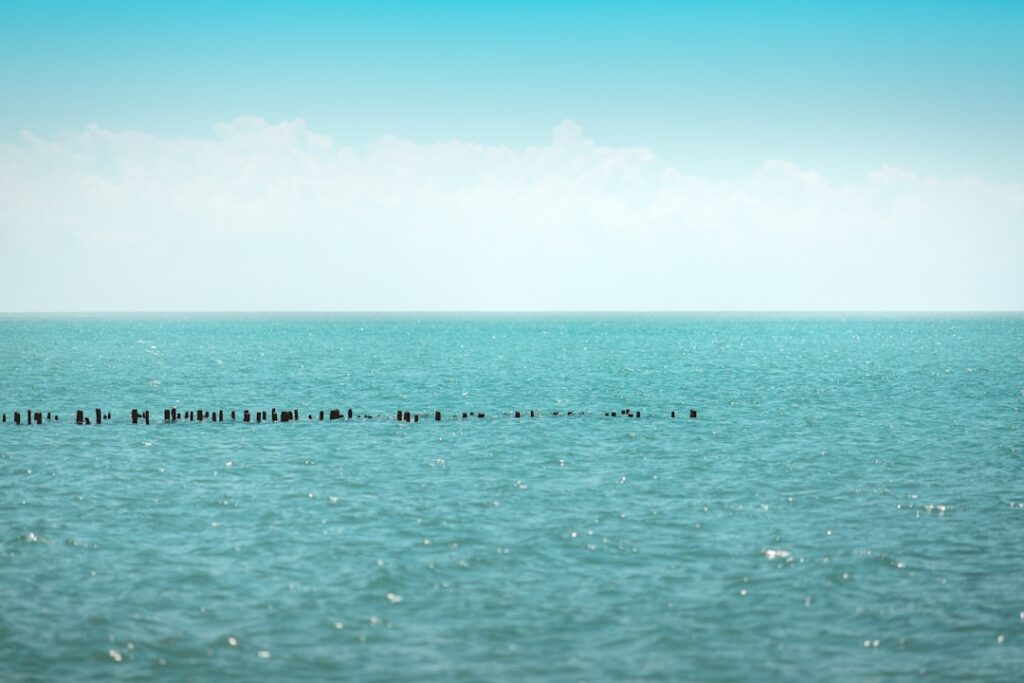
Serene view of calm ocean waters and horizon under a clear blue sky in Poti, Poti, Georgia
| Category | Budget | Mid-range | Luxury |
|---|---|---|---|
| Accommodation | Hostel/Guesthouse: 60-100 GEL/night | 3-star hotel: 120-200 GEL/night | Boutique hotel/Spa: 250+ GEL/night |
| Meals | Street food/Bakery: 15-25 GEL/day | Local tavernas: 40-70 GEL/day | Fine dining with wine: 100+ GEL/day |
| Transport | Marshrutkas/Walking: 2-5 GEL/day | Taxis/Regional bus: 20-40 GEL/day | Private driver: 150+ GEL/day |
| Activities | Beach, Cathedral, Lighthouse (free) | Museum entry, boat trip: 20-40 GEL | Private guided tour of Kolkheti Park |
| Daily Total | 80-130 GEL | 180-350 GEL | 500+ GEL |
Top Attractions and Must-See Sights
| Attraction | Description | Hours | Entry Fee |
|---|---|---|---|
| Poti Cathedral | The iconic red-brick cathedral, a stunning example of Byzantine Revival architecture with a dramatic history. | 9:00-18:00 daily | Free (donation appreciated) |
| Poti Lighthouse | A 38-meter tall, fully functional lighthouse built in 1862, offering panoramic views of the port and sea. | 10:00-17:00 (Closed Mon) | 5 GEL |
| Poti Archaeological Museum | Houses incredible artifacts from ancient Colchis, including the famous “Poti Treasure” of gold jewelry. | 10:00-18:00 (Closed Mon) | 7 GEL |
| Kolkheti National Park | A UNESCO-listed wetland park just north of Poti, home to unique Colchic forests and birdlife; boat tours available. | Visitor Center: 9:00-17:00 | Park entry: 5 GEL, Boat tour: ~30 GEL |
3-Day Itinerary: Poti, Georgia’s Highlights & Hidden Gems
Day 1: Maritime Heart & Historic Soul
- Morning (7-9 AM): Start with a walk along the Central Embankment. Watch the fishing boats return to port and enjoy a strong Turkish-style coffee at a seaside kiosk for 3 GEL.
- Afternoon (12-3 PM): Visit the Poti Cathedral, then explore the nearby Central Park with its Soviet-era mosaics. For lunch, head to Restaurant Nana for their signature *Tobiani* fish stew (approx. 25 GEL).
- Evening (6-8 PM): Climb the historic Poti Lighthouse for sunset views over the Black Sea. Afterwards, enjoy a dinner of fresh grilled kalmari (squid) at the casual Apollo Restaurant on the waterfront.
Day 2: Culture, Coast & Colchic Wetlands
- Morning (9 AM): Spend two hours at the Poti Archaeological Museum (7 GEL entry) to understand the region’s ancient significance as part of the legendary Colchis.
- Afternoon (1 PM): Take a short marshrutka ride (3 GEL, 20 mins) to the village of Maltakva for a long lunch and swim at its wide, sandy beach. Eat at a simple beach shack for fresh fish.
- Evening (7 PM): Return to Poti. For a unique experience, join locals for an evening stroll on Tamar Mepe Street, the main pedestrian boulevard, and grab a glass of local Georgian wine at Vino Bar.
Day 3: Nature Excursion to Kolkheti
- Morning (8 AM): Hire a taxi (approx. 40 GEL round-trip) to the Kolkheti National Park visitor center at Pichori. Book a guided boat tour (30 GEL, 1.5 hours) through the serene, lily-pad covered wetlands.
- Afternoon (1 PM): Enjoy a picnic lunch by Lake Paliastomi or return to Poti for a late lunch at Marani, known for its hearty Georgian classics like *khachapuri* and *chakapuli*.
- Evening (6 PM): Your final evening calls for a relaxed seafood feast. Locals recommend Fish House Poti near the port for the day’s catch, simply prepared. End your trip with a walk along the quiet, moonlit pier.
Cultural Insights & Etiquette
- Language: Georgian is the official language. Learn “Gamarjoba” (Hello), “Didi Madloba” (Thank you very much), and “Arapris” (You’re welcome). Younger people and those in tourism often speak some English or Russian.
- Customs: Georgians are famously hospitable. If invited for a meal, expect a *supra* (feast) with many toasts. Always accept food and drink offered—it’s a sign of respect. When toasting, maintain eye contact.
- Tipping: Not mandatory but appreciated. In restaurants, rounding up the bill or leaving 5-10% is standard for good service. For taxi drivers, rounding up to the nearest lari is sufficient.
- Dress Code: Casual is fine, but dress modestly when entering churches (covered shoulders, knees for both men and women). Bring a scarf for women. Beachwear is for the beach only.
- Business Hours: Shops typically open 10:00-19:00. Many smaller businesses close for a long lunch (13:00-15:00). Banks operate 9:30-17:30 on weekdays. Major holidays like Orthodox Christmas (Jan 7) and Easter see widespread closures.
Where to Eat: Poti, Georgia’s Best Bites
Poti’s cuisine is a delicious testament to its location. Think less fancy fusion and more hearty, honest cooking where the fish is fresh from the boat, the cheese is local, and the herbs are pungent. Dining is a social, leisurely affair here.
Must-Try Local Specialties
- Tobiani: The definitive Poti dish. A rich, dark stew of river fish (usually catfish or carp), walnuts, garlic, and tkemali (sour plum sauce). Find it at traditional tavernas like Restaurant Nana.
- Shavi Lobi (Black Bean Soup): A staple of the region, often cooked with smoked ham hock and served with mchadi (cornbread). A comforting, flavorful dish.
- Grilled Kalmari or Rapana: Simple, fresh seafood, often grilled whole over charcoal and served with a wedge of lemon and fresh greens. Best enjoyed at waterfront eateries like Apollo.
Restaurant Recommendations by Budget
| Type | Restaurant | Specialty | Price Range |
|---|---|---|---|
| Budget | Lazi (Central Market area) | Incredible, fresh khachapuri (cheese bread) and lobiani (bean bread) to go. | 3-8 GEL per item |
| Mid-range | Marani (Tamar Mepe St.) | Authentic Georgian supra-style meals with excellent chakapuli (herb stew) and homemade wine. | 30-60 GEL per person |
| Fine dining | Fish House Poti (Port area) | Upscale presentation of the freshest local seafood, including royal sturgeon and sea bass. | 70-120 GEL per person |
Where to Stay
Accommodation in Poti ranges from Soviet-era hotels with character to modern guesthouses. Staying near the city center or the embankment puts you within walking distance of everything. Compare prices and book at Booking.com or Airbnb for apartments.
Best Neighborhoods for Accommodation
- City Center (Near Cathedral): The most convenient area. You’ll be steps from main sights, restaurants, and transport hubs. Can be a bit noisy. Ideal for first-time visitors and those without a car.
- Embankment/Coastal Area: Offers sea views, breezes, and a more relaxed vibe. A 10-15 minute walk to the center. Perfect for travelers prioritizing a tranquil stay and seaside strolls.
- Residential Areas (e.g., near the Stadium): Quieter, more local experience with some good guesthouses. You’ll rely more on marshrutkas or taxis to reach the center (5-10 min ride). Great for longer stays and budget travelers.

Silhouette of an urban skyline with birds and power lines at sunset in Batumi, Poti, Georgia
FAQs: Your Poti, Georgia Questions Answered
1. Is Poti, Georgia safe at night?
Poti is generally a safe city. The central areas are well-lit and populated into the evening. As in any port city, exercise normal caution: avoid poorly lit, deserted areas late at night, keep valuables secure, and be aware of your surroundings. Petty crime is rare, and locals are typically helpful.
2. What currency is used and are credit cards accepted?
The currency is the Georgian Lari (GEL). As of late 2023, 1 USD ≈ 2.65 GEL. Credit/debit cards (Visa/Mastercard) are widely accepted in hotels, supermarkets, and mid-to-high-end restaurants. However, you should always carry cash for markets, street food, marshrutkas, taxis, and smaller family-run establishments.
3. How do I get from the airport to the city center?
From Batumi Airport (BUS), your best options are a pre-booked taxi (60-80 GEL, 70 mins) or a marshrutka to Batumi bus station, then another to Poti (total ~10 GEL, 2+ hours). For convenience and a direct route, book a private transfer in advance. Book airport transfers at GetYourGuide for convenience.
4. Do I need to speak the local language?
No, but learning a few Georgian phrases will earn you warm smiles. English is spoken in tourist-facing businesses (hotels, some restaurants). Russian is widely understood by the older generation. A translation app is handy for menus in local tavernas.
5. What’s the appropriate dress code?
Smart-casual is perfect for most situations. For churches, ensure shoulders and knees are covered (carry a

