
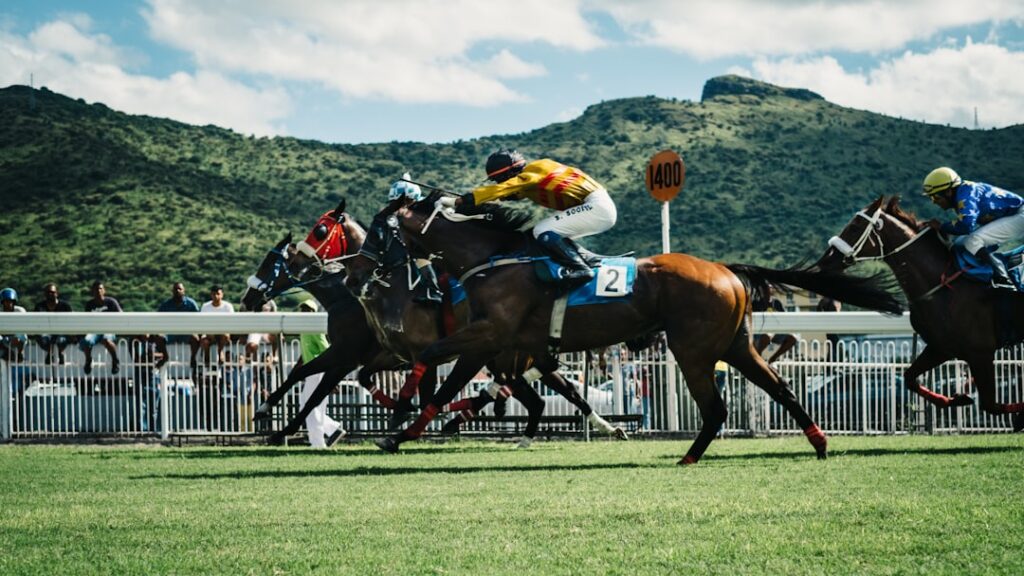
Port Louis, Mauritius’s Essential Creole Soul, Colonial History & Market Magic (2026)
Ask locals about Port Louis, and they’ll tell you to head straight to the Central Market at 7 AM, when the air is thick with the scent of vanilla pods, fresh lychees, and the rhythmic cadence of Creole. Most guidebooks miss this completely, focusing only on the harbor. But here, you’ll find the true pulse of Mauritius—a vibrant, chaotic symphony where Chinese herbalists, Indian spice vendors, and Franco-Mauritian farmers have traded for over 200 years. This is where the island’s soul is bartered and sold.
Why Port Louis, Mauritius Stands Out

Two red pedal moped parked beside red painted wall, Port Louis, Mauritius
- Historic Architecture: The Aapravasi Ghat, a UNESCO site from 1849, is where over half a million indentured laborers first arrived, shaping modern Mauritius.
- Cultural Scene: The annual Cavadee Festival in January/February sees Tamil devotees in trance, carrying ornate wooden arches in a breathtaking display of faith.
- Local Specialties: You must try Dholl Puri—a thin, yellow lentil flatbread stuffed with bean curry and chutney, sold from street-side stalls for about 30 MUR.
Pro Tip: Avoid the midday heat and cruise ship crowds by exploring the city center before 10:30 AM or after 3:30 PM. Many shops and the market close for a few hours around noon, making late afternoon the perfect time for a more relaxed, authentic stroll.
Map of Port Louis, Mauritius
Use these interactive maps to explore Port Louis, Mauritius and plan your route:
📍 View Port Louis, Mauritius on OpenStreetMap
🗺️ Open Port Louis, Mauritius in Google Maps
Planning Your Trip: Practical Essentials
Getting There and Around
- By Air: Sir Seewoosagur Ramgoolam International Airport (MRU) is 50km southeast. Major airlines include Air Mauritius, Emirates, and Air France. Pre-book a taxi for ~1500 MUR or take the public express bus (Line 198) for 100 MUR. Book flights at Skyscanner for best deals.
- By Train: Mauritius has a new Metro Express light rail connecting Port Louis to Curepipe and Rose Hill. A single trip from Curepipe costs 50 MUR. It’s scenic and efficient. Check schedules at the official Metro Express site.
- By Car: Driving is on the left. The M1 and M2 motorways connect Port Louis to the rest of the island. Parking in the city can be challenging; use the secure Caudan Waterfront parking. Compare car rentals at RentalCars.com.
- Local Transport: Public buses are extensive and cheap (20-50 MUR), but can be crowded. Taxis are unmetered; agree on a price first (300-600 MUR for short city trips). For a unique experience, try a “Pièce” (shared taxi) on fixed routes.
Best Time to Visit
Port Louis is a year-round destination, but the weather dramatically influences your experience. The city is hottest and most humid during the summer, while the winter offers near-perfect conditions for exploration.
| Season | Weather | Highlights |
|---|---|---|
| Summer (Nov–Apr) | Hot & humid, 25–33°C, with occasional tropical cyclones possible Jan–Mar. | Lush greenery, vibrant festivals like Cavadee and Chinese Spring Festival, but expect afternoon downpours. |
| Winter (May–Oct) | Dry & mild, 17–25°C, with low humidity and cooler evenings. | Ideal for walking tours and hiking the surrounding hills; peak tourist season with sunny, comfortable days. |
| Shoulder (Apr–May/Oct–Nov) | Pleasant, 20–28°C, transitioning between seasons. | The sweet spot: fewer crowds, lower prices, and generally stable, warm weather perfect for city exploration. |
Budgeting for Port Louis, Mauritius

An aerial view of a building with trees in the foreground, Port Louis, Mauritius
| Category | Budget | Mid-range | Luxury |
|---|---|---|---|
| Accommodation | Hostel/Guesthouse: 800-1500 MUR | 3-4* Hotel: 3000-6000 MUR | 5* Hotel/Suite: 8000+ MUR |
| Meals | Street food/Dhall Puri stalls: 50-150 MUR | Local restaurant: 300-600 MUR | Fine dining: 1200+ MUR |
| Transport | Buses: 50 MUR/day | Taxis: 500-1000 MUR/day | Private driver: 2500+ MUR/day |
| Activities | Markets, Fort Adelaide (free) | Museums, Blue Penny: ~400 MUR | Private guided history tours |
| Daily Total | 1200-2000 MUR | 4500-8000 MUR | 12,000+ MUR |
Top Attractions and Must-See Sights
| Attraction | Description | Hours | Entry Fee |
|---|---|---|---|
| Central Market (Bazaar Port Louis) | A sensory overload of spices, textiles, and local produce where you can taste a dozen cultures under one roof. | Mon-Sat: 6 AM-6 PM, Sun: 6 AM-12 PM | Free |
| Aapravasi Ghat World Heritage Site | The poignant immigration depot where the modern indentured labor diaspora began, with a superb interpretive museum. | Mon-Fri: 9 AM-4 PM, Sat: 9 AM-12 PM | Free |
| Blue Penny Museum | Home to the iconic “Post Office” stamps, some of the world’s rarest, and fascinating exhibits on Mauritian maritime history. | Mon-Sat: 10 AM-5 PM | 400 MUR |
| Fort Adelaide (La Citadelle) | This 1830s British fortress offers panoramic 360-degree views over the city, harbor, and mountains—best at sunset. | Daily: 9 AM-8 PM | Free |
3-Day Itinerary: Port Louis, Mauritius’s Highlights & Hidden Gems
Day 1: Historic Heart & Market Lanes
- Morning (7-9 AM): Dive into the **Central Market**. Start at the food section for fresh tropical fruit, then explore the craft upstairs. Your best bet is to try a “gateau piment” (chili cake) from a vendor for 10 MUR.
- Afternoon (12-3 PM): Walk to **Aapravasi Ghat** (10 mins). After the museum, have lunch at **First Restaurant** on Royal Road for authentic Sino-Mauritian dishes like fried noodles (about 250 MUR).
- Evening (6-8 PM): Take a taxi up to **Fort Adelaide** for sunset views. Then, head to the **Caudan Waterfront** for dinner at **Le Capitaine**, a local favorite for seafood (mains from 600 MUR).
Day 2: Culture, Crafts & Cuisine
- Morning (9:30 AM): Visit the **Blue Penny Museum** (400 MUR) to understand Mauritius’s philatelic fame. Then, browse the **Caudan Craft Market** for model ships and textiles.
- Afternoon (1 PM): Lunch on the legendary Dholl Puri at **R. K. Carripen** on Corderie Street (under 50 MUR). Then, explore **Chinatown’s** arched gates and herbal shops on Royal Street.
- Evening (6 PM): Experience a **Sega dance show**, the island’s UNESCO-listed Creole folk dance. Many hotels offer performances, or book a cultural evening tour via GetYourGuide.
Day 3: Panoramas & Port Views
- Morning (8 AM): Take the **Metro Express** (50 MUR) to Rose Hill for a different perspective, then return. Visit the **Photography Museum** on Rue du Vieux Conseil for a glimpse of old Port Louis.
- Afternoon (12 PM): Lunch at **Lai Min** for superb dim sum. Then, take a guided tour of the **Mauritius Natural History Museum** to see the sad skeleton of the extinct Dodo (entry 175 MUR).
- Evening (5 PM): Your final stop should be a stroll along the **Port Louis Waterfront**, watching the yachts. Enjoy a farewell drink at **The Scala**, a historic café, before your last Dholl Puri for the road.
Cultural Insights & Etiquette
- Language: English is the official language, but French and Creole are widely spoken. A simple “Bonjour” (hello) or “Merci” (thank you) is appreciated.
- Customs: Mauritius is a multi-ethnic, multi-faith society. Dress modestly when visiting temples or mosques. Always remove your shoes before entering a Hindu temple.
- Tipping: Not mandatory, but a 10% tip in restaurants for good service is customary. For taxi drivers, rounding up the fare is sufficient.
- Dress Code: Light, breathable clothing is essential. Smart-casual is fine for most restaurants. Pack a light jacket for cooler winter evenings.
- Business Hours: Typically Mon-Fri 9 AM-4 PM, Sat 9 AM-12 PM. Many businesses close for lunch between 12 PM-1 PM. Banks close at 3:15 PM. Sunday is a quiet day.
Where to Eat: Port Louis, Mauritius’s Best Bites
Port Louis’s cuisine is a delicious testament to its history. You’ll find exceptional Chinese noodle shops next to Indian curry houses and French-style bistros. Don’t just eat at the waterfront; the backstreets hold the real culinary treasures.
Must-Try Local Specialties
- Dholl Puri: The national street food. Two thin lentil flatbreads filled with curry and chutney. Locals swear by the stalls on Corderie Street, like **Mme. Veerapen’s**.
- Mine Frit (Fried Noodles): A Chinese-Mauritian staple of stir-fried noodles with vegetables, chicken, or seafood. **First Restaurant** or **Manhattan Restaurant** are institutions.
- Gateaux Piment (Chili Cakes): Deep-fried lentil balls with a kick. The best are found at market stalls, served piping hot in paper cones.
Restaurant Recommendations by Budget
| Type | Restaurant | Specialty | Price Range |
|---|---|---|---|
| Budget | R. K. Carripen (Corderie St) | Authentic, fresh Dholl Puri made to order | 30-50 MUR |
| Mid-range | Lai Min (Chinatown, Royal St) | Incredible dim sum and Peking duck | 300-600 MUR |
| Fine dining | Château Mon Désir (Caudan Waterfront) | Refined Franco-Mauritian cuisine with harbor views | 1200+ MUR |
Where to Stay
Most tourists stay in coastal resorts, but staying in or near Port Louis offers an authentic, immersive experience. You’ll find a range of business hotels, boutique guesthouses, and serviced apartments. Compare prices and book at Booking.com or Airbnb for apartments.
Best Neighborhoods for Accommodation
- Caudan Waterfront: Upscale, with direct access to shopping, dining, and museums. Perfect for first-time visitors who want convenience and views. It can feel a bit touristy.
- City Center (near Champ de Mars): The true urban experience. You’ll be steps from markets and local life. Best for adventurous travelers comfortable with city bustle. Choose your hotel carefully for noise levels.
- Floréal/Moka (Outskirts): A 15-minute drive from the city, these leafy suburbs offer quieter, often more luxurious villas and guesthouses with stunning hill views, ideal for a relaxing retreat.

A street lined with tall buildings next to tall buildings, Port Louis, Mauritius
FAQs: Your Port Louis, Mauritius Questions Answered
1. Is Port Louis, Mauritius safe at night?
Port Louis is generally safe, but like any capital city, it’s wise to take precautions. The Caudan Waterfront area is well-lit and patrolled. Avoid poorly lit backstreets after dark, don’t flash valuables, and use registered taxis for night travel. The city center becomes very quiet after business hours.
2. What currency is used and are credit cards accepted?
The Mauritian Rupee (MUR) is the local currency. Credit cards (Visa/Mastercard) are widely accepted in hotels, larger restaurants, and shops. However, for market stalls, street food, and smaller taxis, you’ll need cash. ATMs are plentiful in the city center and at the waterfront.
3. How do I get from the airport to the city center?
Sir Seewoosagur Ramgoolam Airport (MRU) is about a 50-60 minute drive. Your options are: a pre-booked taxi (approx. 1500-1800 MUR), the airport shuttle bus to the Immigration Square bus terminal (100 MUR, less frequent), or a private transfer. Book airport transfers at GetYourGuide for convenience and fixed pricing.
4. Do I need to speak the local language?
Not at all. English is the official administrative language, and you’ll find it used in signage and by most people in the tourism sector. French and Creole are the lingua franca of daily life. Knowing basic French pleasantries (“Bonjour,” “Merci”) is polite and appreciated.
5. What’s the appropriate dress code?
Light, casual summer clothing is perfect. For visiting religious sites (Hindu temples, mosques), cover shoulders and knees—carry a shawl. Beachwear is for the beach only. Evenings are casual, but some upscale restaurants may prefer smart-casual attire (no shorts or flip-flops).
Final Thoughts: Port Louis, Mauritius Awaits
Port Louis is more than just a capital or a port; it’s the living, breathing archive of Mauritius

