
Pljevlja, Montenegro’s Hidden Monasteries, Mountains & Mining Heritage (2025)
While crowds flock to Kotor’s crowded bay, Pljevlja delivers authentic northern Montenegrin culture without the tourist queues. Here in Montenegro’s highest town at 770 meters, you’ll discover Ottoman-era architecture standing alongside Austro-Hungarian buildings, all surrounded by dramatic limestone mountains. The air carries the scent of woodsmoke from traditional katuns (mountain huts) and the sound of church bells competing with mosque calls to prayer. This is where Montenegro’s complex cultural tapestry unfolds most vividly.
Why Pljevlja, Montenegro Stands Out

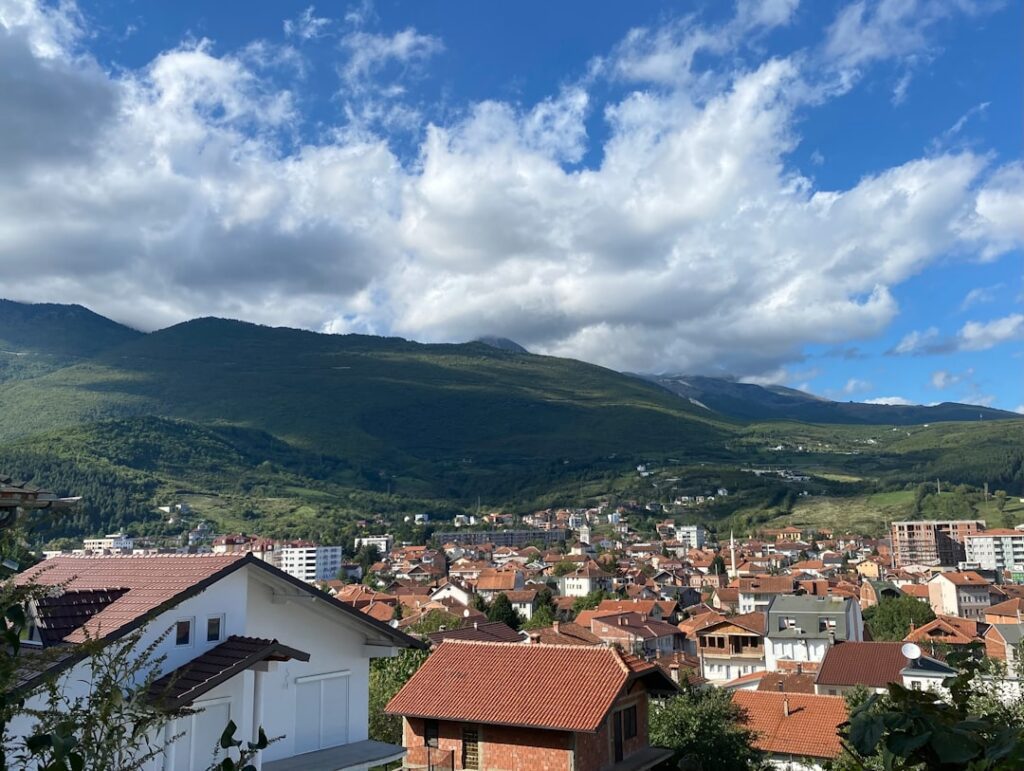
An aerial view of a village in the mountains, Pljevlja, Montenegro
- Historic Architecture: The 16th-century Husein-paša’s Mosque features a 42-meter minaret, the tallest in the Balkans outside Istanbul
- Cultural Scene: September’s Cultural Summer festival transforms the town with traditional music, theater, and artisan markets
- Local Specialties: Kačamak, a hearty cornmeal dish served with kajmak cheese and smoked meats from local mountain pastures
Pro Tip: Visit in late May or early September when the weather is perfect for hiking and you’ll have the monasteries and trails virtually to yourself, unlike the packed coastal towns.
Map of Pljevlja, Montenegro
Use these interactive maps to explore Pljevlja, Montenegro and plan your route:
📍 View Pljevlja, Montenegro on OpenStreetMap
🗺️ Open Pljevlja, Montenegro in Google Maps
Planning Your Trip: Practical Essentials
Getting There and Around
- By Air: Podgorica Airport (TGD) is 180km south, served by Air Serbia, Austrian Airlines, and Wizz Air; take a 3-hour bus or private transfer (€80-100). Book flights at Skyscanner for best deals.
- By Train: No direct rail service to Pljevlja; nearest station is in Bijelo Polje (60km away) with connections to Belgrade and Bar. Reserve tickets at Trainline or the national railway website.
- By Car: The E762 and E65 highways connect to Serbia and central Montenegro; parking is plentiful and free in the town center. Compare car rentals at RentalCars.com.
- Local Transport: Town buses cost €0.80 per ride, but everything is walkable; taxis are affordable at €2-3 for town trips.
Best Time to Visit
Pljevlja’s mountain location means distinct seasons with summer offering warm hiking weather and winter bringing snow sports opportunities.
| Season | Weather | Highlights |
|---|---|---|
| Summer (Jun–Aug) | 18-28°C, sunny with occasional thunderstorms | Perfect hiking in surrounding mountains, monastery visits, cultural festivals with moderate crowds |
| Winter (Dec–Feb) | -5 to 5°C, regular snowfall | Atmospheric snowy landscapes, winter photography, cozy tavern meals with few tourists |
| Shoulder (Apr–May/Sep–Oct) | 10-20°C, mild with some rain | Best value accommodation, comfortable hiking temperatures, authentic local experiences without crowds |
Budgeting for Pljevlja, Montenegro

A crane is in the sky over a city, Pljevlja, Montenegro
| Category | Budget | Mid-range | Luxury |
|---|---|---|---|
| Accommodation | €20-35 per night (guesthouses) | €45-70 per night (boutique hotels) | €100+ (mountain lodges) |
| Meals | €8-12 (local bakeries, markets) | €15-25 (traditional restaurants) | €35+ (fine dining with wine) |
| Transport | €3-5 (local buses) | €15-20 (daily car rental) | €50+ (private driver) |
| Activities | Free (hiking, town exploration) | €5-15 (museum entries, guided tours) | €30+ (private hiking guides) |
| Daily Total | €31-52 | €80-120 | €185+ |
Top Attractions and Must-See Sights
| Attraction | Description | Hours | Entry Fee |
|---|---|---|---|
| Holy Trinity Monastery | 13th-century Serbian Orthodox monastery with priceless medieval frescoes and manuscripts | 8:00-18:00 daily | Free (donations appreciated) |
| Husein-paša’s Mosque | Ottoman masterpiece from 1569 with intricate calligraphy and the Balkans’ second-tallest minaret | 9:00-17:00 (closed prayer times) | €2 |
| Pljevlja Old Town | Wander cobbled streets past Austro-Hungarian buildings and traditional craft workshops | Always accessible | Free |
| Mountain Visitor Center | Interactive exhibits on local geology and wildlife, plus hiking trail information | 10:00-16:00 Tue-Sun | €3 |
3-Day Itinerary: Pljevlja, Montenegro’s Highlights & Hidden Gems
Day 1: Historic Heart & Cultural Crossroads
- Morning: Start at 8:30 AM at Holy Trinity Monastery to see morning light illuminating the 13th-century frescoes before crowds arrive. Don’t miss the monastery museum’s medieval manuscripts.
- Afternoon: Explore the Ottoman quarter and climb Husein-paša’s Mosque minaret (€2) for panoramic views, then lunch at Kod Mile (€12) for authentic kačamak with kajmak.
- Evening: Wander through the Austro-Hungarian architecture district as shops close, then dinner at Stari Grad (€20) for grilled meats with local Vranac wine.
Day 2: Mountain Adventures & Mining History
- Morning: Drive 15 minutes to Golija mountain base for a 3-hour hike to medieval mining ruins (free) – bring water and sturdy shoes for the rocky trail.
- Afternoon: Visit the abandoned lead and zinc mines that once made Pljevlja wealthy, then lunch at Planinarski Dom (€15) for mountain trout with wild herbs.
- Evening: Join locals at Kafana Šampion for live sevdah music performances starting at 7:00 PM with rakija tasting (€8).
Day 3: Rural Traditions & Artisan Crafts
- Morning: Taxi to nearby village of Židovići (€15 round-trip) to watch traditional wool processing and carpet weaving techniques passed through generations.
- Afternoon: Cheese tasting at a local katun (mountain hut) with the shepherds (€10 including transport), learning about seasonal transhumance traditions.
- Evening: Final dinner at Konak (€25) for their signature jagnjetina ispod sača (lamb under baking lid), a centuries-old cooking method.
Cultural Insights & Etiquette
- Language: Montenegrin is official, but Serbian is widely spoken; learn “hvala” (thank you), “dobar dan” (good day), and “molim” (please)
- Customs: Remove shoes when entering homes; bring small gifts if invited; always accept coffee offers as refusal may offend
- Tipping: Round up restaurant bills by 5-10%; taxi drivers appreciate small change; tour guides expect €5-10 per person
- Dress Code: Modest clothing for religious sites (covered shoulders/knees); sturdy footwear for uneven historic streets
- Business Hours: Shops 8:00-20:00 weekdays, close early Saturday; everything closed Sunday; restaurants serve until 23:00
Where to Eat: Pljevlja, Montenegro’s Best Bites
Pljevlja’s cuisine reflects its position at the crossroads of Ottoman and Slavic influences, with hearty mountain dishes perfect for the high-altitude climate. Family-run restaurants dominate, serving generations-old recipes with ingredients sourced from local farms.
Must-Try Local Specialties
- Kačamak: Cornmeal porridge mixed with potatoes and kajmak cheese, best at Kod Mile where they use wood-fired cauldrons
- Pljevaljski cheese: Smoked sheep’s cheese aged in mountain caves, available at the Friday market or directly from katuns
- Jagnjetina ispod sača: Lamb slow-cooked under a metal lid with hot coals, the specialty at Konak restaurant
Restaurant Recommendations by Budget
| Type | Restaurant | Specialty | Price Range |
|---|---|---|---|
| Budget | Pekara Boro (town center) | Fresh burek and pogače pastries | €3-6 |
| Mid-range | Stari Grad (historic district) | Grilled meats with homemade bread | €12-20 |
| Fine dining | Konak (hotel restaurant) | Traditional lamb under sač with wine pairing | €25-40 |
Where to Stay
Accommodation ranges from family-run guesthouses in historic buildings to modern hotels, all offering excellent value compared to coastal Montenegro. Compare prices and book at Booking.com or Airbnb for apartments.
Best Neighborhoods for Accommodation
- Old Town Center: Characterful stone buildings within walking distance of all attractions, though can be noisy in mornings; perfect for history lovers
- Gradski Park Area: Quiet residential streets with early 20th-century villas, 10-minute walk to center; ideal for families and longer stays
- Mountain Outskirts: Several guesthouses with stunning mountain views but require transport; best for hikers and nature enthusiasts

Aerial view of city buildings during daytime, Pljevlja, Montenegro
FAQs: Your Pljevlja, Montenegro Questions Answered
1. Is Pljevlja, Montenegro safe at night?
Extremely safe – the town has very low crime rates. You’ll feel comfortable walking alone at night, though standard precautions like staying in well-lit areas still apply. Locals are friendly and will often help if you appear lost.
2. What currency is used and are credit cards accepted?
Montenegro uses the Euro despite not being in the EU. Credit cards work in hotels and larger restaurants, but always carry cash for markets, taxis, and family-run establishments. ATMs are widely available in the town center.
3. How do I get from the airport to the city center?
From Podgorica Airport, take the airport shuttle to the main bus station (€2), then a direct bus to Pljevlja (€12, 3 hours). Private transfers cost €80-100. Book airport transfers at GetYourGuide for convenience.
4. Do I need to speak the local language?
Not essential – younger locals often speak English, and restaurant menus are typically multilingual. Learning a few basic Serbian/Montenegrin phrases will earn you warm appreciation from older residents.
5. What’s the appropriate dress code?
Casual but modest – cover shoulders and knees when visiting religious sites. Bring layers as mountain weather changes rapidly, and sturdy walking shoes are essential for the historic cobbled streets and hiking trails.
Final Thoughts: Pljevlja, Montenegro Awaits
Pljevlja offers what many travelers seek but rarely find: authentic cultural experiences untouched by mass tourism. Here, you’ll discover medieval monasteries standing as living monuments rather than museum pieces, taste food prepared using centuries-old methods, and hike trails where you might not see another soul all day. The town’s complex history – from medieval Serbian state to Ottoman rule to Austro-Hungarian influence – creates a cultural richness that reveals itself slowly. Savvy travelers know to schedule at least three days to fully appreciate Pljevlja’s layered charm. Don’t miss the early morning light at Holy Trinity Monastery – it’s when the frescoes seem to come alive with stories waiting to be discovered.

