
Pisco, Peru’s Amazing Pisco, Paracas & Pre-Columbian Mysteries (2026)
While crowds flock to the Sacred Valley, savvy travelers discover a different Peru along the sun-baked coast. For under $50 a day, Pisco offers the launchpad to the wildlife-rich Ballestas Islands, the enigmatic Nazca Lines, and the haunting beauty of the Paracas National Reserve. This is where the desert meets the sea, where the national spirit was born, and where you can sip the town’s namesake cocktail where it all began.
Why Pisco, Peru Stands Out

Clear glass bottles on shelf, Pisco, Peru
- Historic Architecture: The Plaza de Armas, rebuilt after the 2007 earthquake, centers on the iconic San Clemente de Pisco Church, a symbol of the city’s resilience.
- Cultural Scene: The annual Festival de la Vendimia (Grape Harvest Festival) in March celebrates the pisco grape with processions, music, and, of course, abundant tastings.
- Local Specialties: You must try a freshly made Pisco Sour, Peru’s national drink, crafted with local pisco, lime, syrup, egg white, and bitters.
Pro Tip: Use Pisco as a strategic base, not a final destination. Book your Ballestas Islands tour for the earliest departure (7:00 AM) to beat the wind and see more active wildlife. Stay in nearby Paracas for a more resort-like feel, or in Pisco city for authentic local immersion and better value.
Map of Pisco, Peru
Use these interactive maps to explore Pisco, Peru and plan your route:
📍 View Pisco, Peru on OpenStreetMap
🗺️ Open Pisco, Peru in Google Maps
Planning Your Trip: Practical Essentials
Getting There and Around
- By Air: The nearest airport is Capitán FAP Renán Elías Olivera Airport (PIO) in Pisco, with limited domestic flights. Most travelers fly into Jorge Chávez International Airport (LIM) in Lima. From Lima, take a 3.5-hour bus or private transfer. Book flights at Skyscanner for best deals.
- By Train: There are no passenger train services to Pisco. The primary mode of long-distance travel is by comfortable intercity bus.
- By Car: Driving from Lima via the Pan-American Highway South (Route 1S) takes about 3.5 hours. Rental cars are useful for exploring Paracas Reserve independently. Compare car rentals at RentalCars.com.
- Local Transport: *Colectivos* (shared taxis) and *mototaxis* are cheap and plentiful for short trips within Pisco. For tours to major sites, organized transport is your best bet.
Best Time to Visit
The coast of Peru enjoys a mild desert climate year-round, with very little rain. The key difference is between sunny, warm summers and overcast, humid winters.
| Season | Weather | Highlights |
|---|---|---|
| Summer (Dec–Mar) | Sunny & warm (75-85°F / 24-29°C), ideal for beaches. | Peak season, vibrant atmosphere, perfect for Paracas. Best for clear skies over Nazca. |
| Winter (Jun–Sep) | Overcast, humid, mild (60-70°F / 15-21°C), occasional *garúa* (drizzle). | Fewer tourists, lower prices. Sea is cooler, but wildlife tours still operate. Pack a light jacket. |
| Shoulder (Apr–May/Oct–Nov) | Pleasant and mild, with transitioning skies. | The sweet spot for balancing good weather, manageable crowds, and reasonable costs. |
Budgeting for Pisco, Peru

Person standing beside seashore during daytime, Pisco, Peru
| Category | Budget | Mid-range | Luxury |
|---|---|---|---|
| Accommodation | $15-$30 (Hostel/Basic Hospedaje) | $50-$90 (Comfortable 3-star hotel) | $150+ (Paracas Resort or Luxury Hotel) |
| Meals | $8-$15 (Menú del Día, local markets) | $20-$35 (Restaurant meals & drinks) | $50+ (Fine dining in Paracas) |
| Transport | $5 (Local colectivos/mototaxis) | $30-$50 (Daily tour/private taxi) | $100+ (Private driver/guide) |
| Activities | $20 (Ballestas Islands tour) | $80-$120 (Nazca Lines flyover + tour) | $200+ (Private yacht tour, premium experiences) |
| Daily Total | $48-$70 | $180-$295 | $500+ |
Top Attractions and Must-See Sights
| Attraction | Description | Hours | Entry Fee |
|---|---|---|---|
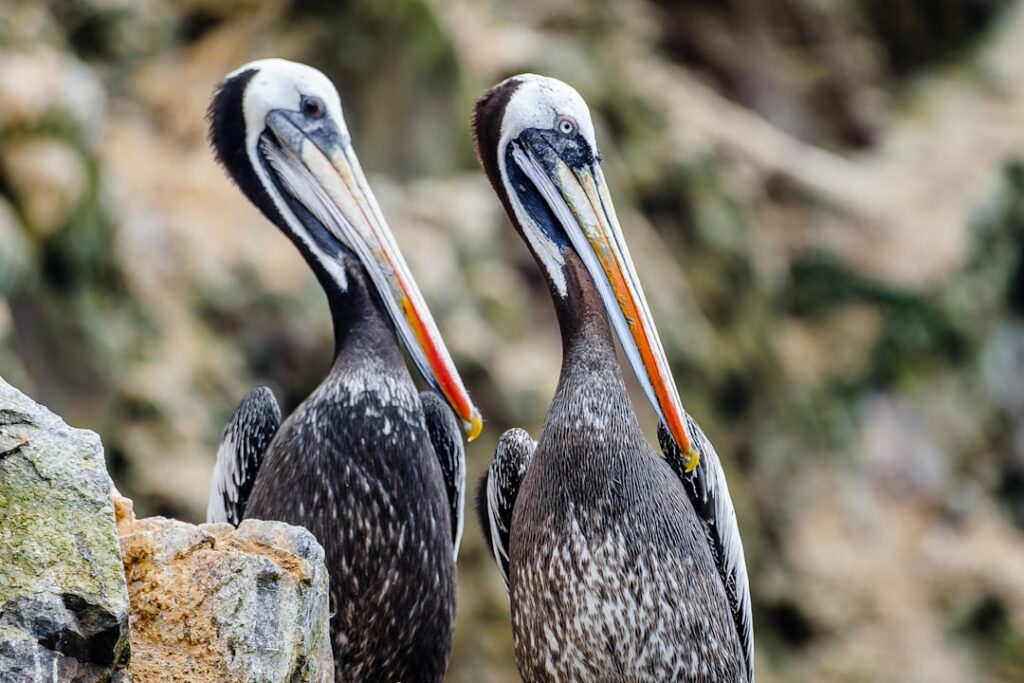
| Ballestas Islands | Often called “the Poor Man’s Galapagos,” this boat tour gets you close to sea lions, penguins, and thousands of birds. | Tours depart 7:00 AM, 10:00 AM, noon | ~$20 USD for 2-hour tour |
| Paracas National Reserve | A stunning desert coastline with red sand beaches, dramatic cliffs, and the iconic Cathedral rock formation (partially collapsed). | Park: 6:00 AM – 6:00 PM | ~$5 USD (11 PEN) per person |
| Nazca Lines Flyover | A breathtaking 30-minute flight from Pisco airport over the ancient, mysterious geoglyphs etched into the desert floor. | Flights throughout the day, weather permitting | ~$80-$120 USD |
| Pisco Plaza de Armas | The historic heart of the city, home to the rebuilt cathedral and a peaceful spot to feel the local rhythm of life. | Public square, always open | Free |
3-Day Itinerary: Pisco, Peru’s Highlights & Hidden Gems
Day 1: Islands, El Candelabro & Coastal Wonders
- Morning (7:00 AM): Board a speedboat from the Paracas dock for the **Ballestas Islands** tour. Keep an eye out for the pre-Columbian geoglyph known as **El Candelabro** etched into a hillside on the way. The morning tour offers the calmest seas.
- Afternoon (1:00 PM): Enjoy a late seafood lunch at **Restaurant El Chorito** in Paracas, famous for its *ceviche mixto*. Then, rent a bike or take a taxi to explore the otherworldly landscapes of the **Paracas National Reserve**, stopping at Playa Roja and Lagunillas.
- Evening (7:30 PM): Head back to Pisco city for dinner at **La Viña de Huber**, a family-run winery and restaurant. Sample their artisanal pisco and enjoy a traditional *pachamanca* (meat and vegetables cooked underground) if booked in advance.
Day 2: Ancient Skies & Local History
- Morning (8:00 AM): Take a shared taxi or tour transport to **Pisco Airport** for your **Nazca Lines flyover**. The flight is approximately 30 minutes of awe-inspiring views over hummingbirds, monkeys, and astronauts drawn on a colossal scale. Cost: ~$100 USD.
- Afternoon (1:30 PM): Return to Pisco for a relaxed lunch at **El Montonazo** near the plaza, trying their *carapulcra con sopa seca* (a hearty pork and potato stew). Visit the small but informative **Museum of San Clemente** to understand the region’s seismic history and resilience.
- Evening (6:00 PM): Take a **pisco distillery tour** at **Bodega El Catador** or **Bodega Lovera**. Learn about the fermentation and distillation process, and enjoy a guided tasting. For dinner, grab a table at **Restaurant Jahuay** for superb grilled fish.
Day 3: Bay Sailing & Farewell Feasts
- Morning (9:00 AM): Opt for a quieter **sailing tour** of Paracas Bay instead of a speedboat. These slower tours often include snorkeling and a closer look at the coastal ecology. Alternatively, visit the **Paracas History Museum** to see ancient Paracas culture textiles and trepanned skulls.
- Afternoon (1:00 PM): Have a final seaside lunch at **Restaurant Fiesta** in Paracas, renowned for its *chupe de camarones* (prawn chowder). Spend your last hours shopping for souvenirs at the Paracas artisan market or simply relaxing on the beach.
- Evening (7:00 PM): Enjoy a farewell Pisco Sour at a bar on the Pisco Plaza de Armas, soaking in the evening ambiance. For your last meal, indulge in a *parrillada* (mixed grill) at **El Paisa**, a beloved local spot.
Cultural Insights & Etiquette
- Language: Spanish is essential. Learn key phrases: “Hola” (Hello), “Gracias” (Thank you), “¿Cuánto cuesta?” (How much?), “La cuenta, por favor” (The bill, please). In tourist areas, basic English is understood.
- Customs: Greetings are important. A handshake is common, and among women, a kiss on the cheek. Be patient; service can be relaxed. Haggling is expected in markets but not in shops or restaurants.
- Tipping: A 10% tip is customary in restaurants if service isn’t included. For guides, 10-20 soles is appreciated. For drivers, 5-10 soles.
- Dress Code: Casual and comfortable is fine. Bring a hat, sunglasses, and sunscreen. For churches, modest dress (covered shoulders and knees) is respectful.
- Business Hours: Shops generally open 9:00 AM – 6:00 PM, often closing for a long lunch (1:00 PM – 4:00 PM). Restaurants serve lunch from 1:00 PM and dinner from 7:00 PM onward.
Where to Eat: Pisco, Peru’s Best Bites
This region is a seafood paradise. You’ll find the catch of the day is always the best choice, often simply grilled (*a la parrilla*) or served as ceviche. Don’t overlook the hearty inland dishes like *carapulcra*, which showcase a different culinary tradition.
Must-Try Local Specialties
- Ceviche: The national dish, but here it’s made with ultra-fresh fish marinated in lime, onion, and chili. Try it at **Restaurant El Chorito** in Paracas for the classic version.
- Pisco Sour: More than a drink, it’s a ritual. The perfect balance of sour, sweet, and frothy. **Bodega El Catador** is ideal for a purist’s tasting, while most bars will have their own recipe.
- Chupe de Camarones: A rich and creamy prawn chowder with rice, potatoes, and eggs. It’s a meal in a bowl. **Restaurant Fiesta** in Paracas is legendary for its rendition.
Restaurant Recommendations by Budget
| Type | Restaurant | Specialty | Price Range |
|---|---|---|---|
| Budget | El Montonazo (Pisco Centro) | Hearty Peruvian stews & daily *menús* | $5-$10 |
| Mid-range | Restaurant Jahuay (Pisco) | Exceptional grilled fish & seafood platters | $15-$25 |
| Fine dining | Hotel Paracas Resort Restaurant (Paracas) | Gourmet tasting menus with ocean views | $50+ |
Where to Stay
Your choice defines your experience. Staying in **Pisco city** offers authentic local culture and lower prices. **Paracas village** provides a tourist-friendly, beachfront atmosphere with easier access to tours. The **Paracas Resort** area is for luxury. Compare prices and book at Booking.com or Airbnb for apartments.
Best Neighborhoods for Accommodation
- Pisco Centro: The historic heart. You’ll be close to local markets, the main plaza, and authentic eateries. Best for budget travelers and cultural immersion. Can be noisy.
- Paracas Bay: The tourist hub. This is where the tour boats depart and most seafood restaurants are clustered. Ideal for convenience, sunsets, and travelers who want everything within walking distance.
- San Andrés (North of Pisco): A quieter, more residential area with some excellent mid-range hotels and bodegas. A good compromise if you have a rental car.

Man taking selfie inside van, Pisco, Peru
FAQs: Your Pisco, Peru Questions Answered
1. Is Pisco, Peru safe at night?
Pisco is generally safe, but standard precautions apply. Stick to well-lit main areas like the Plaza de Armas at night. In Paracas, the malecón (boardwalk) is safe and lively. Avoid walking alone in deserted areas. Petty theft can occur, so keep valuables secure and use official taxis at night.
2. What currency is used and are credit cards accepted?
The Peruvian Sol (PEN) is the currency. US dollars are widely accepted for tours and larger purchases, but you’ll need soles for markets, local transport, and small restaurants. Credit cards are accepted in hotels, nicer restaurants, and tour agencies, but always carry cash as a backup.
3. How do I get from the airport to the city center?
From **Pisco’s small airport (PIO)**, a taxi to the city center costs about 15-20 soles ($4-$5). From **Lima’s airport (LIM)**, your best bet is a pre-booked private transfer (3.5 hours, ~$80-$100) or a taxi to a bus station for a coach like Cruz del Sur (3.5 hours, ~$20-$30). Book airport transfers at GetYourGuide for convenience.
4. Do I need to speak the local language?
While you can manage with basic English in Paracas and at tour agencies, knowing some Spanish will vastly improve your experience in Pisco city and with local vendors. A translation app and a phrasebook are highly recommended. Locals appreciate any effort to speak their language.
5. What’s the appropriate dress code?
Coastal casual is perfect—lightweight clothing, shorts, t-shirts, and swimwear for the beach/resort. However, the sun is intense, so long sleeves and pants are smart for protection. Evenings can be cool, so

