
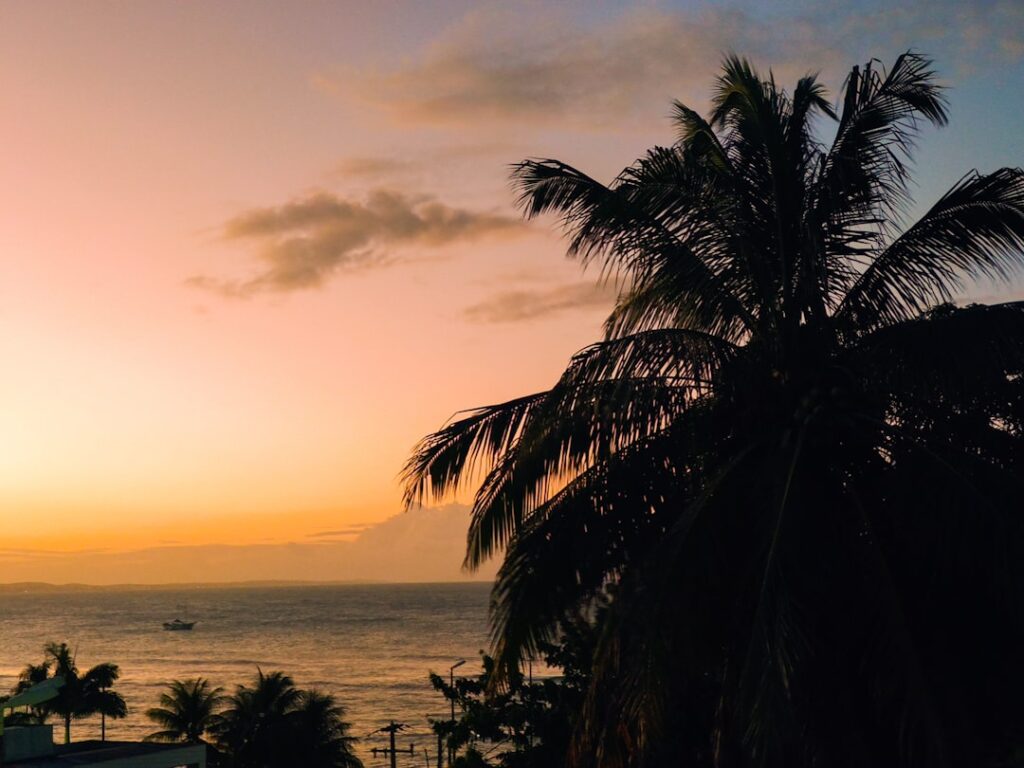
Pipa, Brazil’s Essential Dolphins, Dunes & Bohemian Bliss (2026)
While crowds flock to the high-rises of Natal just 50 miles north, Pipa, Brazil delivers pristine Atlantic coastline and a laid-back, bohemian village vibe without the commercial sprawl. Here, the soundtrack is the rustle of coconut palms and the chatter of capuchin monkeys, not blaring tour buses. Savvy travelers choose differently, trading crowded boardwalks for 10 kilometers of golden-sand beaches where spinner dolphins are your most frequent companions, seen on over 80% of mornings in the bay.
Why Pipa, Brazil Stands Out

Aerial photography of two shorelines, Pipa, Brazil
- Historic Architecture: The 18th-century Igreja de Nossa Senhora dos Navegantes, a simple white chapel, marks the historic heart of the fishing village Pipa once was.
- Cultural Scene: The annual Pipa Music Festival in October transforms the town with live Brazilian and international acts across multiple open-air stages.
- Local Specialties: You must try fresh grilled lobster, locally called ‘lagosta,’ served straight from the boat at beachfront kiosks.
Pro Tip: Visit during the shoulder seasons of April-June or September-November. You’ll avoid the peak Brazilian holiday crowds (December-February) and the heavier rains of March, securing better accommodation rates and a more relaxed atmosphere. Aim for weekdays over weekends for the quietest experience.
Map of Pipa, Brazil
Use these interactive maps to explore Pipa, Brazil and plan your route:
📍 View Pipa, Brazil on OpenStreetMap
🗺️ Open Pipa, Brazil in Google Maps
Planning Your Trip: Practical Essentials
Getting There and Around
- By Air: Fly into Greater Natal International Airport (NAT), served by Azul, Gol, and LATAM. From there, your best bet is a 1.5-hour pre-booked transfer or rental car. Book flights at Skyscanner for best deals.
- By Train: No direct train service is available to Pipa; regional travel relies on buses or cars.
- By Car: The scenic drive from Natal via the BR-101 and RN-003 highways takes about 90 minutes. Parking in Pipa’s center is limited; opt for accommodations with parking. Compare car rentals at RentalCars.com.
- Local Transport: The village is wonderfully walkable. For beaches further afield like Praia do Madeiro, local vans (“lotação”) run regularly for about R$5 per ride, or you can hire a buggy or taxi.
Best Time to Visit
Pipa enjoys a warm, tropical climate year-round, but timing your visit affects crowd levels, rain, and water conditions. The sweet spot balances sunny days with manageable tourism.
| Season | Weather | Highlights |
|---|---|---|
| Summer (Dec–Feb) | Hot & humid, 27-32°C (81-90°F), frequent short rain showers | Vibrant holiday atmosphere, nightlife; crowded and most expensive. |
| Winter (Jun–Aug) | Pleasant & drier, 23-28°C (73-82°F), strong ocean currents | Ideal for hiking dunes and cliffs; best for dolphin watching; cooler evenings. |
| Shoulder (Apr–May/Sep–Nov) | Warm, 25-30°C (77-86°F), lower chance of rain | Best overall value, fewer crowds, perfect water temperature for swimming. |
Budgeting for Pipa, Brazil

Blue ocean under blue sky and white clouds during daytime, Pipa, Brazil
| Category | Budget | Mid-range | Luxury |
|---|---|---|---|
| Accommodation | R$150-250/night (hostel or simple pousada) | R$350-600/night (boutique pousada with pool) | R$800+/night (luxury eco-resort or villa) |
| Meals | R$40-60/day (market fruit, acai bowls, beach kiosk snacks) | R$100-150/day (restaurant lunches & dinners) | R$250+/day (fine dining, multi-course seafood feasts) |
| Transport | R$20/day (local vans & walking) | R$80/day (taxis, buggy rental for half-day) | R$200+/day (private driver, full-day buggy tours) |
| Activities | R$0-50/day (beach time, cliff walks) | R$100-150/day (surf lesson, boat tour) | R$300+/day (private dolphin sailing, spa treatments) |
| Daily Total | R$210-380 | R$630-1000 | R$1550+ |
Top Attractions and Must-See Sights
| Attraction | Description | Hours | Entry Fee |
|---|---|---|---|
| Praia da Pipa (Main Beach) | A stunning crescent bay famous for daily visits by pods of spinner dolphins playing in the surf. | 24/7 | Free |
| Chapadão de Pipa | A dramatic cliff-top plateau offering breathtaking panoramic views of the ocean and surrounding beaches. | 24/7 | Free |
| Praia do Madeiro | A wider, more secluded beach framed by coconut groves and cliffs, perfect for swimming and sunbathing. | 24/7 | Free (Parking ~R$10) |
| Santuario Ecológico de Pipa | A 60-hectare private nature reserve with well-marked trails through Atlantic Forest leading to secluded beaches and lookout points. | 8:00 AM – 5:00 PM | R$20 |
3-Day Itinerary: Pipa, Brazil’s Highlights & Hidden Gems
Day 1: Beach Bliss & Village Vibe
- Morning (7-9 AM): Head straight to Praia da Pipa. This is prime dolphin-watching time. Grab a fresh coconut (R$8) from a vendor and watch for spinners from the sand.
- Afternoon (12-3 PM): Lunch at Pipaterra on Rua do Céu for incredible wood-fired pizza and caipirinhas with a view. Then, explore the boutique shops and art galleries along the main street, Rua do Madeiro.
- Evening (6-8 PM): Walk to Chapadão for a spectacular sunset over the cliffs. For dinner, savor moqueca (seafood stew) at Manga Rosa, a beloved local institution.
Day 2: Nature, Dunes & Adventure
- Morning (8 AM): Hire a buggy (around R$200 for 4 hours) for a tour east to the stunning Praia do Sibaúma. You’ll cross freshwater lagoons and massive sand dunes.
- Afternoon (1 PM): Return to Pipa for a late lunch of grilled fish at Bar do Lula on Praia do Madeiro. Then, hike the trails at the Santuario Ecológico (R$20) to see the famous “Love Beach” from above.
- Evening (7 PM): Experience Pipa’s bohemian nightlife. Start with craft beer at Cervejaria Artesanal Pipa, then listen to live Forró music at Armazém do Forró.
Day 3: Culture, Crafts & Farewell
- Morning (9 AM): Take a local van (R$5) to the neighboring village of São Miguel do Gostoso (1 hour) for a quieter, more traditional feel and a visit to the local handicraft market.
- Afternoon (1 PM): Enjoy a final seafood lunch at Restaurante Tia Néia in Sibaúma, known for its rustic charm and gigantic portions. Return to Pipa.
- Evening (6 PM): Pick up some local cachaça as a souvenir from Armazém da Cachaça. For your last dinner, indulge in a contemporary Brazilian tasting menu at the acclaimed Mare restaurant.
Cultural Insights & Etiquette
- Language: Portuguese is key. Learn basics: “Bom dia” (Good morning), “Obrigado/a” (Thank you), “Quanto custa?” (How much?). Locals appreciate the effort immensely.
- Customs: Brazilians are warm and physically expressive. A light kiss on the cheek (or two) is a common greeting among friends. Always greet shopkeepers when entering.
- Tipping: A 10% service charge (“serviço”) is often added to restaurant bills. For exceptional service, an extra 5-10% in cash is a generous gesture. Round up taxi fares.
- Dress Code: Beachwear is for the beach only. Cover up with a kaftan or shorts when walking through the village. Even upscale restaurants are casual-chic; no need for formal wear.
- Business Hours: Shops open around 9 AM, close for a siesta from 1-3 PM, and reopen until 7 or 8 PM. Restaurants serve lunch until 3 PM and dinner from 7 PM onward.
Where to Eat: Pipa, Brazil’s Best Bites
Pipa’s dining scene is a delicious fusion of traditional Northeastern Brazilian cuisine and international flavors, fueled by fresh seafood and tropical fruits. You’ll find everything from rustic beach shacks to sophisticated dining rooms.
Must-Try Local Specialties
- Lagosta Grelhada: Whole grilled lobster, simply prepared with butter and herbs. The best spots are the family-run kiosks right on Praia do Madeiro like Bar do Lula.
- Tapioca: A gluten-free crepe made from cassava flour, filled with sweet or savory ingredients like cheese and coconut. Grab one from a street vendor for a quick, delicious breakfast.
- Acai Na Tigela: The authentic version is a thick, unsweetened sorbet of frozen acai pulp, topped with granola and banana. Find it at Acai do Beco or any juice bar.
Restaurant Recommendations by Budget
| Type | Restaurant | Specialty | Price Range |
|---|---|---|---|
| Budget | Camaroes do Lula (Praia do Madeiro) | Giant plates of garlic shrimp, right on the sand | R$40-70 per main |
| Mid-range | Manga Rosa (Rua do Céu) | Classic Northeastern moqueca and seafood in a vibrant setting | R$80-120 per main |
| Fine dining | Mare (Centro) | Innovative tasting menus showcasing local ingredients with modern technique | R$200+ per person |
Where to Stay
Accommodation in Pipa is dominated by charming, often eco-conscious pousadas (guesthouses). Location is key: staying near the center puts you in the heart of the action, while places near Madeiro Beach offer more seclusion. Compare prices and book at Booking.com or Airbnb for apartments.
Best Neighborhoods for Accommodation
- Centro (Village Center): The bustling heart, steps from restaurants, bars, and Praia da Pipa. Perfect for social travelers who want convenience. Can be noisy at night.
- Praia do Madeiro Area: A more tranquil, spread-out area with lush greenery. Ideal for couples and families seeking peace, closer to a calmer beach. Requires short walks/taxis to the center.
- Chapadão & Surroundings: Offers stunning cliff-top views and a serene atmosphere. Best for those prioritizing scenery and romance, with a slightly longer walk downhill to amenities.

The sun is shining through the clouds over the ocean, Pipa, Brazil
FAQs: Your Pipa, Brazil Questions Answered
1. Is Pipa, Brazil safe at night?
Pipa is generally safe for tourists. The main village streets are well-lit and populated in the evenings. As anywhere, practice common sense: avoid isolated dark areas, don’t flash valuables, and use reputable taxis if traveling late. Most incidents are opportunistic petty theft.
2. What currency is used and are credit cards accepted?
The Brazilian Real (R$) is the currency. Credit cards (Visa/Mastercard) are widely accepted in hotels, restaurants, and larger shops. However, smaller beach kiosks, market stalls, and some taxis are cash-only. Savvy visitors know to always carry some small bills and coins.
3. How do I get from the airport to Pipa?
From Natal Airport (NAT), the most convenient options are pre-booked private transfers (R$200-250 one-way, 1.5 hours) or renting a car. Shared shuttle vans are cheaper (around R$70 per person) but less direct. There is no reliable public bus. Book airport transfers at GetYourGuide for convenience.
4. Do I need to speak the local language?
While you can manage with basic English in tourist areas, learning a few Portuguese phrases will greatly enhance your experience and is warmly received. Staff at hotels and main restaurants usually speak some English, but market vendors and local drivers often do not.
5. What’s the appropriate dress code?
Casual, beach-appropriate clothing is the norm. Swimwear is fine on the beach and at beach bars, but you should cover up with a shirt, dress, or shorts when walking in the village. Pack a light sweater for cooler winter evenings and sturdy sandals for walking on rocky paths.
Final Thoughts: Pipa, Brazil Awaits
Pipa offers a rare alchemy: the natural drama of cliffs and dolphin-filled waters fused with the creative, easygoing energy of a global village. It’s a place where your day can seamlessly shift from a morning wildlife encounter to an afternoon of boutique shopping, capped with a world-class meal under the stars. More than just a beautiful beach, it’s an experience defined by its connection to nature and its welcoming, artistic soul. For your final afternoon, do as the seasoned travelers do: find a hammock overlooking the sea, order a caipirinha, and simply soak in the rhythm of Pipa time. The memory of those spinning dolphins against the sunset will call you back.

