
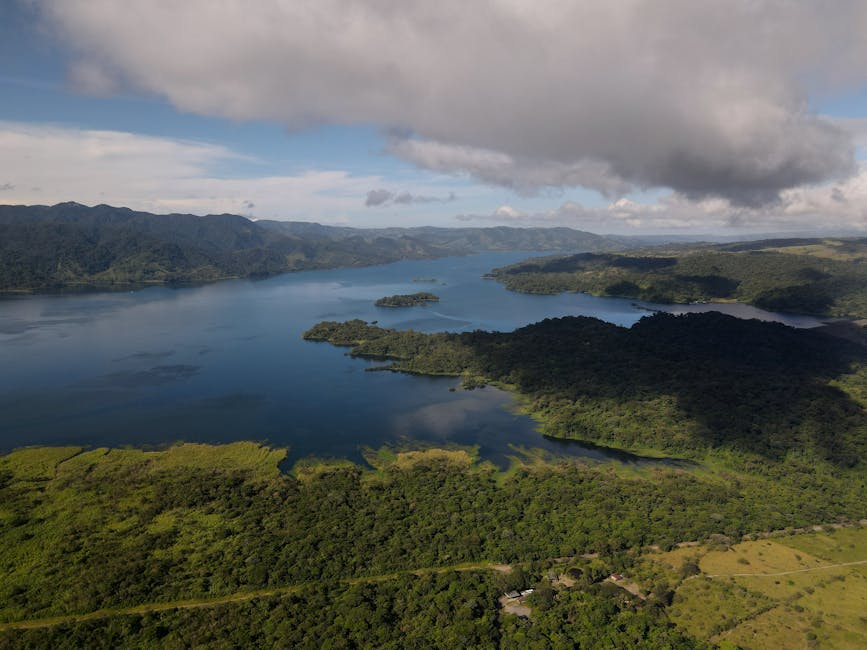
Palo Verde National Park, Costa Rica: Hidden Wetlands, Wildlife & River Safaris (2026)
While crowds flock to Manuel Antonio for its postcard beaches, Palo Verde National Park, Costa Rica delivers one of Central America’s most spectacular wildlife congregations without the tour bus queues. Here, the Tempisque River carves through 45,492 acres of protected wetlands, creating a biological theater where over 300 bird species, including 60,000 migratory waterfowl, perform daily. Your best bet is a boat safari at dawn, when the symphony of howler monkeys and the flash of a roseate spoonbill’s wings define the true, untamed rhythm of Costa Rica.
Why Palo Verde National Park, Costa Rica Stands Out
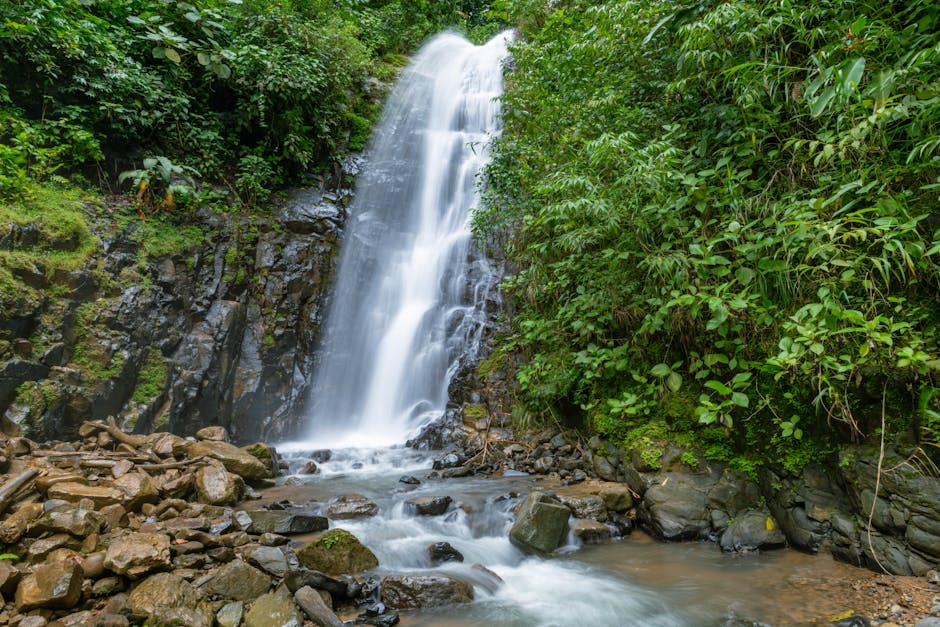
Serene waterfall cascading into rocky pool in Costa Rica’s rainforest., Palo Verde National Park, Costa Rica
- Historic Architecture: The Hacienda Palo Verde, a 19th-century cattle ranch at the park’s edge, offers a glimpse into the region’s agricultural past and now serves as a vital biological station.
- Cultural Scene: The nearby town of Bagaces comes alive each January for the Fiesta de los Negritos, a vibrant dance tradition honoring the Virgin of Candelaria with roots in indigenous and colonial history.
- Local Specialties: After a day on the river, you must try a chilled pipa fría (fresh, sweet coconut water) sold by roadside vendors—the perfect, natural rehydration.
Pro Tip: The absolute best time for wildlife viewing is the dry season (December to April), specifically early morning (6:00 AM – 9:00 AM) or late afternoon (3:00 PM – 5:30 PM). This is when animals are most active at the shrinking water sources, and the light is ideal for photography. Avoid midday heat when most creatures seek shade.
Map of Palo Verde National Park, Costa Rica
Use these interactive maps to explore Palo Verde National Park, Costa Rica and plan your route:
📍 View Palo Verde National Park, Costa Rica on OpenStreetMap
🗺️ Open Palo Verde National Park, Costa Rica in Google Maps
Planning Your Trip: Practical Essentials
Getting There and Around
- By Air: The nearest international airport is Daniel Oduber Quirós (LIR) in Liberia, about a 1.5-hour drive away. Sansa Airlines offers domestic flights from San José to nearby airstrips. Book flights at Skyscanner for best deals.
- By Train: Costa Rica’s passenger train network does not service this region. Interbus shuttles or private transfers are your best alternatives for public transport-style travel.
- By Car: From San José, take the Pan-American Highway (Route 1) north past Cañas, then follow signs to Bagaces and the park entrance. A 4×4 is recommended in the rainy season. Compare car rentals at RentalCars.com.
- Local Transport: Once at the park, your own vehicle or an organized tour is essential. There is no public transport within the park boundaries. Most visitors explore via guided boat tours on the Tempisque River.
Best Time to Visit
Palo Verde has two distinct seasons that dramatically alter the landscape and wildlife viewing. The dry season offers concentrated animal sightings, while the green season paints the forests a brilliant emerald.
| Season | Weather | Highlights |
|---|---|---|
| Dry Season (Dec–Apr) | Hot & sunny, 28°C – 35°C (82°F – 95°F), minimal rain. | Peak wildlife at waterholes, excellent birdwatching (migratory species), dusty trails, most reliable boat tours. |
| Green Season (May–Nov) | Warm & humid, 25°C – 30°C (77°F – 86°F), afternoon showers. | Lush, green scenery, fewer visitors, vibrant frog and insect activity, dramatic skies, some trails may be muddy. |
| Shoulder (Nov/May) | Transitional weather, sporadic showers, warm temperatures. | A balance of greenery and wildlife activity, lower accommodation rates, a good chance to experience both worlds. |
Budgeting for Palo Verde National Park, Costa Rica
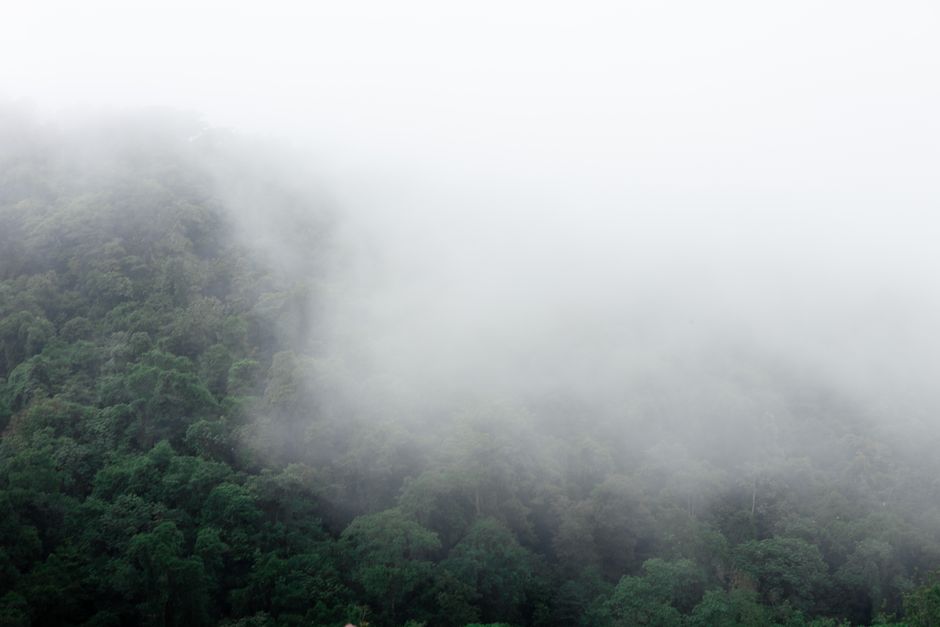
Lush green rainforest shrouded in fog, Palo Verde National Park, Costa Rica
| Category | Budget | Mid-range | Luxury |
|---|---|---|---|
| Accommodation | $15-30 (camping/hostel in Bagaces) | $80-150 (lodge near park) | $200+ (all-inclusive eco-lodge) |
| Meals | $5-10 (sodas, picnic) | $15-25 (lodge restaurant) | $40+ (gourmet dining) |
| Transport | $5 (public bus to area) + tour cost | $50-80 (rental car/day) + gas | $150+ (private driver/transfer) |
| Activities | $10 (park entry) + $30 (group boat tour) | $50-75 (private guided tour) | $120+ (specialized photography tour) |
| Daily Total | $60-80 | $200-330 | $500+ |
Top Attractions and Must-See Sights
| Attraction | Description | Hours | Entry Fee |
|---|---|---|---|
| Tempisque River Boat Safari | The park’s signature experience; glide past crocodiles, iguanas, and massive bird colonies lining the riverbanks. | Tours at 6:00 AM, 9:00 AM, 3:00 PM | $30-$60 per person (tour dependent) |
| Isla de Pájaros (Bird Island) | A river island sanctuary hosting nesting colonies of egrets, herons, cormorants, and the iconic roseate spoonbill. | Visible from boat tours | Included in boat tour |
| Sendero La Venada (The Deer Trail) | A 1.5-mile hiking trail through tropical dry forest, offering chances to see white-tailed deer, howler monkeys, and coatis. | Park hours: 8:00 AM – 4:00 PM | $10 USD foreign adult park entry |
| Laguna de Palo Verde | A large, seasonal lagoon that becomes a magnet for tens of thousands of waterfowl, including ducks, jabirus, and black-bellied whistling ducks. | Best viewed from overlooks or by boat | Included in park entry |
3-Day Itinerary: Palo Verde National Park, Costa Rica’s Highlights & Hidden Gems
Day 1: River Immersion & Arrival
- Morning (7-9 AM): Arrive early at the park’s main entrance. Secure your $10 entry ticket and meet your pre-booked boat tour guide at the Tempisque River dock. The early tour avoids the heat and sees the most animal activity.
- Afternoon (12-3 PM): Enjoy a packed lunch at a park picnic area. Then, hike the Sendero La Venada, keeping your eyes peeled for the park’s namesake “palo verde” (green stick) trees and listening for howler monkeys. For a late lunch, drive 20 minutes to Soda La Parada in Bagaces for a classic Casado (around $7).
- Evening (6-8 PM): Check into your accommodation. For dinner, savor fresh river fish (like Corvina) at the open-air restaurant of Rancho Humo Estancia, watching the sunset over the wetlands.
Day 2: Wetlands Exploration & Cultural Touch
- Morning (6:30 AM): Take a specialized birdwatching tour ($50-$75) focusing on the lagoon areas. With a guide, you’re likely to spot rarer species like the jabiru stork or the elusive limpkin.
- Afternoon (12-3 PM): Visit the Organización para Estudios Tropicales (OET) Palo Verde Biological Station. While primarily a research facility, they sometimes offer educational tours (inquire ahead). Lunch on-site or head back to Bagaces for a quick bite.
- Evening (5:30 PM): Take a late afternoon drive along the park’s internal roads towards the lagoon overlooks. As the light softens, photograph the spectacular congregations of birds coming in to roost. Dinner at your lodge.
Day 3: Volcanic Vistas & Departure
- Morning (8 AM): Drive approximately 1 hour to the Miravalles Volcano area. Soak in the Termales Miravalles hot springs ($25 entry) for a relaxing contrast to days of wildlife spotting.
- Afternoon (12-2 PM): Enjoy a farm-to-table lunch at Restaurante Las Hornillas, where you can see volcanic mud pots and steam vents. Try their locally grown coffee.
- Evening (3 PM+): Begin your journey back to Liberia or San José, or extend your adventure to the nearby Lomas Barbudal Biological Reserve, known as the “insect park” for its incredible diversity of bees and wasps.
Cultural Insights & Etiquette
- Language: Spanish is the official language. Key phrases: “Buenos días” (Good morning), “¿Dónde está el muelle?” (Where is the dock?), “Gracias” (Thank you). English is spoken at most tour operators and lodges.
- Customs: Costa Ricans (Ticos) are famously polite and value “Pura Vida” (pure life)—a greeting and philosophy meaning all is well. Greet people with a smile and a friendly “Buenas.”
- Tipping: A 10% service charge is often added to bills. For exceptional service in restaurants or for tour guides, an additional 5-10% in cash is a generous and appreciated gesture.
- Dress Code: Practical, breathable clothing (quick-dry fabrics), sturdy shoes for hiking, a wide-brimmed hat, and a swimsuit for hot springs. Modest dress is appreciated when visiting small towns.
- Business Hours: Park offices are typically open 8:00 AM – 4:00 PM. Smaller “sodas” (family-run eateries) in towns may close early. Most businesses are closed on major national holidays.
Where to Eat: Palo Verde National Park, Costa Rica’s Best Bites
Dining here is about hearty, traditional “comida típica” that fuels a day of exploration. You’ll find most full-service restaurants attached to lodges, with simple, fantastic sodas in the surrounding towns.
Must-Try Local Specialties
- Gallo Pinto: The national breakfast of rice and beans, often served with eggs, sour cream, and fried plantain. It’s the perfect start to an active day.
- Casado: The classic “married man’s” lunch plate: rice, beans, a protein (chicken, fish, or beef), salad, and sweet plantains. It’s substantial, delicious, and affordable.
- Churchill: A beloved local dessert from Puntarenas (the nearby province): a cup of shaved ice drenched in powdered milk, syrup, and sometimes fruit or ice cream. Find it at roadside stands.
Restaurant Recommendations by Budget
| Type | Restaurant | Specialty | Price Range |
|---|---|---|---|
| Budget | Soda La Parada, Bagaces | Authentic, heaping plates of Casado in a no-frills local setting. | $5-$10 |
| Mid-range | Rancho Humo Estancia Restaurant | Beautiful wetland views and expertly prepared Costa Rican cuisine with a modern twist. | $15-$30 |
| Fine dining | Restaurante Las Hornillas, near Miravalles | Innovative dishes using volcanic heat for cooking, set in a stunning garden. | $30-$50 |
Where to Stay
Accommodation ranges from basic biological station bunks to luxurious eco-lodges. Most savvy visitors choose to stay at a lodge near the park entrance for easy early access. Compare prices and book at Booking.com or Airbnb for apartments in nearby towns like Bagaces.
Best Neighborhoods for Accommodation
- Lodges on the Park’s Edge: Characterized by rustic charm and immediate access to nature. Pros: wildlife right outside your door, early tour access. Cons: limited dining options outside the lodge. Best for serious nature lovers and photographers.
- Bagaces Town: A small, authentic Tico town about 20 minutes away. Pros: lower costs, local culture, several sodas. Cons: requires a drive to the park. Best for budget travelers and those wanting a cultural touchpoint.
- Miravalles Volcano Area: Located about an hour’s drive northeast. Pros: stunning volcanic scenery, hot springs, cooler climate. Cons: a significant daily commute to Palo Verde. Best for those combining wetland and volcanic experiences over several days.

Tropical beach in Limón, Palo Verde National Park, Costa Rica
FAQs: Your Palo Verde National Park, Costa Rica Questions Answered
1. Is Palo Verde National Park, Costa Rica safe at night?
The park itself is closed to visitors at night. The surrounding rural areas are generally very safe. Standard precautions apply: secure your valuables, don’t walk alone on unlit remote roads at night, and follow your lodge’s advice. The primary “danger” is from wildlife—never approach wild animals like crocodiles or snakes.
2. What currency is used and are credit cards accepted?
The Costa Rican Colón (CRC) is the official currency, but US dollars are widely accepted. Park entry fees are typically charged in USD. Credit cards (Visa/Mastercard) are accepted at most lodges and tour operators, but smaller sodas and roadside stands are cash-only. Your best bet is to carry a mix of small USD bills and colones.
3. How do I get from the airport to the park?
From Liberia International Airport (LIR), it’s a 1.5-hour drive. Options include: pre-booking a private transfer ($80-$120), renting a car, or taking a shared shuttle to the town of Bagaces (approx. $35) and then a taxi to your lodge. Book airport transfers at GetYourGuide for convenience.
4. Do I need to speak the local language?
Not necessarily for the core tourist experience. Tour guides and lodge staff almost always speak excellent English. Learning a few basic Spanish phrases, however, is greatly appreciated by locals in towns and will enrich your interactions. A simple “Por favor” (please) and “Gracias” goes a long way.
5. What’s the appropriate dress code?
Think functional and

