
The Ultimate Osaka Guide: Street Food, Castles & Neon Nights
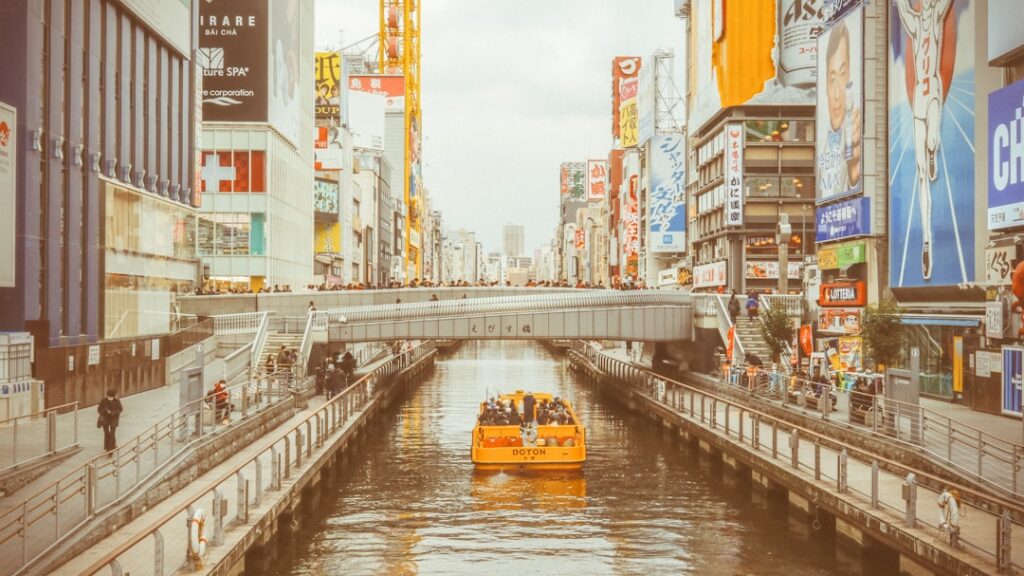
Osaka isn’t just a destination—it’s a vibrant urban feast. The sizzle of takoyaki griddles fills Dotonbori’s air as giant neon signs reflect off canal waters, while the scent of okonomiyaki sauce mingles with cherry blossoms in Osaka Castle Park. This is Japan’s kitchen and entertainment capital, where ancient traditions meet modern energy in perfect harmony.
Why Osaka Stands Out

A sign on the side of a building that says oska station, Osaka
- Historic Architecture: Osaka Castle (1583) – Toyotomi Hideyoshi’s magnificent fortress that symbolizes Japan’s unification.
- Cultural Scene: Tenjin Matsuri Festival – One of Japan’s three great festivals with river processions and fireworks every July 24-25.
- Local Specialties: Takoyaki – The city’s iconic street food: batter balls filled with octopus, topped with savory sauce and dancing bonito flakes.
Pro Tip: Visit during cherry blossom season (late March to early April) but avoid Golden Week (April 29-May 5) when domestic tourism peaks. For smaller crowds, arrive at major attractions like Osaka Castle at opening time (9 AM) on weekdays.
Map of Osaka
Use these interactive maps to explore Osaka and plan your route:
📍 View Osaka on OpenStreetMap
🗺️ Open Osaka in Google Maps
Planning Your Trip: Practical Essentials
Getting There and Around
- By Air: Kansai International Airport (KIX) serves international flights; Itami Airport (ITM) handles domestic routes. Nankai Railway or JR Haruka Express connect to city center in 45-60 minutes (¥1,200-3,000). Book flights at Skyscanner for best deals.
- By Train: Shinkansen from Tokyo takes 2.5-3 hours (¥14,500). Osaka Station connects to Kyoto (30 minutes), Kobe (20 minutes), and Nara (45 minutes). Reserve tickets at Trainline or the national railway website.
- By Car: Not recommended for city exploration due to heavy traffic and expensive parking (¥300-600/hour). Useful for day trips to Mount Koya or Wakayama. Compare car rentals at RentalCars.com.
- Local Transport: Osaka Amazing Pass (¥2,800/2 days) includes subway/bus unlimited rides and 40+ attraction entries. Single subway rides cost ¥180-370. Check official city transport websites for passes and schedules.
Best Time to Visit
Spring (March-May) and autumn (September-November) offer ideal weather with mild temperatures and seasonal beauty. Summer brings humidity and festivals, while winter offers fewer crowds and illuminations.
| Season | Weather | Highlights |
|---|---|---|
| Summer (Jun–Aug) | 25-35°C, humid, rainy season in June-July | Tenjin Matsuri festival, river cruises, summer fireworks, crowded attractions |
| Winter (Dec–Feb) | 5-10°C, dry, occasional cold snaps | Christmas illuminations, hot pot dining, fewer tourists, warm castle interiors |
| Shoulder (Apr–May/Sep–Oct) | 15-25°C, mild, comfortable | Cherry blossoms (spring) or autumn colors, perfect walking weather, festival seasons |
Budgeting for Osaka

Worm’s eye view of tower building under nimbus cloud, Osaka
| Category | Budget | Mid-range | Luxury |
|---|---|---|---|
| Accommodation | ¥3,000-6,000/night (hostels/capsule hotels) | ¥10,000-20,000/night (business hotels) | ¥30,000+/night (luxury hotels like St. Regis) |
| Meals | ¥500-1,000/meal (convenience store/street food) | ¥1,500-3,000/meal (restaurant dining) | ¥10,000+/meal (kaiseki/fine dining) |
| Transport | ¥800/day (subway pass) | ¥1,500/day (subway + occasional taxi) | ¥5,000+/day (private car/taxi tours) |
| Activities | ¥0-1,500 (parks/free temples) | ¥2,000-4,000 (museums/castle entry) | ¥10,000+ (private guides/special experiences) |
| Daily Total | ¥5,000-8,000 | ¥15,000-25,000 | ¥50,000+ |
Top Attractions and Must-See Sights
| Attraction | Description | Hours | Entry Fee |
|---|---|---|---|
| Osaka Castle | Iconic 16th-century castle with museum exhibits and panoramic city views from 8th floor | 9:00-17:00 (last entry 16:30) | ¥600 |
| Dotonbori | Osaka’s legendary entertainment district with giant mechanical signs, street food, and canal cruises | 24/7 (shops 11:00-23:00) | Free (cruise ¥1,500) |
| Kuromon Ichiba Market | 300-meter covered market known as “Osaka’s Kitchen” with fresh seafood and local delicacies | 9:00-18:00 (varies by shop) | Free |
| Shinsekai & Tsutenkaku Tower | Retro entertainment district with 103m observation tower offering 360° city views | 10:30-20:00 (tower) | ¥900 (tower) |
3-Day Itinerary: Osaka’s Highlights & Hidden Gems
Day 1: Historic Osaka & Castle Exploration
- Morning: 8:30 AM arrival at Osaka Castle (¥600) before crowds. Climb to 8th floor for panoramic views and see gold leaf tea room recreation. Don’t miss the stone wall museum in basement.
- Afternoon: 12:30 PM lunch at Yukari (Osaka Business Park) for authentic okonomiyaki (¥1,800). Then explore Osaka Museum of History (¥600) connected to castle via underground passage.
- Evening: 6:00 PM dinner at Endo Sushi (¥3,500) in Central Fish Market, then walk to Nakanoshima Park for illuminated rose garden (free, until 22:00).
Day 2: Street Food & Neon Nights
- Morning: 9:00 AM Kuromon Ichiba Market tour – try uni (sea urchin) ¥2,000, giant scallops ¥800, and Kobe beef skewers ¥1,500. Visit before 11:00 to avoid lunch crowds.
- Afternoon: 1:30 PM shopping in Shinsaibashi covered arcade, then dessert at Pablo Cheese Tart (¥400). Visit Hozen-ji Temple hidden alleyway with moss-covered Fudo statue.
- Evening: 6:00 PM Dotonbori food crawl: try takoyaki at Kukuru (¥500), ramen at Kinryu (¥900), then river cruise (¥1,500). See Glico Running Man sign illuminated after dark.
Day 3: Retro Vibes & Modern Views
- Morning: Subway to Shinsekai (¥230, 15 minutes). Ride Tsutenkaku Tower (¥900) for views, then play vintage games at Janjan Yokocho alley. Try kushikatsu (deep-fried skewers) at Daruma (¥1,200).
- Afternoon: Train to Umeda Sky Building (¥1,500) – walk floating garden observatory 170m high. Lunch at restaurant floor with city views (¥2,500).
- Evening: Final dinner at Zauo Fishing Restaurant (¥3,000) where you catch your own fish, then experience public bath at Spa World (¥1,400) with international themed baths open until 8:45 AM.
Cultural Insights & Etiquette
- Language: Learn “sumimasen” (excuse me), “arigato gozaimasu” (thank you), “oishii” (delicious). Most signs have English, younger locals often speak some English.
- Customs: Remove shoes when entering homes, temples, and some restaurants. Bow slightly when greeting. Don’t eat while walking – find a spot to stand and eat.
- Tipping: Not expected or required. Excellent service is standard. Leaving cash may cause confusion.
- Dress Code: Modest clothing for temples (cover shoulders/knees). Business casual for nicer restaurants. Comfortable shoes essential for walking.
- Business Hours: Department stores 10:00-20:00, museums 9:00-17:00 (often closed Mondays), restaurants 11:00-23:00. Many attractions close Dec 29-Jan 3.
Where to Eat: Osaka’s Best Bites
Osaka earns its “Japan’s Kitchen” nickname through incredible street food, casual eateries, and innovative restaurants. The city invented many Japanese comfort foods and takes pride in “kuidaore” (eat until you drop) culture.
Must-Try Local Specialties
- Takoyaki: Octopus-filled batter balls cooked in special pans, topped with sauce, mayo, and bonito flakes. Best at Aizuya (established 1933) or street stalls in Dotonbori.
- Okonomiyaki: Savory pancake with cabbage, meat/seafood, and special sauce. Try at Mizuno (Dotonbori) or Fugetsu (multiple locations) where you cook at table.
- Kushikatsu: Deep-fried skewered meat and vegetables. Daruma in Shinsekai is legendary – remember no double-dipping in the shared sauce!
Restaurant Recommendations by Budget
| Type | Restaurant | Specialty | Price Range |
|---|---|---|---|
| Budget | Ichiran Ramen (Dotonbori) | Private booth tonkotsu ramen | ¥890-1,300 |
| Mid-range | Harukoma Sushi (Namba) | Conveyor belt sushi with local fish | ¥2,000-3,500 |
| Fine dining | Hajime | Michelin 3-star French-inspired kaiseki | ¥30,000+ |
Where to Stay
Namba/Shinsaibashi offers best access to dining and nightlife, Umeda provides business convenience, while Shinsekai gives retro charm. Compare prices and book at Booking.com or Airbnb for apartments.
Best Neighborhoods for Accommodation
- Namba/Shinsaibashi: Best for first-time visitors – walking distance to Dotonbori, great transport links, but can be noisy at night. Suits food lovers and nightlife seekers.
- Umeda: Business district with luxury hotels, excellent train connections, and department stores. Quieter at night, better for families and business travelers.
- Shinsekai: Retro neighborhood with character, cheaper accommodations, and local vibe. Further from main attractions but authentic Osaka experience.

A tall white building sitting next to a forest, Osaka
FAQs: Your Osaka Questions Answered
1. Is Osaka safe at night?
Extremely safe. Dotonbori and entertainment districts remain lively until late with people and lights. Normal precautions apply (watch belongings in crowds), but violent crime is very rare. Women can feel comfortable walking alone in most areas.
2. What currency is used and are credit cards accepted?
Japanese Yen (¥). Credit cards accepted at hotels, department stores, and larger restaurants, but carry cash for street food, markets, small shops, and temples. 7-Eleven ATMs accept foreign cards (open 24/7).
3. How do I get from the airport to the city center?
From Kansai Airport: Nankai Railway to Namba (45 minutes, ¥1,430) or JR Haruka Express to Tennoji/Osaka Station (50-60 minutes, ¥1,700-3,000). Limousine buses to major hotels (60 minutes, ¥1,550). Book airport transfers at GetYourGuide for convenience.
4. Do I need to speak the local language?
Not essential but appreciated. Most signs have English, and many restaurants have picture menus or plastic food displays. Learn basic phrases: “sumimasen” (excuse me), “kore kudasai” (this please), “arigato” (thank you). Translation apps helpful for complex situations.
5. What’s the appropriate dress code?
Casual but neat. Comfortable walking shoes essential. For temples, cover shoulders and knees (carry light scarf). nicer restaurants may refuse entry to beachwear or overly casual attire. Business hotels often provide yukata robes for relaxing.
Final Thoughts: Osaka Awaits
Osaka delivers an authentic Japanese experience with fewer formalities than Tokyo and more culinary excitement than Kyoto. From the historic walls of Osaka Castle to the neon-drenched canals of Dotonbori, this city balances ancient traditions with modern energy perfectly. The people’s warmth, the food’s incredible diversity, and the city’s convenient location make Osaka an essential stop that will leave you planning your return before you’ve even departed. Come hungry, leave happy, and discover why Osaka truly earns its title as Japan’s kitchen.
Keywords
Osaka travel guide, Osaka attractions, things to do in Osaka, Osaka itinerary, Osaka restaurants, Osaka hotels, visit Osaka, Osaka tourism, Osaka vacation, Osaka trip planning

