
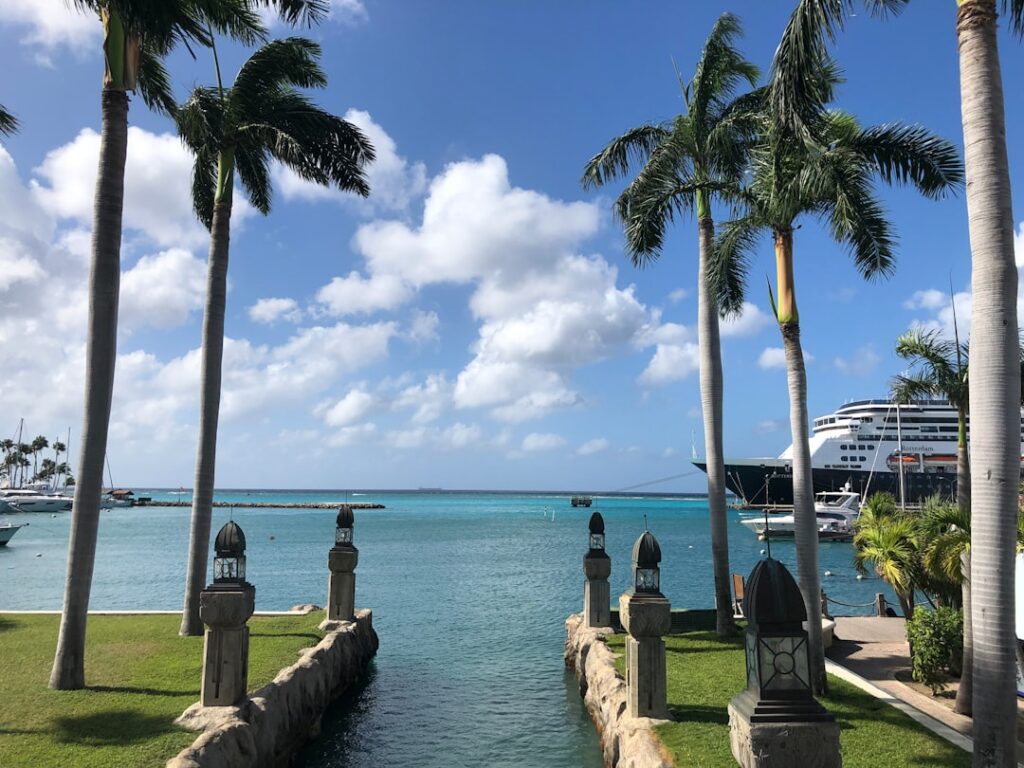
Oranjestad, Aruba: Incredible Pastel Charm, Duty-Free Bliss & Caribbean Culture (2026)
While crowds flock to the high-rise hotels of Palm Beach, Oranjestad delivers the authentic Aruban soul just 15 minutes south. Here, you’ll find a capital city where Dutch colonial architecture is painted in a candy-colored palette of ochre, coral, and sky blue, where the scent of fresh *pastechi* pastries mingles with salty sea air, and where the real treasure isn’t just the sun—it’s the vibrant, walkable culture. This is where the island’s history, from aloe cultivation to gold rush dreams, comes to life on every street corner.
Why Oranjestad, Aruba Stands Out

A red trolley car traveling down a street next to palm trees, Oranjestad, Aruba
- Historic Architecture: The iconic Willem III Tower, part of Fort Zoutman built in 1798, is the island’s oldest structure and a proud symbol of its colonial past.
- Cultural Scene: The weekly Bon Bini Festival every Tuesday evening transforms Fort Zoutman’s courtyard into a vibrant hub of folk music, dance, and local crafts.
- Local Specialties: You must try *Keshi Yena*, a savory masterpiece of spiced meat stuffed inside a baked Gouda cheese shell, a dish born from resourcefulness during the colonial era.
Pro Tip: Visit between late April and early December (the “shoulder” and low season) for significantly lower hotel rates—often 30-50% less than peak winter prices—and far fewer cruise ship crowds, especially on weekdays. The weather is still fantastic, with more consistent trade winds.
Map of Oranjestad, Aruba
Use these interactive maps to explore Oranjestad, Aruba and plan your route:
📍 View Oranjestad, Aruba on OpenStreetMap
🗺️ Open Oranjestad, Aruba in Google Maps
Planning Your Trip: Practical Essentials
Getting There and Around
- By Air: All flights arrive at Queen Beatrix International Airport (AUA), just a 10-minute drive from downtown. Major U.S. carriers like JetBlue, American, and United offer direct routes. Book flights at Skyscanner for best deals.
- By Train: Aruba has no railway system. Inter-island travel is by air or sea.
- By Car: Renting a car is the best way to explore the island beyond Oranjestad. Driving is on the right. Parking in town can be tricky; use the large lot near the cruise port. Compare car rentals at RentalCars.com.
- Local Transport: Arubus public buses are reliable and cheap (single fare ~$2.60 AWG). Route L10 runs from the hotel strip to downtown. Taxis are unmetered; agree on a fare before getting in (airport to downtown is ~$20-25 USD).
Best Time to Visit
Aruba enjoys a sunny, desert-like climate year-round, outside the hurricane belt. The key difference is between the busy, expensive dry season and the slightly warmer, rainier, but value-packed summer.
| Season | Weather | Highlights |
|---|---|---|
| High Season (Dec–Apr) | 78-85°F (26-29°C), low humidity, minimal rain. | Perfect beach weather, but peak crowds and prices. Book everything months ahead. |
| Low Season (Jun–Nov) | 82-90°F (28-32°C), higher humidity, brief afternoon showers possible. | Best hotel deals, lush landscape, fewer tourists. Ideal for budget-savvy travelers. |
| Shoulder (May & late Nov) | A pleasant mix—warm days, comfortable evenings, transitioning rainfall. | The sweet spot: great weather, thinning crowds, and prices starting to drop or rise gently. |
Budgeting for Oranjestad, Aruba

A flag flying in the wind on top of a building, Oranjestad, Aruba
| Category | Budget | Mid-range | Luxury |
|---|---|---|---|
| Accommodation | $80-120/night (guesthouse/B&B) | $180-300/night (boutique hotel) | $400+/night (beachfront resort suite) |
| Meals | $15-25 (food truck/local snack) | $40-70 (sit-down restaurant) | $100+/person (fine dining) |
| Transport | $5/day (bus pass) | $50/day (rental car/taxis) | $150+/day (private driver) |
| Activities | $0-30 (beaches, walking tours) | $50-100 (museum entries, tours) | $200+ (private sailing, spa) |
| Daily Total | $100-180 | $300-500 | $750+ |
Top Attractions and Must-See Sights
| Attraction | Description | Hours | Entry Fee |
|---|---|---|---|
| Fort Zoutman & Historical Museum | Climb the Willem III Tower for panoramic views and explore Aruba’s history from indigenous times to the present. | Mon-Fri 8:00 AM – 4:00 PM | $10 USD |
| Aruba Aloe Factory & Museum | Tour the historic factory to see how Aruba’s famous aloe vera is harvested and processed into skincare products. | Mon-Sat 8:30 AM – 5:00 PM | Free (Tours $5) |
| Archaeological Museum of Aruba | Houses a fascinating collection of Caquetío Indian artifacts, telling the story of the island’s first inhabitants. | Tue-Sun 10:00 AM – 5:00 PM | $6.50 USD |
| Renaissance Marketplace & Seaport | A bustling waterfront complex with duty-free shops, cafes, and the departure point for the ferry to Renaissance Private Island (flamingo beach). | Shops: 10:00 AM – 6:00 PM | Free (Island access requires a pass) |
3-Day Itinerary: Oranjestad, Aruba’s Highlights & Hidden Gems
Day 1: Historic Heart & Harbor Views
- Morning (8:00 AM): Start at Wilhelmina Park, a serene green space with stunning harbor views. Walk along the Linear Park path towards town, admiring the colorful murals.
- Afternoon (12:30 PM): Explore the Fort Zoutman Historical Museum ($10). For lunch, head to Que Pasa? for their famous *Keshi Yena* and a cocktail on their vibrant patio.
- Evening (6:00 PM): If it’s a Tuesday, don’t miss the Bon Bini Festival at Fort Zoutman ($10). Otherwise, enjoy sunset drinks at The West Deck, a toes-in-the-sand restaurant, followed by fresh seafood dinner.
Day 2: Shopping, Stories & Sunset Sails
- Morning (9:00 AM): Dive into duty-free shopping on Caya G.F. Betico Croes (Main Street). For a cultural break, visit the Archaeological Museum ($6.50). Grab a quick *pastechi* (savory pastry) from a street vendor.
- Afternoon (1:30 PM): Take the informative tour at the Aruba Aloe Factory (free entry, tour $5). Then, cool off with a local Balashi beer at a cafe along the waterfront.
- Evening (5:00 PM): Book a sunset catamaran cruise departing from the Renaissance Marina (~$65 per person). After, have dinner at Pinchos Grill & Bar, a romantic pier restaurant over the water.
Day 3: Island Escape & Local Flavors
- Morning (8:30 AM): Take the ferry from Renaissance Marina to Renaissance Private Island (access is included for hotel guests; day passes for others are limited and ~$125). Relax on the famous flamingo beach.
- Afternoon (1:00 PM): Return to the mainland for a late lunch at Linda’s Dutch Pancakes & Pizza for a unique, filling Dutch-style pancake.
- Evening (6:30 PM): For your final night, savor an upscale dinner at Fred Restaurant, set in a restored historic mansion. End with a stroll along the illuminated harbor.
Cultural Insights & Etiquette
- Language: The official languages are Dutch and Papiamento, but English is widely spoken, as is Spanish. A friendly “Bon dia” (Good day) or “Masha danki” (Thank you very much) in Papiamento is always appreciated.
- Customs: Arubans are famously friendly and polite. A warm greeting is standard. It’s considered respectful to dress modestly when away from the beach, especially in town.
- Tipping: Most restaurants add a 10-15% service charge to the bill. It’s customary to leave an additional 5-10% for exceptional service. Tip taxi drivers and tour guides 10-15%.
- Dress Code: Beachwear is for the beach. In town, cover up with a shirt, shorts, or a sundress. “Resort casual” is perfect for most restaurants.
- Business Hours: Shops generally open from 9:00 AM to 6:00 PM, often closing for a midday siesta from 12:00 PM to 2:00 PM. Many are closed on Sundays. Banks keep shorter hours (8:00 AM – 4:00 PM).
Where to Eat: Oranjestad, Aruba’s Best Bites
Oranjestad’s dining scene is a delicious fusion of Dutch, Caribbean, Latin American, and Indonesian influences. You’ll find everything from unassuming *snack* bars serving local comfort food to world-class fine dining.
Must-Try Local Specialties
- Keshi Yena: The national dish. A hollowed-out Edam or Gouda cheese shell stuffed with spiced chicken, beef, or fish, then baked. Find it at traditional spots like Que Pasa? or Zeerover (in nearby Savaneta).
- Fresh Seafood: Don’t miss the catch of the day, often grilled simply with garlic butter. The West Deck and Pinchos Grill & Bar are top choices.
- Pastechi: These golden, fried pastries are filled with cheese, chicken, or beef. Grab them on the go from local bakeries like Mama’s & Papa’s for an authentic snack.
Restaurant Recommendations by Budget
| Type | Restaurant | Specialty | Price Range |
|---|---|---|---|
| Budget | Eetcafe The Paddock (Lloyd G. Smith Blvd) | Hearty local Aruban and Dutch dishes in a casual pub setting. | $10-20 per entree |
| Mid-range | Que Pasa? (Royal Plaza Mall) | Creative twists on local cuisine, famous for Keshi Yena and vibrant atmosphere. | $25-45 per entree |
| Fine dining | Fred Restaurant (Wilhelminastraat) | Modern French-Caribbean fusion in an elegant, restored cunucu house. | $50+ per entree |
Where to Stay
While many visitors stay in the high-rise hotel zone, choosing a boutique hotel or guesthouse in or near Oranjestad offers a more authentic and walkable experience. Compare prices and book at Booking.com or Airbnb for apartments.
Best Neighborhoods for Accommodation
- Downtown Oranjestad: Perfect for being in the heart of the action—steps from shopping, museums, and restaurants. Can be noisy during cruise ship days. Ideal for short stays and explorers.
- Lloyd G. Smith Boulevard (just north of downtown): A quieter area with several boutique hotels, easy walking distance to town and the Linear Park. Offers a good balance of convenience and relaxation.
- Palm Beach/Eagle Beach (10-15 min drive): If your priority is a sprawling resort on a pristine beach, this is the zone. You’ll need a car or taxi to get into Oranjestad regularly.

A white boat traveling down a body of water, Oranjestad, Aruba
FAQs: Your Oranjestad, Aruba Questions Answered
1. Is Oranjestad, Aruba safe at night?
Aruba is one of the safest islands in the Caribbean. Oranjestad is generally very safe for walking at night, especially in the main shopping and dining districts. As in any city, practice basic caution: stay in well-lit areas, don’t flash valuables, and be aware of your surroundings.
2. What currency is used and are credit cards accepted?
The official currency is the Aruban Florin (AWG), but U.S. Dollars are universally accepted at a fixed rate of about 1.75 AWG to $1 USD. You’ll often get change in Florins. Credit cards (Visa/Mastercard most common) are accepted almost everywhere. It’s wise to carry some small bills for tips and local vendors.
3. How do I get from the airport to the city center?
Queen Beatrix Airport is only 3 km from downtown. A taxi takes 10 minutes and costs a fixed rate of ~$20-25 USD. There is no direct public bus from the airport; you’d need to walk to the main road. For convenience, pre-book a transfer at GetYourGuide.
4. Do I need to speak the local language?
Not at all. English is spoken fluently in all tourist areas, hotels, and restaurants. You’ll also hear Dutch, Spanish, and the melodic local language, Papiamento. Learning a few basic Papiamento greetings will earn you big smiles.
5. What’s the appropriate dress code?
Aruba is casual but neat. Swimwear is for the beach/pool only—cover up with a shirt or cover-up when walking through town or entering shops. For most restaurants, nice shorts, sundresses, and polo shirts are perfect. A few upscale restaurants may request collared shirts for men and prohibit shorts at dinner.
Final Thoughts: Oranjestad, Aruba Awaits
Oranjestad offers

