
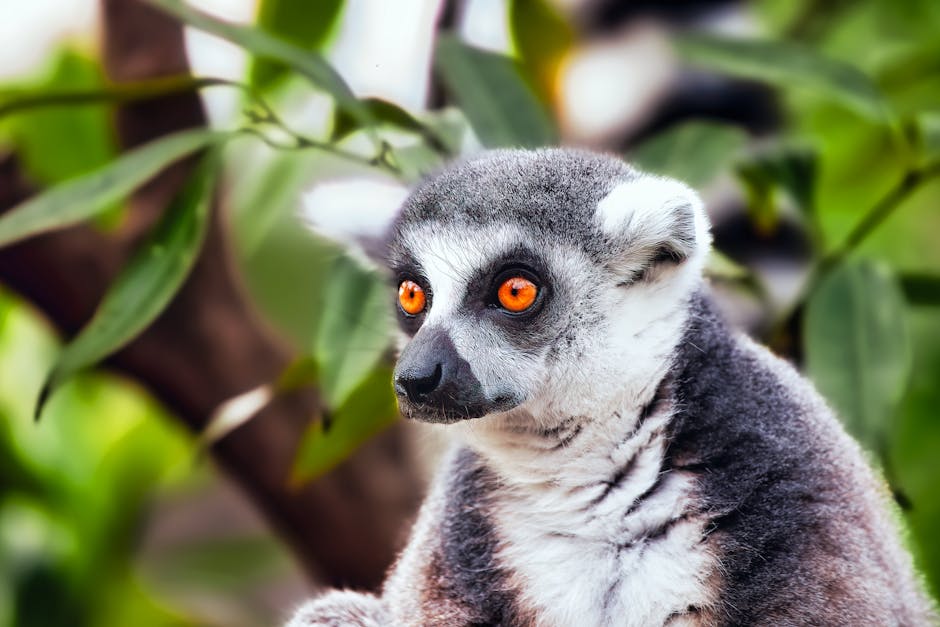
Nosy Mangabe, Madagascar’s Epic Lemurs, Rainforests & Pirate History (2026)
Just before dawn, the haunting, whale-like call of the indri echoes through the mist-shrouded rainforest of Nosy Mangabe, Madagascar. This 520-hectare island reserve, a 20-minute pirogue ride from Maroantsetra, is home to a population density of lemurs that rivals anywhere on Earth, including the critically endangered aye-aye. While thousands visit the mainland parks, fewer than 2,000 travelers a year make the crossing to this sacred, predator-free sanctuary where the forest floor rustles with leaf-tailed geckos and the trees are a living theater of primate life.
Why Nosy Mangabe, Madagascar Stands Out

Black and white photo of a city hall with flags in Madagascar, Nosy Mangabe, Madagascar
- Historic Architecture: The 17th-century Dutch navigational stone, carved with dates and ships’ names, stands as one of the oldest European inscriptions in Madagascar, marking the island’s role as a key shelter for sailors.
- Cultural Scene: The island is considered a sacred *fady* (taboo) site by the local Antambahoaka people, with certain areas protected by ancestral traditions that have preserved its ecosystem for centuries.
- Local Specialties: In Maroantsetra, don’t miss *Ravitoto sy henakisoa* – a rich, flavorful stew of shredded cassava leaves and pork, slow-cooked to perfection and served with local rice.
Pro Tip: The absolute best time for wildlife viewing is during the drier months of September to November. Not only are trails more accessible, but this is the breeding season for many lemurs, making them more active and vocal. Avoid the cyclone season from January to March, when boat transfers are often canceled.
Map of Nosy Mangabe, Madagascar
Use these interactive maps to explore Nosy Mangabe, Madagascar and plan your route:
📍 View Nosy Mangabe, Madagascar on OpenStreetMap
🗺️ Open Nosy Mangabe, Madagascar in Google Maps
Planning Your Trip: Practical Essentials
Getting There and Around
- By Air: Fly into Maroantsetra Airport (WMN) from Antananarivo via Tsaradia (Madagascar Airlines). Flights are 1.5 hours but weather-dependent. Book flights at Skyscanner for best deals.
- By Train: No train service reaches this remote northeastern coast. Your journey will be exclusively by air and boat.
- By Car: Road travel from Tana to Maroantsetra is a grueling 2-3 day 4×4 journey only recommended for the most adventurous. Compare car rentals at RentalCars.com for mainland exploration.
- Local Transport: In Maroantsetra, *pousse-pousse* (rickshaws) cost about 1,000 MGA for short trips. The only way to Nosy Mangabe is by chartered motorized pirogue (approx. 100,000 MGA round-trip for a group, arranged through your hotel or a local guide).
Best Time to Visit
Timing is everything for a successful Nosy Mangabe expedition. The climate is humid tropical, and your experience hinges on balancing wildlife activity with accessibility.
| Season | Weather | Highlights |
|---|---|---|
| Dry Season (Sep–Nov) | 22°C–28°C (72°F–82°F), low rainfall, manageable humidity | Prime lemur viewing, active aye-ayes, navigable trails, best boat conditions |
| Wet Season (Dec–Mar) | 25°C–30°C (77°F–86°F), heavy daily rain, cyclone risk | Lush, vibrant greenery, but trails are muddy, insects prolific, boat trips frequently canceled |
| Shoulder (Apr–Aug) | 20°C–25°C (68°F–77°F), cooler, sporadic rain | Fewer visitors, pleasant hiking temperatures, though some wildlife is less conspicuous |
Budgeting for Nosy Mangabe, Madagascar
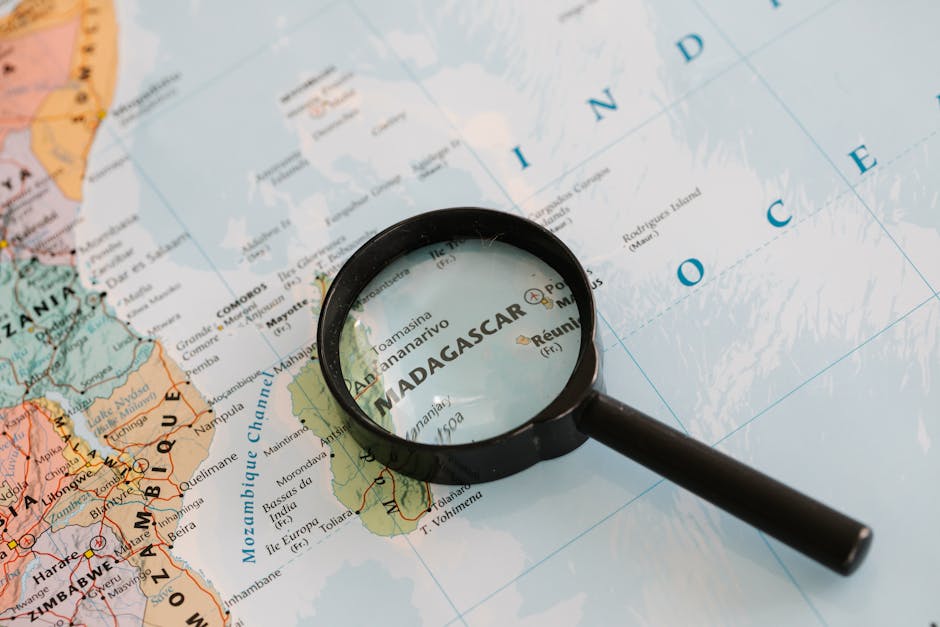
Close-up of Madagascar on a map with a magnifying glass highlighting the area., Nosy Mangabe, Madagascar
| Category | Budget | Mid-range | Luxury |
|---|---|---|---|
| Accommodation | 30,000-60,000 MGA/night (basic bungalow in Maroantsetra) | 80,000-150,000 MGA/night (comfortable lodge with meals) | 200,000+ MGA/night (full-board eco-lodge with guided services) |
| Meals | 5,000-10,000 MGA (street food, small *hotely*) | 15,000-25,000 MGA (restaurant meal) | 30,000+ MGA (lodge dining) |
| Transport | Shared pirogue (25,000 MGA/person), pousse-pousse | Private pirogue charter (100,000 MGA/group), 4×4 taxi | Private boat & driver, arranged airport transfers |
| Activities | Park fee (~55,000 MGA/3 days), self-guided hike | Mandatory local guide (25,000 MGA/day), night walk | Private specialist guide (bird/lemur focus), multi-day camping |
| Daily Total | ~110,000 MGA ($25) | ~220,000 MGA ($50) | 400,000+ MGA ($90+) |
Top Attractions and Must-See Sights
| Attraction | Description | Hours | Entry Fee |
|---|---|---|---|
| Nosy Mangabe Special Reserve | A pristine rainforest island sanctuary for five lemur species, including the aye-aye, and countless reptiles and birds. | Daylight hours; camping overnight with permit | ~55,000 MGA for 3-day park permit (mandatory) |
| Aye-Aye Spotting Night Walk | A guided nocturnal quest to see the world’s largest nocturnal primate, with its unique skeletal middle finger. | After dusk, approx. 7 PM – 9 PM | Guide fee + small tip (approx. 30,000 MGA total) |
| The Dutch Stone (Vato Holandey) | Historical inscriptions from 1601 left by Dutch sailors, offering a tangible link to the island’s past as a safe harbor. | Accessible anytime on the island | Included in park fee |
| Rainforest Canopy & Waterfall Hike | A challenging hike to the island’s summit (331m) past giant ferns, orchids, and a small waterfall with a refreshing pool. | Daylight hours recommended | Included in park fee (guide recommended: 25,000 MGA) |
3-Day Itinerary: Nosy Mangabe, Madagascar’s Highlights & Hidden Gems
Day 1: Arrival & Maroantsetra Immersion
- Morning (7-9 AM): Arrive at Maroantsetra Airport. Transfer to your hotel (pre-booked). Savvy visitors know to immediately confirm their Nosy Mangabe boat charter for tomorrow with the hotel manager.
- Afternoon (12-3 PM): Explore Maroantsetra’s bustling market along the main road. Sample fresh lychees (in season) or *koba* (banana and peanut cake). Have lunch at **Chez Madame Chabaud**, a local institution, for their superb seafood *court-bouillon* (15,000 MGA).
- Evening (6-8 PM): Sunset stroll along the wharf watching pirogues come in. Dinner at your lodge, trying the local *brochettes* (skewers) and Three Horses Beer (“THB”).
Day 2: Nosy Mangabe Island Adventure
- Morning (7 AM): Early boat departure from Maroantsetra wharf (20-30 min crossing). Upon arrival, pay park fees and secure a mandatory local guide (25,000 MGA). Your first hike will likely reveal white-fronted brown lemurs and leaf-tailed geckos almost immediately.
- Afternoon (12-3 PM): Picnic lunch on the island’s small beach. Swim in the clear, calm bay. Afternoon guided hike focuses on botany and birding—listen for the blue coua’s distinctive call.
- Evening (7 PM): Return to Maroantsetra. For dinner, head to **Relais du Masoala** for a well-earned pizza or a hearty *soupe chinoise* (20,000 MGA).
Day 3: Deep Exploration & Nocturnal Wonders
- Morning (8 AM): Second boat trip to Nosy Mangabe. Today, hike to the summit for panoramic Bay of Antongil views. Visit the Dutch Stone and the smaller waterfall.
- Afternoon (12 PM): Relax on the beach, snorkel over the rocky reefs (bring your own gear). Pack a simple lunch from your hotel.
- Evening (After dusk): The pinnacle experience: a guided **night walk** (approx. 7:30 PM start) to search for the elusive aye-aye. With red-filtered torches, you’ll also see mouse lemurs and sleeping chameleons. Return to mainland by 9:30 PM for a late dinner.
Cultural Insights & Etiquette
- Language: Malagasy is the official language. Key phrases: *Manao ahoana* (Hello), *Misaotra* (Thank you), *Azafady* (Please/Excuse me). French is widely spoken in tourist areas; English less so.
- Customs: Always ask permission before taking photos of people. The island has *fady* (taboos)—respect all guide instructions, such as not pointing at tombs with your finger or whistling in certain areas.
- Tipping: Not mandatory but greatly appreciated. For guides, 5,000-10,000 MGA per day is standard. For boat drivers, a similar amount. Round up restaurant bills.
- Dress Code: Modest, lightweight clothing is key. For rainforest hikes, wear long pants and sleeves to protect against insects and leeches. Sturdy, waterproof hiking shoes are essential.
- Business Hours: Shops in Maroantsetra typically open 8 AM–12 PM and 2 PM–6 PM. Government offices and banks keep shorter hours. Always confirm boat times the day before.
Where to Eat: Nosy Mangabe, Madagascar’s Best Bites
Dining here is about fresh, simple ingredients. Maroantsetra, as a port town, offers excellent seafood. Most eating is done at hotel restaurants or small local *hotelys*. On Nosy Mangabe itself, you must bring all food and water.
Must-Try Local Specialties
- Romazava: Madagascar’s national dish, a beef stew with leafy greens (brèdes) and ginger. Best tried at a local family-run *hotely* near the market.
- Fresh Crab (Coco): Caught daily in the bay, often simply grilled or in a coconut sauce. **Chez Tiana** on the waterfront is a reliable spot.
- Mofo Gasy: Malagasy breakfast bread, a sweet, fried dough ball. Buy it from street vendors in the morning for about 200 MGA each.
Restaurant Recommendations by Budget
| Type | Restaurant | Specialty | Price Range |
|---|---|---|---|
| Budget | Market Stalls & Small Hotelys | Rice with *laoka* (side dish) like beans or stew | 3,000 – 8,000 MGA |
| Mid-range | Chez Madame Chabaud (Town Center) | Fresh seafood dishes, French-Malagasy cuisine | 12,000 – 25,000 MGA |
| Fine dining | Lodge Restaurants (e.g., Chez Arol) | Set-menu dinners with international standards | 25,000 – 40,000 MGA |
Where to Stay
Accommodation is concentrated in Maroantsetra, ranging from basic guesthouses to comfortable eco-lodges. Staying closer to the wharf simplifies morning departures. Compare prices and book at Booking.com or Airbnb for apartments (limited selection).
Best Neighborhoods for Accommodation
- Near the Wharf/Central Town: The most practical area for early boat trips. You’ll find a mix of hotels and guesthouses. It can be noisy but maximizes convenience. Ideal for short stays.
- Outskirts of Town (e.g., towards the airport): Quieter, often with more garden space and bungalow-style lodging. Requires a short *pousse-pousse* or taxi ride to the wharf (10 mins). Best for travelers seeking more tranquility.
- On Nosy Mangabe (Camping): For the truly immersive. A basic campsite exists. You must be self-sufficient and obtain permits. An unforgettable experience for serious nature lovers, but with very basic facilities.
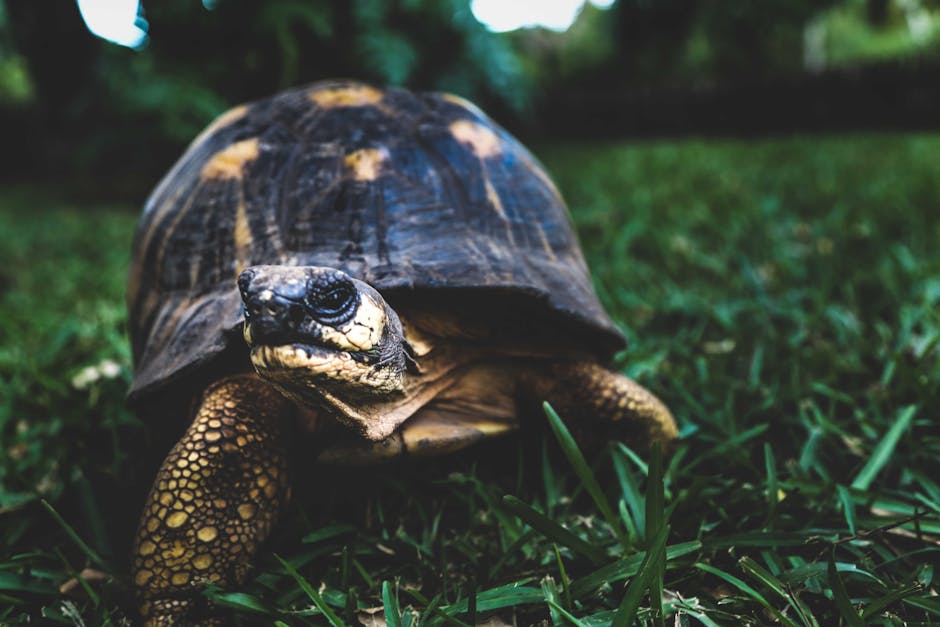
Radiated tortoise on a grass field in Madagascar, Nosy Mangabe, Madagascar
FAQs: Your Nosy Mangabe, Madagascar Questions Answered
1. Is Nosy Mangabe, Madagascar safe at night?
Maroantsetra is generally safe, but like any town, it’s wise to avoid poorly lit areas alone at night. On Nosy Mangabe, safety concerns are environmental: always hike with a guide to avoid getting lost, use a headlamp at night, and be cautious on slippery trails. Petty theft is rare but don’t leave valuables unattended on the beach.
2. What currency is used and are credit cards accepted?
The Malagasy Ariary (MGA) is the currency. Cash is KING. Bring enough Ariary for your entire stay, as ATMs in Maroantsetra are unreliable and credit cards are almost never accepted, even in hotels. Exchange money in Antananarivo before you fly in.
3. How do I get from the airport to the city center?
Maroantsetra Airport is very close to town. Your pre-booked hotel will often arrange a transfer (5-10 mins, ~10,000 MGA). Otherwise, taxis and *pousse-pousse* wait outside. Negotiate the price before getting in; it should not exceed 15,000 MGA. Book airport transfers at GetYourGuide for convenience, though local arrangement is often simpler here.
4. Do I need to speak the local language?
You can manage with French, as most hotel staff and guides speak it. English is limited. Learning a few Malagasy phrases (hello, thank you, please) will earn you warm smiles and shows respect. Your guide will be your essential translator in the forest.

