
Northern Territory, Australia: Essential Ancient Landscapes, Aboriginal Culture & Epic Adventure (2025)
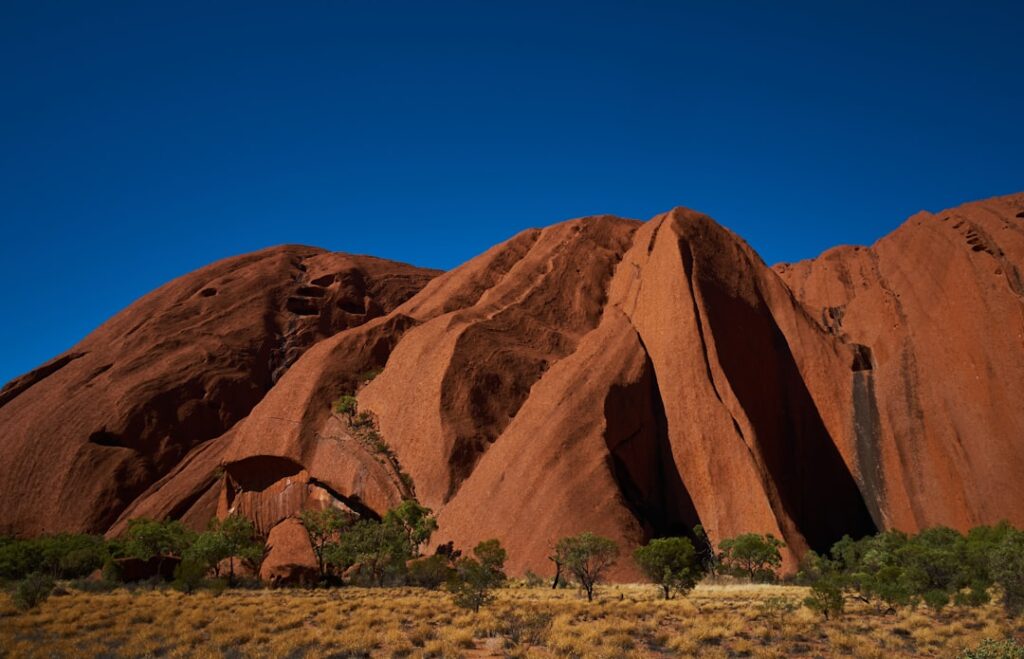
Sunrise at Uluru reveals a secret: the monolith doesn’t just turn red, it seems to ignite from within, glowing for a full 20 minutes as the desert awakens. The air is crisp, carrying the scent of spinifex grass, and the only sound is the distant call of a pied butcherbird. This is the spiritual heart of Australia, a land where 65,000 years of continuous human culture meets some of the planet’s most dramatic and ancient geology. Forget crowded coastlines; here, the horizon is your only companion.
Why Northern Territory Stands Out

Black and brown lizard on brown rock, Northern Territory, Australia
- Historic Architecture: The Adelaide River War Cemetery, established in 1942, is a profoundly moving testament to the 434 military personnel who died defending northern Australia during WWII, its manicured lawns a stark contrast to the surrounding wild bush.
- Cultural Scene: The Darwin Aboriginal Art Fair each August is a vibrant, ethical gateway to the art and stories from over 70 remote Indigenous Art Centres, a celebration of living culture you can’t find anywhere else.
- Local Specialties: You must try barramundi, the iconic silver-scaled fish, best enjoyed fresh off the grill at a Darwin wharf restaurant, its sweet, firm flesh a taste of the Top End.
Pro Tip: The absolute best time for the Red Centre (Uluru, Kata Tjuta) is the Australian winter, from May to September. Days are sunny and 20-25°C (68-77°F), while nights are crisp. For Kakadu and the Top End, aim for the late Dry Season (June to early September) to avoid the stifling humidity, monsoonal rains, and road closures of the Wet Season.
Map of Northern Territory, Australia
Use these interactive maps to explore Northern Territory, Australia and plan your route:
📍 View Northern Territory, Australia on OpenStreetMap
🗺️ Open Northern Territory, Australia in Google Maps
Planning Your Trip: Practical Essentials
Getting There and Around
- By Air: Fly into Darwin International Airport (DRW) for the Top End or Ayers Rock Airport (AYQ) for Uluru. Major domestic carriers include Qantas, Virgin Australia, and Jetstar. Book flights at Skyscanner for best deals.
- By Train: The legendary Ghan offers a bucket-list rail journey from Adelaide to Darwin via Alice Springs, taking about 54 hours for the full trip. It’s about the experience, not speed. Reserve tickets at Trainline or the national railway website.
- By Car: A 4WD is essential for exploring Kakadu, Litchfield, and many outback tracks. The Stuart Highway is the sealed backbone from Darwin to Alice Springs. Compare car rentals at RentalCars.com.
- Local Transport: Public transport is very limited outside Darwin. In the Red Centre, organized tours or your own vehicle are a must. In Darwin, the hop-on-hop-off bus is a good option for city sights.
Best Time to Visit
The NT has two distinct climate regions. Timing your visit correctly is the difference between a dream trip and a challenging one.
| Season | Weather | Highlights |
|---|---|---|
| Dry Season (May–Oct) | Sunny, low humidity. Red Centre: 5-20°C (41-68°F) nights, 20-30°C (68-86°F) days. Top End: 21-33°C (70-91°F). | Perfect for all outdoor activities, park access, and festivals. Peak tourist season with higher prices and bookings essential. |
| Wet Season (Nov–Apr) | Very hot, humid, with monsoonal storms. Top End temps 25-33°C (77-91°F) with high rainfall. | Spectacular thunderstorms, flowing waterfalls in Kakadu, lush landscapes, and fewer crowds. Many roads close due to flooding. |
| Shoulder (Apr & Oct) | Transitional periods. Can be very hot in October, with storms building in April. | A good balance for lower crowds and reasonable weather, but be prepared for heat and check road conditions. |
Budgeting for Northern Territory, Australia

A body of water surrounded by mountains and trees, Northern Territory, Australia
| Category | Budget | Mid-range | Luxury |
|---|---|---|---|
| Accommodation | $30-80 AUD (hostel/campsite) | $150-300 AUD (motel/lodge) | $400-1000+ AUD (luxury resort) |
| Meals | $15-25 AUD (takeaway/picnic) | $30-60 AUD (cafe/pub meal) | $80-150+ AUD (fine dining) |
| Transport | $50-100 AUD (fuel/tour share) | $150-250 AUD (car rental/day) | Private charters & transfers |
| Activities | Free walks, public pools | $100-250 AUD (park pass, tour) | $400+ AUD (scenic flights, exclusive experiences) |
| Daily Total | $100-200 AUD | $350-600 AUD | $900+ AUD |
Top Attractions and Must-See Sights
| Attraction | Description | Hours | Entry Fee |
|---|---|---|---|
| Uluru-Kata Tjuta National Park | The iconic spiritual heart, where you can walk the base of Uluru and gaze upon the domes of Kata Tjuta (The Olgas). | Park: 5am-7pm (varies). Sunrise/sunset viewing areas open. | $38 AUD for a 3-day park pass |
| Kakadu National Park | A UNESCO site twice over (culture & nature), home to ancient rock art, thunderous waterfalls, and immense biodiversity. | 24/7, but some areas seasonal. Visitor centres 8am-5pm. | $40 AUD for a 7-day park pass |
| Kings Canyon (Watarrka) | Hike the rim for breathtaking views over 270m high sandstone walls and the hidden oasis of the Garden of Eden. | Accessible 24/7. Hike recommended at sunrise. | Free (part of Watarrka National Park) |
| Litchfield National Park | A Top End favourite with stunning monsoon-forest walks, magnetic termite mounds, and safe, crystal-clear swimming holes. | 24/7 | Free |
3-Day Itinerary: Darwin & Litchfield National Park
Day 1: Darwin’s History & Sunset Culture
- Morning (7-9 AM): Beat the heat with a stroll along the Darwin Waterfront Precinct. Have a dip in the free Recreation Lagoon or wave pool.
- Afternoon (12-3 PM): Visit the excellent Museum and Art Gallery of the NT (free entry) to see Cyclone Tracy exhibits and the iconic Sweetheart the crocodile. For lunch, grab a famous barramundi burger at Snapper Rocks on the wharf.
- Evening (6-8 PM): Join the locals at the Mindil Beach Sunset Market (Thurs & Sun, dry season only). Watch the spectacular sunset over the Arafura Sea, then graze on global street food from dozens of stalls.
Day 2: Litchfield’s Waterfalls & Wonders
- Morning (Early Departure): Drive 90 minutes to Litchfield National Park (fuel up first!). Your first stop is the fascinating Cathedral and Magnetic Termite Mounds.
- Afternoon: Hike to Florence Falls for a breathtaking double-plunge waterfall view, then take the stairs down for a refreshing swim. For lunch, pack a picnic or stop at the Litchfield Café near the park entrance.
- Evening: Back in Darwin, enjoy a relaxed dinner at Hanuman, renowned for its exceptional modern Thai and Indian cuisine. Book ahead.
Day 3: WWII History & Crocodile Adventures
- Morning: Take a 45-minute ferry ($35 AUD return) to the Tiwi Islands (tour booking essential). Experience unique Aboriginal art and culture on this full-day guided journey.
- Alternative Morning: Visit the Darwin Aviation Museum ($18 AUD) to see a massive B-52 bomber, or take a jumping crocodile cruise on the Adelaide River ($45 AUD).
- Afternoon: Learn about Darwin’s pivotal WWII role at the Defence of Darwin Experience at the Stokes Hill Wharf ($30 AUD).
- Evening: Your final sunset should be enjoyed with a cool drink at the Darwin Ski Club, a legendary spot on Fannie Bay with unbeatable views over the water.
Cultural Insights & Etiquette
- Language: English is universal. Learning a few words like “palya” (hello/good/okay in some Aboriginal languages) is appreciated. Always use Indigenous place names (e.g., Uluru, not Ayers Rock).
- Customs: Aboriginal culture is deeply spiritual and connected to land. Never climb Uluru (it’s closed and disrespectful). Always ask permission before photographing Indigenous people. Seek understanding through guided tours run by Traditional Owners.
- Tipping: Not expected but appreciated for good service. 5-10% in sit-down restaurants is a generous gesture.
- Dress Code: Practical, sun-smart clothing is key: wide-brimmed hats, long sleeves, and sturdy walking shoes. Swimwear is for pools and beaches only—cover up when in towns.
- Business Hours: Generally 9am-5pm. Many smaller places close on Sundays. Major supermarkets are open late.
Where to Eat: Northern Territory’s Best Bites
Dining here is defined by fresh, local produce—think barramundi, mud crab, buffalo, and bush tucker ingredients like wattleseed and lemon myrtle. Darwin’s dining scene is surprisingly sophisticated, while outback roadhouses offer classic, hearty fare.
Must-Try Local Specialties
- Barramundi: The quintessential NT fish. Try it grilled with lemon myrtle butter at Pee Wee’s at the Point in Darwin for a fine-dining version, or beer-battered at a classic pub.
- Buffalo: Lean and flavoursome meat, often served as a steak or burger. The Alice Springs Roadhouse does a famous buffalo burger.
- Kangaroo: A sustainable, lean red meat. It’s best served rare to medium-rare. You’ll find it on many gourmet pub menus.
Restaurant Recommendations by Budget
| Type | Restaurant | Specialty | Price Range |
|---|---|---|---|
| Budget | Roma Bar (Darwin CBD) | No-fuss, hearty Italian and Greek classics in a Darwin institution. | $15-25 AUD mains |
| Mid-range | The Trader Bar (Darwin) | Innovative share plates and cocktails in a relaxed, trendy setting. | $30-50 AUD mains |
| Fine dining | Sounds of Silence (Yulara) | An unforgettable outdoor dining experience under the stars with didgeridoo music and views of Uluru. | $225 AUD per person (set menu) |
Where to Stay
Accommodation ranges from remote bush campsites to five-star desert resorts. Booking well in advance for the Dry Season is non-negotiable. Compare prices and book at Booking.com or Airbnb for apartments.
Best Neighborhoods for Accommodation
- Darwin City & Waterfront: Central, walkable, with the best concentration of restaurants, bars, and hotels. Perfect for first-time visitors without a car.
- Yulara (Ayers Rock Resort): The purpose-built service town for Uluru. Offers everything from campgrounds to luxury at Sails in the Desert. You’re here for proximity to the rock.
- Alice Springs: The service hub for the Red Centre. A practical base for exploring the West MacDonnell Ranges and Kings Canyon, with a good range of motels and B&Bs.

A close up of a rock with a river in the background, Northern Territory, Australia
FAQs: Your Northern Territory Questions Answered
1. Is Northern Territory, Australia safe at night?
General precautions apply in city centres at night. The primary safety concerns in the NT are environmental: extreme heat, dehydration, and wildlife. Never swim in rivers, billabongs, or coastal waters without explicit local advice—saltwater crocodiles are deadly and present almost everywhere. Always carry ample water when driving or hiking.
2. What currency is used and are credit cards accepted?
Australian Dollars (AUD) are used. Credit/debit cards (Visa, Mastercard) are widely accepted in towns and resorts. However, always carry cash for remote roadhouses, small tour operators, and market stalls, as EFTPOS can be unreliable or non-existent.
3. How do I get from the airport to the city center?
In Darwin, the airport shuttle bus costs about $18 AUD to the city, a taxi around $35 AUD. In Yulara (Ayers Rock Airport), most resorts offer complimentary shuttle transfers; taxis are available but pricey. Book airport transfers at GetYourGuide for convenience.
4. Do I need to speak the local language?
English is perfectly fine. However, engaging with Aboriginal culture often involves learning through guides. Phrases like “hello” or “thank you” in local languages (ask your guide) show respect. The key is listening to stories and understanding, not speaking.
5. What’s the appropriate dress code?
Practicality rules. For hiking: sturdy closed-toe shoes, long lightweight pants, a long-sleeved shirt, and a wide-brimmed hat. For evenings in Darwin, smart-casual is fine for nicer restaurants. When visiting Indigenous communities or cultural sites, modest dress is respectful—cover shoulders and knees.
Final Thoughts: Northern Territory Awaits
The Northern Territory isn’t a destination you simply see; it’s one you feel. It challenges you with its scale, humbles you with its ancient landscapes, and enriches you with the world’s oldest living culture. Savvy travelers know the value lies not in ticking off sights, but in the moments between them: the profound silence of the desert at noon, the electric green of a monsoon forest, the shared story from a Traditional Owner. Plan meticulously for the distances and climate, but leave room for the unexpected magic. Your journey into the timeless heart of Australia begins here.

