
North Cascades National Park, USA: Amazing Glaciers, Alpine Lakes & Wildflower Trails (2026)
While over 3 million people crowd into Mount Rainier National Park just a few hours south, fewer than 40,000 venture into the rugged heart of North Cascades National Park annually. This isn’t a park of postcard viewpoints easily accessed from a parking lot; it’s a sprawling, 500,000-acre wilderness of jagged peaks, over 300 glaciers (more than any other U.S. park outside Alaska), and sapphire lakes that demand exploration. Here’s what the crowds are missing.
Why North Cascades National Park, USA Stands Out

Brown tree trunk on rocky ground near body of water during daytime, North Cascades National Park, USA
- Historic Architecture: The 1928 Newhalem powerhouse, part of the Skagit River Hydroelectric Project, is a stunning example of early 20th-century industrial design that powers Seattle, blending engineering with the dramatic landscape.
- Cultural Scene: The annual Upper Skagit River Salmon Festival in nearby Concrete celebrates the region’s Indigenous heritage and the vital salmon runs with storytelling, canoe races, and traditional food.
- Local Specialties: You must try fresh, wild-caught Pacific Northwest salmon, often cedar-planked or smoked, a culinary tradition deeply tied to the Skagit River’s ecosystem.
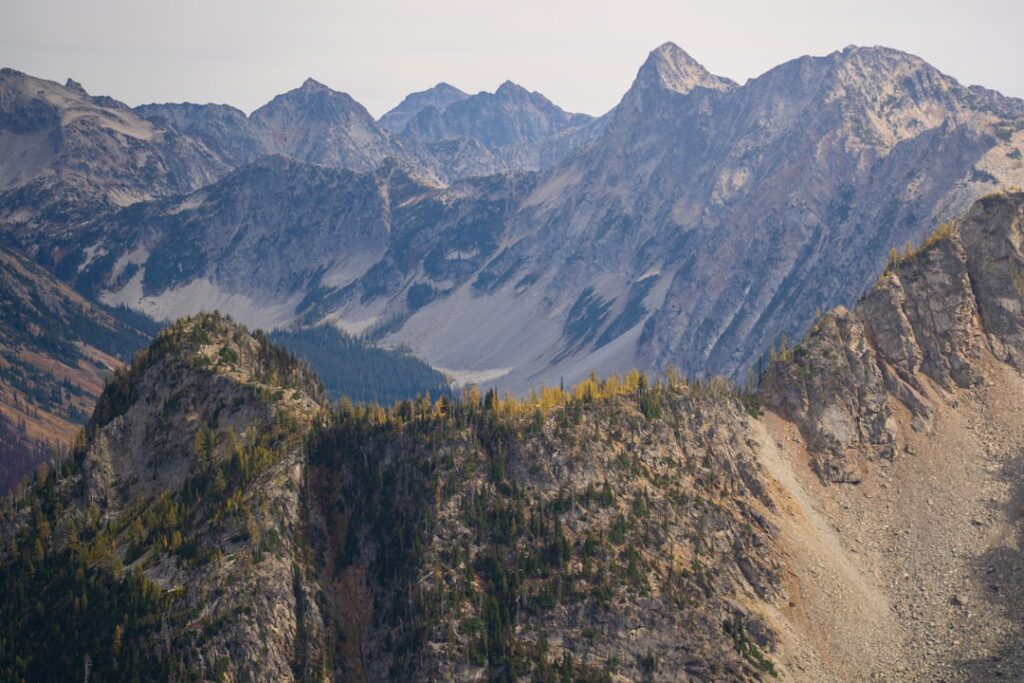
Pro Tip: For the perfect balance of accessible trails, stable weather, and minimal bugs, target the second half of September. The summer crowds have dissipated, the alpine larches are turning a brilliant gold, and the morning air is crisp for hiking.
Map of North Cascades National Park, USA
Use these interactive maps to explore North Cascades National Park, USA and plan your route:
📍 View North Cascades National Park, USA on OpenStreetMap
🗺️ Open North Cascades National Park, USA in Google Maps
Planning Your Trip: Practical Essentials
Getting There and Around
- By Air: Fly into Seattle-Tacoma International Airport (SEA), 120 miles southwest. Alaska, Delta, and all major carriers operate here. Your best bet is to rent a car immediately for the 2.5-hour scenic drive. Book flights at Skyscanner for best deals.
- By Train: Amtrak’s Empire Builder stops in Everett and Wenatchee, but you’ll still need a car for the final 1.5-2 hour drive to the park. It’s more a scenic journey than a practical entry point. Reserve tickets at Trainline or the national railway website.
- By Car: State Route 20, the “North Cascades Highway,” is the park’s stunning main artery, open roughly May-October. It’s a destination drive itself. A reliable vehicle is non-negotiable. Compare car rentals at RentalCars.com.
- Local Transport: There is no public transportation within the park. Your car, your feet, or a guided tour shuttle are your only options. Savvy visitors know to fill their gas tank in Burlington or Marblemount, as there are no services on the highway.
Best Time to Visit
Your experience is entirely dictated by the season. The high mountain passes are snowbound for much of the year, making late summer and early fall the prime window for full access.
| Season | Weather | Highlights |
|---|---|---|
| Summer (Jun–Aug) | Mild, 60-75°F (15-24°C) days; nights can be chilly. Mostly dry, but be prepared for mountain showers. | All trails and SR-20 are open. Wildflower meadows peak in July. Ideal for backpacking, but also the busiest time. |
| Winter (Dec–Feb) | Snowy and cold, 20-35°F (-6 to 2°C). SR-20 closes at Ross Dam. Heavy snowfall is the norm. | A silent, snow-blanketed wonderland for snowshoeing and cross-country skiing on lower trails. Extreme solitude. |
| Shoulder (Apr–May/Sep–Oct) | Unpredictable. Spring is wet with melting snow; Fall is crisp, 45-65°F (7-18°C), with possible early snow. | September is golden: fewer people, no bugs, fall colors. May offers roaring waterfalls from snowmelt but limited high-country access. |
Budgeting for North Cascades National Park, USA

A snow covered mountain with a blue sky in the background, North Cascades National Park, USA
| Category | Budget | Mid-range | Luxury |
|---|---|---|---|
| Accommodation | $20-30 (campground fee) | $150-250 (lodge or cabin) | $300+ (guided backcountry trip) |
| Meals | $15-25 (self-cooked camp meals) | $40-60 (diner/tavern meals) | $80+ (fine dining in Winthrop) |
| Transport | $50/day (fuel share) | $70-100/day (personal rental car) | $150+ (private tour/4×4) |
| Activities | $0 (hiking, scenic drive) | $30-80 (guided day hike, boat rental) | $200+ (helicopter tour, multi-day guided climb) |
| Daily Total | $85-105 | $290-490 | $730+ |
Top Attractions and Must-See Sights
| Attraction | Description | Hours | Entry Fee |
|---|---|---|---|
| Diablo Lake Vista Point | The iconic overlook for the park’s turquoise jewel, colored by glacial flour, with views of Colonial and Pyramid Peaks. | 24/7 (road-dependent) | Free |
| Ross Lake National Recreation Area | A 23-mile long reservoir offering boat-in camping, fishing, and stunning reflections of sheer peaks. | Daylight hours | Free; boat rentals ~$80/day |
| Washington Pass Overlook | The highest point on SR-20 (5,477 ft), offering a breathtaking, easy-access panorama of Liberty Bell Mountain and the Early Winters Spires. | 24/7 (summer/fall) | Free |
| Thunder Creek Trail | A classic moderate hike through ancient forest to aquamarine alpine waters, showcasing the park’s dense, mossy interior. | Daylight hours | Free |
3-Day Itinerary: North Cascades National Park, USA’s Highlights & Hidden Gems
Day 1: The Scenic Corridor & Glacial Wonders
- Morning (7-9 AM): Start early at the North Cascades Visitor Center in Newhalem. Watch the 20-minute park film and get trail conditions. Then, walk the 0.3-mile Trail of the Cedars to feel the scale of the old-growth forest.
- Afternoon (12-3 PM): Drive the winding SR-20 east to the Diablo Lake Vista Point. Have a packed lunch here. Continue to the Ross Dam Trailhead for a 1.5-mile roundtrip hike (steep descent) down to the massive 540-foot dam. For a late lunch, the Buffalo Run Restaurant in Marblemount serves hearty burgers and local ale.
- Evening (6-8 PM): Check into your lodging. For a memorable dinner, drive to Mondo in Winthrop for wood-fired pizzas and a lively atmosphere in the town’s old-western style buildings.
Day 2: High Passes & Alpine Adventure
- Morning (8 AM): Pack a full day’s gear. Drive up to the Washington Pass Overlook for morning photos. Then, tackle the Blue Lake Trail (4.4 miles roundtrip, $5/day Northwest Forest Pass required). It’s a moderate climb to a pristine alpine lake nestled beneath granite spires—the quintessential North Cascades vista.
- Afternoon (1 PM): Enjoy your packed lunch by Blue Lake. On the drive back down, stop at the Rainy Pass picnic area for a different perspective. Refuel with a huckleberry milkshake at the Rocking Horse Bakery in Winthrop.
- Evening (6 PM): Experience genuine Western hospitality at the Old Schoolhouse Brewery in Winthrop. Grab a pint of their IP A and a seat on the patio.
Day 3: Deep Valleys & River Culture
- Morning (9 AM): Drive west back through the park to the Colonial Creek Campground area. Hike the first few miles of the Thunder Creek Trail, where you’re enveloped in a world of giant ferns, moss, and the thunderous sound of the creek. It’s a cool, shaded contrast to the high country.
- Afternoon (12 PM): Have a lakeside picnic at Colonial Creek. Then, take the short, fascinating Sterling Munro Trail at the Visitor Center for a panoramic view of the Picket Range. For a final lunch, stop at the Marblemount Diner for classic American fare.
- Evening (5 PM): On your way out, take the quick, self-guided tour of the historic company town of Newhalem, including the Ladder Creek Falls & Gardens, beautifully lit at night during summer evenings—a perfect, serene farewell.
Cultural Insights & Etiquette
- Language: English is universal. Learning a few phrases of Lushootseed (the local Indigenous language), like “ʔəsčal” (thank you), shows deep respect for the land’s first stewards.
- Customs: This is a “Leave No Trace” landscape. Pack out all trash, stay on trails to protect fragile meadows, and observe wildlife from a safe distance. Quiet reverence is the norm on trails.
- Tipping: Standard U.S. 15-20% at sit-down restaurants. Tip guided tour leaders 10-15% of the tour cost if they provided excellent service.
- Dress Code: Utterly practical. Layers are mandatory—weather shifts rapidly. Sturdy hiking boots, rain shell, and a warm fleece are more important than fashion. In towns like Winthrop, casual is fine everywhere.
- Business Hours: Services are limited. Gas stations and small stores in gateway towns may close by 8 PM. Always plan ahead for fuel and supplies.
Where to Eat: North Cascades National Park, USA’s Best Bites
Dining here is about hearty, satisfying meals after a day of adventure. You won’t find white-tablecloth cuisine in the park itself, but in the gateway towns, you’ll discover excellent local taverns, bakeries, and spots specializing in fresh, regional ingredients.
Must-Try Local Specialties
- Wild Huckleberry Everything: In late summer, these tart-sweet berries appear in pies, milkshakes, jams, and sauces. The Rocking Horse Bakery in Winthrop uses them masterfully.
- Cedar-Planked Salmon: A Pacific Northwest classic. The smoky, woodsy flavor infuses the rich, oily fish. Look for it at seasonal farm-to-table dinners in the Methow Valley.
- Local Craft Beer: The region boasts excellent breweries. Old Schoolhouse Brewery in Winthrop and Birdsview Brewing in Concrete are local favorites for a post-hike pint.
Restaurant Recommendations by Budget
| Type | Restaurant | Specialty | Price Range |
|---|---|---|---|
| Budget | Marblemount Diner, Marblemount | Hearty breakfasts, burgers, and homemade pies in a classic roadside setting. | $10-18 per entree |
| Mid-range | Mondo, Winthrop | Creative wood-fired pizzas, pasta, and a great wine list in a vibrant, modern space. | $18-30 per entree |
| Fine dining | Arrowleaf Bistro, Winthrop | Seasonal, farm-to-table Northwest cuisine with an elegant twist and stellar river views. | $30-50 per entree |
Where to Stay
Accommodation ranges from rugged campgrounds to cozy riverside cabins. There are no grand hotels inside the park proper, so your base will be in a gateway community. Book months in advance for summer. Compare prices and book at Booking.com or Airbnb for apartments.
Best Neighborhoods for Accommodation
- Marblemount/ Rockport: The western gateway. Best for early park access and river activities. Offers basic motels, campgrounds, and a rustic feel. Limited dining options.
- Winthrop/ Mazama: The eastern gateway on the sunny side of the mountains. Has the most charm, with a Western-themed town, more lodging (cabins, B&Bs, inns), and restaurant variety. Ideal for accessing Washington Pass.
- Diablo Lake/ Ross Lake Resorts: For a unique, immersive experience. These boat-access-only resorts offer cabins and lodges right on the stunning reservoirs. Book a year in advance—they’re legendary.

White and brown house on lake near green mountain under blue sky during daytime, North Cascades National Park, USA
FAQs: Your North Cascades National Park, USA Questions Answered
1. Is North Cascades National Park, USA safe at night?
In the wilderness, safety is about preparation. The towns are very safe. In the backcountry, proper food storage is critical due to black bears. Always carry the Ten Essentials, tell someone your plans, and have a map/compass. Cell service is virtually non-existent in the park.
2. What currency is used and are credit cards accepted?
U.S. Dollars ($). Major credit cards are accepted at lodges, restaurants, and larger stores in gateway towns. However, carry cash for small trailhead parking fees (often $5-10 in exact change), farmers markets, and some smaller vendors.
3. How do I get from the airport to the park?
You must rent a car at Seattle-Tacoma International Airport (SEA). The drive is 2.5-3 hours via I-5 North and SR-20 East. There are no shuttles or public transit that will get you into the park’s core. Book airport transfers at GetYourGuide for convenience if you’re staying in Seattle first.
4. Do I need to speak the local language?
English is all you need. However, learning a bit about the

