

Nkhotakota, Malawi’s Ultimate Wildlife, History & Lakeside Serenity (2025)
While crowds flock to the southern lakeshore resorts, Nkhotakota, Malawi delivers an authentic, untamed slice of Africa where the continent’s largest remaining wildlife translocation project is quietly unfolding. Here, on the central-western shore of Lake Malawi, you won’t find sprawling hotels but instead a living history of the Swahili-Arab slave trade and a vast, recovering wilderness where over 500 elephants now roam. This is where conservation history is being written, far from the tourist trail.
Why Nkhotakota, Malawi Stands Out
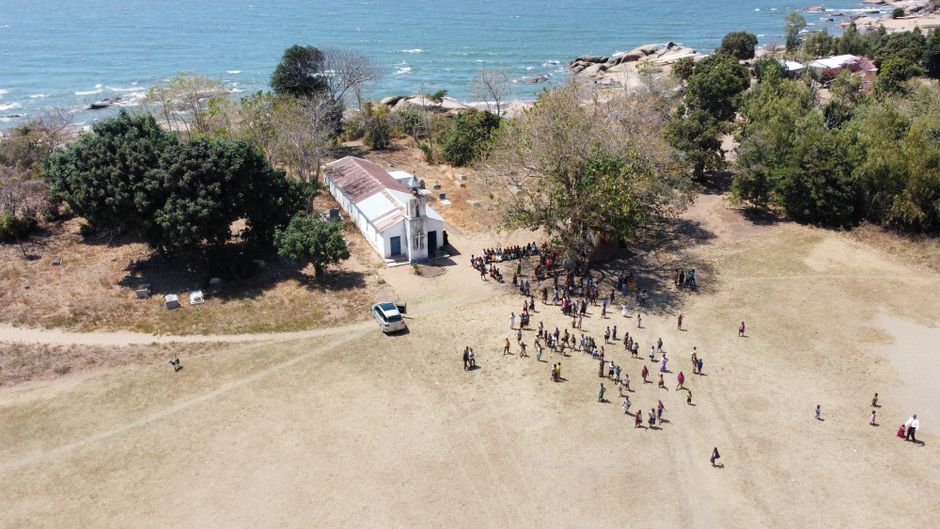
Aerial view of a church gathering by Lake Malawi in Nkhotakota, Central Region., Nkhotakota, Malawi
- Historic Architecture: The Nkhotakota Pottery, established in the 1970s, is a landmark of sustainable craft, housed in traditional brick buildings where you can watch artisans shape local clay.
- Cultural Scene: The annual Nkhotakota Wildlife Festival in August celebrates conservation success with traditional Gule Wamkulu dances, local music, and community storytelling.
- Local Specialties: You must try Chambo, a delicious tilapia from Lake Malawi, grilled over open fires with just a hint of local salt and nsima (maize porridge) on the side.
Pro Tip: Visit during the dry season from May to October. Not only is wildlife viewing in the reserve at its peak with animals congregating at water sources, but the weather is perfect and mosquito activity is lowest. Avoid March, the peak of the rainy season, when some dirt roads become impassable.
Map of Nkhotakota, Malawi
Use these interactive maps to explore Nkhotakota, Malawi and plan your route:
📍 View Nkhotakota, Malawi on OpenStreetMap
🗺️ Open Nkhotakota, Malawi in Google Maps
Planning Your Trip: Practical Essentials
Getting There and Around
- By Air: Fly into Lilongwe International Airport (LLW), Malawi’s capital, about a 3-hour drive away. From there, you’ll need a private transfer or rental car. Book flights at Skyscanner for best deals.
- By Train: Malawi’s passenger rail service is limited and not a practical option for reaching Nkhotakota. Your best bet is road travel. For regional train adventures elsewhere, you can research at Trainline.
- By Car: The M5 road from Lilongwe is paved and in good condition. From the south, the scenic lakeshore road (M10/M12) is partly paved but offers stunning views. A 4×4 is recommended if you plan to explore the reserve’s interior tracks. Compare car rentals at RentalCars.com.
- Local Transport: Minibuses are the local workhorse, connecting Nkhotakota Boma (town) to surrounding villages. For tourists, hiring a private vehicle with a driver-guide (approx. $80-$120/day) is the most efficient and safe way to explore the area and the wildlife reserve.
Best Time to Visit
The climate is tropical, with a distinct dry season offering the best conditions for exploration and wildlife. The wet season transforms the landscape into a lush, green paradise but can complicate travel.
| Season | Weather | Highlights |
|---|---|---|
| Dry Season (May–Oct) | Warm, sunny days (24-28°C), cool nights, virtually no rain. | Prime wildlife viewing, excellent road conditions, perfect for lake activities. Peak season for lodges. |
| Wet Season (Nov–Apr) | Hot (28-32°C) with high humidity; heavy rainfall, especially Jan-Mar. | Landscape is vividly green, birdlife is spectacular, fewer visitors, lower rates. Some roads may be muddy. |
| Shoulder (Apr/Oct–Nov) | Transitional; warm with sporadic, building or ending rains. | A good balance of decent weather, emerging greenery, and thinner crowds. A savvy traveler’s choice. |
Budgeting for Nkhotakota, Malawi

Aerial view of a historic brick church with Gothic architecture, Nkhotakota, Malawi
| Category | Budget | Mid-range | Luxury |
|---|---|---|---|
| Accommodation | $15-30 (basic guesthouse) | $80-150 (comfortable lodge) | $200-400+ (full-board safari lodge) |
| Meals | $5-10 (local eateries, market food) | $15-25 (lodge restaurant) | $40-60 (fine dining at top lodges) |
| Transport | $5-10 (local minibus trips) | $80-120/day (private car & driver) | $150+/day (private 4×4 safari vehicle) |
| Activities | Free (lakeshore walks, town exploration) | $30-50 (guided forest walk, pottery tour) | $80-120 (full-day guided safari drive) |
| Daily Total | $25-50 | $130-250 | $350-650+ |
Top Attractions and Must-See Sights
| Attraction | Description | Hours | Entry Fee |
|---|---|---|---|
| Nkhotakota Wildlife Reserve | Malawi’s largest & oldest reserve, famous for its historic 500-elephant translocation and rugged miombo woodland. | Dawn to Dusk (access via lodge) | Park fees ~$10/day; included in lodge rates. |
| Nkhotakota Pottery | A renowned craft center where you can watch potters at work and buy unique, hand-thrown pieces glazed with local materials. | 8:00 AM – 5:00 PM, Mon-Sat | Free to visit; purchases vary. |
| Lake Malawi Shoreline | Pristine, quiet beaches away from the crowds, perfect for swimming, kayaking, and watching local fishing boats at sunset. | Always accessible | Free (beach access) |
| Boma (Town Centre) Market | The bustling heart of local life, offering fresh produce, colorful chitenje fabrics, and a chance to practice your Chichewa. | 6:00 AM – 5:00 PM daily | Free |
3-Day Itinerary: Nkhotakota, Malawi’s Highlights & Hidden Gems
Day 1: Lakeside Immersion & Local Crafts
- Morning (7-9 AM): Start with a walk along the sandy shore near Sani Beach. Watch the dugout canoes (ngalawa) head out for the day’s catch. Your best bet is to stay at a lakeside lodge for direct access.
- Afternoon (12-3 PM): Visit the Nkhotakota Pottery. Take a free self-guided tour to see the kilns and workshops. For lunch, the pottery’s simple café serves light snacks and cold drinks.
- Evening (6-8 PM): Enjoy a sundowner cruise (approx. $25 per person) arranged by your lodge, followed by a dinner of grilled Chambo at your lodge’s restaurant overlooking the water.
Day 2: Wilderness & Conservation History
- Morning (6-9 AM): An early morning guided game drive ($80-$120) into Nkhotakota Wildlife Reserve. Your guide will explain the monumental “500 Elephants” translocation project by African Parks. Look for elephant herds, buffalo, and sable antelope.
- Afternoon (12-3 PM): Return to your lodge for a late lunch and some relaxation. Alternatively, take a guided bird walk; the reserve boasts over 280 species like the racket-tailed roller.
- Evening (6-8 PM): Visit a local village with a guide from your lodge (always ask permission). Later, enjoy stargazing by the lake – the lack of light pollution makes the Milky Way spectacular.
Day 3: Culture & Scenic Exploration
- Morning (8-11 AM): Hire a taxi or driver ($20-30 for the morning) to explore the Boma market. Then, drive to the scenic viewpoint on the M5 road for a panoramic look over the town and lake.
- Afternoon (12-3 PM): Enjoy a hands-on cooking lesson at your lodge to learn how to make nsima and a local relish. For a simpler lunch, try Grace’s Kitchen in town for a hearty, affordable local plate.
- Evening (6-8 PM): Your final evening calls for a special beach barbecue, often arranged by lodges. Sit around a fire, share stories, and listen to the sounds of the African night.
Cultural Insights & Etiquette
- Language: Chichewa is the national language. A friendly “Moní” (Hello) and “Zíkomo” (Thank you) go a long way. English is widely spoken in tourist areas and by guides.
- Customs: Always greet people before asking questions or taking photos. Use your right hand for giving and receiving items. When visiting villages, a small donation to the headman (through your guide) is a respectful gesture.
- Tipping: Not mandatory but appreciated. For a driver-guide, consider $10-$15 per day. In restaurants, 5-10% is fine if service isn’t included. Porters expect about $1 per bag.
- Dress Code: Modesty is key. Avoid very short shorts or revealing tops, especially in town and villages. Swimwear is acceptable only at the beach or lodge pool.
- Business Hours: Shops generally open 7:30 AM-5 PM, often closing for a lunch break. Government offices work 7:30 AM-4:30 PM. Sunday is a day of rest for many.
Where to Eat: Nkhotakota, Malawi’s Best Bites
Dining in Nkhotakota is intimately tied to your lodge, which will be your primary source for meals. The local cuisine is hearty and based on staples like maize, fish, and beans, offering a truly authentic Malawian flavor profile.
Must-Try Local Specialties
- Chambo with Nsima: The iconic Lake Malawi fish, often grilled or fried, served with the ubiquitous stiff maize porridge. Your lodge will prepare it perfectly.
- Nkhuku (Chicken) Stew: A rich, slow-cooked stew with tomatoes, onions, and local spices, served with rice or nsima. Look for it at local eateries like those near the market.
- Mtedza (Peanut) Relish: A creamy, savory sauce made from ground peanuts, often served over greens or pumpkin leaves. A delicious vegetarian staple.
Restaurant Recommendations by Budget
| Type | Restaurant | Specialty | Price Range |
|---|---|---|---|
| Budget | Market Stalls & Local Eateries (Boma area) | Fresh, simple plates of nsima, rice, and stew | $2-$5 per meal |
| Mid-range | Lodge Restaurants (e.g., Sani Beach Lodge, Tongole) | International & Malawian fusion, fresh lake fish, grilled meats | $10-$20 per main |
| Fine dining | Tongole Wilderness Lodge Dining | Multi-course gourmet dinners with local ingredients, served in a stunning riverside boma | Included in lodge rate (~$400+/night) |
Where to Stay
Accommodation ranges from basic guesthouses in town to exceptional eco-lodges on the lakeshore or within the wildlife reserve. Most visitors find the experience is greatly enhanced by staying at a lodge that offers guided activities. Compare prices and book at Booking.com or Airbnb for apartments (though options are very limited here).
Best Neighborhoods for Accommodation
- The Lakeshore (Sani/Chia Areas): The premier area for visitors, offering direct beach access, beautiful sunsets, and proximity to lodges. It’s peaceful but requires transport to town. Perfect for relaxation and water activities.
- Nkhotakota Boma (Town Centre): The hub of local life with markets, shops, and basic guesthouses. You’ll be immersed in daily Malawian culture but farther from the scenic lakefront. Best for budget travelers and those wanting local immersion.
- Inside the Wildlife Reserve: For the ultimate wilderness experience, stay at a lodge like Tongole within the reserve itself. You’ll wake to the sounds of the bush and have immediate access to game drives, but you are more secluded.
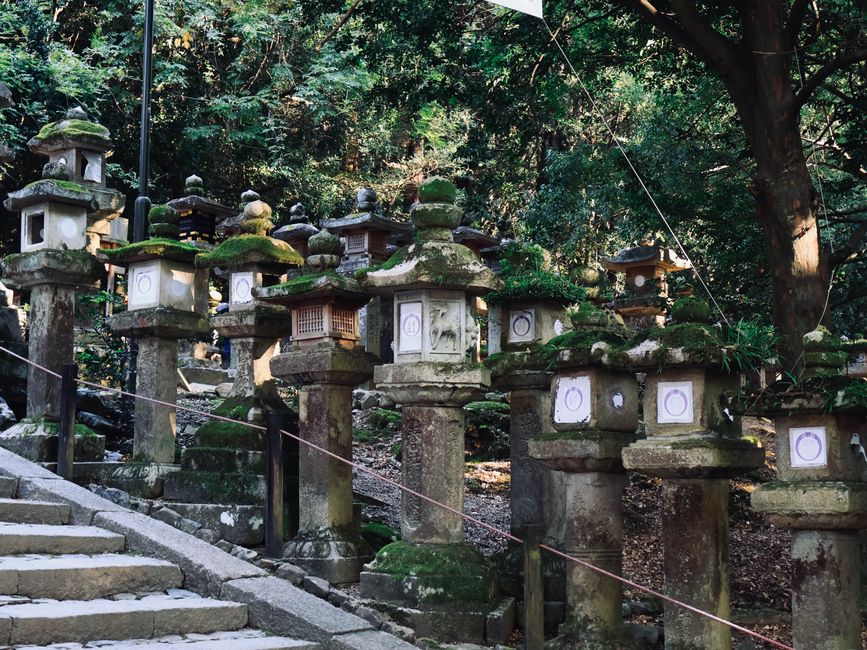
Moss-covered stone lanterns line a tranquil forest path in a historic setting., Nkhotakota, Malawi
FAQs: Your Nkhotakota, Malawi Questions Answered
1. Is Nkhotakota, Malawi safe at night?
Nkhotakota is generally a safe and friendly town. However, as in any destination, take sensible precautions. Avoid walking alone at night in unlit areas. Within lodge grounds and on guided activities, safety is very high. Always secure your valuables.
2. What currency is used and are credit cards accepted?
The Malawian Kwacha (MWK) is the local currency. US dollars are sometimes accepted at top lodges but at a poor rate. Credit cards (Visa/Mastercard) are accepted at the main lodges but rarely elsewhere. Your best bet is to withdraw Kwacha from an ATM in Lilongwe before arriving or at the NBS Bank in Nkhotakota Boma. Carry plenty of small bills for markets and tips.
3. How do I get from the airport to Nkhotakota?
From Lilongwe International Airport (LLW), it’s a 3-hour drive. The most reliable options are a pre-booked private transfer (approx. $100-$150 one-way) or renting a car. Very few taxis at the airport will agree to this long journey. Book airport transfers at GetYourGuide for convenience, though options may be limited; arranging directly with your lodge is often easiest.
4. Do I need to speak the local language?
No, but it helps. English is an official language and is spoken by staff at lodges, guides, and many in the town. Learning a few basic Chichewa phrases (Moní, Zíkomo, Muli bwanji? – How are you?) will delight locals and enrich your experience.
5. What’s the appropriate dress code?
Dress is generally casual but modest. For safari activities, wear neutral-colored clothing (khaki, green, brown). For evenings at lodges, smart-casual is fine. Always have a light jacket for cool mornings and evenings, and don’t forget a sun hat, sunglasses, and high-SPF sunscreen.
Final Thoughts: Nkhotakota, Malawi Awaits
Nkhot

